
Welcome to a comprehensive guide on the best ways to monitor and manage your blood sugar levels! By regularly checking your blood sugar levels, you can stay on top of your health and prevent complications associated with diabetes. From using a glucose meter to tracking your daily food intake, we will explore various strategies to help you effectively manage your blood sugar levels. Let’s dive in and take control of your health together! Have you ever wondered about the best ways to monitor and manage your blood sugar levels? Managing your blood sugar is crucial for overall health, especially if you have diabetes or are at risk for developing it. In this article, we will discuss some of the best ways to monitor and manage your blood sugar levels effectively. Let’s dive in!

Importance of Monitoring Blood Sugar Levels
Monitoring your blood sugar levels is essential for both diabetes management and overall health. By keeping an eye on your blood sugar levels, you can make informed decisions about your diet, exercise, and medication. Regular monitoring can also help you identify patterns and trends in your blood sugar levels, allowing you to adjust your diabetes management plan as needed.
Why should you monitor your blood sugar levels regularly?
It’s crucial to monitor your blood sugar levels regularly to prevent complications associated with diabetes. By tracking your blood sugar levels consistently, you can:
- Detect and prevent high or low blood sugar episodes
- Evaluate the effectiveness of your diabetes management plan
- Make adjustments to your diet, exercise, and medication regimen as needed
Monitoring your blood sugar levels regularly can help you stay healthy and prevent long-term complications associated with diabetes.
How to Monitor Your Blood Sugar Levels
There are several methods to monitor your blood sugar levels, including using a blood glucose meter, continuous glucose monitoring system, and urine testing strips. Let’s explore each method in detail.
Use a Blood Glucose Meter
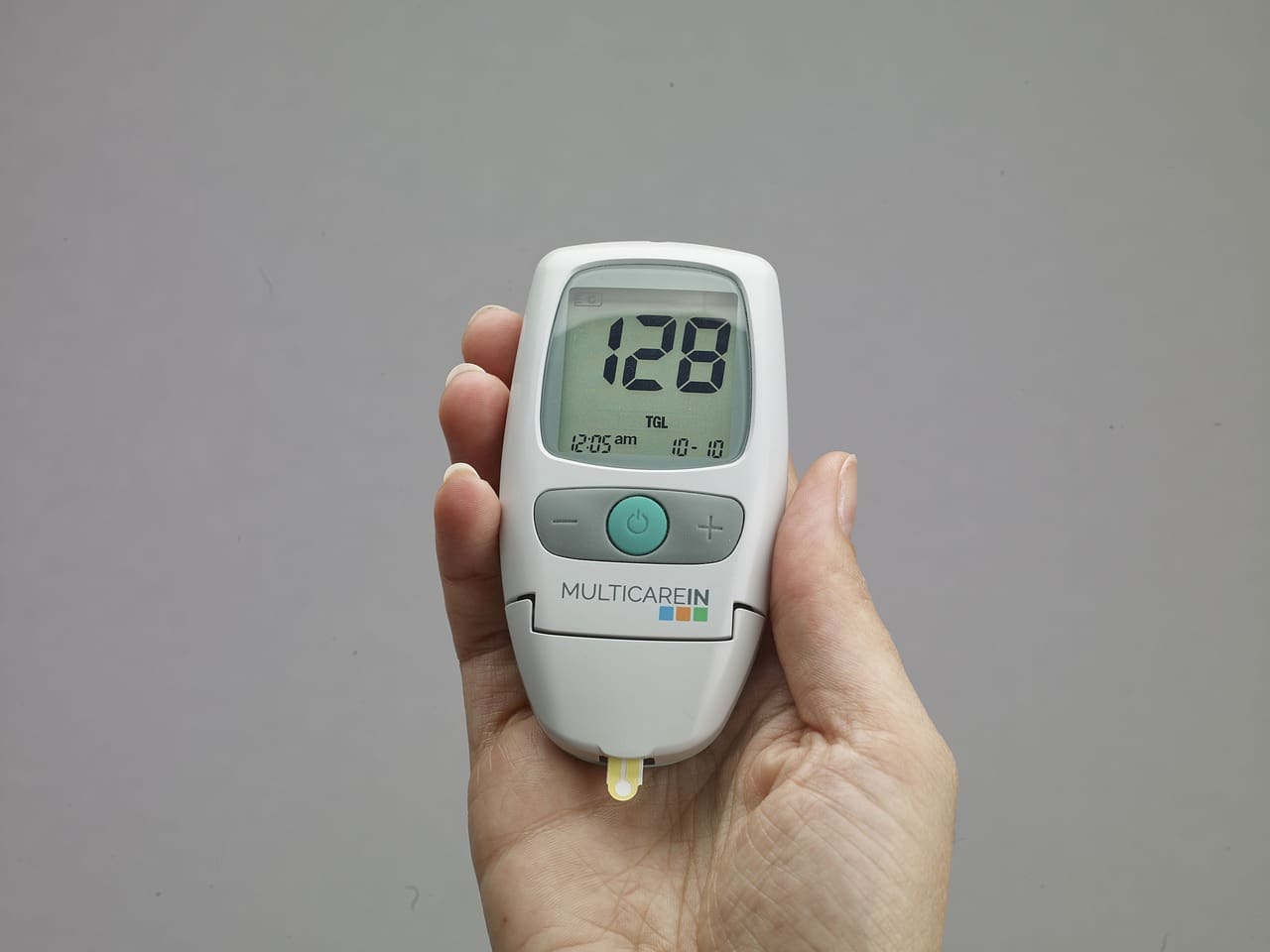
A blood glucose meter is a portable device that measures your blood sugar levels using a small drop of blood. To use a blood glucose meter:
- Wash your hands with soap and water
- Insert a test strip into the meter
- Prick your finger with a lancet to draw a small drop of blood
- Touch the test strip to the blood droplet
- Wait for the meter to display your blood sugar level
Using a blood glucose meter is a convenient and effective way to monitor your blood sugar levels at home or on the go.
Continuous Glucose Monitoring System
A continuous glucose monitoring (CGM) system is a device that automatically measures your blood sugar levels throughout the day and night. It consists of a sensor that is placed under the skin to measure glucose levels continuously. A transmitter sends data from the sensor to a receiver or smartphone app, allowing you to track your blood sugar levels in real-time.
Urine Testing Strips
Urine testing strips can also be used to monitor blood sugar levels, although they are less accurate than blood glucose meters or CGM systems. To use urine testing strips:
- Collect a urine sample in a clean container
- Dip the testing strip into the urine sample
- Wait for the strip to change color
- Compare the color of the strip to the provided chart to determine your blood sugar level
Urine testing strips are a cost-effective option for monitoring blood sugar levels but may not provide accurate real-time results.
Managing Blood Sugar Levels
Managing your blood sugar levels effectively is essential for preventing complications associated with diabetes. By making healthy lifestyle choices, you can keep your blood sugar levels within a healthy range and reduce your risk of developing diabetes-related complications.
Healthy Diet
Eating a balanced diet rich in fruits, vegetables, whole grains, and lean proteins can help regulate blood sugar levels. Try to limit your intake of sugary foods and beverages, refined carbohydrates, and unhealthy fats. Monitoring your carbohydrate intake and eating regular, balanced meals can help you maintain stable blood sugar levels throughout the day.
Regular Exercise
Regular physical activity is essential for managing blood sugar levels and overall health. Aim for at least 150 minutes of moderate-intensity exercise per week, such as brisk walking, swimming, or cycling. Exercise helps your body use insulin more effectively and can help lower blood sugar levels. Be sure to check your blood sugar levels before and after exercise to prevent low blood sugar episodes.
Medication Management
If you have diabetes, taking your prescribed medications as directed is crucial for managing blood sugar levels. Insulin, oral medications, and other diabetes medications help regulate blood sugar levels and prevent complications. Work with your healthcare provider to develop a medication plan that meets your individual needs and lifestyle.
Stress Management
Stress can impact blood sugar levels and make it challenging to manage diabetes effectively. Practicing stress-reducing techniques such as yoga, meditation, deep breathing, and mindfulness can help lower stress levels and improve blood sugar control. Take time for self-care and relaxation to support your overall well-being.
Blood Sugar Monitoring Tips
Here are some tips to help you monitor your blood sugar levels more effectively:
- Test your blood sugar levels at consistent times each day
- Keep a log of your blood sugar readings, meals, and physical activity
- Follow a routine and stick to your diabetes management plan
- Stay hydrated and avoid excessive alcohol consumption
- Communicate openly with your healthcare provider about your blood sugar levels
- Stay informed about new technologies and treatment options for managing diabetes
By incorporating these tips into your daily routine, you can better manage your blood sugar levels and maintain optimal health.
Conclusion
Monitoring and managing your blood sugar levels is crucial for maintaining your overall health, especially if you have diabetes. By adopting healthy lifestyle choices, utilizing effective monitoring methods, and working closely with your healthcare provider, you can keep your blood sugar levels within a healthy range and prevent complications associated with diabetes. Remember to stay proactive about your health and seek support when needed. By taking these steps, you can live a happy, healthy life while effectively managing your blood sugar levels.