Living with chronic migraine pain can be incredibly challenging, but there is hope. In this article, you will discover effective strategies and techniques that can help you manage your chronic migraine pain more effectively. From lifestyle changes to alternative therapies, we will explore various options that have been proven to provide relief and improve your quality of life. Say goodbye to the overwhelming pain and hello to a brighter future.
Understand the Causes and Triggers of Chronic Migraines
Identify common triggers
To effectively manage chronic migraines, it is crucial to identify the common triggers that may be causing your symptoms. Common triggers include certain foods, such as chocolate, caffeine, and aged cheeses, as well as environmental factors like bright lights, strong smells, or changes in weather. By paying attention to your specific triggers and making note of when they occur, you can take steps to avoid them and reduce the frequency and severity of your migraines.
Keep a migraine diary
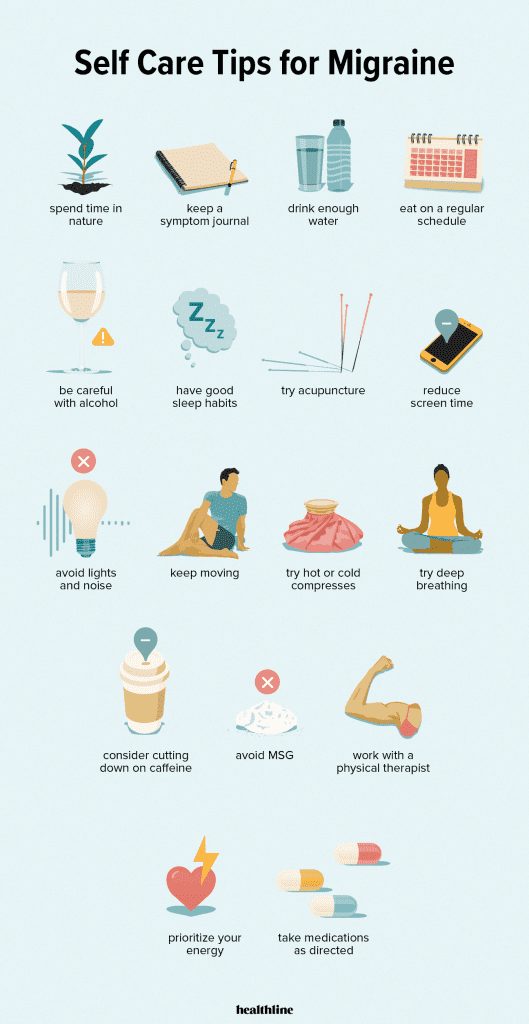
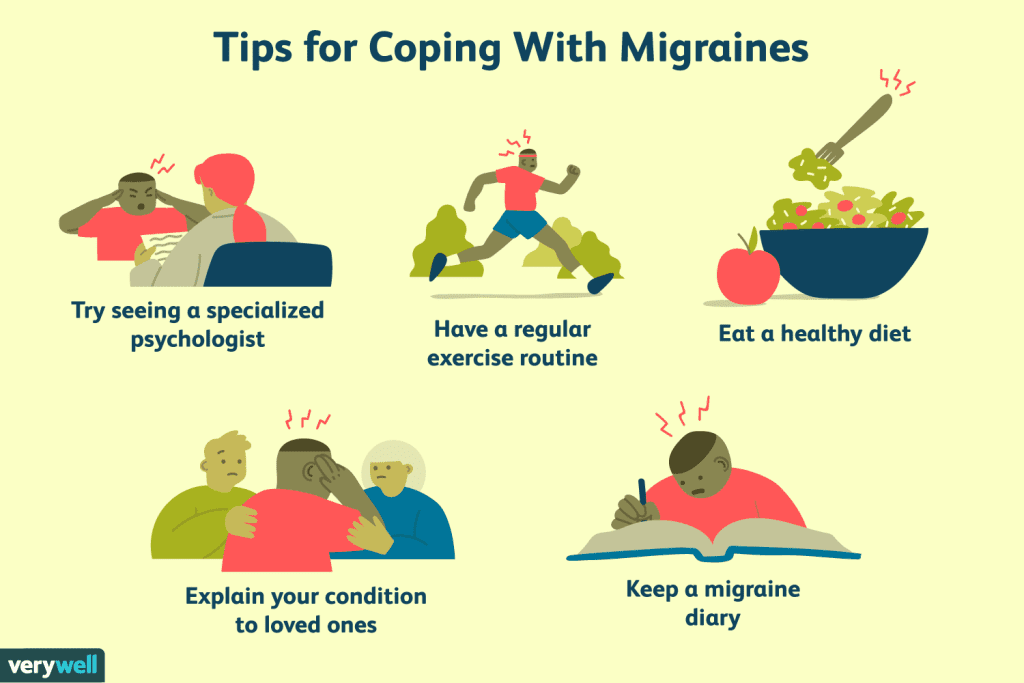
Keeping a migraine diary can be incredibly helpful in understanding your migraines and identifying patterns. In your diary, make note of when your migraines occur, the duration and intensity of the pain, any potential triggers, as well as any accompanying symptoms you experience. This information will provide valuable insights for your healthcare professional and help guide your treatment plan.
Consult a healthcare professional
Speaking with a healthcare professional is essential in managing chronic migraines. They can help you better understand your condition, identify triggers, and recommend appropriate treatment options. They may also be able to prescribe medications or refer you to specialists who can provide further assistance. Remember, seeking professional help is an important step towards finding relief from chronic migraines.
Lifestyle Changes to Reduce Migraine Frequency and Severity
Maintain a regular sleep schedule
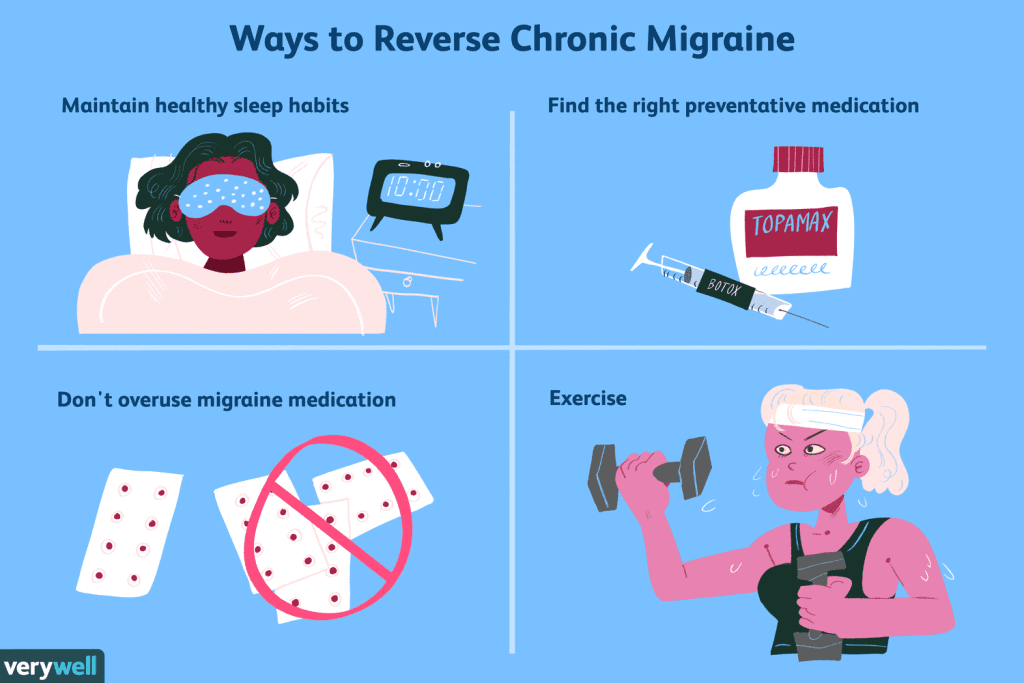
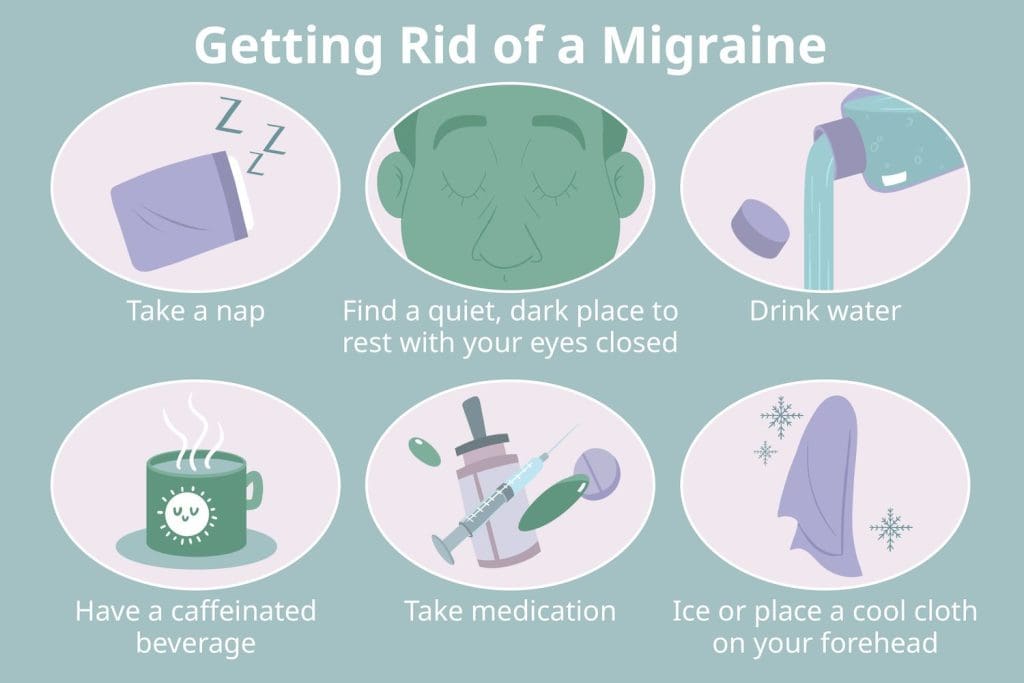
Having a consistent and adequate sleep schedule is crucial for migraine management. Aim to go to bed and wake up at the same time every day, even on weekends. Avoiding irregular sleep patterns and getting enough quality sleep can help reduce the frequency and intensity of your migraines.
Follow a nutritious diet
Maintaining a healthy and nutritious diet can play a significant role in managing chronic migraines. Avoiding trigger foods and ensuring you have regular, balanced meals can help stabilize your blood sugar levels and potentially decrease the likelihood of migraines. Consider including foods rich in magnesium, such as spinach, nuts, and whole grains, as magnesium has been shown to help prevent migraines.
Manage stress levels
Stress is a common trigger for migraines, so it is important to find healthy ways to manage stress levels. Engage in relaxing activities like yoga, meditation, or deep breathing exercises. Additionally, consider implementing stress reduction techniques into your daily routine, such as setting aside time for yourself, practicing self-care, and seeking support from friends and family.
Engage in regular exercise
Regular exercise can help reduce the frequency and severity of migraines. Choose low-impact activities like walking, swimming, or cycling, as these are less likely to trigger migraines. It is important to start slowly and gradually increase intensity to avoid triggering migraines. Regular exercise releases endorphins, which are natural pain-relieving chemicals in the body, helping to alleviate migraine symptoms.
Explore Non-Medical Pain Management Techniques
Practice relaxation techniques
Relaxation techniques can have a positive impact on migraine management. Deep breathing exercises, progressive muscle relaxation, and guided imagery are all techniques that can help relax your mind and body, potentially reducing the intensity and duration of migraines. Incorporate these techniques into your daily routine or use them during a migraine attack to find some relief.
Apply hot or cold packs
Applying hot or cold packs to the affected area can provide relief from migraine pain. Experiment with both cold and hot temperatures to see which works best for you. Some individuals find relief with an ice pack or a cold compress, while others may prefer a warm towel or a hot shower. Apply the pack or towel to the back of your neck, forehead, or temples to help alleviate migraine symptoms.
Try acupuncture or acupressure
Acupuncture and acupressure are alternative therapies that can be effective in managing migraines. Acupuncture involves the insertion of thin needles into specific points on the body to stimulate energy flow, while acupressure involves applying pressure to these points using your fingers. Both techniques have been shown to potentially reduce the frequency and severity of migraines. Consult a trained professional to ensure proper administration of these treatments.
Use essential oils or aromatherapy
Some individuals find relief from migraines by using essential oils or engaging in aromatherapy. Lavender, peppermint, and eucalyptus oils, for example, are known to have soothing and calming effects. You can apply a few drops of essential oil to a handkerchief and inhale the scent, add them to a diffuser, or even try a gentle massage with diluted essential oils. Experiment with different oils to find out which ones work best for you.
Consider biofeedback
Biofeedback is a technique that teaches individuals to control certain bodily functions, such as heart rate or muscle tension, through visual and auditory feedback. By learning these self-regulation techniques, you may be able to reduce the frequency and severity of your migraines. Biofeedback sessions are typically conducted by trained professionals who use specialized equipment to monitor and provide feedback on the body’s physiological responses.
Medications for Chronic Migraines
Over-the-counter pain relievers
Over-the-counter pain relievers, such as ibuprofen, acetaminophen, or aspirin, can often provide temporary relief from migraine pain. However, it is important to use these medications as directed and not exceed the recommended dosage to avoid potential side effects. If over-the-counter options are not effective, consult your healthcare professional for stronger prescription medications.
Prescription medications
There are several prescription medications available to help prevent or manage chronic migraines. These medications may include beta-blockers, antidepressants, anti-seizure medications, or triptans. It is essential to talk to your healthcare professional about the benefits and potential side effects of each medication to determine the best option for your specific condition.
Botox injections
Botox injections have been approved by the FDA as a preventive treatment for chronic migraines. By injecting Botox into specific muscles of the head and neck, the release of certain chemicals that contribute to migraine pain is blocked. Botox injections are typically administered by healthcare professionals in a clinical setting and may require multiple sessions for maximum effectiveness.
CGRP inhibitors
Calcitonin gene-related peptide (CGRP) inhibitors are a relatively new class of drugs specifically developed for the prevention of migraines. These medications work by blocking the CGRP receptor, which plays a significant role in the development of migraines. CGRP inhibitors are available in both injection and oral forms and may be recommended by your healthcare professional for the prevention of chronic migraines.
Behavioral Therapies for Chronic Migraines
Cognitive-behavioral therapy (CBT)
Cognitive-behavioral therapy (CBT) is a form of psychotherapy that focuses on identifying and changing negative thought patterns and behaviors. It can be an effective treatment option for chronic migraines, as it helps individuals manage stress, identify triggers, and develop coping strategies. Through CBT, you can learn helpful techniques to reduce the frequency and impact of migraines.
Biofeedback training
Biofeedback training is a behavioral therapy technique that involves using sensors to measure bodily functions, such as heart rate or muscle tension, and providing immediate feedback. By learning to control these functions, individuals can have more control over their migraines. Biofeedback training is typically conducted by trained professionals who guide you through various exercises that help manage migraine symptoms.
Stress management techniques
Stress management techniques, such as relaxation exercises, meditation, or mindfulness, can be valuable tools in managing chronic migraines. These techniques help reduce stress levels, which can contribute to the frequency and severity of migraines. Incorporate stress management practices into your daily routine and find the techniques that work best for you.
Complementary and Alternative Medicine Approaches
Herbal supplements and vitamins
Some individuals find relief from chronic migraines through the use of herbal supplements and vitamins. Supplements such as butterbur, feverfew, riboflavin (vitamin B2), or magnesium have been associated with migraine prevention in some studies. However, it is important to consult with a healthcare professional before adding any supplements to your routine, as some may interact with medications or have potential side effects.
Mind-body practices
Mind-body practices, such as yoga, tai chi, or meditation, can help manage chronic migraines by promoting relaxation and stress reduction. These practices focus on the connection between the mind and body, allowing individuals to find a sense of calm and balance. Incorporating mind-body practices into your daily routine can contribute to overall well-being and potentially reduce the frequency and severity of migraines.
Acupuncture
Acupuncture is a traditional Chinese medicine technique that involves the insertion of thin needles into specific points on the body. It is believed to help rebalance the body’s energy flow and provide relief from various ailments, including migraines. While the exact mechanism behind acupuncture’s effectiveness is still being researched, many individuals report a reduction in the frequency and intensity of migraines after undergoing acupuncture treatment.
Massage therapy
Massage therapy can be beneficial for individuals with chronic migraines. It involves the manipulation of soft tissues in the body to promote relaxation and relieve muscle tension. Massage therapy can help reduce stress, improve blood circulation, and potentially provide relief from migraines. Consider seeking out a licensed massage therapist who specializes in treating migraines to experience the maximum benefits.
Supportive Therapies and Practices for Migraine Relief
Migraine-specific supplements
In addition to herbal supplements, there are specific supplements available that target migraine relief. These supplements may contain a combination of vitamins, minerals, and herbs that have been shown to potentially reduce the severity and frequency of migraines. Again, it is important to consult with a healthcare professional before starting any new supplements to ensure they are safe and appropriate for your specific condition.
Relaxation exercises
Relaxation exercises, such as deep breathing, guided imagery, or progressive muscle relaxation, can help alleviate migraine symptoms. These techniques promote a state of relaxation and reduce stress, potentially reducing the intensity and duration of migraines. Incorporate relaxation exercises into your daily routine, both as a preventive measure and during a migraine attack, to find relief.
Hydration techniques
Dehydration can be a trigger for migraines, so it is essential to stay properly hydrated. In addition to drinking enough water throughout the day, consider incorporating hydrating techniques such as sipping herbal teas, eating water-rich foods like fruits and vegetables, or using electrolyte-replenishing drinks. Maintaining proper hydration can potentially decrease the frequency of migraines.
Chiropractic care
Chiropractic care focuses on the diagnosis and treatment of musculoskeletal disorders, including migraines. Chiropractors use hands-on spinal manipulation and other manual therapies to improve spinal function and alleviate pain. Some individuals find relief from migraines through chiropractic adjustments, which aim to reduce tension and improve nervous system functioning. Consult with a licensed chiropractor experienced in treating migraines to see if this treatment option is right for you.
Physical therapy
Physical therapy can be beneficial for individuals with chronic migraines, especially those who experience neck or shoulder tension contributing to their headaches. Physical therapists can develop personalized exercise programs to improve posture, increase range of motion, and strengthen supporting muscles. This can potentially reduce the frequency and intensity of migraines. Consult with a physical therapist who specializes in migraine management to explore this treatment option.
Technology-Based Solutions for Migraine Management
Migraine tracking apps
Migraine tracking apps can help you keep a record of your migraines, including the frequency, severity, accompanying symptoms, and potential triggers. These apps often provide features that allow you to trend your migraines over time and identify patterns. By using a migraine tracking app, you can gain valuable insights into your condition, monitor the effectiveness of treatment options, and share comprehensive data with your healthcare professional.
Wearable devices for migraine relief
Advances in technology have led to the development of wearable devices specifically designed to provide relief for migraines. These devices use various mechanisms, such as nerve stimulation or pressure points, to alleviate migraine symptoms. While the effectiveness of wearable devices may vary from person to person, they are worth considering as a non-invasive and drug-free option for migraine management.
Virtual reality therapy
Virtual reality therapy is an emerging treatment option for chronic migraines. By immersing yourself in a virtual environment, this therapy aims to distract the brain from pain signals and provide relief. Virtual reality therapy can be performed under the guidance of healthcare professionals and may require specialized equipment. Research is ongoing, but some individuals have reported positive results in reducing the intensity and duration of migraines.
Transcranial magnetic stimulation (TMS)
Transcranial magnetic stimulation (TMS) is a non-invasive procedure that uses electromagnetic induction to stimulate specific areas of the brain. It is being studied as a potential treatment option for migraines, particularly chronic migraines that do not respond well to other treatments. TMS sessions are typically conducted in a healthcare professional’s office and require multiple sessions for maximum effectiveness.

Creating a Migraine-Friendly Environment
Ensuring a dark and quiet space
Creating a dark and quiet environment can provide relief during a migraine attack. Close curtains or blinds to block out sunlight, and minimize noise by turning off televisions or radios. Use earplugs or soothing white noise machines to mask unwanted sounds. By creating a calm and serene space, you can help reduce the intensity and discomfort of migraines.
Using migraine-friendly lighting
Certain types of lighting, such as fluorescent lights or bright LEDs, can trigger migraines for some individuals. Consider using soft, warm lighting in your home and workspace to minimize the risk of migraines. If you need to be in environments with fluorescent lighting, try wearing blue-light-blocking glasses to help reduce the potential impact.
Minimizing screen time
Excessive screen time can strain your eyes and potentially trigger migraines. Take regular breaks, practice the 20-20-20 rule (look away from screens every 20 minutes, focusing on an object 20 feet away for 20 seconds), and adjust the brightness and font sizes on your devices to prevent eyestrain. Minimizing screen time can help reduce the risk of migraines and improve overall eye health.
Seeking Support and Education for Chronic Migraines
Joining support groups
Connecting with others who understand the challenges of living with chronic migraines can be incredibly helpful. Consider joining support groups, either in-person or online, where you can share experiences, learn coping strategies, and receive emotional support. Support groups provide a safe space for individuals to discuss their journey with migraines and offer each other guidance and encouragement.
Attending educational workshops
Educational workshops focused on migraines can provide valuable information and tools to better manage your condition. These workshops often cover various aspects of migraine management, including triggers, treatment options, and self-care techniques. By attending these workshops, you can gain a deeper understanding of your migraines and learn strategies for better management.
Engaging in online forums
Online forums dedicated to migraines are another great resource for support and education. They provide an opportunity to connect with individuals from around the world who are experiencing similar challenges. By engaging in online forums, you can ask questions, share stories, and learn from the experiences of others. Just remember to always rely on professional advice and use forums as a supplementary resource.
In conclusion, managing chronic migraines requires a comprehensive approach that includes understanding triggers, making lifestyle changes, exploring non-medical and medical treatment options, and creating a migraine-friendly environment. By implementing the strategies outlined in this article, seeking professional guidance, and connecting with support networks, you can improve your quality of life and find relief from chronic migraine pain. Remember, never hesitate to consult with a healthcare professional for personalized advice and treatment options tailored to your specific needs.