Have you ever wondered how you can tap into the wisdom of ancient cultures to enhance your well-being in today’s fast-paced world? “Incorporating Ancient Healing Practices Into Modern Life” explores the fascinating realm of blending age-old healing techniques with our modern lifestyles. From Ayurveda to Traditional Chinese Medicine, this article introduces you to a myriad of ancient practices that can support a balanced and holistic approach to health and wellness. Discover the power of mindfulness, herbal remedies, and energy healing, as we explore how these age-old practices can bring harmony and tranquility into your everyday life.
Mindfulness and Meditation
Practicing Mindfulness
Practicing mindfulness involves bringing your attention to the present moment and cultivating a non-judgmental awareness of your thoughts, feelings, and bodily sensations. It is about being fully present, without getting caught up in the past or worrying about the future. Mindfulness can be practiced in various ways, such as meditation, mindful eating, or even simply paying attention to your breath. By practicing mindfulness, you can enhance your overall well-being and develop a greater sense of clarity and peace in your life.
Various Meditation Techniques
Meditation is a popular practice that can help you cultivate mindfulness and achieve a state of deep relaxation and tranquility. There are several different meditation techniques you can explore, including mindfulness meditation, loving-kindness meditation, and transcendental meditation. Mindfulness meditation involves focusing your attention on the breath or body sensations, while loving-kindness meditation involves cultivating feelings of compassion and goodwill towards yourself and others. Transcendental meditation is a technique that uses a specific mantra to help quiet the mind and access a state of pure awareness. Trying out different meditation techniques can help you find the one that resonates with you the most.
Benefits of Mindfulness and Meditation
The practice of mindfulness and meditation offers numerous benefits for both your physical and mental well-being. Research has shown that regular mindfulness and meditation practice can help reduce stress, anxiety, and depression. It can also improve your focus, attention, and memory. By integrating mindfulness and meditation into your daily routine, you may experience improved sleep, increased self-awareness, and a greater ability to cope with challenging situations. These practices can empower you to live a more conscious and fulfilling life, promoting overall wellness.
Yoga and Ayurveda
Understanding Yoga and Ayurveda
Yoga and Ayurveda are ancient healing practices that originated in India thousands of years ago. Yoga, derived from the Sanskrit word “yuj,” means union and is a holistic practice that aims to harmonize the body, mind, and spirit. It involves physical postures (asanas), breathing exercises (pranayama), and meditation (dhyana). Ayurveda, on the other hand, is a holistic system of medicine that focuses on balancing the body, mind, and spirit through personalized lifestyle and dietary practices, as well as herbal remedies. It recognizes that each person has a unique constitution and emphasizes the importance of maintaining balance to prevent illness and promote well-being.
Benefits of Yoga and Ayurveda
The benefits of practicing yoga and incorporating Ayurveda into your life are abundant. Yoga can help improve flexibility, strength, and posture, while also promoting relaxation and stress reduction. Regular yoga practice has been linked to improved cardiovascular health, reduced inflammation, and enhanced mental well-being. Similarly, Ayurveda offers a wealth of benefits, such as improved digestion, increased energy levels, and a strengthened immune system. By combining the practices of yoga and Ayurveda, you can experience a comprehensive approach to achieving optimal health and well-being.
Incorporating Yoga and Ayurveda into Daily Life
Incorporating yoga and Ayurveda into your daily life doesn’t have to be complicated. Start by setting aside time each day for a yoga practice, whether it’s a full-length class or a shorter session at home. You can also incorporate Ayurvedic principles into your diet by choosing whole, unprocessed foods and favoring those that balance your unique constitution. Additionally, practicing self-care rituals, such as oil massages (abhyanga) or engaging in mindful activities, can help foster a greater sense of well-being. By making these practices a part of your daily routine, you can experience the transformative benefits of yoga and Ayurveda in your life.
Herbal Medicine
Traditional Herbal Remedies
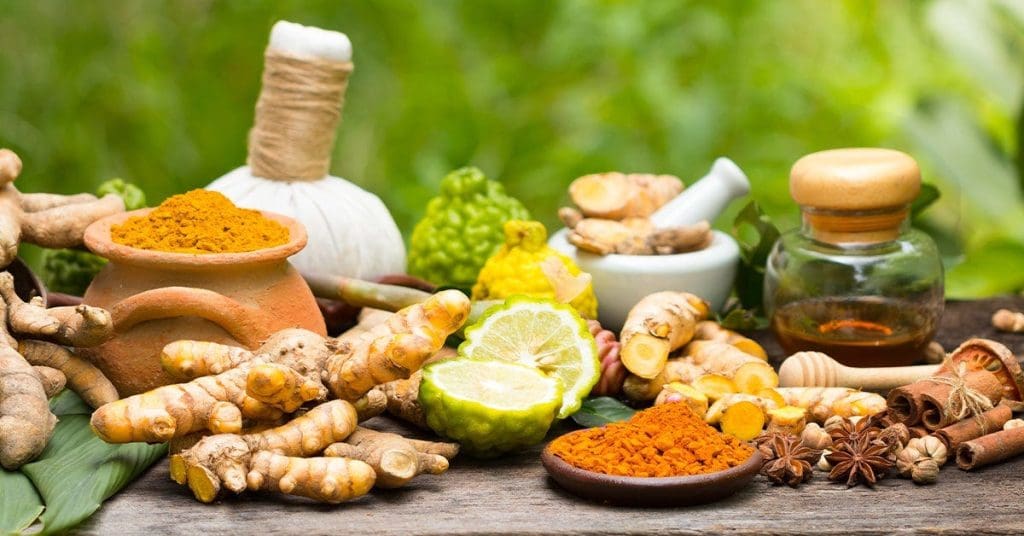
Herbal medicine has been used for centuries as a natural and holistic approach to promoting health and well-being. Traditional herbal remedies utilize the healing properties of plants to prevent, treat, and alleviate various ailments. Different cultures have their own traditional herbal practices, such as Chinese herbal medicine, Ayurvedic medicine, and Native American herbalism. Common herbs used in traditional herbal medicine include chamomile for relaxation, ginger for digestion, and lavender for stress relief. Whether in the form of teas, tinctures, or supplements, traditional herbal remedies can offer a gentle and effective way to support your body’s natural healing processes.
Benefits of Herbal Medicine
The benefits of herbal medicine extend beyond alleviating physical symptoms. Herbal remedies are often seen as a holistic approach that considers the interconnectedness of the body, mind, and spirit. Unlike synthetic medications, herbal medicine tends to have fewer side effects. Some herbs, such as turmeric and echinacea, have potent anti-inflammatory and immune-boosting properties, while others, like St. John’s Wort, can help support mental well-being. Additionally, herbal medicine often focuses on addressing the root causes of illness, rather than merely masking symptoms. By incorporating herbal remedies into your wellness routine, you can embrace the healing power of nature and experience a more balanced and vibrant life.
Integrating Herbal Medicine
Integrating herbal medicine into your life can be done in various ways. Start by educating yourself about different herbs and their medicinal properties. Consider consulting with a qualified herbalist or naturopath who can guide you in selecting appropriate herbal remedies based on your specific needs and health goals. You can incorporate herbal remedies into your daily routine by drinking herbal teas, taking herbal supplements, or using herbal preparations, such as balms or oils. Remember to start with small doses and pay attention to how your body responds. With time, you can develop a deeper understanding of herbs and their healing potential, integrating them into your self-care practices for long-term well-being.
Acupuncture
History and Principles of Acupuncture
Acupuncture is an ancient healing practice that originated in China over 2,500 years ago. It is based on the principle that our bodies are traversed by a network of meridians or pathways through which vital energy, known as Qi, flows. According to traditional Chinese medicine (TCM), illness and pain occur when the flow of Qi is blocked or imbalanced. Acupuncture involves inserting thin needles into specific points along the meridians to stimulate the body’s natural healing mechanisms and restore balance. It is believed to promote the flow of Qi, enhance circulation, and regulate the body’s energy flow.
Benefits of Acupuncture
Acupuncture has gained recognition in modern healthcare for its potential to address a wide range of conditions and promote overall well-being. Research has shown that acupuncture can effectively alleviate chronic pain, such as back pain, migraines, and arthritis. It has also been found to reduce inflammation, boost the immune system, and improve sleep quality. Acupuncture’s ability to induce relaxation and reduce stress is another valuable benefit. Additionally, acupuncture is typically safe when performed by a licensed and qualified practitioner, making it a viable option for those seeking non-pharmacological approaches to healing.
Incorporating Acupuncture into Modern Healthcare
Incorporating acupuncture into modern healthcare involves recognizing its value as a complementary therapy alongside conventional medical treatments. If you are considering acupuncture, it is crucial to seek a qualified acupuncturist who is licensed and follows proper safety protocols. Discuss your health concerns, goals, and any existing medical conditions with your acupuncturist to ensure a personalized treatment plan. Acupuncture can be integrated into your healthcare routine as a standalone treatment or in conjunction with other therapies. Regular acupuncture sessions can help support your body’s natural healing processes and contribute to your overall well-being.

Traditional Chinese Medicine
Overview of Traditional Chinese Medicine
Traditional Chinese Medicine (TCM) is a comprehensive system of healthcare that encompasses various practices and modalities to promote balance and well-being. TCM is rooted in the belief that the body, mind, and spirit are interconnected and constantly influenced by internal and external factors. It includes acupuncture, herbal medicine, dietary therapy, massage (tui na), and exercises like qigong and tai chi. TCM focuses on the concept of Yin and Yang, and the harmonious balance of the body’s vital substances, such as Qi, blood, and fluids. This ancient healing system is based on thousands of years of observation, diagnosis, and treatment.
Practices and Techniques
TCM encompasses a range of practices and techniques aimed at restoring balance and optimizing health. Acupuncture, as discussed earlier, involves the insertion of needles into specific points to regulate the flow of Qi. Herbal medicine is another fundamental aspect of TCM, using combinations of herbs to create personalized formulas for various conditions. Dietary therapy in TCM emphasizes the impact of food on health and employs specific foods to restore balance. Tui na, a form of Chinese therapeutic massage, helps stimulate the flow of Qi and blood. Qigong and tai chi are gentle movement practices that promote harmony and cultivate energy.
Modern Applications of Traditional Chinese Medicine
In recent years, Traditional Chinese Medicine has gained recognition and integration into modern healthcare systems worldwide. Many people are seeking TCM as a complementary approach to conventional medicine. TCM therapies, such as acupuncture and herbal medicine, are increasingly used to address chronic pain, digestive disorders, respiratory conditions, and psychological well-being. Integrative clinics and hospitals are incorporating TCM services to offer patients a broader range of treatment options. By embracing TCM, individuals can engage in a holistic approach that addresses mind, body, and spirit, leading to improved overall health and well-being.
Energy Healing
Understanding Energy Healing
Energy healing is based on the principle that everything in the universe, including our bodies, is composed of energy. It recognizes that disruptions or imbalances in the flow of energy can lead to physical, emotional, and spiritual ailments. Energy healing techniques aim to restore balance, harmony, and optimal flow of energy within the body. Practices like Reiki, Healing Touch, and Qi Gong work with the body’s energy field to promote self-healing and overall well-being. Energy healing operates on the belief that the body has innate healing abilities and that by tapping into this energy, one can experience profound healing and transformation.
Different Types of Energy Healing
Energy healing encompasses various modalities, each with its own unique approach and techniques. Reiki, a Japanese technique, involves the gentle laying on of hands to channel healing energy to promote relaxation, stress reduction, and physical healing. Healing Touch utilizes touch to restore balance and harmony within a person’s energy field, supporting the body’s natural healing process. Qi Gong, an ancient Chinese practice, combines movement, breathwork, and intention to cultivate Qi and promote health. Other energy healing modalities include crystal healing, sound healing, and biofield therapies. Exploring different types of energy healing can help you find the one that resonates with you and brings about the desired results.
Incorporating Energy Healing into Daily Life
Incorporating energy healing into your daily life does not have to be complex or time-consuming. Starting with simple self-care practices can go a long way in promoting energy balance and well-being. Taking a few minutes each day to breathe deeply, practice visualization, or perform gentle stretching exercises can help promote inner calmness and energy flow. Additionally, seeking out certified energy healing practitioners for sessions can provide deeper healing and support. Regular energy healing sessions can help alleviate stress, promote relaxation, and enhance overall vitality. By integrating these practices into your daily routine, you can tap into the powerful energy within you and experience greater well-being.

Sound Therapy
Understanding Sound Therapy
Sound therapy is a healing modality that utilizes sound vibrations to promote relaxation, balance, and well-being. It recognizes that sound has a profound effect on our bodies and can influence our emotions, thoughts, and physical state. Sound therapy involves the use of various tools, such as singing bowls, tuning forks, and gongs, to produce specific frequencies and vibrations. These sounds can help entrain the brainwaves, induce a meditative state, and promote healing on a cellular level. Sound therapy can be experienced through individual sessions, group sound baths, or by incorporating specific sound healing techniques into your daily routine.
Benefits of Sound Therapy
Sound therapy offers a wide range of benefits for both the body and mind. It can help reduce stress, anxiety, and promote deep relaxation. The vibrations produced by sound healing instruments can help release tension and blockages within the body, promoting physical healing and pain relief. Sound therapy has also been found to improve sleep quality, enhance mood, and increase overall energy levels. Additionally, it can assist in balancing the chakras, the body’s energy centers, and promoting emotional well-being. The harmonic vibrations of sound therapy have a profound effect on the body’s energy field, promoting a sense of harmony and wellness.
Incorporating Sound Therapy into Daily Routine
Incorporating sound therapy into your daily routine does not have to be complicated. Just a few minutes of intentional listening to calming music or nature sounds can help promote relaxation and calm the mind. You can create your own sound healing space at home by using singing bowls, chimes, or other instruments to experience the healing vibrations firsthand. Participating in group sound baths led by experienced practitioners can also provide a deeper and more immersive sound healing experience. Find what resonates with you and make sound therapy a part of your daily routine to benefit from its powerful healing effects.
Aromatherapy
History and Uses of Aromatherapy
Aromatherapy is the practice of using essential oils extracted from plants to promote physical, emotional, and spiritual well-being. It has been used for centuries by various cultures for healing purposes and to enhance overall health. Essential oils are highly concentrated substances that contain the aromatic compounds of plants. When inhaled or applied topically, these oils can have a profound impact on our mood, cognition, and physical health. Different oils have different therapeutic properties. For example, lavender is known for its calming and soothing effects, while peppermint can help invigorate and improve focus.
Benefits of Aromatherapy
Aromatherapy offers a wide array of benefits for both the mind and body. It can help reduce stress and anxiety, promote relaxation, and improve sleep quality. Essential oils can also have antibacterial, antiviral, and analgesic properties, making them useful in supporting the immune system and alleviating pain. Aromatherapy has been shown to enhance mood, boost cognitive function, and reduce symptoms of depression. Furthermore, it is a natural and non-invasive approach to healing, making it a safe and accessible option for many individuals.
Incorporating Aromatherapy into Everyday Life
Incorporating aromatherapy into your everyday life is simple and enjoyable. Aromatherapy can be experienced through various methods, such as diffusion, inhalation, or topical application. Diffusers can be used to disperse essential oils into the air, creating a soothing and aromatic environment. Inhalation can be done by inhaling the scent directly from a bottle, using a personal inhaler, or adding a few drops to a warm bath. Topical application involves diluting essential oils with a carrier oil, such as almond or jojoba oil, and applying the mixture to the skin. Incorporate aromatherapy into your daily routine by using specific oils to create a calming atmosphere, uplift your mood, or support your overall well-being.

Chiropractic Care
Understanding Chiropractic Care
Chiropractic care is a healthcare discipline that focuses on the diagnosis and treatment of musculoskeletal disorders, particularly those affecting the spine. Chiropractors are trained to perform manual adjustments and manipulations to the spine and other joints to correct misalignments and restore proper function. The goal of chiropractic care is to promote optimal spinal health, improve nervous system function, and enhance the body’s natural ability to heal itself. Chiropractors also provide guidance on posture, exercise, and lifestyle modifications to support overall health and well-being.
Benefits of Chiropractic Care
Chiropractic care offers a range of benefits for individuals seeking natural approaches to health and well-being. One of the main benefits of chiropractic care is pain relief, particularly for conditions such as back pain, neck pain, and headaches. Chiropractic adjustments can help improve spinal alignment, reduce inflammation, and alleviate pressure on nerves, leading to pain reduction. Chiropractic care can also improve joint function, enhance flexibility, and promote better posture. By addressing underlying musculoskeletal imbalances, chiropractic care can improve overall physical performance and contribute to a better quality of life.
Incorporating Chiropractic Techniques
Incorporating chiropractic techniques into your wellness routine starts with finding a qualified and licensed chiropractor who can provide appropriate care for your specific needs. During the initial consultation, the chiropractor will assess your health history, conduct a physical examination, and develop a personalized treatment plan. Chiropractic techniques may include manual adjustments, spinal decompression, soft tissue therapy, and rehabilitative exercises. In addition to in-office treatments, your chiropractor may recommend lifestyle modifications, ergonomic adjustments, and exercises you can do at home to support your progress. Regular chiropractic visits can help optimize spinal health and maintain overall well-being.
Massage Therapy
Different Types of Massage Therapy
Massage therapy is a hands-on practice that involves manipulating the muscles, joints, and soft tissues of the body to promote relaxation, relieve pain, and enhance overall well-being. There are various types of massage therapy, each with its own techniques and benefits. Swedish massage is a gentle form of massage that uses long, flowing strokes to promote relaxation and improve circulation. Deep tissue massage utilizes more pressure and focuses on releasing tension in the deeper layers of muscles. Sports massage is often used to prevent or treat injuries and improve athletic performance. Other types of massage therapy include Thai massage, hot stone massage, and aromatherapy massage.
Benefits of Massage Therapy
Massage therapy offers numerous benefits for both the body and mind. Beyond the relaxation and stress relief it provides, massage therapy has been shown to improve circulation, reduce muscle tension, and enhance joint flexibility. It can help alleviate chronic pain, such as headaches, backaches, and fibromyalgia. Massage therapy can also support mental well-being by reducing anxiety and depression, promoting better sleep, and increasing feelings of relaxation and overall happiness. By improving circulation and lymphatic flow, massage therapy can boost the immune system and aid in detoxification. Regular massage sessions can contribute to your overall health and wellness.
Incorporating Massage into Self-Care Routine
Incorporating massage therapy into your self-care routine can be a rewarding and rejuvenating experience. Schedule regular appointments with a licensed massage therapist who specializes in the type of massage that aligns with your goals and needs. Consider discussing your specific areas of concern and any medical conditions with the therapist to ensure a tailored treatment plan. Additionally, you can supplement professional massage sessions with self-massage techniques at home, using tools such as foam rollers or massage balls. Practicing self-massage can help relieve muscle tension, improve circulation, and enhance your overall well-being in between professional sessions. Remember to prioritize self-care and make massage therapy a regular part of your wellness routine.