
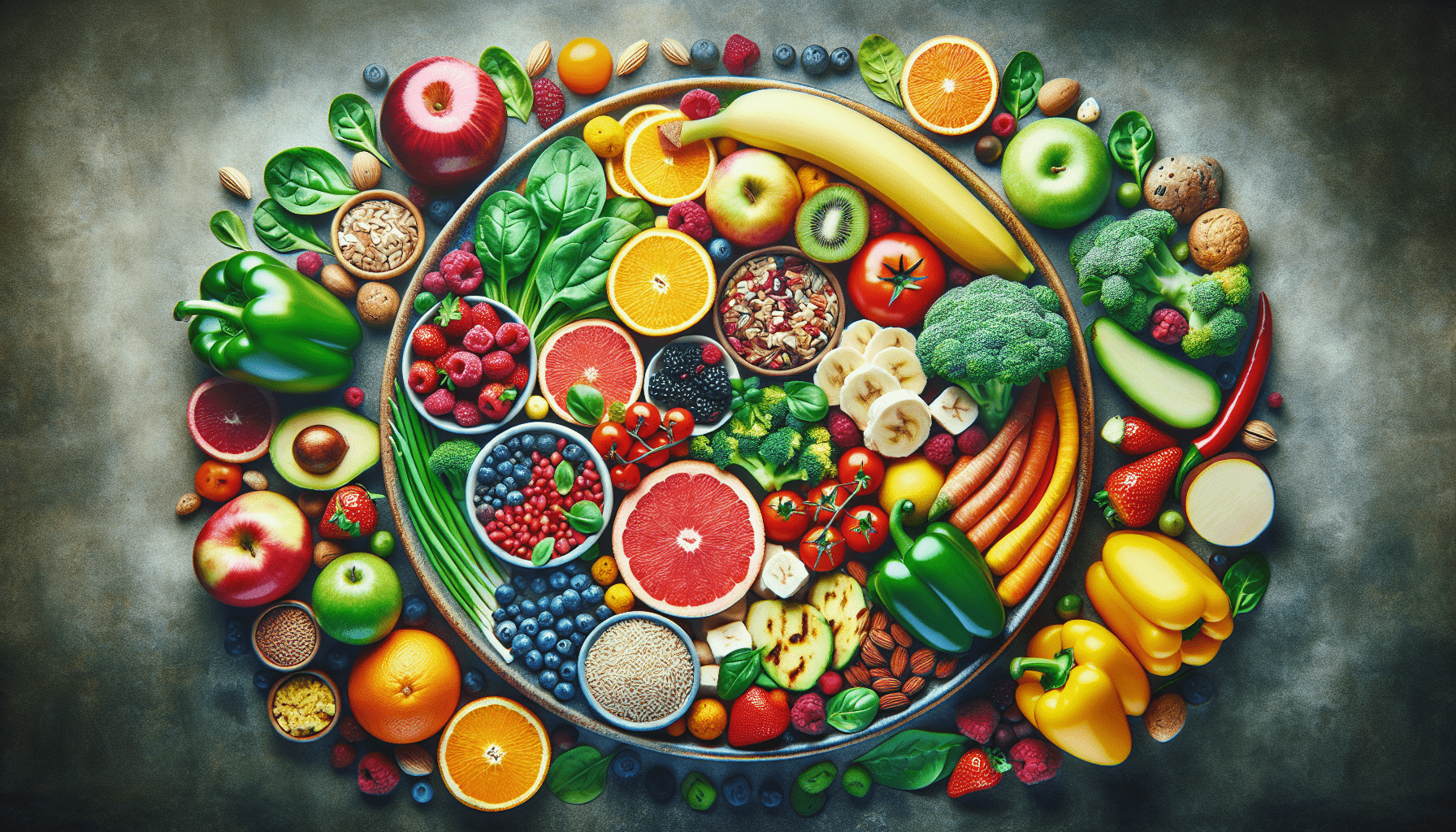
Welcome to a comprehensive guide on the best practices for nutrition and diet for men’s health! In this article, you will learn about the importance of maintaining a well-balanced diet and how it can positively impact your overall health and well-being. From the benefits of incorporating nutrient-rich foods to the significance of staying hydrated, we will explore various tips and strategies to help you prioritize your health through proper nutrition and diet. Stay tuned for valuable insights and practical advice to optimize your health and vitality as a man. Have you been looking to improve your overall health and well-being as a man? A great place to start is by focusing on your nutrition and diet. What you eat plays a significant role in your body’s performance, energy levels, and overall health. By making some simple changes to your eating habits, you can make a big impact on your quality of life. In this article, we will explore the best practices for nutrition and diet for men’s health, providing you with practical tips and information to help you make healthier choices that will benefit your body and mind. Let’s dive in!

The Importance of Nutrition for Men’s Health
Eating a well-balanced diet is essential for every man’s overall health and well-being. Proper nutrition provides your body with the necessary nutrients it needs to function optimally, maintain healthy body weight, and reduce the risk of various chronic diseases. It can also improve your energy levels, mood, and cognitive function.
When you eat a healthy diet, you are more likely to have better physical and mental health, which can positively impact your performance at work, in the gym, and in all aspects of your life. As a man, it’s crucial to pay attention to what you eat and make mindful choices that support your health goals.
How Nutrition Impacts Men’s Health
Nutrition plays a vital role in many aspects of men’s health, including:
- Muscle building and maintenance: Consuming adequate protein is crucial for building and maintaining muscle mass, which is essential for overall strength and physical performance.
- Weight management: Eating a balanced diet can help you maintain a healthy weight, which is important for reducing the risk of obesity-related health conditions.
- Heart health: A diet low in saturated fat, cholesterol, and sodium and high in fruits, vegetables, whole grains, and lean proteins can help lower the risk of heart disease.
- Mental health: Nutrient-rich foods can support your brain health and cognitive function, helping to reduce the risk of depression, anxiety, and cognitive decline.
- Energy levels: Eating a balanced diet with a variety of nutrients can help stabilize your energy levels throughout the day, keeping you feeling energized and focused.
The Benefits of Proper Nutrition for Men
Eating a healthy diet offers numerous benefits for men’s health, such as:
- Improved physical performance: Proper nutrition provides your body with the fuel it needs to perform well in sports, exercise, and other physical activities.
- Better hormone balance: Certain nutrients can support healthy testosterone levels, which are crucial for muscle growth, mood regulation, and overall well-being.
- Reduced inflammation: A diet high in anti-inflammatory foods can help reduce inflammation in the body, which is linked to various chronic diseases.
- Enhanced mental clarity: Eating a nutrient-rich diet can improve your cognitive function, memory, and focus, helping you perform better at work and in everyday tasks.
- Longer lifespan: A healthy diet can help you live a longer, healthier life by reducing the risk of chronic diseases like heart disease, diabetes, and cancer.
Incorporating nutritious foods into your daily diet can have a profound impact on your overall health and well-being as a man. By making small changes to your eating habits, you can reap the benefits of proper nutrition and improve your quality of life.
Essential Nutrients for Men’s Health
To maintain optimal health as a man, it’s important to ensure you are getting an adequate intake of essential nutrients through your diet. These nutrients are vital for various bodily functions, and deficiencies can lead to a range of health issues. Here are some essential nutrients that men should include in their diet:
Protein
Protein is a crucial nutrient for men, as it is essential for muscle building, repair, and maintenance. Men who are physically active, such as athletes or bodybuilders, may require higher amounts of protein to support their muscle mass and performance. Good sources of protein include lean meats, poultry, fish, eggs, dairy products, legumes, and nuts.
Fiber
Fiber is important for digestive health, weight management, and heart health. Men should aim to consume an adequate amount of fiber each day to support regular bowel movements, reduce the risk of constipation, and lower cholesterol levels. Fiber-rich foods include whole grains, fruits, vegetables, legumes, nuts, and seeds.
Omega-3 Fatty Acids
Omega-3 fatty acids are beneficial for heart health, brain function, and reducing inflammation in the body. Men should include sources of omega-3s in their diet, such as fatty fish (salmon, mackerel, sardines), flaxseeds, chia seeds, walnuts, and algae oil. Omega-3 supplements are also available for those who do not consume enough of these essential fats through their diet.
Vitamins and Minerals
Vitamins and minerals are essential for various bodily functions, such as energy production, immune function, and bone health. Men should ensure they are getting an adequate intake of vitamins and minerals through a balanced diet rich in fruits, vegetables, whole grains, lean proteins, and dairy products. Some key vitamins and minerals for men’s health include vitamin D, vitamin B12, magnesium, zinc, and potassium.
Water
Staying hydrated is crucial for men’s health, as water is essential for digestion, circulation, temperature regulation, and overall well-being. Men should aim to drink an adequate amount of water each day to prevent dehydration and support optimal bodily functions. Water-rich foods like fruits and vegetables can also contribute to your daily fluid intake.
Ensuring you are getting enough of these essential nutrients through your diet can help support your overall health and well-being as a man. It’s essential to eat a variety of nutrient-rich foods to meet your body’s needs and maintain optimal health.

How to Build a Balanced Diet for Men’s Health
Building a balanced diet that meets your nutritional needs as a man is key to supporting your overall health and well-being. A balanced diet should include a variety of foods from different food groups to ensure you are getting a wide range of nutrients. Here are some tips for building a balanced diet for men’s health:
Include a Variety of Foods
Eating a diverse range of foods can help you get the nutrients your body needs to function optimally. Include a variety of fruits, vegetables, whole grains, lean proteins, dairy products, and healthy fats in your diet to ensure you are getting a broad spectrum of nutrients.
Focus on Whole Foods
Whole foods are minimally processed and provide more nutrients than processed foods high in added sugars, unhealthy fats, and artificial ingredients. Choose whole, nutrient-dense foods like fruits, vegetables, whole grains, lean proteins, nuts, seeds, and legumes to promote good health and well-being.
Practice Portion Control
Controlling your portion sizes can help you manage your weight, prevent overeating, and ensure you are getting the right balance of nutrients. Use measuring cups, food scales, or visual cues to determine appropriate portion sizes and avoid consuming more calories than your body needs.
Limit Processed Foods and Added Sugars
Processed foods are often high in unhealthy fats, added sugars, salt, and artificial ingredients that can negatively impact your health. Limit your intake of processed foods like sugary snacks, desserts, fast food, and sugary beverages to reduce the risk of obesity, diabetes, heart disease, and other health issues.
Cook Meals at Home
Cooking meals at home allows you to control the ingredients you use, portion sizes, and cooking methods. When you prepare your meals, you can choose healthier cooking oils, reduce the amount of salt and sugar, and incorporate more nutrient-rich ingredients that support your health goals.
Plan Ahead
Planning your meals and snacks ahead of time can help you make healthier choices and avoid reaching for convenience foods or fast food when you are hungry. Take the time to create a weekly meal plan, grocery shop for nutritious foods, and prepare meals in advance to support your healthy eating habits.
Seek Professional Guidance
If you are unsure how to build a balanced diet or have specific dietary requirements, consider seeking guidance from a registered dietitian or nutritionist. These professionals can help you create a personalized meal plan that meets your nutritional needs, supports your health goals, and addresses any dietary concerns you may have.
By following these tips and implementing them into your daily routine, you can build a balanced diet that supports your overall health and well-being as a man. Making informed choices about the foods you eat can have a positive impact on your physical and mental health, energy levels, and longevity.
The Role of Hydration in Men’s Health
Staying hydrated is essential for men’s health, as water is involved in numerous bodily functions, such as digestion, circulation, temperature regulation, and nutrient absorption. Dehydration can lead to various health issues, including fatigue, headaches, constipation, and impaired physical performance. Here are some tips for staying hydrated and supporting your overall health as a man:
Drink an Adequate Amount of Water
Men should aim to drink at least 3.7 liters (125 ounces) of water per day to stay properly hydrated. The amount of water you need may vary based on your age, weight, activity level, and climate. Keeping a reusable water bottle with you throughout the day can help you track your fluid intake and ensure you are drinking enough water.
Monitor Your Urine Color
Monitoring the color of your urine can help you assess your hydration status. Clear or pale yellow urine indicates that you are well-hydrated, while dark yellow or amber-colored urine may signal dehydration. Aim to maintain a light yellow color to ensure you are adequately hydrated.
Hydrate Before, During, and After Exercise
Staying hydrated before, during, and after exercise is crucial for maintaining optimal performance, preventing dehydration, and supporting muscle recovery. Drink water before your workout, sip on fluids during exercise, and hydrate post-workout to replenish lost fluids and electrolytes.
Eat Hydrating Foods
In addition to drinking water, you can also hydrate your body by consuming water-rich foods like fruits, vegetables, soups, and smoothies. These foods can contribute to your daily fluid intake and provide essential nutrients that support your health and well-being.
Limit Alcohol and Caffeine Intake
Alcohol and caffeine can have diuretic effects, causing your body to lose fluids and leading to dehydration. Limit your consumption of alcoholic beverages and caffeinated drinks to maintain proper hydration levels and support your overall health.
Be Mindful of Signs of Dehydration
It’s important to be aware of the signs of dehydration, such as thirst, dry mouth, dark urine, fatigue, dizziness, and headache. If you experience these symptoms, be sure to drink water, rest, and avoid activities that can further dehydrate your body.
Hydrate Throughout the Day
Instead of waiting until you feel thirsty to drink water, make it a habit to hydrate throughout the day. Sip on water regularly, especially during meals, workouts, and hot days, to maintain proper hydration levels and support your body’s functions.
By paying attention to your hydration levels and making an effort to drink an adequate amount of water each day, you can support your overall health and well-being as a man. Staying hydrated is essential for optimal bodily functions, energy levels, and physical performance.

Best Practices for Men’s Nutrition and Diet
Adopting healthy eating habits as a man can have a significant impact on your overall health, well-being, and quality of life. By following best practices for men’s nutrition and diet, you can improve your physical and mental health, lower the risk of chronic diseases, and enhance your energy levels and performance. Here are some best practices to consider:
Eat a Balanced Diet
Aim to eat a balanced diet that includes a variety of foods from different food groups to ensure you are getting all the essential nutrients your body needs. Include fruits, vegetables, whole grains, lean proteins, dairy products, and healthy fats in your meals to promote overall health and well-being.
Prioritize Protein-Rich Foods
Protein is crucial for muscle building, repair, and maintenance, making it an essential nutrient for men’s health. Include protein-rich foods in your diet like lean meats, poultry, fish, eggs, dairy products, legumes, and nuts to support your muscle mass, physical performance, and overall well-being.
Incorporate Healthy Fats
Healthy fats are essential for brain health, hormone production, and reducing inflammation in the body. Include sources of healthy fats in your diet like avocados, nuts, seeds, olive oil, and fatty fish to support your cognitive function, hormone balance, and heart health.
Limit Saturated Fat and Trans Fat
Saturated fat and trans fat can increase cholesterol levels, raise the risk of heart disease, and negatively impact your health. Limit your intake of foods high in saturated and trans fats, such as fried foods, processed meats, baked goods, and full-fat dairy products, to improve your heart health and reduce the risk of chronic diseases.
Monitor Your Sodium Intake
Excessive sodium consumption can increase blood pressure, strain your heart, and lead to various health issues. Monitor your sodium intake by reading food labels, choosing low-sodium options, and seasoning your meals with herbs and spices instead of salt to support your heart health and well-being.
Include Fiber-Rich Foods
Fiber is essential for digestive health, weight management, and heart health. Include fiber-rich foods in your diet like fruits, vegetables, whole grains, legumes, nuts, and seeds to support regular bowel movements, promote satiety, and lower cholesterol levels.
Stay Active and Maintain a Healthy Weight
Regular physical activity and maintaining a healthy weight are important for men’s health and well-being. Exercise regularly, engage in strength training, cardiovascular workouts, and flexibility exercises to support your fitness goals, promote muscle growth, and maintain a healthy weight.
Get Adequate Sleep and Manage Stress
Sleep and stress management play a significant role in men’s health, as they can impact your energy levels, mood, cognitive function, and overall well-being. Prioritize getting enough sleep, managing stress through relaxation techniques, mindfulness, and hobbies to support your mental and physical health.
Practice Mindful Eating
Mindful eating involves paying attention to your hunger and fullness cues, savoring your meals, and making mindful choices about the foods you eat. Practice mindful eating by eating slowly, chewing your food thoroughly, and focusing on the flavors, textures, and sensations of your meals to support your digestion and overall health.
By following these best practices for men’s nutrition and diet, you can make positive changes to your eating habits and lifestyle that will benefit your health and well-being in the long run. Making informed choices about the foods you eat, prioritizing your health and fitness goals, and adopting healthy habits can help you live a healthier, happier life as a man.
Conclusion
In conclusion, paying attention to your nutrition and diet is essential for supporting your overall health and well-being as a man. By making informed choices about the foods you eat, adopting healthy eating habits, and following best practices for men’s nutrition and diet, you can improve your physical and mental health, lower the risk of chronic diseases, and enhance your energy levels and performance.
Remember to focus on eating a balanced diet that includes a variety of foods from different food groups, prioritize protein-rich foods, incorporate healthy fats, limit saturated fat and trans fat, monitor your sodium intake, include fiber-rich foods, stay active, maintain a healthy weight, get adequate sleep, manage stress, practice mindful eating, and stay hydrated throughout the day.
By following these recommendations and making positive changes to your eating habits and lifestyle, you can optimize your health and well-being as a man. Take care of your body, nourish it with nutrient-rich foods, and prioritize your health goals to live a long, healthy, and fulfilling life. Here’s to your health and well-being!