
Welcome to a guide on the best ways to manage chronic conditions in older adults. It’s important to prioritize the well-being of our older loved ones by implementing strategies that can help them manage and improve their health. From regular doctor visits to medication management and lifestyle changes, there are various effective ways to ensure that older adults can live their best lives despite dealing with chronic conditions. Let’s explore some practical tips and techniques that can make a significant difference in their overall health and quality of life. Hey there! Are you or a loved one struggling with managing chronic conditions as an older adult? It can be overwhelming and confusing to navigate the world of healthcare and treatment options. But don’t worry, I’m here to help you explore the best ways to manage chronic conditions effectively. Let’s dive in!
Understanding Chronic Conditions in Older Adults
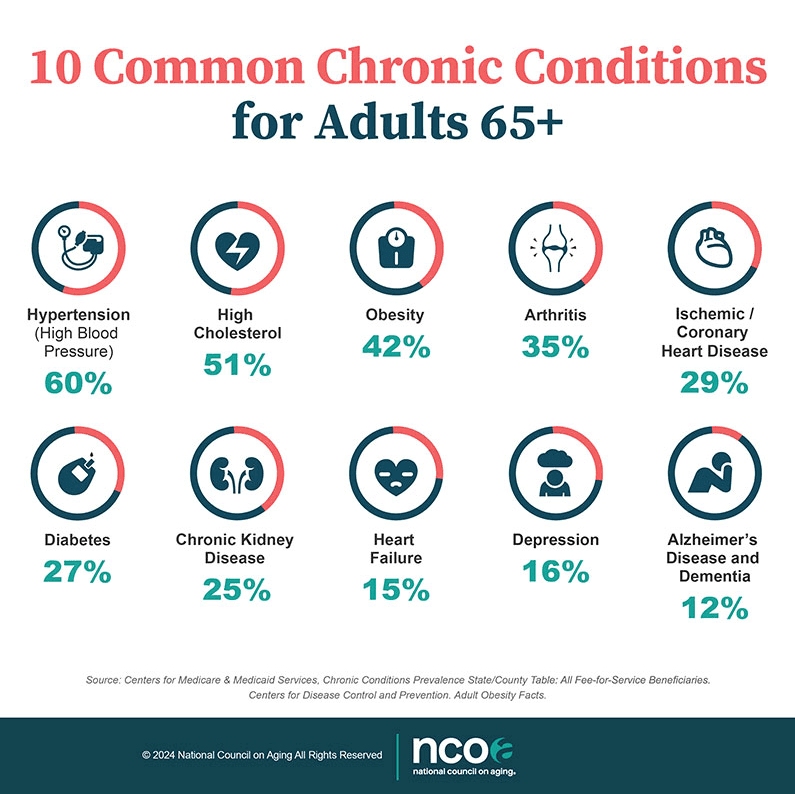
Being diagnosed with a chronic condition can feel like a heavy burden, especially as you age. It’s essential to understand what chronic conditions are and how they can impact your daily life. Chronic conditions are health issues that persist over time, often requiring ongoing management and treatment. Common chronic conditions in older adults include high blood pressure, diabetes, arthritis, and heart disease.
Managing chronic conditions in older adults requires a proactive approach that focuses on prevention, monitoring, and treatment. By understanding the nature of these conditions and their impact on your body, you can take control of your health and well-being.
Importance of Regular Doctor Visits
Regular visits to your healthcare provider are crucial for managing chronic conditions effectively. Your doctor can monitor your condition, adjust your treatment plan, and provide guidance on lifestyle changes that can improve your health. Make sure to schedule routine check-ups and follow-up appointments to stay on top of your condition.
Visiting your doctor regularly allows you to track your progress, ask questions, and address any concerns you may have about your condition. Remember, your healthcare provider is there to support you and help you navigate the challenges of managing chronic conditions.
Creating a Comprehensive Treatment Plan
A comprehensive treatment plan is essential for managing chronic conditions in older adults. This plan should address all aspects of your health, including medication management, lifestyle modifications, and preventive care. Work with your healthcare provider to develop a personalized treatment plan that meets your unique needs and goals.
Your treatment plan may include a combination of medication, physical therapy, dietary changes, and other interventions to help you manage your condition effectively. Be sure to follow your treatment plan diligently and communicate any changes or concerns with your healthcare provider.
| Medication Management | Lifestyle Modifications | Preventive Care |
|---|---|---|
| Take medications as prescribed | Adopt a healthy diet and exercise routine | Stay up to date on vaccinations |
| Keep track of side effects and interactions | Manage stress and get enough rest | Screenings for early detection of complications |
| Refill prescriptions on time | Limit alcohol consumption and quit smoking | Regular eye exams and dental check-ups |
Importance of Physical Activity
Physical activity plays a vital role in managing chronic conditions in older adults. Regular exercise can improve your cardiovascular health, reduce inflammation, and enhance your overall well-being. Aim for a combination of aerobic, strength training, and flexibility exercises to keep your body strong and resilient.
Engaging in physical activity can also help you maintain a healthy weight, manage stress, and boost your mood. Whether you prefer walking, swimming, or yoga, find activities that you enjoy and can incorporate into your daily routine. Remember to consult with your healthcare provider before starting any new exercise program.
Importance of Healthy Eating
A healthy diet is another essential component of managing chronic conditions in older adults. Eating a balanced and nutritious diet can help control your blood sugar, cholesterol levels, and blood pressure. Focus on consuming a variety of fruits, vegetables, whole grains, lean proteins, and healthy fats to fuel your body and promote healing.
Avoid processed foods, sugary drinks, and excessive salt intake, as these can worsen your chronic condition and impact your overall health. If you need help creating a healthy meal plan, consider consulting with a dietitian or nutritionist to receive personalized guidance.
Importance of Stress Management
Chronic conditions can be stressful and overwhelming, affecting both your physical and mental well-being. It’s essential to prioritize stress management techniques to cope with the challenges of managing your condition effectively. Practice relaxation methods such as deep breathing, meditation, yoga, or tai chi to reduce stress and anxiety.
Engaging in activities you enjoy, spending time with loved ones, and seeking support from a therapist or counselor can also help you cope with the emotional aspects of living with a chronic condition. Remember to prioritize self-care and make time for activities that bring you joy and fulfillment.
Importance of Sleep
Quality sleep is essential for managing chronic conditions in older adults. Getting enough rest can improve your immune function, mood, cognition, and overall health. Aim for 7-9 hours of sleep per night and establish a bedtime routine that promotes relaxation and restful sleep.
If you’re experiencing sleep disturbances, such as insomnia or sleep apnea, talk to your healthcare provider about treatment options and strategies to improve your sleep quality. Creating a comfortable sleep environment, avoiding caffeine and electronics before bedtime, and practicing good sleep hygiene can also support healthy sleep habits.
Importance of Medication Management
Medication management is a critical aspect of managing chronic conditions in older adults. It’s essential to take your prescribed medications as directed, follow up with your healthcare provider regularly, and communicate any changes or concerns regarding your treatment plan. Keep track of your medications, doses, side effects, and interactions to ensure your safety and well-being.
If you’re struggling with medication management, consider using a pill organizer, setting reminders, or enlisting the help of a caregiver or loved one to assist you. Never hesitate to ask your healthcare provider questions about your medications or seek clarification on any aspect of your treatment plan.
Importance of Social Support
Living with a chronic condition can feel isolating and overwhelming at times, especially as an older adult. It’s crucial to seek social support from family, friends, support groups, or online communities to connect with others who understand your experiences. Sharing your struggles, victories, and emotions with a supportive network can provide comfort, validation, and encouragement along your journey.
Connecting with others who share similar experiences can help you feel less alone, build a sense of community, and gain valuable insights and resources for managing your chronic condition. Remember, you’re not alone in this journey, and there are people who care about you and want to support you every step of the way.
Importance of Regular Screenings
Regular screenings and preventive care are essential for managing chronic conditions in older adults. These screenings can help detect early signs of complications, monitor your condition’s progression, and guide your treatment plan. Stay up to date on vaccinations, screenings, and health exams recommended by your healthcare provider to ensure optimal health and well-being.
Screenings for conditions such as diabetes, high cholesterol, osteoporosis, and cancer can help identify potential risks or issues before they escalate into more significant problems. Make sure to attend all scheduled appointments and follow your healthcare provider’s recommendations for preventive care.
Conclusion
Managing chronic conditions in older adults requires a holistic approach that addresses all aspects of your health and well-being. By prioritizing regular doctor visits, creating a comprehensive treatment plan, engaging in physical activity, eating a healthy diet, managing stress, getting enough sleep, optimizing medication management, seeking social support, and attending regular screenings, you can take control of your health and lead a fulfilling life despite your chronic condition.
Remember, you’re not alone in this journey, and there are resources, support, and tools available to help you navigate the challenges of managing chronic conditions effectively. Stay informed, stay proactive, and stay empowered as you embrace a healthy and balanced lifestyle that promotes your overall well-being. You’ve got this!