
Welcome to a comprehensive guide on managing chronic pain in women. In this article, you will discover essential tips and strategies to help you cope with chronic pain in a healthy and effective way. Whether you suffer from conditions such as fibromyalgia, arthritis, or endometriosis, these tips will empower you to better manage your pain and improve your overall quality of life. From incorporating pain management techniques to seeking support from healthcare professionals, you will learn valuable insights to help you navigate through the challenges of living with chronic pain. Let’s dive in and start building a foundation for a brighter, pain-free future. Have you been struggling with chronic pain as a woman? You are not alone. Many women experience chronic pain conditions that can greatly impact their quality of life. In this article, we will discuss essential tips for managing chronic pain in women. From lifestyle changes to alternative therapies, we will explore various strategies to help you better cope with and alleviate your pain. Let’s dive in and discover ways to improve your well-being and find relief from chronic pain.

Understanding Chronic Pain
Chronic pain is a complex and multifaceted condition that can be challenging to manage. Unlike acute pain, which is typically a response to injury or illness and resolves once the underlying cause is treated, chronic pain persists long after the initial injury has healed. Chronic pain can have a significant impact on physical and emotional well-being, leading to decreased quality of life and functional impairment.
What Causes Chronic Pain in Women?
Chronic pain in women can have various underlying causes, including:
- Musculoskeletal conditions: Conditions such as fibromyalgia, osteoarthritis, and rheumatoid arthritis can cause chronic pain in women.
- Neurological disorders: Conditions like migraines, neuropathy, and multiple sclerosis can lead to chronic pain.
- Gynecological issues: Conditions such as endometriosis, adenomyosis, and pelvic inflammatory disease can cause chronic pelvic pain in women.
- Autoimmune diseases: Diseases like lupus, Crohn’s disease, and rheumatoid arthritis can result in chronic pain.
- Psychological factors: Emotional and psychological factors, such as stress, anxiety, and depression, can play a significant role in chronic pain.
Understanding the underlying cause of your chronic pain is essential for effective management and treatment. Consulting with a healthcare provider to receive a comprehensive evaluation and diagnosis is crucial in developing a personalized treatment plan.
Lifestyle Modifications
Making certain lifestyle modifications can play a significant role in managing chronic pain in women. From improving your diet to incorporating regular exercise into your routine, small changes can make a big difference in alleviating pain and improving overall well-being.
Diet and Nutrition
Eating a healthy and balanced diet is crucial for managing chronic pain. Certain foods can either alleviate or exacerbate pain symptoms. Consider incorporating the following into your diet:
- Anti-inflammatory foods: Foods rich in antioxidants, such as fruits, vegetables, and omega-3 fatty acids (found in fish and nuts), can help reduce inflammation and pain.
- Hydration: Staying adequately hydrated is essential for overall health and pain management. Aim to drink plenty of water throughout the day.
- Avoid trigger foods: Certain foods, such as processed foods, sugary snacks, and caffeine, can trigger pain flare-ups in some individuals. Pay attention to how certain foods affect your pain levels and adjust your diet accordingly.
Exercise and Physical Activity
Regular exercise and physical activity can help improve strength, flexibility, and overall well-being in individuals with chronic pain. Low-impact activities such as walking, swimming, yoga, and cycling can be beneficial for managing pain. It is essential to start slowly and gradually increase the intensity and duration of your workouts to prevent exacerbating pain. Consult with a healthcare provider or a physical therapist to develop an exercise plan tailored to your specific needs and limitations.
Sleep Hygiene
Getting an adequate amount of high-quality sleep is essential for managing chronic pain. Poor sleep can exacerbate pain symptoms and negatively impact overall well-being. Practice good sleep hygiene by:
- Establishing a regular sleep schedule: Go to bed and wake up at the same time every day, even on weekends.
- Creating a relaxing bedtime routine: Engage in calming activities before bed, such as reading, meditating, or taking a warm bath.
- Creating a comfortable sleep environment: Ensure your bedroom is cool, dark, and quiet to promote restful sleep.

Alternative Therapies
In addition to traditional medical treatments, alternative therapies can play a valuable role in managing chronic pain in women. These therapies focus on holistic approaches to pain management, addressing both physical and emotional aspects of pain.
Acupuncture
Acupuncture is a traditional Chinese medicine practice that involves inserting thin needles into specific points on the body to alleviate pain and promote healing. Many individuals with chronic pain have found acupuncture to be effective in reducing pain intensity and improving overall well-being. Consult with a licensed acupuncturist to determine if acupuncture may be beneficial for your chronic pain condition.
Massage Therapy
Massage therapy can help relieve muscle tension, reduce pain, and improve circulation in individuals with chronic pain. Different types of massage, such as Swedish massage, deep tissue massage, and myofascial release, can be beneficial for managing pain. Consider incorporating regular massage sessions into your pain management routine to experience relief and relaxation.
Mind-Body Techniques
Mind-body techniques, such as meditation, mindfulness, and guided imagery, can help reduce stress, anxiety, and pain perception in individuals with chronic pain. Practicing these techniques regularly can promote relaxation, improve emotional well-being, and enhance pain management. Explore different mind-body practices to find one that resonates with you and incorporate it into your daily routine for optimal benefits.
Support Systems
Having a strong support system can be invaluable in managing chronic pain as a woman. Connecting with others who understand your experience, whether through support groups, online forums, or talking to friends and family, can provide emotional support, encouragement, and a sense of community.
Support Groups
Joining a chronic pain support group can provide you with a safe space to share your experiences, receive support and encouragement, and connect with others who are going through similar challenges. Support groups can offer valuable resources, coping strategies, and a sense of belonging that can help you navigate your chronic pain journey more effectively.
Online Communities
Participating in online communities, such as social media groups, forums, and chat rooms dedicated to chronic pain, can connect you with a diverse group of individuals who can offer insights, advice, and support. Engaging with online communities can help you feel less isolated, more understood, and better equipped to cope with your pain.
Counseling and Therapy
Seeking professional counseling or therapy can be beneficial for women with chronic pain who may be struggling with emotional distress, anxiety, depression, or other mental health challenges. A therapist or counselor can provide you with coping strategies, emotional support, and tools to manage the psychological impact of chronic pain effectively.

Medication Management
Medication management plays a crucial role in the treatment of chronic pain in women. Working closely with a healthcare provider to develop a personalized medication regimen tailored to your specific needs and pain condition is essential for effective pain management.
Over-the-Counter Medications
Over-the-counter pain relievers, such as acetaminophen, ibuprofen, and naproxen, can help alleviate mild to moderate pain symptoms in individuals with chronic pain. These medications can be effective for short-term pain relief when used as directed. However, it is essential to consult with a healthcare provider before starting any new medication regimen to ensure safety and efficacy.
Prescription Medications
In cases of severe or persistent pain, a healthcare provider may prescribe stronger medications, such as opioids, muscle relaxants, or antidepressants, to alleviate pain symptoms and improve quality of life. It is crucial to use prescription medications as directed and to communicate openly with your healthcare provider about any side effects, concerns, or changes in your pain levels.
Topical Treatments
Topical treatments, such as analgesic creams, gels, patches, and ointments, can provide localized pain relief in individuals with chronic pain. These treatments can help reduce muscle soreness, joint pain, and nerve pain without the systemic side effects associated with oral medications. Consult with a healthcare provider to determine if topical treatments may be beneficial for your pain condition.
Mind-Body Connection
The mind-body connection plays a crucial role in how we perceive and experience pain. By addressing emotional and psychological factors that contribute to chronic pain, women can develop strategies to enhance their well-being, reduce pain perception, and improve coping mechanisms.
Stress Management
Chronic pain and stress often go hand in hand, creating a cycle of increased pain perception and emotional distress. Managing stress through relaxation techniques, mindfulness, deep breathing exercises, and stress-reducing activities can help break the cycle and alleviate pain symptoms. Prioritize self-care activities that promote relaxation, joy, and emotional well-being to reduce stress and improve pain management.
Cognitive Behavioral Therapy (CBT)
Cognitive Behavioral Therapy (CBT) is a therapeutic approach that focuses on changing negative thought patterns, beliefs, and behaviors that contribute to chronic pain and emotional distress. CBT can help women with chronic pain develop healthier coping strategies, improve pain management skills, and enhance overall well-being. Consider working with a trained therapist to explore CBT techniques and how they can benefit your pain condition.
Mindfulness Meditation
Mindfulness meditation involves focusing on the present moment, observing thoughts and sensations without judgment, and cultivating a sense of acceptance and awareness. Practicing mindfulness meditation regularly can help reduce pain perception, enhance emotional resilience, and promote overall well-being. Explore mindfulness meditation techniques through guided practices, classes, or apps to incorporate them into your pain management routine.
Conclusion
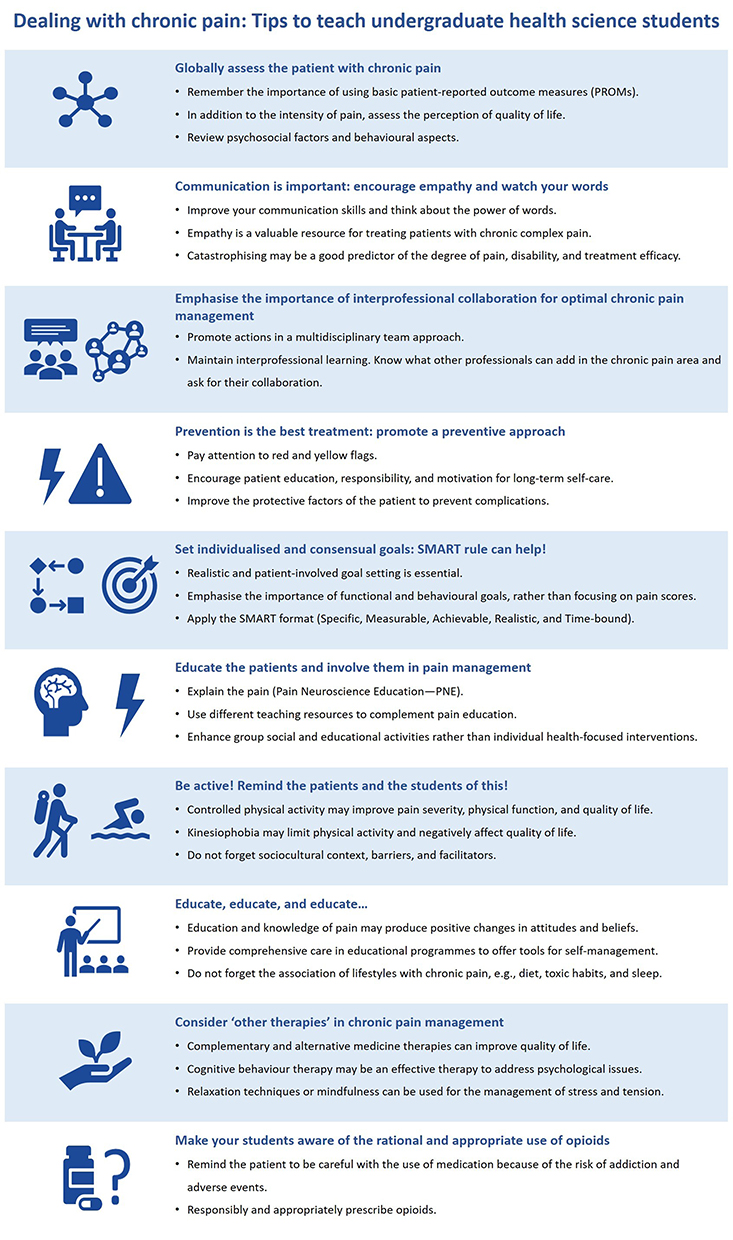
Managing chronic pain as a woman can be challenging, but with the right strategies and support, it is possible to improve your quality of life and find relief from pain. By incorporating lifestyle modifications, alternative therapies, support systems, medication management, and mind-body techniques into your pain management routine, you can develop a comprehensive approach to managing chronic pain effectively. Remember to consult with a healthcare provider to receive personalized care tailored to your specific needs and pain condition. Embrace self-care, prioritize your well-being, and explore different strategies to find what works best for you in managing chronic pain as a woman. You are resilient, capable, and deserving of a life free from the limitations of chronic pain. Stay strong, stay hopeful, and never give up on your journey to better health and well-being.