
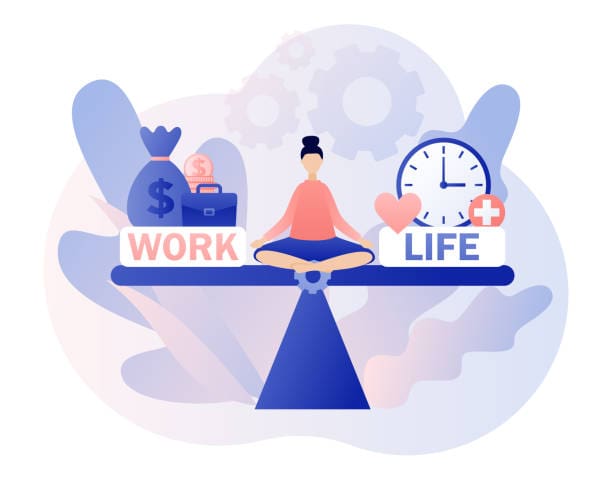
Welcome to a guide on how to create a healthy work-life balance when managing chronic conditions. Balancing work responsibilities with taking care of your health can be challenging, but it is possible with the right strategies in place. In this article, you will discover practical tips and techniques to help you manage your chronic condition while still thriving in your career and personal life. By implementing these suggestions, you can achieve a sense of equilibrium that allows you to prioritize your health and well-being without sacrificing your professional goals. Have you been struggling to find a healthy balance between work and your personal life while also managing chronic conditions? It can be challenging to navigate through the demands of your job, take care of yourself, and still find time for the things you love. In this article, we will explore some practical tips and strategies to help you create a healthy work-life balance while managing chronic conditions effectively. Let’s dive in!

Understanding Chronic Conditions and Their Impact on Work-Life Balance
Chronic conditions are long-term health issues that require ongoing management and treatment. These conditions can have a significant impact on various aspects of your life, including your ability to work and maintain a healthy work-life balance. It’s essential to understand how your chronic condition affects your daily routine, energy levels, and overall well-being to effectively manage your work-life balance.
Acknowledge Your Limits and Set Realistic Expectations
It’s important to acknowledge your limits when managing chronic conditions and not push yourself beyond what you can handle. Set realistic expectations for yourself in terms of work responsibilities, productivity, and personal activities. Remember that it’s okay to say no to additional tasks or commitments if they will overwhelm you and impact your health.
Communicate with Your Employer and Colleagues
Open and honest communication with your employer and colleagues is key to maintaining a healthy work-life balance while managing chronic conditions. Discuss your health needs, limitations, and any accommodations or flexibility you may require to perform your job effectively. Educate your colleagues about your condition to foster understanding and collaboration in the workplace.

Prioritize Self-Care and Well-Being
Self-care is crucial when managing chronic conditions and achieving a healthy work-life balance. Prioritize your well-being by incorporating self-care practices into your daily routine, such as getting enough rest, eating well-balanced meals, engaging in physical activity, and managing stress. Remember that taking care of yourself is not selfish but essential for managing your health and work effectively.
Establish Clear Boundaries Between Work and Personal Life
Setting boundaries between work and your personal life is key to creating a healthy balance, especially when managing chronic conditions. Establish specific work hours and avoid bringing work-related tasks or stress into your personal time. Create a designated workspace at home if you work remotely to separate your work environment from your living space.
Make Time for Activities You Enjoy
Finding time for activities you enjoy outside of work is essential for maintaining a healthy work-life balance while managing chronic conditions. Engage in hobbies, exercise, spend time with loved ones, and pursue personal interests to recharge and rejuvenate. Prioritizing activities that bring you joy and fulfillment can enhance your overall well-being and productivity.

Create a Flexible Schedule and Routine
Flexibility is key when managing chronic conditions and balancing work and personal life effectively. Create a flexible work schedule that allows you to accommodate doctor’s appointments, treatment sessions, and self-care activities. Establish a daily routine that includes time for work, breaks, meals, exercise, relaxation, and sleep to maintain a sense of structure and balance.
Seek Support from Others
Seeking support from friends, family, support groups, or mental health professionals can help you navigate the challenges of managing chronic conditions and creating a healthy work-life balance. Surround yourself with a supportive network of individuals who understand your needs, offer encouragement, and provide emotional support during difficult times. Remember that you don’t have to face your health challenges alone.
Manage Stress Effectively
Stress can exacerbate chronic conditions and hinder your ability to maintain a healthy work-life balance. Learning how to manage stress effectively is essential for your overall well-being. Practice relaxation techniques such as deep breathing, meditation, yoga, or mindfulness to reduce stress levels and promote relaxation. Engage in activities that help you unwind and release tension to improve your mental and physical health.
Take Breaks and Rest When Needed
Listening to your body and taking breaks when needed is crucial when managing chronic conditions and balancing work and personal life. Recognize when you need to rest, recharge, and recuperate to avoid burnout and exacerbation of your health symptoms. Incorporate short breaks throughout your workday to relax, stretch, and refocus your mind to maintain productivity and well-being.
Utilize Technology and Tools to Enhance Productivity
Technology and tools can help you enhance productivity, manage your time effectively, and streamline tasks when managing chronic conditions. Utilize tools such as scheduling apps, reminder notifications, ergonomic equipment, and accessibility features to optimize your work performance and minimize stress. Identify what tools work best for you and incorporate them into your daily routine to improve efficiency and convenience.
Practice Gratitude and Positivity
Maintaining a positive outlook and practicing gratitude can have a significant impact on your mental and emotional well-being when managing chronic conditions and work-life balance. Focus on the positive aspects of your life, express gratitude for the things you have, and cultivate a positive mindset to cope with challenges effectively. Surround yourself with positivity, engage in activities that bring you joy, and practice self-compassion to enhance your overall happiness and resilience.
Conclusion
Achieving a healthy work-life balance while managing chronic conditions requires intentional effort, self-awareness, and effective strategies. By understanding your limits, communicating with your employer, prioritizing self-care, setting boundaries, and seeking support, you can create a balanced lifestyle that supports your health and well-being. Remember that it’s essential to listen to your body, practice self-care, and prioritize activities that bring you joy to lead a fulfilling and meaningful life despite the challenges of chronic conditions. Embrace self-compassion, resilience, and positivity on your journey to balancing work and personal life with chronic conditions.