
Creating a workout plan that fits your lifestyle starts with understanding your schedule, preferences, and fitness goals. By identifying what type of exercises you enjoy, the time you have available, and the results you want to achieve, you can tailor a plan that is sustainable and realistic for you. Whether you prefer high-intensity workouts or low-impact activities, incorporating variety and flexibility into your routine is key to maintaining motivation and staying on track with your fitness journey. Let’s explore some tips and strategies to help you design a workout plan that is personalized to fit your unique lifestyle. How can you create a workout plan that fits your lifestyle? It may seem overwhelming to try and figure out where to start or how to design a fitness routine that works for you. The good news is, with a little guidance and planning, you can create a workout plan that fits your unique schedule, preferences, and goals. In this article, we will walk you through the steps to help you design a workout plan that works for you and your lifestyle.
Assess Your Current Fitness Level
Before you dive into creating a workout plan, it’s important to assess your current fitness level. This will help you determine where you are starting from and what areas you may need to work on. Take note of how often you exercise, what types of activities you enjoy, and any specific fitness goals you may have.
Set Realistic Goals
Setting realistic goals is key to creating a workout plan that you will stick to. Whether your goal is to lose weight, build muscle, or improve your overall health, make sure your goals are specific, measurable, achievable, relevant, and time-bound (SMART). For example, instead of setting a vague goal like “get in shape,” set a specific goal like “lose 10 pounds in three months.”

Determine Your Workout Preferences
Next, consider your workout preferences. Do you prefer to exercise in a gym, at home, or outdoors? Are you more inclined to do strength training, cardio, yoga, or a combination of different activities? By identifying what types of workouts you enjoy, you are more likely to stick to your plan in the long run.
Create a Weekly Schedule
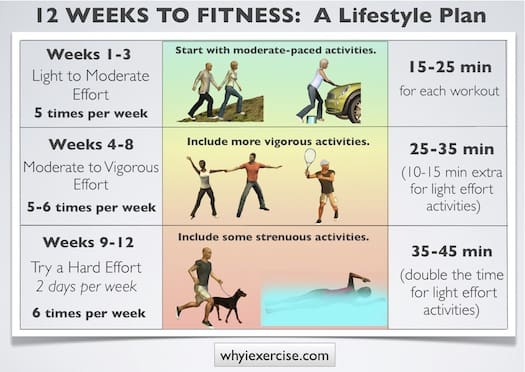
Once you have assessed your fitness level, set realistic goals, and determined your workout preferences, it’s time to create a weekly workout schedule. Think about how many days per week you can realistically commit to exercise and how much time you can dedicate to each session. Consider dividing your workouts into different categories, such as strength training, cardio, and flexibility training.
Mix It Up
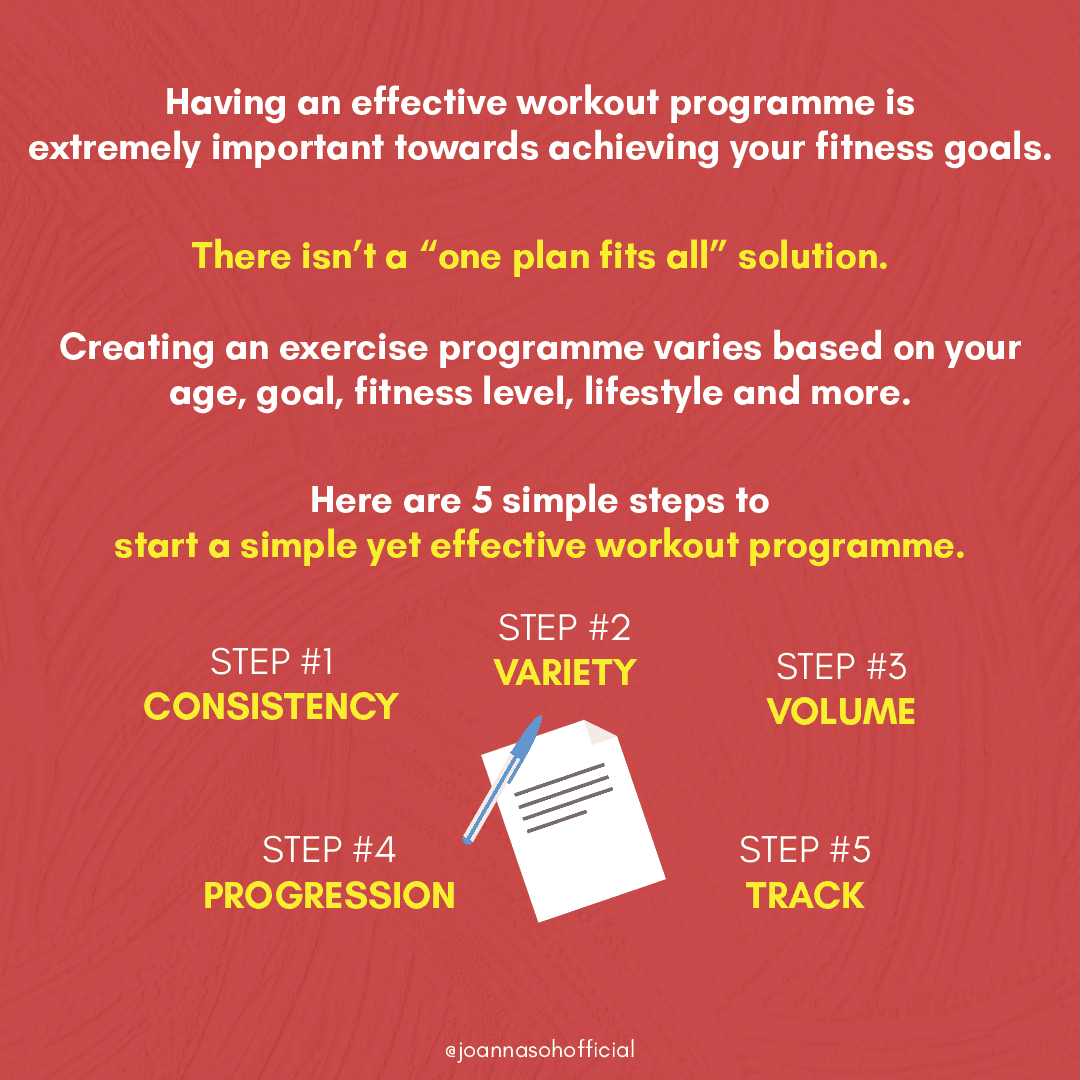
To keep things interesting and prevent boredom, mix up your workouts. Incorporate a variety of activities to target different muscle groups and keep your body challenged. This could include alternating between high-intensity interval training (HIIT), running, cycling, yoga, and strength training. Variety not only keeps things exciting but also helps prevent plateaus and overuse injuries.
Consider Your Time Constraints
When creating a workout plan, it’s important to consider your time constraints. If you have a busy schedule with work, family, and other commitments, you may need to get creative with how you fit exercise into your day. Consider short, high-intensity workouts or splitting your sessions into smaller increments throughout the day.
Set Aside Rest Days
Rest days are just as important as workout days. Overtraining can lead to fatigue, burnout, and injury, so make sure to schedule rest days into your plan. Use this time to relax, recover, and allow your muscles to repair and grow. Listen to your body and don’t be afraid to take extra rest days if needed.
Track Your Progress
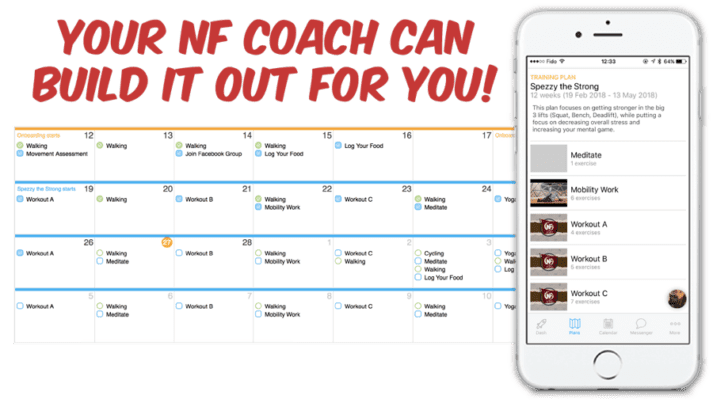
Tracking your progress is an essential part of any workout plan. Keep a journal or use a fitness app to record your workouts, track your goals, and monitor your progress over time. This will help keep you motivated, accountable, and on track to reaching your fitness goals.

Stay Flexible
Life can be unpredictable, and sometimes things don’t go as planned. It’s important to stay flexible with your workout plan and be willing to adjust as needed. If you miss a workout or need to change your schedule, don’t beat yourself up. Just pick up where you left off and keep moving forward.
Consult a Professional
If you are new to exercise or have specific health concerns, it’s a good idea to consult a professional before starting a new workout plan. A personal trainer, fitness coach, or healthcare provider can provide valuable guidance, expertise, and support to help you create a safe and effective workout plan tailored to your individual needs.
Celebrate Your Achievements
Finally, remember to celebrate your achievements along the way. Whether you reach a new personal best, hit a fitness milestone, or simply stick to your workout plan for a month, take the time to acknowledge and reward yourself for your hard work and dedication. Celebrating your achievements will help boost your motivation and keep you inspired to continue on your fitness journey.
By following these steps and tips, you can create a workout plan that fits your lifestyle, preferences, and goals. Remember, consistency is key, so stay committed, stay positive, and most importantly, have fun with your workouts. Whether you’re a beginner or a seasoned fitness enthusiast, creating a workout plan that works for you is within reach. Good luck on your fitness journey!