
Welcome to a guide on how to make smarter food choices for better heart and cardiovascular health. By being mindful of what you eat, you can lower your risk of heart disease and other cardiovascular conditions. Incorporating more fruits, vegetables, whole grains, lean proteins, and healthy fats into your diet can make a significant impact on your heart health. Stay tuned to discover simple tips and tricks to help you make healthier food choices and improve your overall well-being. Have you ever wondered how you can improve your heart and cardiovascular health through your food choices? Making smarter decisions when it comes to what you eat can have a significant impact on your overall well-being. In this article, we will explore various ways in which you can make informed choices that promote heart health and enhance your cardiovascular system. Let’s dive in!

Understanding Heart and Cardiovascular Health
Before we delve into specific food choices, it’s essential to understand the role of diet in heart and cardiovascular health. A healthy diet plays a crucial role in preventing heart disease and reducing the risk of developing conditions such as high blood pressure, high cholesterol, and atherosclerosis. By making smart food choices, you can help lower your risk of heart disease and promote overall cardiovascular wellness.
What is Heart Disease?
Heart disease refers to conditions that affect the heart, including coronary artery disease, heart failure, and arrhythmias. A poor diet high in saturated fats, trans fats, cholesterol, and sodium can contribute to the development of heart disease. Consuming a diet rich in fruits, vegetables, whole grains, lean proteins, and healthy fats can help reduce the risk of heart disease and improve cardiovascular health.
Key Nutrients for Heart Health
Certain nutrients play a vital role in promoting heart health and supporting cardiovascular function. Incorporating these nutrients into your diet can help protect your heart and reduce the risk of heart disease.
Omega-3 Fatty Acids
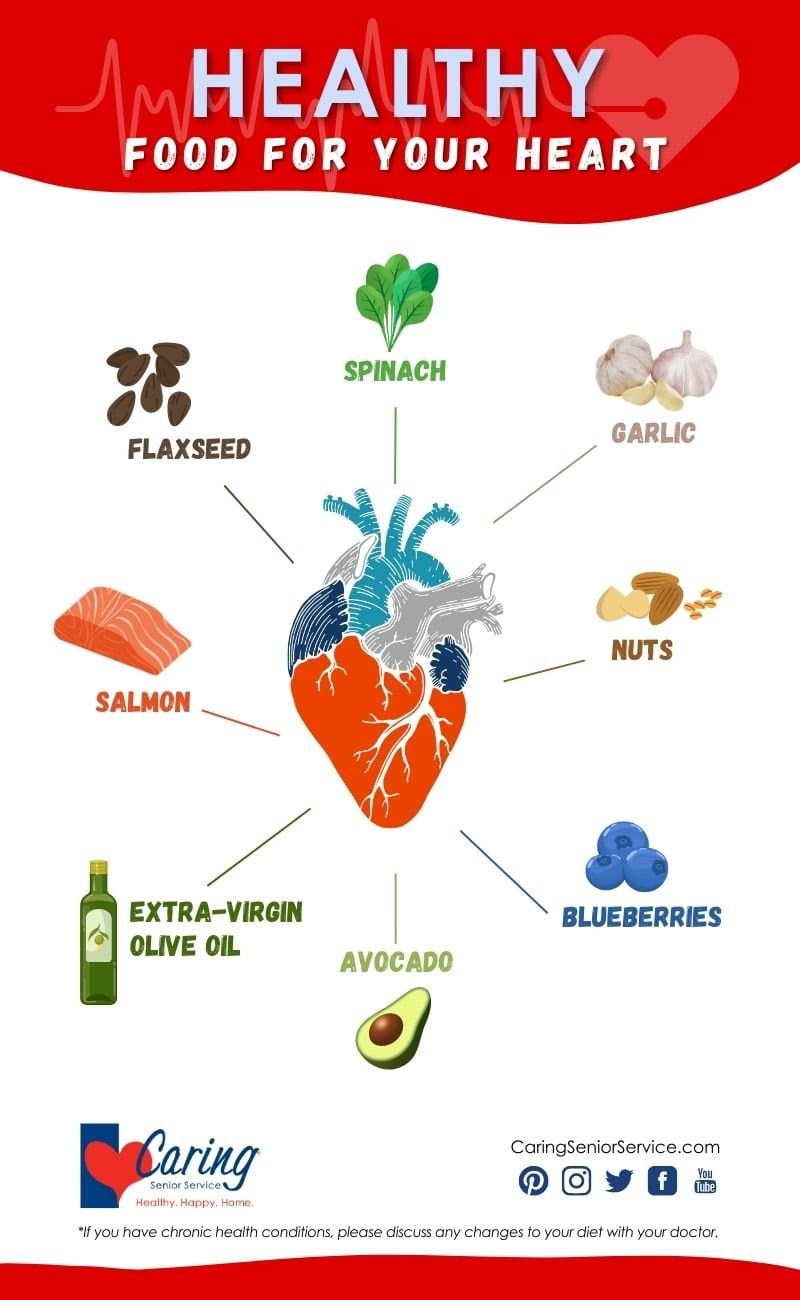
Omega-3 fatty acids are essential fats that are beneficial for heart health. They have been shown to reduce inflammation, lower triglyceride levels, and decrease the risk of heart disease. Fatty fish such as salmon, mackerel, and sardines are excellent sources of omega-3 fatty acids. Plant-based sources include flaxseeds, chia seeds, walnuts, and hemp seeds.
Fiber
Dietary fiber is important for heart health as it helps lower cholesterol levels, regulate blood sugar levels, and promote healthy digestion. Whole grains, fruits, vegetables, legumes, nuts, and seeds are rich sources of fiber. Aim to include a variety of high-fiber foods in your diet to support heart health.
Antioxidants
Antioxidants are compounds that help protect cells from damage caused by free radicals. They play a crucial role in reducing inflammation and oxidative stress, which are linked to heart disease. Colorful fruits and vegetables such as berries, citrus fruits, kale, spinach, and bell peppers are rich in antioxidants. Incorporating a wide range of antioxidant-rich foods can help support heart health.

Making Smarter Food Choices
Now that you understand the importance of key nutrients for heart health let’s explore how you can make smarter food choices to support your heart and cardiovascular system.
Choose Heart-Healthy Fats
Not all fats are created equal, and it’s essential to focus on including heart-healthy fats in your diet. Monounsaturated and polyunsaturated fats are good for your heart and can help lower bad cholesterol levels. Sources of these healthy fats include avocados, olive oil, nuts, seeds, and fatty fish. Limit your intake of saturated fats and trans fats, which can raise cholesterol levels and increase the risk of heart disease.
Limit Added Sugars and Sodium
Excess sugar and sodium can contribute to high blood pressure, inflammation, and weight gain, all of which are risk factors for heart disease. Be mindful of your intake of sugary beverages, processed foods, and high sodium meals. Opt for whole, unprocessed foods and use herbs and spices to season your dishes instead of salt.
Focus on Whole Foods
Whole foods such as fruits, vegetables, whole grains, lean proteins, and healthy fats should form the basis of your diet. These foods are nutrient-dense and provide essential vitamins, minerals, and antioxidants that support heart health. Minimize your intake of processed foods, which are often high in unhealthy fats, sugar, and salt.
Control Portion Sizes
Watching your portion sizes is essential for maintaining a healthy weight and supporting heart health. Overeating can lead to weight gain, high cholesterol, and increased blood pressure, all of which are risk factors for heart disease. Use portion control tools such as measuring cups, food scales, and visual guides to help you monitor your servings.
Stay Hydrated
Proper hydration is important for heart health and overall well-being. Drinking an adequate amount of water helps maintain blood volume, regulate body temperature, and support all bodily functions. Aim to drink at least eight glasses of water per day and limit your intake of sugary beverages, which can contribute to weight gain and heart disease risk.
Meal Planning for Heart Health
Planning your meals in advance can help you make healthier choices and support your heart and cardiovascular health goals. Here are some tips for creating heart-healthy meal plans:
Include a Variety of Foods
Variety is key when it comes to eating for heart health. Include a wide range of fruits, vegetables, whole grains, lean proteins, and healthy fats in your meals to ensure you’re getting a good mix of essential nutrients.
Plan Balanced Meals
Each meal should include a balance of carbohydrates, protein, and healthy fats to keep you full and satisfied. Aim for a source of lean protein (such as chicken, fish, tofu, or legumes), a serving of whole grains (such as brown rice, quinoa, or whole wheat pasta), and plenty of fruits and vegetables.
Prep Ahead
Prepping meals and ingredients ahead of time can save you time and make it easier to stick to your healthy eating plan. Cook large batches of grains, proteins, and vegetables that you can mix and match throughout the week. Store individual portions in containers for quick and convenient meals.
Practice Mindful Eating
Eating mindfully can help you pay attention to your body’s hunger and fullness cues, which can prevent overeating and support healthy digestion. Take your time to savor each bite, chew slowly, and focus on the flavors and textures of your food.
Dining Out Tips for Heart Health
Eating out doesn’t have to derail your heart-healthy eating plan. With some smart choices and strategies, you can enjoy meals at restaurants while supporting your cardiovascular health.
Research Menus in Advance
Many restaurants now provide their menus online, allowing you to review options and make informed choices before you arrive. Look for dishes that are lower in saturated fats, sodium, and added sugars, and opt for grilled, steamed, or roasted preparations over fried or deep-fried foods.
Ask for Modifications
Don’t be afraid to ask for modifications to dishes to make them more heart-healthy. Request sauces on the side, choose a salad or vegetable instead of fries, and ask for dressings and toppings to be served separately. Most restaurants are willing to accommodate special requests.
Watch Portions
Restaurant portion sizes are often much larger than what you’d eat at home, leading to overconsumption of calories, fats, and sodium. Consider sharing an entree with a dining partner, asking for a to-go box to portion out part of your meal before you start eating, or ordering an appetizer as your main course.
Staying Active for Heart Health
In addition to making smart food choices, staying active is essential for supporting heart health and cardiovascular function. Regular physical activity can help lower blood pressure, reduce cholesterol levels, maintain a healthy weight, and improve overall cardiovascular fitness.
Aim for at least 150 Minutes of Moderate Exercise Per Week
The American Heart Association recommends at least 150 minutes of moderate exercise per week to support heart health. This can include activities such as brisk walking, cycling, dancing, or swimming. Find activities you enjoy and make them a regular part of your routine.
Incorporate Strength Training
In addition to cardiovascular exercise, incorporating strength training into your routine is beneficial for heart health. Strength training helps build muscle mass, improve metabolism, and support overall physical function. Aim to include resistance exercises at least two days a week.
Stay Active Throughout the Day
Incorporating movement throughout the day can help support heart health and prevent sedentary behavior. Take breaks to stretch, walk around, or do simple exercises during long periods of sitting. Park farther away, take the stairs, or walk instead of driving whenever possible.
Listen to Your Body
Listen to your body’s cues and adjust your exercise routine as needed. If you experience pain, dizziness, or shortness of breath, stop exercising and consult with a healthcare provider. It’s important to find a balance between challenging yourself and respecting your body’s limits.

Conclusion
Making smarter food choices for better heart and cardiovascular health doesn’t have to be complicated. By focusing on nutrient-dense whole foods, staying hydrated, controlling portion sizes, planning meals, and staying active, you can support your heart health and reduce the risk of heart disease. Remember to consult with a healthcare provider or registered dietitian before making any significant changes to your diet or exercise routine. Here’s to a healthier heart and a happier you!