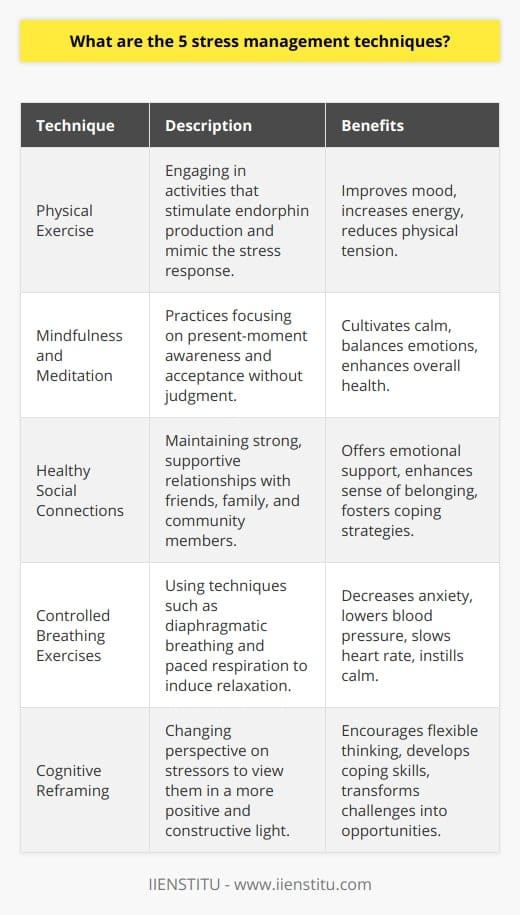
Welcome to the world of holistic stress management techniques! In this article, you will explore various strategies and practices that can help you combat stress in a natural and all-encompassing way. From mindfulness meditation to yoga and aromatherapy, you will discover the power of taking a holistic approach to managing stress and enhancing your overall well-being. Say goodbye to stress and hello to a more balanced and harmonious life with these effective techniques. Hey there! Are you feeling overwhelmed by stress in your life? Whether it’s work, relationships, or just everyday challenges, stress can take a toll on your well-being. But don’t worry, I’ve got you covered. In this article, we’ll explore some holistic stress management techniques that can help you find balance and peace in your life. Let’s dive in!

What is Holistic Stress Management?
Stress is a common part of life, but when left unchecked, it can have negative effects on your physical, mental, and emotional health. Holistic stress management approaches stress from a whole-person perspective, taking into account the mind, body, and spirit. By addressing all aspects of your being, you can find more effective and long-lasting solutions to manage stress.
What does “holistic” mean?
When we talk about holistic stress management, we’re referring to an approach that looks at the big picture. Instead of just treating the symptoms of stress, holistic techniques aim to address the root causes of stress and promote overall well-being. It’s about finding balance and harmony in all areas of your life.
Mind-Body Connection in Stress Management
The mind-body connection is a powerful force when it comes to managing stress. Our thoughts, feelings, and emotions can have a direct impact on our physical health, and vice versa. By nurturing a healthy mind-body connection, you can better manage stress and improve your overall well-being.
How does stress affect the mind and body?
When you’re stressed, your body goes into “fight or flight” mode, releasing hormones like cortisol and adrenaline. This can lead to a range of physical symptoms, such as headaches, muscle tension, and digestive issues. Chronic stress can also have a negative impact on your mental health, leading to anxiety, depression, and other mood disorders.
Techniques for nurturing the mind-body connection
-
Meditation: Taking time to quiet your mind and focus on the present moment can help reduce stress and promote relaxation.
-
Mindful breathing: Deep breathing exercises can calm the nervous system and help you feel more centered and grounded.
-
Yoga: Practicing yoga can help release tension from the body and improve flexibility and strength, both physically and mentally.
Supportive Nutrition for Stress Management
What you eat can have a significant impact on your stress levels and overall well-being. A diet rich in nutrients can help support your body’s ability to cope with stress and promote optimal health. By fueling your body with the right foods, you can better manage stress and feel more energized and balanced.
How does nutrition affect stress?
Certain foods can either contribute to or alleviate stress. For example, foods high in sugar and processed ingredients can cause blood sugar spikes and crashes, leading to mood swings and fatigue. On the other hand, nutrient-dense foods like fruits, vegetables, whole grains, and lean proteins can help stabilize blood sugar levels and provide essential vitamins and minerals that support stress management.
Foods to support stress management
| Food Group | Benefits |
|---|---|
| Fruits and veggies | Rich in antioxidants and vitamins that help combat stress |
| Whole grains | Provide sustained energy and support mood regulation |
| Lean proteins | Essential for neurotransmitter production and hormone balance |
Tips for a stress-busting diet
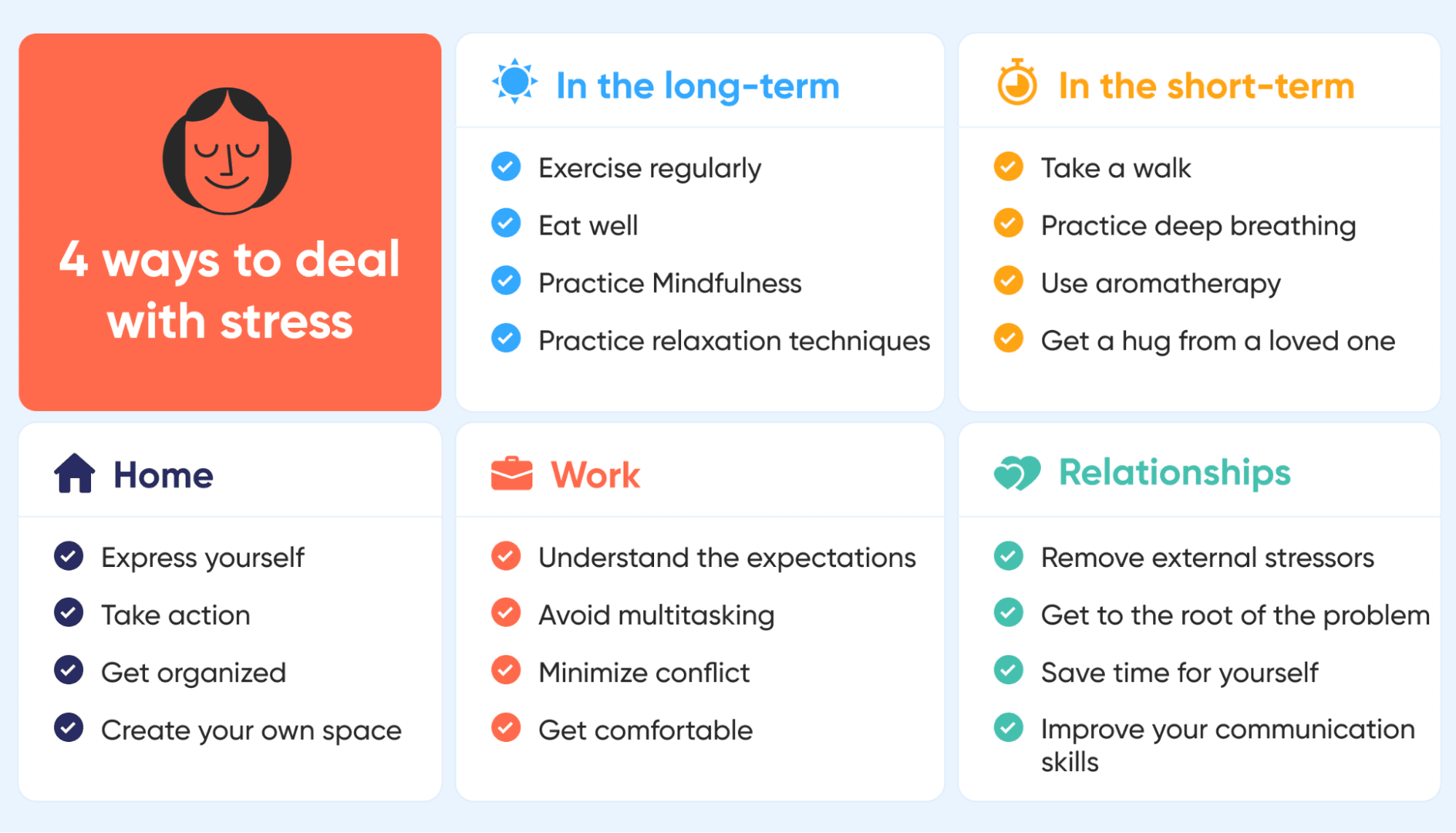
- Hydrate: Drink plenty of water throughout the day to stay hydrated and support optimal bodily functions.
- Limit caffeine and alcohol: These substances can exacerbate stress and interfere with quality sleep.
- Eat mindfully: Pay attention to your hunger cues and choose nutritious foods that nourish your body.
The Role of Physical Activity in Stress Management
Exercise is a powerful tool for managing stress and improving overall well-being. Physical activity has been shown to reduce stress hormones, promote the release of endorphins (feel-good chemicals), and improve mood and sleep quality. By incorporating regular exercise into your routine, you can better cope with stress and feel more resilient and balanced.
How does exercise impact stress levels?
When you exercise, your body releases endorphins, which are natural mood boosters that help reduce feelings of stress and anxiety. Exercise also helps regulate cortisol levels, improve circulation, and promote relaxation, all of which can contribute to a reduction in stress levels and an overall sense of well-being.
Types of exercise for stress relief
-
Cardiovascular exercise: Activities like running, biking, or swimming can get your heart rate up and release endorphins to boost your mood.
-
Strength training: Lifting weights or using resistance bands can help release tension in the body and build strength and resilience.
-
Yoga and Pilates: These mind-body practices combine movement and breath work to promote relaxation and centering.
Cultivating Emotional Well-Being for Stress Relief
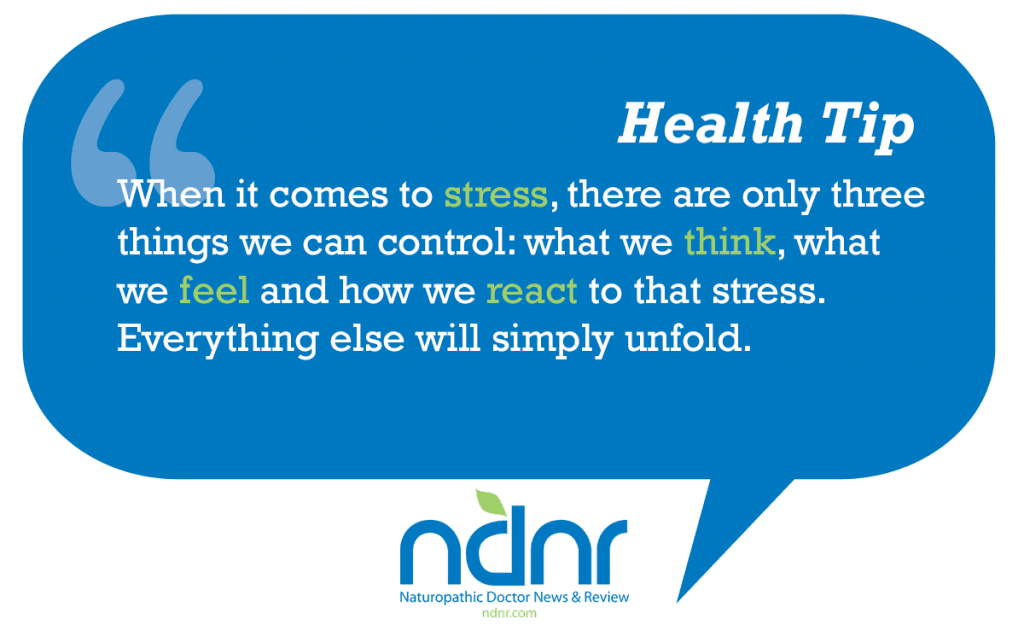
Emotions play a significant role in our experience of stress. When we’re able to acknowledge, express, and manage our emotions in healthy ways, we can better cope with stress and create more balance in our lives. Cultivating emotional well-being involves developing self-awareness, self-compassion, and effective coping strategies for managing difficult emotions.
Why is emotional well-being important for stress management?
When we suppress or ignore our emotions, they can build up and manifest as physical symptoms of stress. By learning to identify, express, and process our emotions in healthy ways, we can release tension and promote emotional resilience. Emotional well-being also involves developing healthy coping strategies for managing stress and promoting self-care.
Tips for cultivating emotional well-being
- Practice self-care: Make time for activities that bring you joy and relaxation, whether it’s reading a book, taking a bath, or spending time in nature.
- Express yourself: Journaling, talking to a friend, or engaging in creative activities can help you process your emotions and gain clarity and perspective.
- Seek support: If you’re feeling overwhelmed, don’t be afraid to reach out for help from a therapist, counselor, or trusted loved one.
Mindfulness and Relaxation Techniques for Stress Relief
Mindfulness is the practice of being fully present in the moment, without judgment or distraction. When we cultivate mindfulness, we can create a sense of calm and awareness that can help us navigate stress with greater ease. By incorporating mindfulness and relaxation techniques into our daily routine, we can reduce stress levels, improve focus, and promote overall well-being.
What is mindfulness, and how does it help with stress?
Mindfulness involves paying attention to the present moment with openness and curiosity, rather than getting caught up in worries about the past or future. By practicing mindfulness, we can cultivate a sense of peace and equanimity that can help us respond to stress in more constructive ways. Mindfulness also helps regulate the nervous system and promote relaxation, reducing the physical symptoms of stress.
Techniques for cultivating mindfulness and relaxation
-
Meditation: Set aside a few minutes each day to sit quietly and focus on your breath or a specific meditation technique to promote relaxation and centering.
-
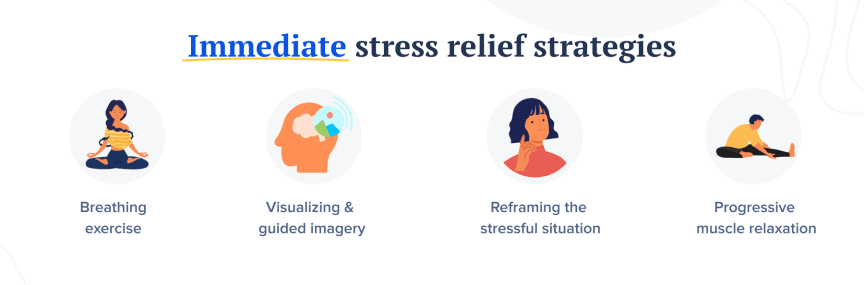
Progressive muscle relaxation: Tense and release different muscle groups in your body to release tension and promote relaxation.
-
Deep breathing: Practice deep breathing exercises to calm the nervous system and bring your body into a state of relaxation.
Creating a Holistic Stress Management Plan
To effectively manage stress and promote overall well-being, it’s important to create a holistic stress management plan that addresses all aspects of your being. By combining different techniques and practices that support your mind, body, and spirit, you can create a comprehensive approach to stress management that works for you.
Elements of a holistic stress management plan
-
Physical activity: Incorporate regular exercise into your routine to reduce stress hormones and improve mood and well-being.
-
Supportive nutrition: Eat a balanced diet rich in nutrients to support your body’s stress response and promote optimal health.
-
Emotional well-being: Develop self-awareness, self-compassion, and healthy coping strategies for managing stress and promoting emotional resilience.
-
Mindfulness and relaxation: Practice mindfulness and relaxation techniques to reduce stress levels, improve focus, and create a sense of calm and awareness.
Tips for creating a personalized stress management plan
- Set realistic goals: Start small and gradually incorporate new practices into your routine to avoid overwhelm.
- Listen to your body: Pay attention to your body’s signals and adjust your plan as needed to meet your unique needs.
- Be consistent: Make a commitment to your stress management plan and prioritize self-care and well-being in your daily life.
Final Thoughts
Stress is a natural part of life, but it doesn’t have to control you. By incorporating holistic stress management techniques into your daily routine, you can create a sense of balance, resilience, and well-being that allows you to navigate life’s challenges with greater ease. Remember, you have the power to cultivate a healthier relationship with stress and create a more harmonious and fulfilling life. You’ve got this!