
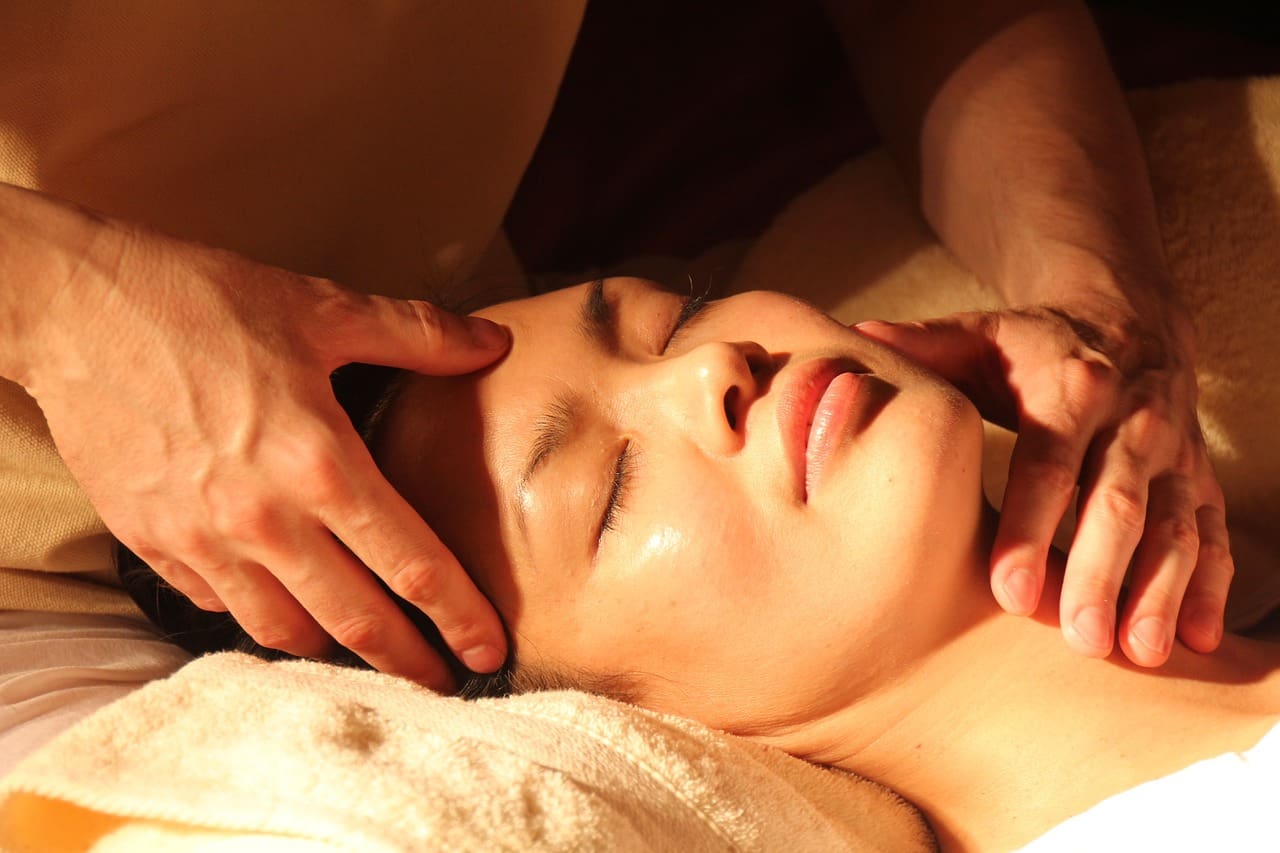
In this article, you will explore the fascinating world of acupressure and its integral role in holistic health. Acupressure, a practice that originated in ancient China, involves stimulating specific pressure points on the body to promote balance and well-being. By uncovering the principles behind this centuries-old technique, you will gain a deeper understanding of how acupressure can enhance your overall health and vitality. Join us on this enlightening journey as we unravel the mysteries and benefits of acupressure in holistic health.
What is Acupressure?
Definition of Acupressure
Acupressure is a traditional healing technique that involves applying pressure to specific points on the body to stimulate the body’s natural ability to heal itself. This practice is rooted in traditional Chinese medicine and is based on the belief that there are channels of energy, known as meridians, that run through the body. By applying pressure to these points, acupressure aims to restore balance and promote optimal health.
Origins of Acupressure
Acupressure has its roots in ancient Chinese medicine, dating back thousands of years. It evolved from the same principles as acupuncture, but instead of using needles, acupressure relies solely on the pressure of the hands, fingers, or other tools. The practice of acupressure is deeply intertwined with the concepts of Qi, Yin, and Yang – the vital energy that flows through the body. It has been passed down through generations and has become a popular holistic healing modality worldwide.
Principles behind Acupressure
Acupressure is based on the principles of traditional Chinese medicine, which sees the body as a complex system of interconnected energy pathways. According to this belief, when the flow of energy, or Qi, is blocked or disrupted, it can result in various physical or emotional ailments. Acupressure aims to restore the balance of Qi by applying pressure to specific acupoints along the meridians, thereby promoting healing and overall well-being.
Acupressure Points
Understanding Meridians and Energy Flow
Meridians are like highways that carry the flow of vital energy, Qi, throughout the body. There are 12 main meridians, each linked to a specific organ or system in the body. These meridians connect various acupressure points, creating a network that allows the energy to flow freely. By targeting specific acupoints, acupressure can stimulate the flow of energy, promoting healing and restoring balance.
Key Acupressure Points
There are hundreds of acupressure points on the body, with each point having its unique properties and benefits. Some of the key acupressure points are:
- LI4 or Hegu – located between the thumb and index finger, it is believed to relieve headaches, toothaches, and stress.
- GV20 or Baihui – found at the top of the head, it is associated with mental clarity, relaxation, and overall well-being.
- SP6 or Sanyinjiao – situated above the ankle, it is believed to alleviate menstrual cramps, improve digestion, and promote sleep.
These are just a few examples, and the effectiveness of acupressure points can vary from person to person.
Mapping Acupressure Points on the Body
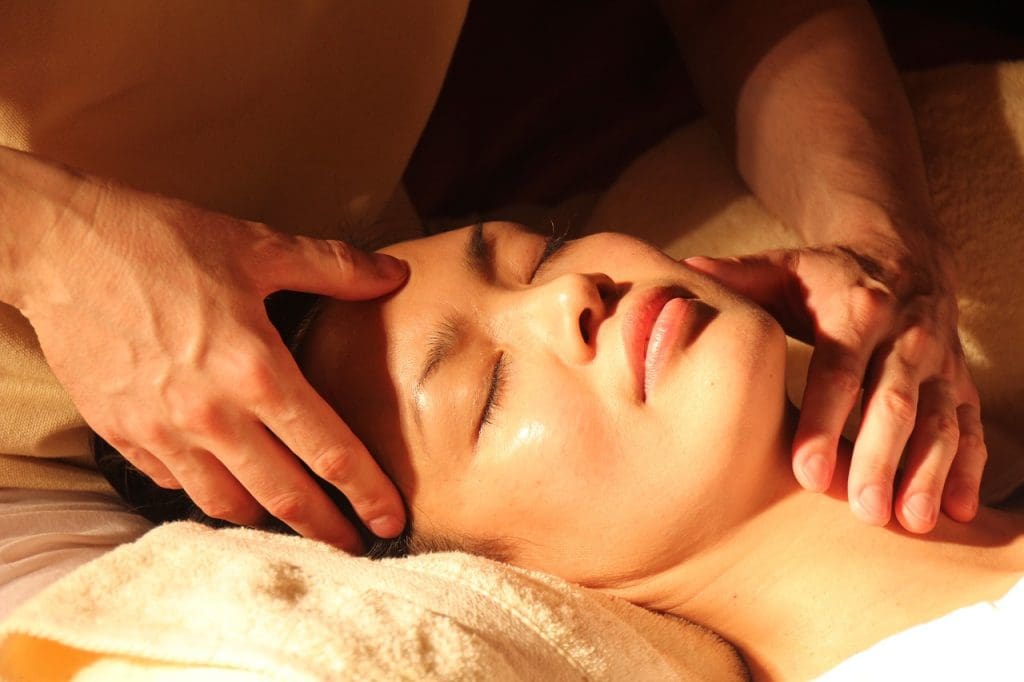
Acupressure points are located along the meridians throughout the body. They can be found on the head, face, neck, shoulders, arms, hands, torso, legs, and feet. Acupressure charts and diagrams can help identify these points and guide practitioners in their practice. It’s important to note that while acupressure points may be located in specific areas, the effects can be felt in other parts of the body as energy pathways intersect and influence each other.
Benefits of Acupressure
Pain Management and Relief
Acupressure has been used for centuries to manage and relieve various types of pain, including headaches, back pain, neck pain, and joint pain. By stimulating specific acupressure points, it can help release tension, promote blood circulation, and alleviate pain naturally.
Stress Reduction and Relaxation
In today’s fast-paced world, stress has become a common issue for many. Acupressure offers a natural and effective way to reduce stress and induce a state of relaxation. By targeting acupressure points that are associated with relaxation and calming effects, it can help melt away stress, promote deep relaxation, and improve overall well-being.
Improved Sleep Quality
Insomnia and sleep disorders can significantly impact one’s physical and mental health. Acupressure can help promote better sleep by targeting specific acupressure points that are believed to regulate sleep patterns and induce relaxation. By incorporating acupressure into a bedtime routine, individuals may experience more restful and rejuvenating sleep.
Enhanced Circulation
Healthy blood circulation is vital for optimal health. Acupressure can help improve circulation by stimulating the acupressure points that are associated with cardiovascular health. By promoting better blood flow, it can enhance the delivery of oxygen and nutrients to the body’s tissues and organs, supporting overall health and vitality.
Boosted Immune System
The immune system plays a crucial role in protecting the body from illness and disease. Acupressure can help strengthen the immune system by targeting specific acupressure points that are associated with immune function. By stimulating these points, acupressure can help enhance the body’s natural defense mechanisms and promote overall wellness.
Emotional Well-being
Acupressure is not only beneficial for physical health but also for emotional well-being. By targeting acupressure points that are believed to have an impact on emotions, it can help alleviate stress, anxiety, and depression. The practice of acupressure promotes a sense of calmness, balance, and inner harmony, contributing to emotional well-being and overall mental health.
Acupressure Techniques
Finger Pressure Technique
The finger pressure technique is the most common method used in acupressure. It involves applying steady pressure with the fingertips or thumb to the acupressure points. The pressure can be gentle or firm, depending on the individual’s comfort level and sensitivity of the acupoint.
Palm Pressure Technique
The palm pressure technique involves using the palm of the hand to apply pressure to the acupressure points. This technique is particularly useful for broader areas or when a more gentle approach is desired. It allows for a broader contact area and can be effective in promoting relaxation and improving circulation.
Knuckle Technique
The knuckle technique involves using the knuckles of the fingers to apply pressure to the acupressure points. This technique is often used when more focused pressure is needed or when working on smaller acupressure points, such as those found on the hands or feet.
Elbow Technique
The elbow technique is a more advanced acupressure technique that involves applying pressure using the bony part of the elbow. This technique is particularly useful for larger muscle groups or areas that require deeper pressure, such as the back or thighs.
Massage Tools and Devices
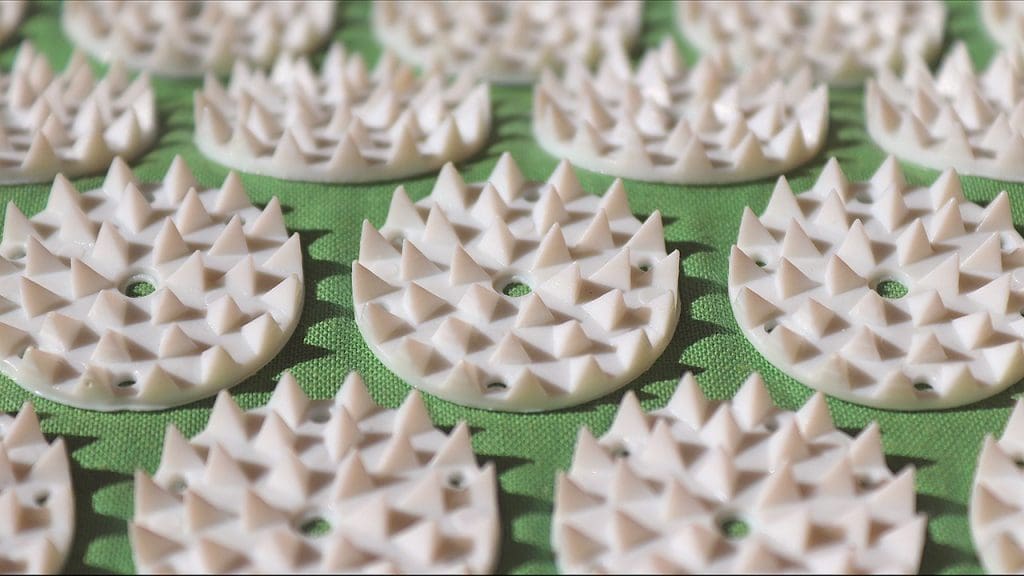
In addition to manual techniques, there are various tools and devices available that can aid in the practice of acupressure. These tools can include massage balls, rollers, mats, and electronic devices that provide targeted pressure to acupressure points. They can be used to enhance the effectiveness of acupressure and provide a more comfortable and convenient experience.
Conditions Treated with Acupressure
Headaches and Migraines
Acupressure has been shown to be effective in relieving headaches and migraines. By targeting specific acupressure points associated with headache relief, acupressure can help reduce pain, alleviate tension, and promote relaxation.
Muscle Tension and Pain
Muscle tension and pain can often be relieved through acupressure. By applying pressure to the acupressure points associated with muscle relaxation and pain relief, it can help release tension, reduce inflammation, and promote healing.
Digestive Disorders
Acupressure can be beneficial for digestive disorders such as indigestion, bloating, and constipation. By stimulating the acupressure points linked to digestive health, it can help improve digestion, regulate bowel movements, and alleviate discomfort.
Insomnia
Insomnia can be effectively treated with acupressure. By targeting the acupressure points associated with sleep regulation and relaxation, it can help calm the mind, release tension, and promote a more restful sleep.
Anxiety and Depression
Acupressure can be a valuable complementary therapy for managing anxiety and depression. By stimulating specific acupressure points that have an impact on emotions, it can help reduce anxiety, uplift mood, and enhance overall emotional well-being.
Menstrual Cramps
Acupressure has long been used to alleviate menstrual cramps. By targeting the acupressure points associated with menstrual health, it can help relieve pain, reduce muscle tension, and regulate hormonal imbalances.
The Science behind Acupressure
Activation of Pressure Points
When pressure is applied to an acupressure point, it stimulates the nerves and sends signals to the brain. This activation releases endorphins, which are the body’s natural painkillers, providing relief from pain and promoting a sense of well-being.
Neurotransmitter Release
Acupressure has been found to stimulate the release of neurotransmitters such as serotonin and dopamine. These neurotransmitters play a crucial role in regulating mood, promoting relaxation, and reducing pain perception.
Stimulation of Nervous System
By applying pressure to acupressure points, it triggers a response in the autonomic nervous system. This response can lead to changes in heart rate, blood pressure, and overall relaxation.
Effects on Brain Activity
Studies have shown that acupressure can have an impact on brain activity. Functional magnetic resonance imaging (fMRI) studies have revealed that acupressure can modulate activity in certain brain regions involved in pain and emotional processing.
Placebo or Real Effect?
While some argue that the effects of acupressure could be attributed to the placebo effect, numerous studies have shown its efficacy in various conditions. The consistent positive outcomes suggest that acupressure produces real physiological changes in the body.
Acupressure in Holistic Health
Holistic Approaches to Health
Holistic health approaches focus on treating the whole person – mind, body, and spirit – rather than just addressing individual symptoms. Acupressure aligns with this holistic philosophy by considering the interconnectedness of all aspects of health and working to restore balance and harmony within the body.
Balancing Energy Flow
Acupressure is based on the premise that the body’s energy flow, or Qi, must be balanced for optimal health. By stimulating acupressure points, energy blockages can be cleared, and the flow of Qi can be restored, promoting overall well-being.
Complementary Therapy
Acupressure is often used as a complementary therapy alongside conventional medical treatments. It can enhance the effects of other treatments and medications, promoting a holistic and integrative approach to healing.
Integration with Other Holistic Practices
Acupressure can be integrated with other holistic practices, such as acupuncture, meditation, yoga, and aromatherapy. These complementary practices can synergistically enhance the benefits of each modality, providing a more comprehensive approach to holistic health.
Precautions and Considerations
Certified Practitioners
While acupressure can be self-practiced, it is recommended to seek treatment from a certified acupressure practitioner, especially for complex or chronic conditions. Practitioners with proper training and expertise can ensure safe and effective treatment.
Pregnancy and Acupressure
Pregnant women should consult with their healthcare provider before receiving acupressure treatment. While acupressure can be beneficial during pregnancy, certain acupressure points are contraindicated, as they may stimulate uterine contractions.
Specific Points to Avoid
Some acupressure points should be avoided or used with caution in certain situations. For example, there are acupressure points that are contraindicated during pregnancy, others that may cause dizziness or lightheadedness, and some that should not be stimulated in individuals with certain medical conditions. It is important to have a comprehensive understanding of acupressure and consult with a professional if in doubt.
Consultation with Medical Professionals
Before starting any new holistic health practices, it is advisable to consult with a healthcare professional, especially if you have underlying medical conditions, are taking medications, or are undergoing any medical treatments. They can provide guidance and ensure that acupressure is appropriate for your individual needs.
Self-Practicing Acupressure
Learning from Experts
If you are interested in self-practicing acupressure, it is beneficial to learn from experts. There are various resources available, including books, online courses, and workshops, that can provide guidance on acupressure techniques, proper application, and the selection of appropriate acupressure points.
Techniques for Self-Application
Self-applying acupressure can be done using fingers, thumbs, or specialized tools designed for acupressure. Learning the correct techniques, such as applying steady pressure, massaging in circular motions, or using tapping motions, can help ensure effective self-treatment.
Understanding Personal Limits
It is essential to understand your own body’s limits and to be mindful of any discomfort or pain during self-acupressure. Gentle pressure should be applied, and if any discomfort or pain arises, it is advisable to stop or adjust the pressure. If in doubt or experiencing persistent discomfort, it is recommended to consult with a healthcare professional.
Conclusion
Acupressure as a Holistic Healing Modality
Acupressure is a powerful holistic healing modality that offers numerous benefits for physical, emotional, and mental well-being. Its rich history, rooted in traditional Chinese medicine, demonstrates its effectiveness in promoting balance, relieving pain, reducing stress, improving sleep, and supporting overall health.
Incorporating Acupressure into Daily Life
Incorporating acupressure into daily life can be simple and convenient. Whether it’s taking a few moments to apply gentle pressure to specific acupoints or seeking professional treatment, acupressure can be integrated into a holistic lifestyle to promote optimal health and well-being. By understanding the principles, techniques, and benefits of acupressure, individuals can harness its healing power and take proactive steps towards holistic health.