
Maintaining a healthy diet is essential for everyone, and as a man, it’s important to give your body the nourishment it needs. In this article, we’ll explore some key tips that can help you maintain a healthy diet, allowing you to feel energetic, improve your physical fitness, and promote overall well-being. By incorporating these tips into your daily routine, you’ll be on your way to a healthier lifestyle in no time.
Plan Your Meals
Create a weekly meal plan
Planning your meals can be a game-changer when it comes to maintaining a healthy diet. By creating a weekly meal plan, you can ensure that you have nutritious options available and avoid last-minute unhealthy choices. Take some time at the beginning of each week to plan out your meals and make a grocery list. This will not only save you time and stress but also help you stay on track with your health goals.
Include a variety of fruits and vegetables
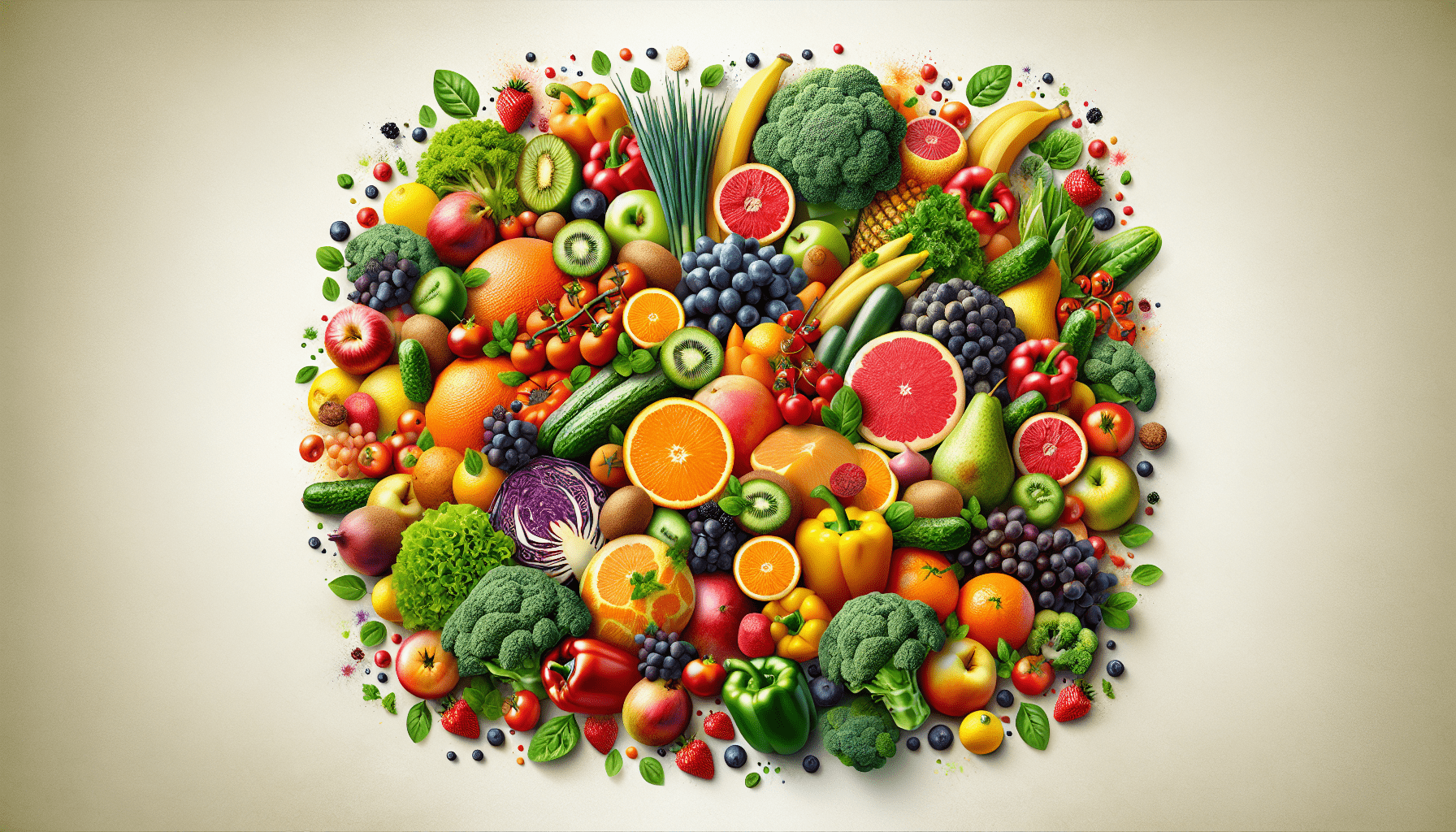
Fruits and vegetables are essential for a well-rounded and nutritious diet. They are packed with vitamins, minerals, and antioxidants that support overall health and well-being. Aim to include a variety of fruits and vegetables in your meals and snacks throughout the week. Consider incorporating different colors, textures, and flavors to keep things interesting. Whether it’s adding berries to your morning oats or enjoying a side of steamed broccoli with dinner, the options are endless.
Balance your protein intake
Protein is an important macronutrient that plays a crucial role in building and repairing tissues, supporting immune function, and maintaining a healthy metabolism. To ensure you’re getting enough protein, aim to include lean sources such as chicken, fish, tofu, or beans in your meals. It’s important to strike a balance and not rely solely on one source of protein. Mixing it up with different options will not only provide variety but also a wider range of essential amino acids.
Limit processed and sugary foods
Processed and sugary foods can wreak havoc on your health and undermine your efforts to maintain a healthy diet. These foods are often high in unhealthy fats, added sugars, and excess calories. They offer little to no nutritional value and can contribute to weight gain, increased risk of chronic diseases, and energy crashes. While it’s unrealistic to completely eliminate these foods from your diet, it’s important to limit your intake. Opt for whole, unprocessed foods as much as possible and indulge in processed and sugary treats occasionally and in moderation.
Watch Your Portion Sizes
Use smaller plates and bowls
The size of your plates and bowls can influence your portion sizes more than you might realize. By using smaller plates and bowls, you can trick your mind into thinking you are consuming a more substantial portion. This can be particularly helpful if you tend to eat larger portions out of habit. By reducing the size of your plates and bowls, you can naturally limit the amount of food you consume and prevent overeating.
Listen to your body’s hunger and fullness cues
It’s important to listen to your body when it comes to hunger and fullness. Eat when you are genuinely hungry and stop eating when you feel comfortably satisfied, not overly full. This may require slowing down and paying attention to the signals your body is sending you. Avoid rushing through meals or eating mindlessly, as it can lead to overeating. Give yourself permission to eat and enjoy your food, but also be mindful of your body’s signals.
Avoid eating out of large packages
Eating straight out of large packages can make it challenging to control your portion sizes. It’s easy to mindlessly consume more than intended when you’re not paying attention to how much you’re eating. To avoid this, portion out your snacks or meals onto separate plates or bowls. This way, you can visually see how much you are consuming and avoid the temptation to keep reaching into a bottomless bag or container.
Stay Hydrated
Drink plenty of water
Staying hydrated is crucial for overall health and well-being. Drinking plenty of water throughout the day can help maintain proper bodily functions, support digestion, and promote healthy skin. Make it a habit to carry a water bottle with you wherever you go, so you have a constant reminder to drink water. Aim for around eight cups, or 64 ounces, of water per day, but adjust based on your individual needs and activity levels.
Limit sugary beverages and alcohol
Many beverages, such as soda, energy drinks, and alcoholic beverages, are high in added sugars and empty calories. These drinks can contribute to weight gain, increase the risk of chronic diseases, and negatively impact your overall health. While it’s okay to indulge in sugary or alcoholic beverages occasionally, it’s important to be mindful of your intake. Opt for healthier alternatives like unsweetened tea, infused water, or sparkling water with a splash of fruit juice.
Include herbal teas and infused water for variety
If plain water feels boring, mix it up with herbal teas and infused water. Herbal teas can provide various health benefits and flavors without adding extra calories or sugars. Infused water can also be a refreshing and flavorful way to stay hydrated. You can add slices of fruits like lemon, cucumber, or berries to your water for a hint of flavor. Experiment with different combinations to find your favorites and make hydration more enjoyable.
Choose Whole Foods
Opt for whole grains instead of refined grains
Whole grains are a great source of fiber and nutrients, while refined grains have been stripped of their nutritional value. Opt for whole grain options such as whole wheat bread, brown rice, quinoa, or oats whenever possible. These whole grains can help promote better digestion, provide sustained energy, and contribute to overall heart health. Look for the word “whole” before the grain when reading ingredient lists.
Include lean sources of protein like chicken, fish, and tofu
When it comes to protein, choosing lean sources can help you maintain a healthy diet. Lean protein options like chicken, fish, tofu, or legumes are lower in saturated fat and provide essential amino acids. These proteins can support muscle growth and repair, help regulate appetite, and promote overall health. Be mindful of portion sizes and balance your protein intake with other macronutrients like carbohydrates and healthy fats.
Incorporate healthy fats from sources like avocados, nuts, and olive oil
Contrary to popular belief, not all fats are bad for you. In fact, healthy fats are an essential part of a balanced diet. They can provide energy, support brain function, and help absorb important fat-soluble vitamins. Include healthy fats from sources like avocados, nuts, seeds, and olive oil in your meals and snacks. Just remember that healthy fats are still high in calories, so portion control is key.
Cook at Home
Prepare meals from scratch
Cooking meals from scratch gives you control over the ingredients and cooking methods. When you prepare your meals, you can choose fresh and wholesome ingredients, limit unhealthy additives, and customize flavors to your liking. Experiment with different recipes and cooking techniques to keep things interesting. By cooking at home, you can take charge of what goes into your body and ensure that you’re nourishing yourself with nutritious and delicious meals.
Control the ingredients and cooking methods
When dining out or purchasing pre-packaged meals, it’s challenging to know exactly what goes into your food. By cooking at home, you have full control over the ingredients and cooking methods. This allows you to prioritize whole, unprocessed foods and avoid excessive amounts of unhealthy fats, sodium, and added sugars. It also gives you the opportunity to experiment with different flavors and seasonings to create dishes that are tailored to your preferences and dietary needs.
Experiment with new recipes and flavors
One of the great joys of cooking at home is the opportunity to experiment with new recipes and flavors. Expand your culinary horizons by trying out different cuisines, cooking techniques, and combinations of ingredients. Look for inspiration from cookbooks, cooking websites, or social media platforms. Not only will this keep your meals exciting and enjoyable, but it will also help you discover healthier alternatives to your favorite dishes.
Snack Smart
Choose nutritious snacks like fruits, vegetables, and yogurt
Snacking can be a part of a healthy diet when done right. Instead of reaching for processed snacks high in unhealthy fats and added sugars, opt for nutritious options like fresh fruits, vegetables, and yogurt. These snacks are packed with vitamins, minerals, and fiber that can help keep you satisfied between meals. Aim to combine a source of protein with your snacks, such as Greek yogurt or a handful of nuts, for an even more satisfying and balanced snack.
Avoid processed snacks high in unhealthy fats and added sugars
While it’s tempting to indulge in processed snacks like chips, cookies, or candy, these choices can derail your healthy eating habits. These foods are often high in unhealthy fats, added sugars, and empty calories. Although they may provide temporary satisfaction, they can lead to energy crashes, weight gain, and an increased risk of chronic diseases. Make it a habit to read food labels and choose snacks with real, whole ingredients whenever possible.
Limit Salt and Added Sugar
Read food labels and be mindful of sodium content
Many processed and packaged foods contain high amounts of sodium, even if they don’t taste particularly salty. Excessive sodium intake can contribute to high blood pressure, fluid retention, and other health issues. Be sure to read food labels and be mindful of the sodium content in the products you consume. Aim to choose lower-sodium options and use herbs, spices, and other flavor enhancers to season your meals instead of relying on salt.
Use herbs and spices to flavor your meals instead of salt
Herbs and spices can add depth and flavor to your meals without the need for excessive amounts of salt. Experiment with different herbs and spices to find combinations that suit your taste buds and bring out the best in your dishes. From cinnamon and nutmeg in your morning oatmeal to basil and oregano in your pasta sauce, the possibilities are endless. Not only will this reduce your sodium intake, but it will also provide additional health benefits from the various herbs and spices.
Reduce consumption of sugary foods and drinks
Added sugars can hide in many foods and beverages, even those that don’t taste overly sweet. Consuming too much added sugar can contribute to weight gain, increase the risk of chronic diseases, and negatively impact your overall health. Be mindful of the sugar content in the products you consume and aim to reduce your overall consumption. Opt for naturally sweet foods like fresh fruits instead, and satisfy your sweet tooth with healthier alternatives like dark chocolate or homemade smoothies.
Eat Mindfully
Slow down and savor each bite
Eating mindfully involves slowing down and fully experiencing each bite. Take the time to savor the flavors, textures, and aromas of your food. Chew slowly and be present in the moment instead of rushing through meals. Not only does this enhance your overall dining experience, but it also allows your brain and body to recognize and respond to feelings of fullness. Eating mindfully can help prevent overeating and promote better digestion.
Pay attention to the taste, texture, and satisfaction of food
When you eat mindfully, you pay attention to the taste, texture, and satisfaction of your food. This means truly experiencing the flavors, noting the different textures, and assessing how satisfied you feel after eating. This awareness can help you better understand your preferences, develop a healthier relationship with food, and make informed choices about what and how much to eat. By tuning in to your body’s needs and listening to its signals, you can maintain a healthy diet.
Avoid distractions while eating, such as TV or electronic devices
Many people tend to eat while distracted, whether it’s watching TV, scrolling through their phones, or working on the computer. This can lead to mindless eating and a disconnection from the signals of hunger and fullness. To eat mindfully, it’s important to create a dedicated eating environment free from distractions. Sit down at a table, focus on your meal, and fully immerse yourself in the eating experience. This allows you to be present and aware of the nourishment your body is receiving.
Be Consistent
Stick to a regular eating schedule
Establishing a regular eating schedule can help regulate your appetite, stabilize energy levels, and support overall health. Aim to eat meals and snacks at consistent times throughout the day. This helps prevent extreme hunger, overeating, and erratic food choices. Listen to your body’s natural hunger and fullness rhythms, and fuel it with balanced meals and snacks accordingly. Consistency is key in establishing healthy eating habits.
Avoid skipping meals or relying on unhealthy convenience foods
Skipping meals or relying on unhealthy convenience foods can throw off your eating routine and undermine your efforts to maintain a healthy diet. By skipping meals, you may become excessively hungry and make impulsive choices that aren’t aligned with your health goals. Similarly, relying on unhealthy convenience foods can lead to poor nutrient intake and excessive consumption of unhealthy fats and added sugars. Plan ahead, pack nutritious snacks, and prioritize balanced meals to avoid falling into these traps.
Find healthy options when dining out
Eating out doesn’t have to sabotage your healthy eating habits. With some preparation and mindful decision-making, you can find healthy options when dining out. Look for restaurants that offer nutritious choices or customizable menus. Opt for grilled or roasted options instead of fried, and ask for dressings and sauces on the side. Be mindful of portion sizes, and consider sharing meals or taking leftovers home. By making conscious choices, you can enjoy dining out while still nourishing your body.
Seek Professional Advice
Consult with a registered dietitian for personalized recommendations
Everyone’s nutritional needs are unique, and consulting with a registered dietitian can provide personalized recommendations tailored to your specific needs and goals. A registered dietitian can assess your current diet, address any concerns or challenges you may have, and develop a personalized plan to help you maintain a healthy diet. They can also provide education, support, and guidance throughout your journey towards better health.
Discuss any specific dietary concerns or conditions
If you have specific dietary concerns or conditions, it’s crucial to discuss them with a healthcare professional or registered dietitian. They can provide specialized guidance and support based on your individual needs. Whether you have food allergies, intolerances, or medical conditions that require dietary modifications, seeking professional advice ensures that you receive accurate and safe recommendations to maintain a healthy diet.
Stay informed about nutrition research and guidelines
Nutrition research and guidelines are constantly evolving as new information becomes available. Stay informed by reading reputable sources, staying up to date with current research, and following guidelines provided by trusted organizations. This allows you to make informed decisions about your diet and stay ahead of the latest trends and misconceptions. Remember to approach nutrition information critically and seek professional advice for any questions or concerns.