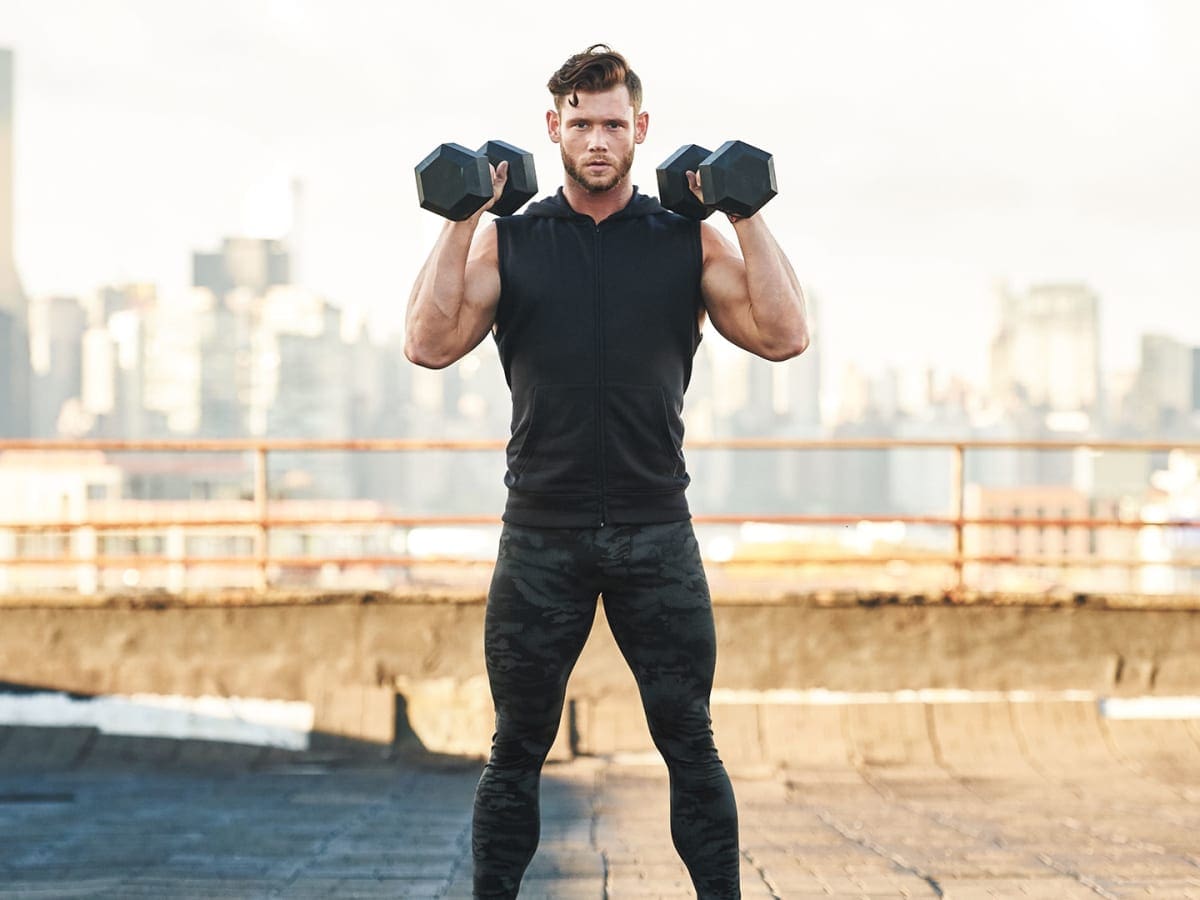
When it comes to men’s fitness, finding the right workouts can be a challenge. You want exercises that are effective, efficient, and tailored specifically to your needs. Look no further, as this article presents the best workouts for men’s fitness. From strength training to cardio exercises, these workouts will help you achieve your fitness goals and maintain a healthy lifestyle. Whether you’re a beginner or a seasoned gym-goer, these workouts are designed to enhance your physical performance and improve your overall well-being. Get ready to take your fitness journey to the next level with these top-notch workouts.
Weightlifting
Benefits of weightlifting
Weightlifting offers numerous benefits for your overall fitness and well-being. Not only does it help you build strength and muscle, but it also improves your bone density, boosts metabolism, and enhances your overall body composition. By engaging in weightlifting exercises regularly, you can increase your lean muscle mass, which in turn helps you burn more calories throughout the day. Additionally, weightlifting promotes better posture and reduces the risk of injury by strengthening your muscles and joints.
Different types of weightlifting exercises
There are various types of weightlifting exercises that you can incorporate into your fitness routine. Some popular weightlifting exercises include the bench press, squat, deadlift, shoulder press, and bicep curls. These exercises target different muscle groups in your body, allowing you to work on specific areas and achieve well-rounded strength. It is important to start with lighter weights and gradually increase the load as you become comfortable and confident with your technique.
Tips for weightlifting
To make the most out of your weightlifting sessions, here are some tips to keep in mind:
-
Start with a warm-up: Before diving into heavy lifting, it is crucial to warm up your muscles by engaging in some light cardio exercises or dynamic stretching. This helps prevent injuries and prepares your body for the workout ahead.
-
Focus on proper form: Always prioritize proper form over lifting heavy weights. Maintaining correct form ensures maximum efficiency and reduces the risk of injuries. Consider working with a qualified trainer or watching instructional videos to learn the correct technique for each exercise.
-
Gradually increase weights: It is important to gradually increase the weights you lift to avoid straining your muscles or joints. Start with a weight that challenges you but allows you to maintain proper form. As you become stronger, progress to heavier weights gradually.
-
Incorporate rest days: Rest days are crucial for muscle recovery and growth. Make sure to allow your body enough time to rest between weightlifting sessions. Aim for at least one or two rest days per week.
-
Listen to your body: Pay attention to how your body feels during and after weightlifting workouts. If you experience any pain or discomfort, adjust your technique or consult a healthcare professional to ensure you are not pushing yourself too hard.
Cardiovascular Exercises
Benefits of cardiovascular exercises
Engaging in cardiovascular exercises is essential for maintaining good cardiovascular health and overall fitness. Cardio exercises, also known as aerobic exercises, increase your heart rate, improve lung capacity, and strengthen the cardiovascular system. Regular cardiovascular exercise can help reduce the risk of heart disease, lower blood pressure, improve endurance, and enhance your mood by releasing endorphins, also known as “feel-good” hormones.
Different types of cardiovascular exercises
There are many types of cardiovascular exercises that you can choose from to improve your cardiovascular health. Some popular options include running, cycling, swimming, brisk walking, dancing, and rowing. These exercises are great for getting your heart rate up and burning calories. It is important to find activities that you enjoy, as this will increase your likelihood of sticking to a consistent cardio routine.
Tips for cardiovascular exercises
To make the most out of your cardiovascular workouts, here are some tips to consider:
-
Start slow and gradually increase intensity: If you are new to cardiovascular exercise or have been inactive for a while, start with low-intensity activities and gradually increase the intensity over time. This allows your body to adapt and decreases the risk of injury.
-
Find a workout buddy: Cardiovascular exercises can be more enjoyable when done with a friend or group. Having a workout buddy can help motivate you and keep you accountable to your fitness goals.
-
Mix it up: Don’t limit yourself to just one type of cardiovascular exercise. Try different activities to keep things interesting and challenge different muscle groups. This also helps prevent boredom and ensures a well-rounded workout.
-
Stay hydrated: When engaging in cardio exercises, it is important to stay hydrated. Drink plenty of water before, during, and after your workouts to replace the fluids lost through sweating.
-
Incorporate interval training: Interval training involves alternating between high-intensity bursts of exercise and lower-intensity recovery periods. This can help improve your cardiovascular fitness and burn more calories in a shorter amount of time.
Interval Training
Benefits of interval training
Interval training is a highly effective workout method that offers numerous benefits for your fitness level. It helps improve your cardiovascular fitness, boosts metabolism, and promotes fat loss. By alternating between high-intensity intervals and lower-intensity recovery periods, interval training pushes your body to work harder and burn more calories both during and after the workout. It is a great way to maximize results in a shorter period of time.
Different types of interval training exercises
Interval training can be applied to various types of exercises, including running, cycling, swimming, and even weightlifting. Some common interval training methods include Tabata, which involves 20 seconds of intense exercise followed by 10 seconds of rest, and the 30-60 method, which alternates between 30 seconds of high-intensity exercise and 60 seconds of low-intensity exercise. You can tailor your interval training routine based on your fitness level and goals.
Tips for interval training
To make the most out of your interval training sessions, consider the following tips:
-
Warm-up properly: Before diving into high-intensity intervals, make sure to warm up your muscles with some light cardio exercises and dynamic stretches. This helps prepare your body for the intense workout ahead.
-
Start with shorter intervals: If you are new to interval training, start with shorter intervals and gradually increase the duration and intensity as your fitness level improves. This allows your body to adapt and prevents overexertion.
-
Use a timer or fitness app: Timing your intervals is crucial for effective interval training. Use a timer or a fitness app that can help you keep track of your workout intervals and rest periods.
-
Focus on proper form: As with any exercise, maintaining proper form is important during interval training. Pay attention to your technique and make adjustments as needed to avoid injury.
-
Stay consistent: Like any fitness routine, consistency is key to see noticeable results. Aim for at least two to three interval training sessions per week to maximize the benefits.
Bodyweight Exercises
Benefits of bodyweight exercises
Bodyweight exercises are a great way to improve your strength, flexibility, and overall fitness without the need for any equipment. These exercises can be done anywhere, making them accessible to everyone. Bodyweight exercises engage multiple muscle groups simultaneously, providing a comprehensive workout. They also help improve your balance and coordination.
Different types of bodyweight exercises
There is a wide range of bodyweight exercises to choose from, each targeting different areas of your body. Some common bodyweight exercises include push-ups, squats, lunges, planks, burpees, and mountain climbers. These exercises can be modified to suit different fitness levels, making them suitable for beginners and advanced exercisers alike.
Tips for bodyweight exercises
To make the most out of your bodyweight workouts, consider these tips:
-
Start with the basics: If you are new to bodyweight exercises, begin with the basic movements such as squats, push-ups, and planks. Focus on mastering proper form and gradually progress to more challenging variations.
-
Create a routine: Design a bodyweight workout routine that targets different muscle groups and provides a balanced full-body workout. This ensures that you engage all major muscle groups and avoid overworking specific areas.
-
Incorporate progression: As you become stronger and more comfortable with bodyweight exercises, challenge yourself by increasing the repetitions, adding new variations, or incorporating additional resistance bands or weights.
-
Listen to your body: Pay attention to how your body feels during and after bodyweight exercises. If you experience any pain or discomfort, modify the exercises or consult a fitness professional to ensure you are maintaining proper form and technique.
-
Make it fun: Bodyweight exercises can be enjoyable and versatile. You can incorporate them into different workout styles such as circuit training, high-intensity interval training, or even dance-based workouts. Find what makes you excited to exercise and incorporate it into your routine.
High-Intensity Interval Training (HIIT)
Benefits of HIIT
High-Intensity Interval Training, or HIIT, is a workout style that combines short bursts of intense exercise with periods of active recovery. HIIT offers several benefits, including improved cardiovascular fitness, increased calorie burn, enhanced endurance, and time efficiency. The intense bursts of exercise push your body to its limits, while the recovery periods allow for brief rest before repeating the cycle.
Different types of HIIT exercises
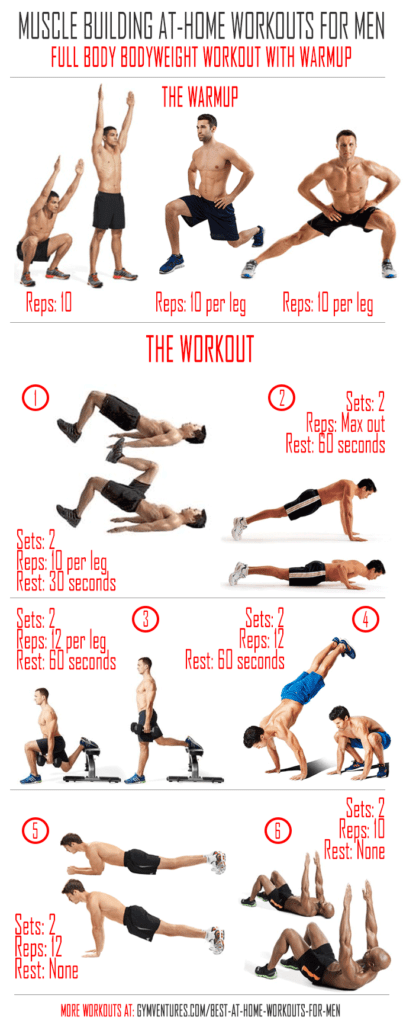
HIIT exercises can vary greatly, depending on personal preference and fitness level. Common HIIT exercises include burpees, mountain climbers, squat jumps, high knees, and sprints. You can also incorporate traditional strength exercises such as push-ups and lunges into your HIIT routine. The key is to maintain a high level of intensity during the exercise intervals.
Tips for HIIT
To make the most out of your HIIT workouts, consider these tips:
-
Warm-up thoroughly: HIIT workouts can be intense, so it is crucial to warm up your muscles and prepare your body for the high-intensity intervals. Incorporate dynamic stretches and light cardio exercises into your warm-up routine.
-
Listen to your body: While HIIT workouts are challenging, it is important to listen to your body and know your limits. If a particular exercise or interval feels too difficult, modify it or take a longer recovery period. Gradually build up your stamina and intensity over time.
-
Maintain proper form: Just like any other workout, maintaining proper form during HIIT exercises is crucial to prevent injuries. Focus on technique rather than rushing through the movements. If you are unsure about your form, seek guidance from a qualified trainer.
-
Stay hydrated: HIIT workouts can be very demanding and cause excessive sweating. Make sure to drink plenty of water before, during, and after your HIIT sessions to stay hydrated.
-
Include a mix of exercises: To keep your HIIT workouts engaging, include a mix of different exercises that target various muscle groups. This not only provides a well-rounded workout but also prevents boredom.
Functional Training
Benefits of functional training
Functional training focuses on improving your ability to perform everyday movements and activities by incorporating exercises that mimic real-life situations. It helps improve your overall strength, balance, flexibility, and coordination, which are crucial for performing daily tasks efficiently. Functional training can also reduce the risk of injuries by strengthening the muscles used in everyday activities.
Different types of functional training exercises
Functional training exercises can vary greatly, but they often involve multi-joint movements and engage multiple muscle groups simultaneously. Examples of functional training exercises include squats, lunges, step-ups, kettlebell swings, medicine ball throws, and balance exercises such as single-leg reaches or yoga poses. These exercises simulate movements that you regularly perform outside of the gym, helping you become more efficient in your daily activities.
Tips for functional training
To maximize the benefits of functional training, consider the following tips:
-
Identify your daily movement patterns: Take a moment to analyze the movements you perform frequently in your daily life, such as bending, lifting, or reaching. Incorporate functional exercises that mimic these movements into your workout routine.
-
Focus on core strength: Functional training emphasizes core strength, as it plays a vital role in stabilizing your body during movements. Incorporate exercises that target your core, such as planks or woodchoppers, to enhance your overall functional fitness.
-
Use a variety of equipment: Functional training can be done with various equipment, including resistance bands, medicine balls, kettlebells, and stability balls. Incorporating different equipment adds variety to your workouts and challenges different muscle groups.
-
Practice balance exercises: Balance exercises are important for functional fitness, as they improve stability and coordination. Try incorporating exercises that challenge your balance, such as single-leg stands or yoga poses, into your training routine.
-
Progress gradually: As with any exercise, start with exercises that suit your current fitness level and gradually progress to more challenging variations. This allows your body to adapt and prevents overexertion.
Calisthenics
Benefits of calisthenics
Calisthenics, also known as bodyweight training, utilizes your own body weight as resistance to build strength, flexibility, and endurance. It is a versatile form of exercise that can be done anywhere, making it accessible to everyone. Calisthenics helps improve your overall body control, muscle tone, and coordination. It also promotes functional fitness by incorporating multi-joint movements.
Different types of calisthenics exercises
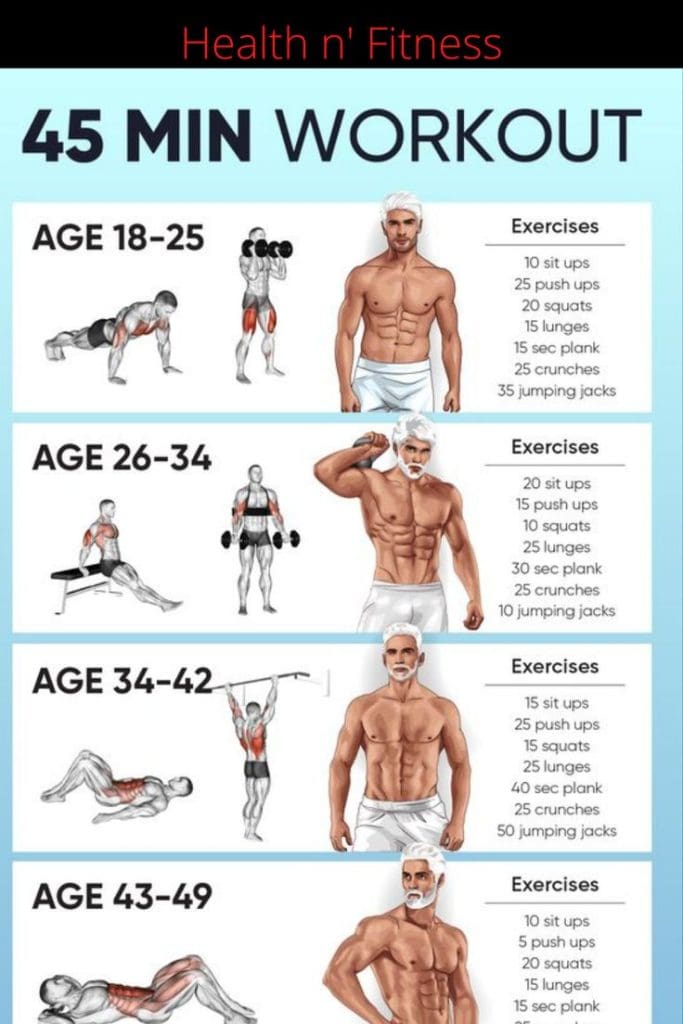
Calisthenics includes a wide range of exercises that target various muscle groups in your body. Some common calisthenics exercises include push-ups, pull-ups, squats, lunges, planks, and burpees. These exercises can be modified to suit different fitness levels, making them suitable for beginners and advanced exercisers alike. Additionally, calisthenics often incorporates dynamic movements and explosive power, further enhancing your athletic abilities.
Tips for calisthenics
To make the most out of your calisthenics workouts, consider these tips:
-
Learn proper technique: Calisthenics exercises rely heavily on proper technique and form. Focus on learning the correct form for each exercise and practice proper body alignment. Consider working with a qualified trainer or watching instructional videos to ensure your technique is correct.
-
Incorporate progressions: Start with basic variations of calisthenics exercises and gradually progress to more advanced variations as your strength and skill improve. This helps prevent injuries and allows for consistent improvement.
-
Include a variety of exercises: Calisthenics offers a wide range of exercises to choose from. Incorporate exercises that target different muscle groups to ensure a well-rounded workout. Diversity also keeps your workouts exciting and challenging.
-
Use circuit training: Calisthenics exercises can be combined into circuit training workouts, where you perform a series of exercises with minimal rest in between. This helps improve endurance and promotes fat loss.
-
Challenge yourself: Calisthenics can be as easy or as challenging as you make it. Continuously challenge yourself by increasing repetitions, incorporating new variations, or challenging exercises that push your limits.
Sports-specific Training
Benefits of sports-specific training
Sports-specific training focuses on improving your performance in a specific sport or athletic activity. It helps improve your strength, speed, agility, endurance, and overall athletic abilities. By incorporating exercises that mimic movements and demands of your sport, sports-specific training can enhance your skills and reduce the risk of injury.
Different types of sports-specific exercises
Sports-specific training exercises can vary depending on the sport you are aiming to improve in. For example, if you are a basketball player, exercises that involve jumping, lateral movements, and ball handling would be beneficial. On the other hand, a football player might focus on exercises that improve their explosiveness, agility, and tackling techniques. It is important to tailor your training to the specific demands of your sport.
Tips for sports-specific training
To optimize your sports-specific training, consider the following tips:
-
Analyze the demands of your sport: Take the time to understand the specific movements, skills, and physical demands of your sport. This will help you design a training program that targets the areas that will have the greatest impact on your performance.
-
Incorporate functional exercises: Functional exercises that mimic the movements of your sport are essential for sports-specific training. This allows your body to adapt and perform better during actual game situations.
-
Focus on specificity: When designing your training program, make sure to focus on exercises that closely resemble the movements and skills required in your sport. This ensures your training transfers directly to improved performance on the field or court.
-
Seek guidance if needed: If you are unsure about how to design a sports-specific training program, consider seeking guidance from a qualified sports trainer or coach. They can provide expert advice and tailor a program specifically to your needs.
-
Balance with rest and recovery: Investing in sports-specific training is important, but it is equally crucial to allow your body adequate rest and recovery. This allows your muscles to repair and adapt, ultimately leading to improved performance.

Flexibility Training
Benefits of flexibility training
Flexibility training is often overlooked but plays a crucial role in overall fitness and injury prevention. Regular flexibility training helps improve your joint range of motion, muscle elasticity, and overall mobility. It can also enhance your athletic performance, balance, and posture. Flexibility training reduces muscle imbalances, which can lead to improved muscle alignment and reduced risk of injuries during exercise or physical activity.
Different types of flexibility exercises
There are various types of flexibility exercises that you can incorporate into your training routine. These include static stretching, dynamic stretching, yoga, Pilates, and mobility drills. Static stretching involves holding a stretch for a certain period, while dynamic stretching involves moving parts of your body through a full range of motion. Yoga and Pilates classes often incorporate a combination of both static and dynamic stretches.
Tips for flexibility training
To make the most out of your flexibility training, consider these tips:
-
Warm up beforehand: Before diving into a flexibility training session, it is crucial to warm up your muscles with some light cardio exercises. This increases blood flow to your muscles and prepares them for stretching.
-
Avoid bouncing or jerking movements: When performing stretches, avoid bouncing or jerking movements, as they can cause muscle strains or tears. Instead, focus on slow, controlled movements and hold the stretch for an extended period.
-
Incorporate different types of stretches: To improve overall flexibility, incorporate a variety of stretches into your routine. This includes static stretches, dynamic stretches, and exercises that target different muscle groups.
-
Breathe and relax: When holding a stretch, focus on deep breathing and consciously relax the muscles you are stretching. This helps increase the effectiveness of the stretch and promotes a greater range of motion.
-
Stay consistent: Flexibility training requires consistency to see noticeable improvements. Aim for at least two to three flexibility sessions per week to maintain and improve your flexibility over time.
Core Strengthening Exercises
Benefits of core strengthening exercises
Core strengthening exercises focus on improving the stability and strength of your core muscles, which include the muscles in your abdomen, lower back, and pelvis. A strong core is essential for maintaining good posture, improving balance and stability, and reducing the risk of lower back pain or injuries. Core exercises also help enhance sports performance and daily functional movements.
Different types of core exercises
There are various types of core exercises that target different areas of your core. Some common core exercises include planks, crunches, Russian twists, bicycle crunches, and leg raises. These exercises engage multiple core muscles simultaneously, ensuring a well-rounded workout. Additionally, many compound exercises such as squats and deadlifts also engage the core muscles, making them a great addition to your core strengthening routine.
Tips for core strengthening
To maximize the benefits of core strengthening exercises, consider these tips:
-
Engage your core throughout the day: Core strengthening is not only about the exercises you do during your workout but also about how you engage your core in your daily activities. Focus on maintaining good posture and consciously engaging your core muscles when sitting, standing, or performing any movements.
-
Start with the basics: If you are new to core strengthening exercises, begin with the basic exercises such as planks or crunches. Focus on mastering proper form and gradually progress to more challenging variations.
-
Incorporate a variety of exercises: Ensure that you target all aspects of your core by incorporating exercises that engage different muscles. This helps develop overall core strength and prevents muscle imbalances.
-
Include stability exercises: Core stability is crucial for overall core strength. Include exercises that challenge your stability, such as balance exercises or exercises involving unstable surfaces like stability balls or BOSU balls.
-
Listen to your body: Pay attention to how your body feels during and after core strengthening exercises. If you experience any pain or discomfort, modify the exercises or consult a fitness professional to ensure you are maintaining proper form and technique.
Incorporating a combination of weightlifting, cardiovascular exercises, interval training, bodyweight exercises, HIIT, functional training, calisthenics, sports-specific training, flexibility training, and core strengthening exercises can provide a well-rounded fitness routine that targets different aspects of your overall fitness and helps you achieve your health and fitness goals. Remember to listen to your body, start at a comfortable level, and gradually progress as your strength and fitness improve. Stay consistent, have fun, and enjoy the journey towards a healthier and fitter you!