
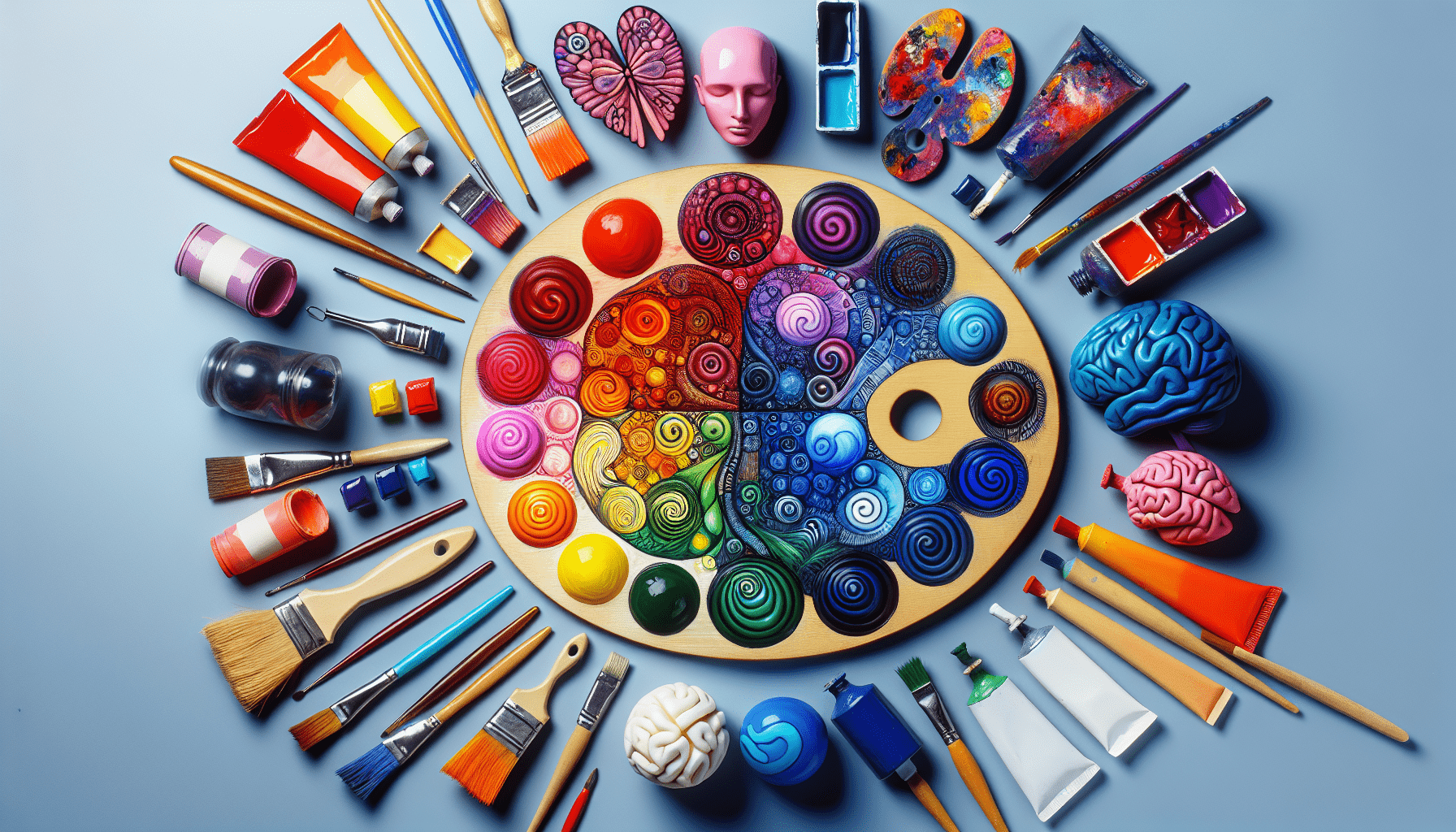
In this article, you will discover the intriguing relationship between creativity and mental wellness. We all have the capacity to be creative in various ways, and this article will shed light on how engaging in creative activities can positively impact our mental health. From painting and writing to dancing and playing music, you will learn how these expressive outlets can act as powerful tools to promote and maintain mental wellbeing. So, prepare to dive into the fascinating world of creativity and its profound connection to our overall mental wellness.
The Benefits of Creativity for Mental Wellness
Creativity has numerous benefits for mental wellness. Engaging in creative activities can significantly reduce stress and anxiety levels. When you immerse yourself in art, music, writing, or any other creative outlet, you enter a state of flow where the worries and pressures of daily life fade away. This immersion in the creative process allows your mind to relax, leading to a decrease in stress and anxiety.
Not only does creativity reduce stress, but it also has a profound impact on your mood and emotional well-being. Creating something can bring you joy, satisfaction, and a sense of accomplishment. When you express yourself creatively, you tap into your emotions, allowing for emotional release and improving your overall mood. Moreover, engaging in creative activities can serve as a distraction from negative thoughts and emotions, helping you maintain a more positive and optimistic outlook on life.
Creativity is a powerful tool for self-expression and self-awareness. It enables you to communicate your thoughts, feelings, and experiences in unique and meaningful ways. Through various artistic mediums, you can explore your inner self, gain insight into your emotions, and develop a deeper understanding of who you are as a person. This self-expression and self-awareness fosters personal growth and enhances your overall mental well-being.
Furthermore, creativity nurtures problem-solving and critical thinking skills. When you engage in creative activities, you are constantly faced with challenges and obstacles that require you to think outside the box and come up with innovative solutions. This stimulates your brain, enhances your cognitive abilities, and encourages you to approach problems from different angles. These skills are not only valuable in the realm of creativity but also applicable to various aspects of life, including work and relationships.
How Creativity Impacts Mental Wellness
The impact of creativity on mental wellness goes beyond mere relaxation and mood enhancement. It has both neurological and psychological effects that contribute to overall mental well-being. Neurologically, engaging in creative activities has been found to stimulate the release of dopamine, a neurotransmitter associated with pleasure and reward. This release of dopamine not only creates a sense of joy and satisfaction but also strengthens the neural connections in your brain, promoting cognitive function and mental sharpness.
Psychologically, creativity provides a cathartic and emotional release. When you engage in creative expression, you can channel your emotions into your art, whether it be through painting, writing, or dancing. This process allows you to externalize and process your feelings, providing a sense of relief and emotional healing.
Moreover, creativity can facilitate a state of flow, a concept coined by psychologist Mihaly Csikszentmihalyi. Flow state is characterized by complete immersion in an activity, where you are fully focused and absorbed in the present moment. This state of deep concentration promotes mindfulness, a practice that has been shown to reduce stress, improve mental clarity, and enhance overall well-being.
Lastly, engaging in creative activities gives you a sense of achievement and boosts your self-efficacy. It allows you to set goals, overcome challenges, and see tangible results. When you complete a painting, perform a piece of music, or finish writing a story, you experience a sense of accomplishment and fulfillment. This sense of achievement not only enhances your self-esteem but also reinforces your belief in your abilities to overcome obstacles and succeed in other areas of life.
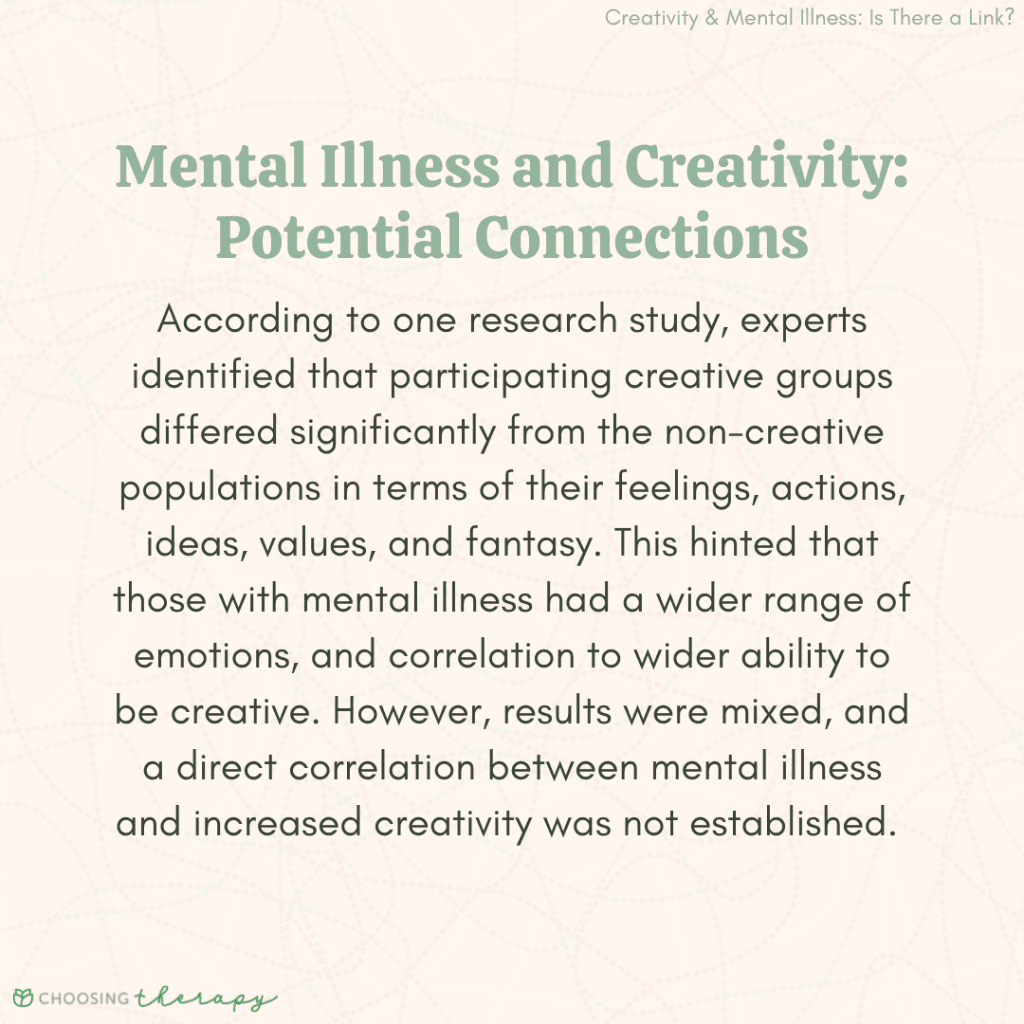
Different Forms of Creativity to Promote Mental Wellness
Creativity comes in various forms, all of which can contribute to your mental well-being. Visual arts, such as painting, drawing, and sculpting, provide a means of self-expression through colors, shapes, and textures. Engaging in these activities can be both therapeutic and relaxing.
Performing arts, including music, dance, and theater, allow for emotional expression through movement, sound, and storytelling. These forms of creativity enable you to connect with your emotions and communicate them to others, fostering a sense of connection and belonging.
Literary arts, such as writing, poetry, and storytelling, encourage self-reflection and self-expression through words. They provide an outlet for personal narratives, thoughts, and emotions, allowing you to make sense of your experiences and share them with others.
Crafts and DIY projects offer a hands-on approach to creativity. Engaging in activities like knitting, woodworking, or jewelry-making allows you to work with your hands and create something tangible. These activities can be both rewarding and relaxing, providing a sense of accomplishment and satisfaction.
Culinary arts and cooking provide a unique form of creativity. Experimenting with flavors, textures, and presentation allows you to express your creativity while also satisfying your taste buds. The process of preparing and cooking a meal can be meditative and enjoyable.
Photography and filmmaking enable you to capture moments, tell stories, and express your unique perspective through visuals. Engaging in these visual arts allows you to see the world from different angles and appreciate the beauty in everyday life.
How to Cultivate Creativity for Better Mental Wellness
Cultivating creativity in your life can greatly contribute to your mental well-being. Here are some tips to help you embrace and enhance your creative abilities:
-
Embrace curiosity and open-mindedness. Be willing to explore new ideas, perspectives, and artistic mediums. Allow yourself to be curious about the world around you and the endless possibilities for creative expression.
-
Engage in regular creative practices. Set aside dedicated time for creativity in your daily or weekly routine. Treat it as a priority and commit to nurturing your creative side on a regular basis.
-
Experiment with different artistic mediums. Don’t be afraid to try new forms of creativity and explore different artistic mediums. Experimentation allows you to discover what resonates with you and provides a fresh approach to your creative endeavors.
-
Seek inspiration from various sources. Surround yourself with inspiration by exploring different artists, attending art exhibitions, reading books, and listening to music. Inspiration can come from anywhere, so expose yourself to diverse influences and ideas.
-
Join creative communities and workshops. Engage with like-minded individuals who share your passion for creativity. Joining creative communities, attending workshops, or participating in group projects can provide support, feedback, and new perspectives.
-
Take breaks and find balance. Creativity requires mental energy and focus, but it’s also important to take breaks and find balance. Allow yourself time for relaxation, self-care, and mental rest. This allows your mind to recharge and ensures that your creativity remains sustainable in the long term.
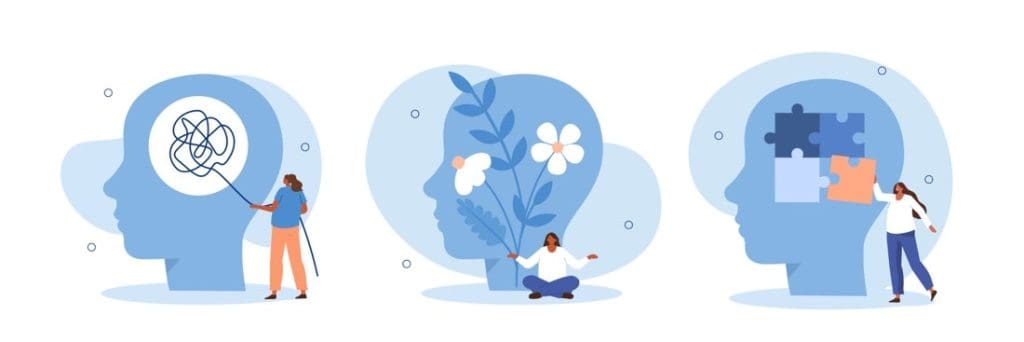
Creativity as a Therapy Tool for Mental Health
Creativity has long been recognized as a therapeutic tool for mental health. Various forms of creative therapy have emerged, harnessing the power of artistic expression to promote healing and well-being.
Art therapy and expressive arts therapy involve using visual arts, music, movement, and other creative mediums to allow individuals to explore their emotions, express themselves, and process trauma or difficult experiences. These therapies are conducted under the guidance of trained professionals who create a safe and supportive environment for exploration and growth.
Music therapy utilizes the power of music to address emotional, cognitive, and physical needs. Listening to and creating music can evoke strong emotions and facilitate self-expression. Music therapists use various techniques to engage individuals in active music-making, such as singing, playing instruments, or improvisation.
Drama therapy incorporates theatrical techniques, role-playing, and improvisation to explore and address emotional and psychological issues. Through drama therapy, individuals can gain insight into their own emotions and experiences, enhance their social and communication skills, and develop a greater sense of self-awareness and confidence.
Writing and journaling therapy involve the use of expressive writing to delve into thoughts, feelings, and experiences. Putting words on paper can be a cathartic process, allowing individuals to gain clarity, process emotions, and find meaning in their personal narratives. Writing and journaling can be done individually or in a group setting, depending on the individual’s preferences and goals.
These creative therapies not only provide individuals with a safe space for expression but also facilitate the development of coping skills, emotional resilience, and self-empowerment.
Overcoming Creative Blocks and Challenges
In the creative process, it is common to face creative blocks and challenges that hinder your progress and limit your artistic expression. Here are some strategies to overcome these obstacles:
-
Identify and address your inner critic. Negative self-talk and self-doubt can stifle your creativity. Recognize when your inner critic is holding you back and challenge those negative thoughts with positive affirmations and self-compassion.
-
Set realistic goals and expectations. Unrealistic expectations can create unnecessary pressure and hinder your creative flow. Set achievable goals and break larger projects into smaller, manageable tasks. Celebrate small accomplishments along the way to boost your motivation and confidence.
-
Foster a supportive and non-judgmental environment. Surround yourself with people who support and encourage your creative endeavors. Share your work with trusted friends, mentors, or fellow artists who provide constructive feedback and help you grow.
-
Explore new techniques and approaches. When you feel stuck in a creative rut, try experimenting with new techniques, materials, or styles. This can spark inspiration and unlock new possibilities for expression. Embrace the process of learning and allow yourself to make mistakes along the way.
-
Take time for self-care and mental rest. Overworking yourself can lead to burnout and creative exhaustion. Prioritize self-care activities that nurture your mind, body, and spirit. Engaging in activities unrelated to your creative pursuits can actually reignite your passion and give you a fresh perspective when you return to your artistic endeavors.
Remember, creativity is a journey, and it is normal to encounter challenges along the way. By persevering and adopting a growth mindset, you can overcome these obstacles and continue to grow as a creative individual.
Case Studies and Personal Stories of Creative Mental Wellness
There are countless examples of individuals who have experienced the transformative power of creativity on their mental wellness. Artists, musicians, and writers often share their personal stories of how engaging in creative endeavors has helped them overcome mental health challenges and find purpose and fulfillment.
Additionally, individuals with mental health conditions have found solace and healing through creative expression. The ability to externalize emotions, process trauma, and communicate without words has enabled them to regain a sense of control and well-being.
Community-based creative initiatives have also demonstrated the positive impact of creativity on mental wellness. The creation of art installations, community theaters, and collaborative projects not only brings people together but also fosters a sense of belonging, social connection, and empowerment.
These case studies and personal stories serve as a testament to the power of creativity to transform lives and promote mental wellness.
The Role of Creativity in Preventive Mental Health
Creativity plays a crucial role in preventive mental health. By nurturing creativity and encouraging creative outlets, individuals can develop emotional resilience, improve coping mechanisms, and reduce the risk of mental health disorders.
Engaging in creative activities provides an outlet for emotions, allowing individuals to process and express their feelings in a healthy and constructive manner. This emotional release serves as a preventive measure against the accumulation of stress, anxiety, and negative emotions.
Furthermore, creativity fosters problem-solving and critical thinking skills, which are essential in navigating challenges and managing daily life stressors. Individuals with developed creative abilities often approach problems with a fresh perspective, finding innovative solutions and enhancing their overall well-being.
By promoting emotional resilience and enhancing coping mechanisms, creativity acts as a protective factor against the development of mental health disorders. It equips individuals with skills and tools to effectively manage stress, regulate emotions, and maintain psychological well-being.
Moreover, engaging in creative activities promotes a sense of accomplishment, self-efficacy, and life satisfaction. These positive experiences contribute to overall well-being and serve as preventive measures against mental health challenges.
Bridging the Gap: Education and Integration of Creativity
To fully harness the benefits of creativity for mental wellness, it is essential to bridge the gap between creativity and mental health education. Integrating creativity into educational curricula can provide individuals with the knowledge and skills to nurture their artistic abilities and understand the connection between creativity and mental well-being.
By incorporating arts in mental health education, individuals can develop a holistic understanding of mental wellness and explore various creative outlets as therapeutic tools. Art classes, music programs, and drama workshops can be incorporated into schools, colleges, and wellness centers to provide individuals with opportunities to engage in creative expression and explore their potential for artistic self-discovery.
Encouraging cross-disciplinary collaboration can also bridge the gap between creativity and mental health. Professionals in the fields of art, psychology, and neuroscience can collaborate to research and develop innovative approaches that harness the power of creativity for mental wellness. By working together, these different disciplines can create a synergy that leads to the development of effective therapeutic interventions.
Integrating creativity into therapy programs is another crucial step in bridging the gap. Mental health professionals can explore and incorporate creative therapies into their treatment plans, recognizing the value of artistic expression in promoting healing and well-being.
Recognizing creative achievement in wellness programs is a way to encourage individuals to embrace their creativity and motivate others to explore their artistic potential. Creative competitions, exhibitions, and awards can celebrate the achievements of individuals and foster a sense of pride, accomplishment, and motivation.
By bridging the gap between creativity and mental wellness through education, collaboration, and recognition, we can create a society that values and embraces the unique connection between creativity and mental health.
Final Thoughts on Creativity and Mental Wellness
The connection between creativity and mental wellness is undeniable. Engaging in creative activities has numerous benefits, including reduced stress and anxiety levels, improved mood and emotional well-being, enhanced self-expression and self-awareness, and increased problem-solving and critical thinking skills.
Creativity impacts mental wellness on both neurological and psychological levels. It stimulates the release of dopamine, promotes emotional release, facilitates a flow state, and nurtures a sense of achievement and self-efficacy.
Different forms of creativity, such as visual arts, performing arts, literary arts, crafts, cooking, and photography, offer diverse opportunities for individuals to tap into their creative potential and promote their mental well-being.
Cultivating creativity involves embracing curiosity, engaging in regular creative practices, experimenting with different artistic mediums, seeking inspiration from various sources, joining creative communities, and finding balance through breaks and self-care.
Creativity serves as a therapy tool for mental health, with art therapy, music therapy, drama therapy, and writing/journaling therapy providing avenues for emotional healing and personal growth.
Overcoming creative blocks and challenges involves addressing the inner critic, setting realistic goals, fostering a supportive environment, exploring new techniques, and prioritizing self-care.
The case studies and personal stories of individuals who have experienced the transformative power of creativity on their mental wellness highlight the significant impact of creativity in promoting well-being.
Creativity plays a crucial role in preventive mental health, promoting emotional resilience, improving coping mechanisms, and reducing the risk of mental health disorders.
Bridging the gap between creativity and mental health involves incorporating arts in education, encouraging cross-disciplinary collaboration, integrating creativity into therapy programs, and recognizing creative achievement.
In conclusion, creativity has the power to enhance mental wellness, foster personal growth, and improve overall well-being. By embracing creativity, we can tap into our unique potential and embark on a journey of self-discovery and self-expression, leading to a fulfilled and balanced life. Arming ourselves with the knowledge and understanding of the connection between creativity and mental wellness, we can pave the way for a healthier and happier society.
