

Need a break from the everyday hustle and bustle? Look no further! This article has got you covered with a list of the most effective stress-relief activities. From simple techniques to more adventurous endeavors, you’ll find plenty of options to help melt away the tension and bring a sense of calm back into your life. So sit back, take a deep breath, and get ready to discover the keys to relaxation and tranquility.

Exercise
Physical activity is a great way to relieve stress and improve your overall well-being. Engaging in regular exercise not only benefits your physical health but also has a positive impact on your mental and emotional well-being. There are various types of exercises that you can incorporate into your routine to alleviate stress and promote relaxation. Here are a few effective stress-relief activities that you can try.
Aerobic activities
Aerobic exercises, such as running, swimming, or cycling, are excellent stress-relievers. These activities increase your heart rate, boost your mood, and release endorphins, also known as “feel-good” hormones. Whether you opt for a brisk walk or a high-intensity interval training session, aerobic exercises can help you reduce stress and anxiety while improving your cardiovascular health.
Strength training
Strength training exercises, such as weightlifting or resistance training, not only build muscle and improve physical strength but also contribute to stress relief. By engaging in strength training, you focus your mind on the present moment, allowing you to redirect your thoughts and release tension. Additionally, the feeling of accomplishment and confidence that comes with progressive resistance training can boost your mood and self-esteem.
Yoga
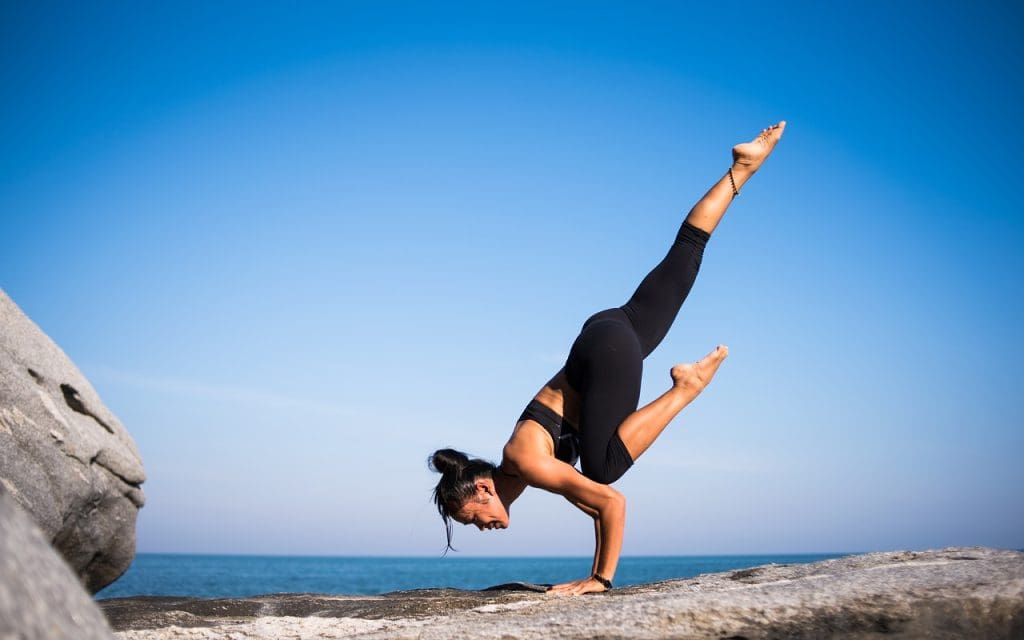
Yoga combines physical movement, breath control, and meditation, making it a comprehensive stress-relief activity. The practice of yoga promotes relaxation, flexibility, and mindfulness. Through a series of poses and stretches, you can release physical tension and cultivate a sense of calmness. Deep breathing exercises during yoga help activate the body’s relaxation response, reducing stress and promoting mental clarity.
Tai chi
Tai chi, an ancient Chinese martial art, is a gentle and slow-moving exercise that focuses on breathing and flowing movements. This mind-body practice promotes relaxation, balance, and internal harmony. The slow and deliberate nature of tai chi allows you to become fully present in the moment, letting go of stress and cultivating a sense of serenity. Regular practice of tai chi can improve your physical well-being and decrease stress levels.
Meditation
Meditation is a powerful technique that helps calm the mind, reduce stress, and enhance overall well-being. It involves training your attention and awareness to achieve a mentally clear and emotionally calm state. There are several types of meditation that you can explore to find the one that resonates with you.
Mindfulness meditation
Mindfulness meditation involves focusing your attention on the present moment without judgment. It encourages you to observe your thoughts, emotions, and physical sensations with acceptance and non-reactivity. By practicing mindfulness meditation regularly, you can cultivate a greater sense of calmness, improve your ability to manage stress, and enhance your overall well-being.
Transcendental meditation
Transcendental meditation is a specific form of meditation that involves the repetition of a mantra, a word or phrase, to achieve a state of deep relaxation and inner peace. By effortlessly reciting the mantra, you can transcend everyday thoughts and reach a state of pure consciousness. This practice helps release stress, improve brain functioning, and promote mental clarity.
Guided meditation
Guided meditation involves listening to an instructor or a recorded audio to guide you through a specific meditation practice. It can be particularly helpful for beginners or individuals who find it challenging to quiet their minds. Guided meditation can focus on relaxation, stress reduction, or visualization, depending on your specific goals. By following the guidance of a meditation teacher, you can effectively reduce stress and promote relaxation.
Breathing exercises
Breathing exercises are a simple yet powerful way to reduce stress and promote relaxation. Deep, slow breathing activates the body’s relaxation response, slowing down your heart rate, and calming your mind. You can practice breathing exercises anytime and anywhere, making them a convenient stress-relief tool. By consciously focusing on your breath and taking slow, deliberate breaths, you can instantly feel a sense of calm and tranquility.
Journaling
Journaling is a therapeutic practice that allows you to express yourself, reflect on your emotions, and gain insight into your thoughts and experiences. It can be a cathartic and stress-relieving activity that helps you process your feelings and maintain a healthy emotional balance. Here are different types of journaling techniques that you can explore.
Gratitude journaling
Gratitude journaling involves writing down things you are grateful for on a regular basis. By focusing on the positive aspects of your life, you can shift your mindset and cultivate an attitude of gratitude. This practice can help you reframe negative thoughts, reduce stress, and increase your overall sense of well-being.
Reflective journaling
Reflective journaling allows you to explore your thoughts and feelings in a deeper and more introspective manner. By writing about your experiences, challenges, and emotions, you can gain valuable insights and clarity. Reflective journaling can be a cathartic and stress-relieving activity, enabling you to process your thoughts and emotions effectively.
Stream of consciousness journaling
Stream of consciousness journaling involves writing without any specific structure or focus. You simply let your thoughts flow onto the paper without judgment or restraint. This practice can be liberating and therapeutic, allowing you to release any pent-up emotions or stress. Stream of consciousness journaling can help you gain clarity, reduce mental clutter, and relieve stress.
Art journaling
Art journaling combines writing and creative expression, allowing you to explore your thoughts and emotions through artistic mediums. By combining words, images, and colors, you can visually represent your inner world and find a unique form of self-expression. Art journaling can be a relaxing and stress-relieving activity that encourages self-discovery and emotional release.
Listening to Music
Music has a profound impact on our emotions and can be a powerful tool for stress relief. By listening to music that resonates with you, you can create a calming and uplifting environment that promotes relaxation and well-being.
Classical music
Classical music is known for its soothing and calming effect on the mind and body. The slow tempo, intricate melodies, and harmonies of classical compositions can induce a state of relaxation and tranquility. Listening to classical music can help reduce stress, improve focus, and enhance your overall mood.
Nature sounds
Nature sounds, such as raindrops, ocean waves, or bird songs, have a natural, calming effect on the mind and body. These sounds evoke a sense of serenity and connection with the natural world. Listening to nature sounds can help reduce anxiety, promote relaxation, and create a peaceful atmosphere.
Instrumental music
Instrumental music, without lyrics, allows your mind to focus solely on the melody and rhythm. This type of music can help you unwind, relax, and let go of stress. Whether it’s instrumental jazz, classical guitar, or ambient music, finding instrumental tracks that resonate with you can be an effective stress-relief activity.
Upbeat music
Upbeat music, such as pop, dance, or salsa, has the power to boost your mood and energize your body. Listening to uplifting and rhythmic music can lift your spirits, distract you from stressors, and motivate you to engage in physical activity. Whether you’re dancing around your living room or going for a run, upbeat music can be a fun and effective stress-relief activity.
Reading
Reading is a pleasurable and immersive activity that can transport you to different worlds, stimulate your imagination, and provide a much-needed escape from the pressures of everyday life. Whether you prefer fiction, self-help books, inspirational literature, or meditative texts, reading can be a therapeutic and stress-relieving activity.
Fiction
Reading fiction allows you to immerse yourself in a different narrative and temporarily step away from your own reality. It can provide a sense of relaxation as you engage with compelling characters, intriguing plots, and vivid descriptions. Fiction allows your mind to wander, offers a break from stress, and promotes mental relaxation.
Self-help books
Self-help books provide valuable insights and practical strategies for personal growth and well-being. They offer guidance on managing stress, improving relationships, and developing positive habits. By reading self-help books, you can gain valuable knowledge, gain a fresh perspective, and empower yourself to make positive changes in your life.
Inspirational books
Inspirational books can uplift your spirits and offer guidance during challenging times. These books often share stories of resilience, courage, and transformation, providing inspiration and hope. By reading inspirational literature, you can find solace, discover new perspectives, and cultivate a positive mindset.
Meditative literature
Meditative literature, such as poetry or spiritual texts, can help you find inner peace and connect with deeper aspects of your being. These texts often contain wisdom, reflection, and profound insights into the human experience. By reading meditative literature, you can engage in contemplation, expand your perspective, and find solace in the beauty of words.
Practicing Mindfulness
Mindfulness is a state of focused attention and non-judgmental awareness of the present moment. By practicing mindfulness, you can cultivate a greater sense of calmness, reduce stress, and improve your overall well-being. Here are a few mindfulness techniques that you can incorporate into your daily life.
Body scan meditation
Body scan meditation involves paying attention to different areas of your body, from head to toe, and noticing any physical sensations or tensions. By bringing awareness to your body, you can release tension, reduce stress, and bring a greater sense of comfort and relaxation. Body scan meditation can be practiced lying down or sitting in a comfortable position.
Observing thoughts and emotions
Observing your thoughts and emotions without judgment is a key aspect of mindfulness. By noticing your thoughts and emotions as they arise, you can develop a greater understanding of your inner world and reduce reactivity. This practice allows you to distance yourself from stressful thoughts or emotions, creating a sense of space and freedom.
Savoring daily activities
Savoring involves fully immersing yourself in the present moment and enjoying the small pleasures of everyday life. By savoring activities such as eating a meal, taking a walk, or spending time with loved ones, you can cultivate a sense of gratitude and contentment. Savoring daily activities enhances your ability to be present, reduces stress, and promotes overall well-being.
Walking meditation
Walking meditation combines the physical act of walking with mindfulness. It involves paying attention to the sensations of each step, the movement of your body, and the surrounding environment. By walking mindfully, you can ground yourself in the present moment, reduce stress, and gain a fresh perspective. Walking meditation can be practiced both indoors and outdoors.
Engaging in Hobbies
Engaging in hobbies is a wonderful way to foster creativity, relaxation, and personal fulfillment. Spending time doing activities that you enjoy can take your mind off stressors, enhance your mood, and promote a sense of accomplishment. Here are a few hobbies that can effectively relieve stress.
Painting or drawing
Painting or drawing allows you to express yourself visually and engage in a creative process. These activities can be relaxing, meditative, and provide a sense of accomplishment. Whether you’re creating a masterpiece or simply doodling on a sketch pad, painting and drawing can help you tap into your artistic instincts and experience stress relief.
Cooking or baking
Cooking or baking can be a therapeutic and enjoyable way to relieve stress. Preparing a meal or baking treats allows you to focus on the task at hand, engage your senses, and create something delicious. Cooking and baking can be a mindful activity that helps you unwind, release stress, and enjoy the simple pleasures of food.
Gardening
Gardening offers a unique way to connect with nature, reduce stress, and engage in physical activity. Whether you have a small indoor garden or a backyard oasis, tending to plants, flowers, or herbs can be a calming and rewarding experience. Gardening allows you to immerse yourself in the natural world, promote relaxation, and enjoy the beauty of growing things.
Playing a musical instrument
Playing a musical instrument can be both a creative outlet and a stress-relief activity. The act of playing an instrument requires focus, concentration, and coordination, allowing you to escape from stressors and immerse yourself in the music. Whether you’re strumming a guitar, playing the piano, or blowing into a flute, playing a musical instrument can promote relaxation and emotional well-being.
Spending Time in Nature
Spending time in nature is a powerful antidote to stress and a way to reconnect with the natural world. Being in nature provides a sense of peace, tranquility, and perspective that can help you relax and recharge. Here are a few ways to incorporate nature into your stress-relief activities.
Hiking or walking
Hiking or walking in nature allows you to immerse yourself in the beauty of the outdoors and benefit from physical movement. Walking or hiking on trails, through forests, or along the beach can be a refreshing and peaceful experience. The combination of fresh air, natural scenery, and physical activity can reduce stress, boost mood, and bring a sense of serenity.
Picnicking
Picnicking in a scenic spot allows you to combine the pleasures of food and nature. Whether you pack a simple snack or a gourmet meal, having a picnic outdoors can create a sense of relaxation and enjoyment. Sitting in nature, surrounded by greenery or a beautiful landscape, can help you unwind, socialize, and embrace the beauty of the natural world.
Camping
Camping offers a unique opportunity to disconnect from the hustle and bustle of daily life and immerse yourself in nature. Whether you pitch a tent in a remote wilderness or visit a designated campsite, camping allows you to reconnect with the rhythms of nature, sleep under the stars, and unplug from technology. The simplicity and tranquility of camping can provide a much-needed break from stress and promote relaxation.
Gardening
Gardening is not only a hobby but also a way to commune with nature and nurture a living environment. Whether you have a small plot or a window box, tending to plants and flowers can be a grounding and peaceful activity. Gardening allows you to connect with the natural cycles of growth, cultivate beauty, and enjoy the therapeutic benefits of being in nature.
Socializing with Loved Ones
Spending time with loved ones is an essential aspect of maintaining emotional well-being and reducing stress. Building and nurturing relationships provides a sense of connection, support, and belonging. Here are a few ways to socialize with your loved ones and enhance your stress-relief activities.
Quality time with family
Spending quality time with your family members creates an opportunity to bond, share experiences, and strengthen relationships. Whether it’s having a family dinner, playing board games, or going on outings together, prioritizing time with your family can help reduce stress and cultivate a sense of togetherness.
Talking to friends
Maintaining social connections with your friends is crucial for both your mental and emotional well-being. Engaging in meaningful conversations, sharing experiences, and providing support can be uplifting and stress-relieving. Whether it’s catching up over coffee, having a phone call, or meeting up for a walk, talking to friends can bring joy, laughter, and a sense of connection.
Joining a club or group
Joining a club or group with similar interests can be a great way to meet new people, expand your social circle, and engage in activities that you enjoy. Being part of a community or group gives you a sense of belonging and provides opportunities for social interactions. Whether it’s a hiking club, a book club, or a sports team, joining a group can enhance your stress-relief activities by fostering connection and camaraderie.
Attending social events
Attending social events, such as parties, gatherings, or community activities, can provide opportunities for socializing and building connections. These events offer a chance to meet new people, engage in conversations, and participate in enjoyable activities. Attending social events can bring a sense of excitement, lift your spirits, and provide much-needed social interaction.
Taking Breaks and Relaxing
In the midst of a busy and demanding life, it’s essential to take regular breaks and prioritize relaxation. Giving yourself permission to unwind and recharge can help you manage stress more effectively and improve your overall well-being. Here are a few ways to take breaks and relax.
Deep breathing exercises
Deep breathing exercises are a simple and effective way to calm the mind and release stress. By taking slow, deep breaths and focusing on your breath, you can activate the body’s relaxation response and reduce anxiety. Deep breathing exercises can be done anytime, anywhere, making them a convenient tool for stress relief.
Progressive muscle relaxation
Progressive muscle relaxation involves systematically tensing and relaxing different muscle groups in your body. This technique can help release physical tension and promote relaxation. By progressively contracting and relaxing each muscle group, you can create a sense of bodily comfort and reduce stress.
Taking a bath or shower
Taking a bath or shower can be a soothing and indulgent way to relax and unwind. The warm water and gentle sensation of water on your skin can help calm your mind and release tension. Adding aromatic oils or bath salts can enhance the experience and further promote relaxation.
Getting a massage
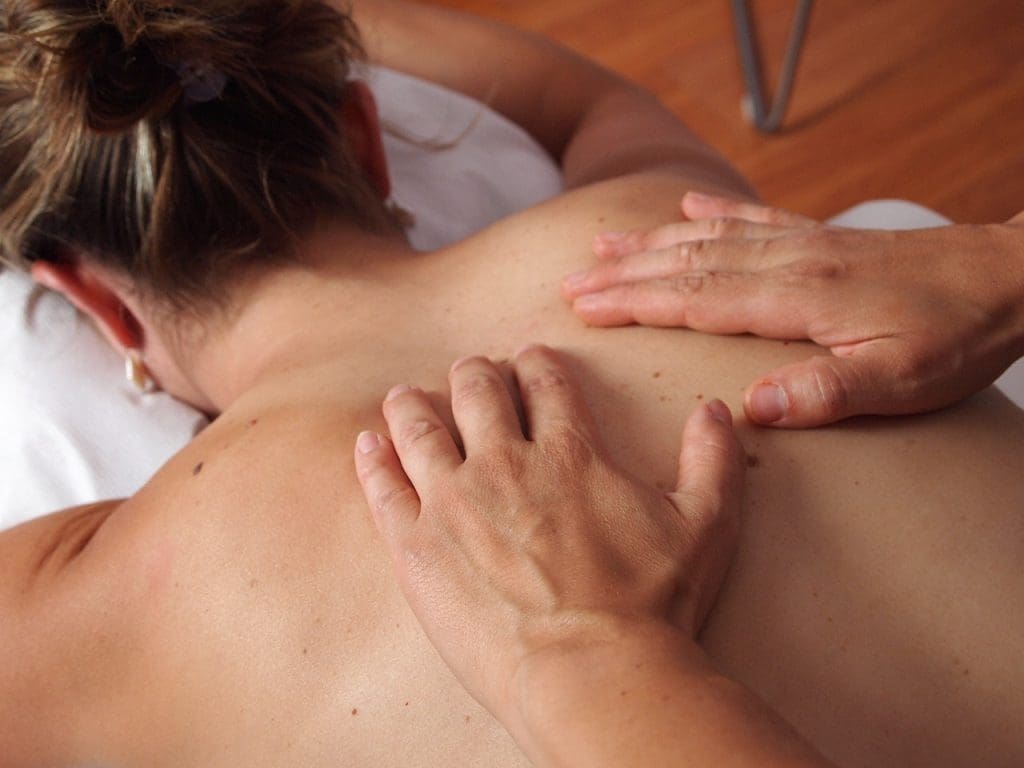
Getting a massage is a luxurious and therapeutic way to relieve stress and tension. The skilled techniques of a massage therapist can help release muscle tension, ease aches and pains, and promote deep relaxation. A massage session can be an opportunity to pamper yourself, unwind, and let go of stress.
Incorporating these stress-relief activities into your daily routine can have a significant positive impact on your overall well-being. Experiment with different activities, find what resonates with you, and make time for self-care and relaxation. Remember, taking care of your mental and emotional health is essential for living a balanced and fulfilling life.