
Welcome to an insightful exploration on the power of laughter and its impact on mental health. In this article, we will delve into the profound ways in which humor can positively influence your emotional well-being. From reducing stress and anxiety to boosting overall mood and fostering stronger connections with others, the ability to find humor in everyday situations can truly work wonders for your mental health. Embrace the power of laughter and discover a brighter outlook on life!
Have you ever noticed how good laughing makes you feel?
Laughter is a powerful tool that can have a significant impact on your mental health. In this article, we will explore the power of humor and how it can positively affect your overall well-being. Let’s dive in and discover the benefits of laughter on mental health.
The Science Behind Laughter
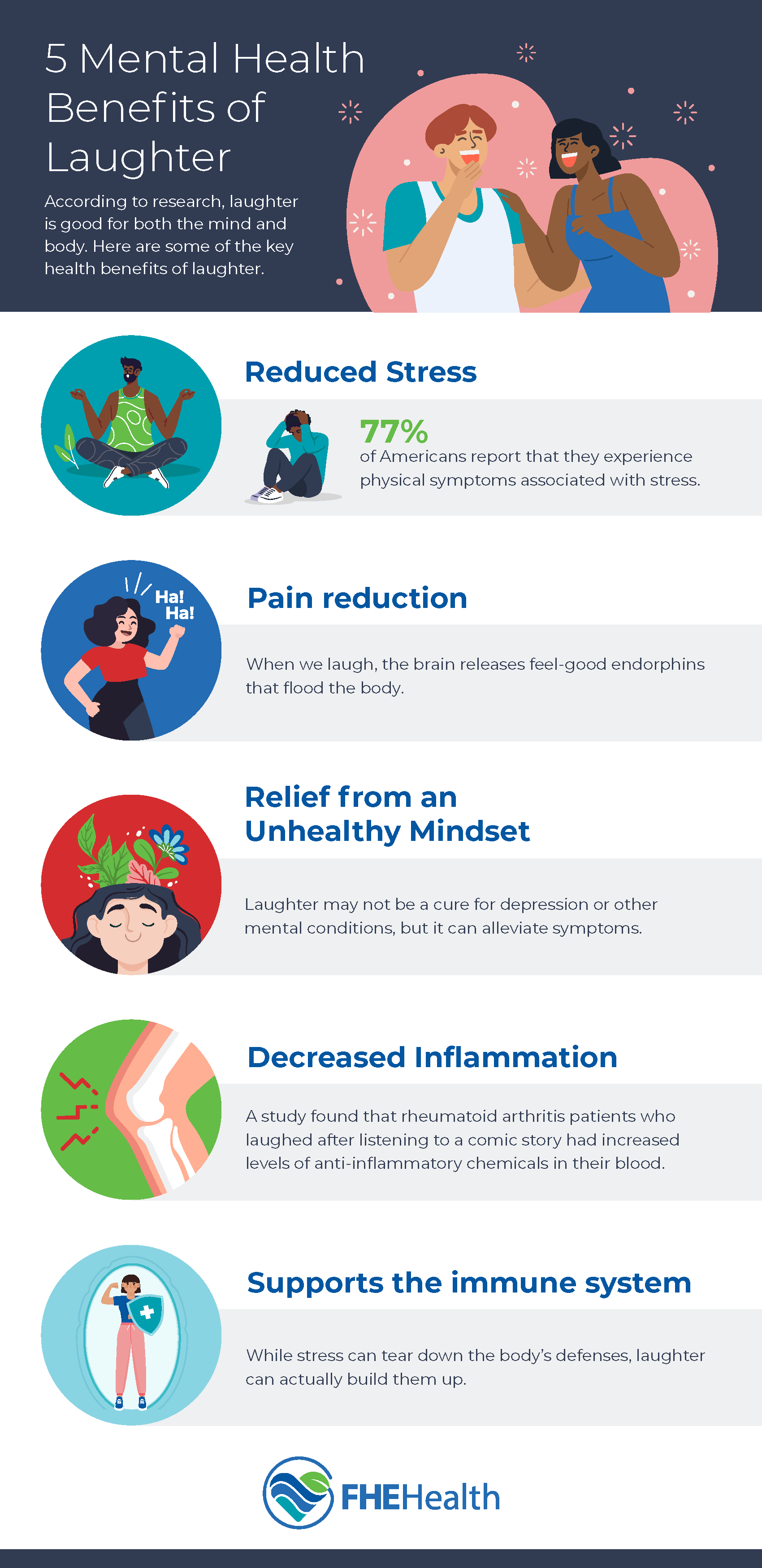
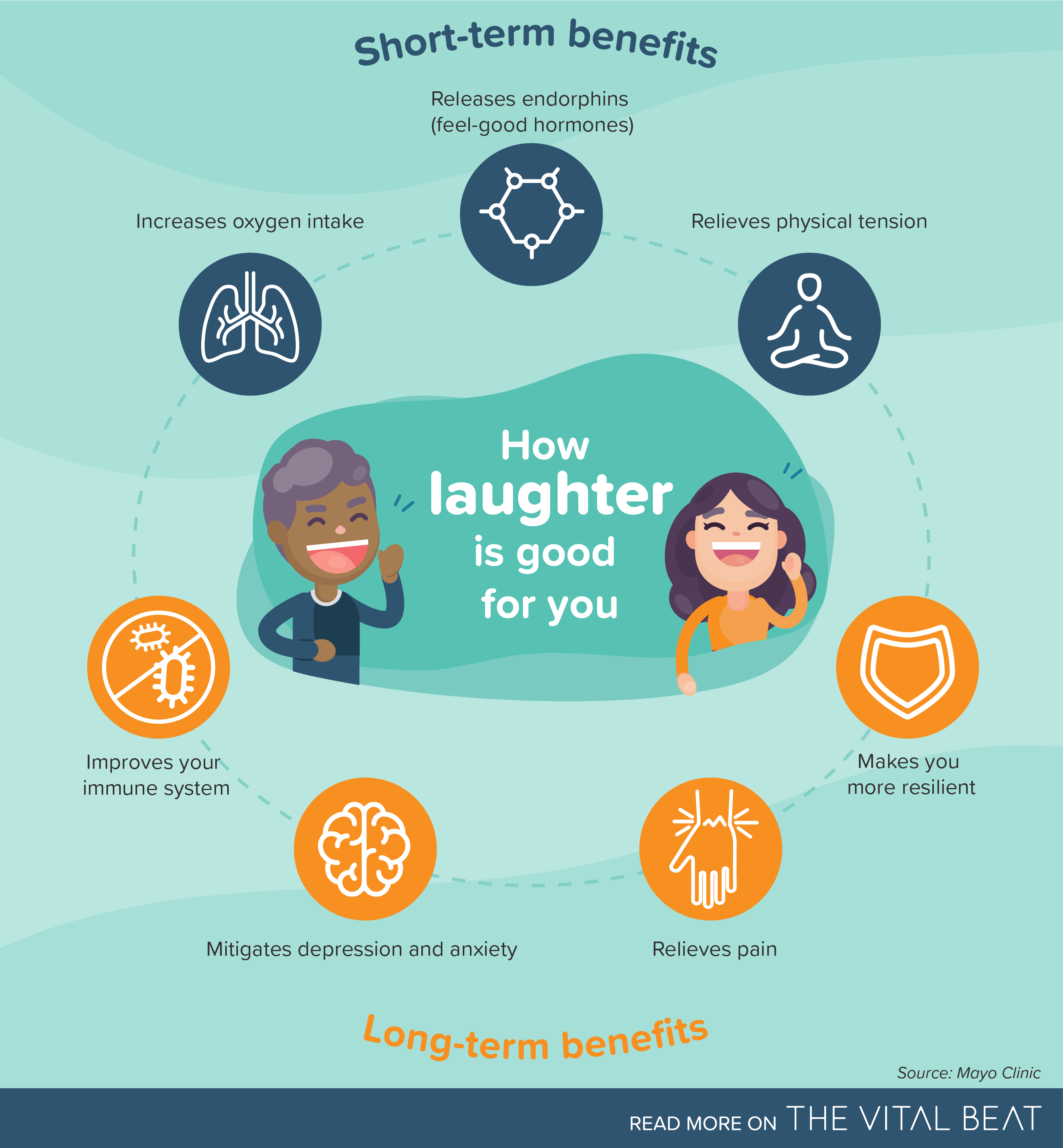
Have you ever wondered why laughter feels so good? When you laugh, your body releases endorphins, which are also known as “feel-good” hormones. These endorphins can help reduce stress and improve your mood. In fact, laughter has been shown to increase blood flow, lower blood pressure, and boost the immune system. So, next time you have a good laugh, remember that it’s not just in your head – it’s affecting your entire body in a positive way.
The Importance of Humor in Daily Life
Humor can be a great coping mechanism during challenging times. When you find humor in a difficult situation, it can help you see things from a different perspective and reduce feelings of anxiety or sadness. Incorporating humor into your daily life can also strengthen relationships with others, as laughter is a universal language that can bring people together. So, don’t be afraid to laugh at yourself or find humor in everyday situations – it’s good for your mental health.
Laughter Therapy: A Fun Approach to Healing
Laughter therapy, also known as humor therapy, is a form of therapy that uses humor and laughter to promote overall well-being. This therapeutic approach can help reduce stress, improve mood, and enhance quality of life. Laughter therapy often involves activities such as laughter exercises, joke-telling, and improv comedy. By participating in laughter therapy sessions, you can experience the healing power of laughter firsthand and learn how to incorporate more humor into your daily life.
Benefits of Laughter Therapy
Laughter therapy offers a wide range of benefits for mental health. By engaging in laughter therapy, you can experience the following positive effects:
- Reduced stress and anxiety
- Improved mood and outlook on life
- Enhanced sense of community and connection with others
- Increased resilience in the face of challenges
How to Practice Laughter Therapy at Home
You don’t need a professional laughter therapist to experience the benefits of laughter therapy. There are plenty of ways you can practice laughter therapy at home, such as:
- Watching a comedy show or funny movie
- Listening to a stand-up comedy routine or funny podcast
- Spending time with friends or family who make you laugh
- Engaging in playful activities or games that bring joy and laughter
Using Humor as a Coping Mechanism
Life can be tough, and we all face challenges at one point or another. During difficult times, humor can be a powerful coping mechanism that helps you navigate through adversity. Finding humor in a tough situation can provide a temporary relief from stress and anxiety, allowing you to see things from a different perspective. By using humor as a coping mechanism, you can build resilience and maintain a positive outlook even in the face of adversity.
Tips for Using Humor as a Coping Mechanism
Here are some tips for using humor as a coping mechanism during challenging times:
- Maintain a sense of humor, even in difficult situations
- Surround yourself with funny and uplifting people
- Find the silver lining in tough situations and laugh about it
- Practice self-care and engage in activities that bring you joy and laughter
The Social Aspect of Laughter
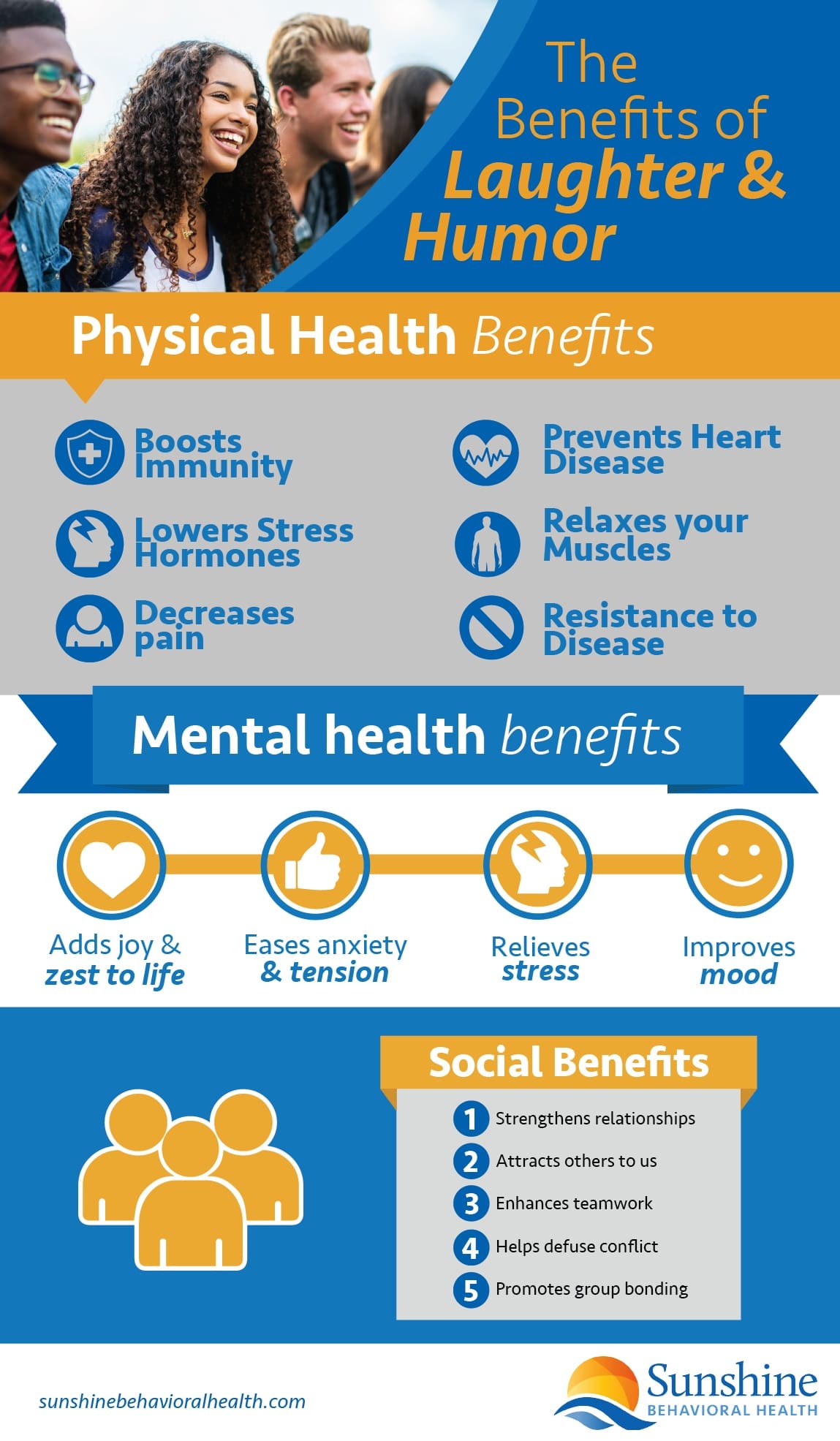
Laughter is often a social activity that brings people together and strengthens relationships. When we share a laugh with others, it creates a sense of connection and belonging. Laughter can break down barriers and create a positive atmosphere, making it easier to communicate and relate to others. By embracing humor in social settings, you can enhance your relationships and build a strong support network that can improve your mental health.
Incorporating Humor in Social Interactions
To improve social interactions and strengthen relationships through humor, consider the following tips:
- Share funny stories or jokes with friends and family
- Attend comedy shows or improv comedy nights with loved ones
- Engage in playful banter and humor in conversations
- Organize game nights or activities that involve laughter and fun
Laughter Yoga: Combining Laughter and Mindfulness
Laughter yoga is a unique practice that combines laughter exercises with yogic breathing techniques and mindfulness practices. This form of yoga is based on the belief that intentional laughter can have positive effects on the body and mind. Laughter yoga sessions typically involve a series of laughter exercises, deep breathing, and guided meditation. By participating in laughter yoga, you can experience the benefits of laughter in a structured and mindful way.
Benefits of Laughter Yoga
Laughter yoga offers a variety of benefits for mental health and overall well-being, including:
- Stress relief and relaxation
- Improved mood and emotional balance
- Enhanced mindfulness and presence in the moment
- Boosted immune system and overall health
How to Practice Laughter Yoga at Home
If you’re interested in trying laughter yoga at home, you can follow these simple steps to get started:
- Find a quiet and comfortable space to practice
- Warm up with some deep breathing exercises
- Start by fake laughing and gradually transition into genuine laughter
- Practice different laughter exercises, such as “lion laughter” or “silent laughter”
- Finish with a relaxation exercise and take a moment to reflect on how you feel
Laughter as a Form of Self-Care
Self-care is essential for maintaining good mental health and overall well-being. Laughter can be a powerful form of self-care that allows you to relax, unwind, and recharge. By incorporating humor into your self-care routine, you can reduce stress, boost your mood, and improve your mental health. So, don’t forget to make time for laughter and fun activities that bring you joy – your mental health will thank you for it.
How to Incorporate Humor into Your Self-Care Routine
To make humor a part of your self-care routine, consider the following suggestions:
- Watch a comedy special or funny videos before bed
- Read a humorous book or listen to a comedy podcast
- Practice laughter exercises or take a laughter yoga class
- Spend time with pets or loved ones who make you laugh
Conclusion
Laughter is a powerful tool that can have a profound impact on your mental health. By embracing humor in your daily life, you can experience a wide range of benefits, including stress relief, improved mood, and enhanced well-being. Whether you choose to participate in laughter therapy, use humor as a coping mechanism, or practice laughter yoga, incorporating laughter into your routine can help you navigate through life’s challenges with a smile. So, don’t underestimate the power of laughter – it’s good for your mind, body, and soul.