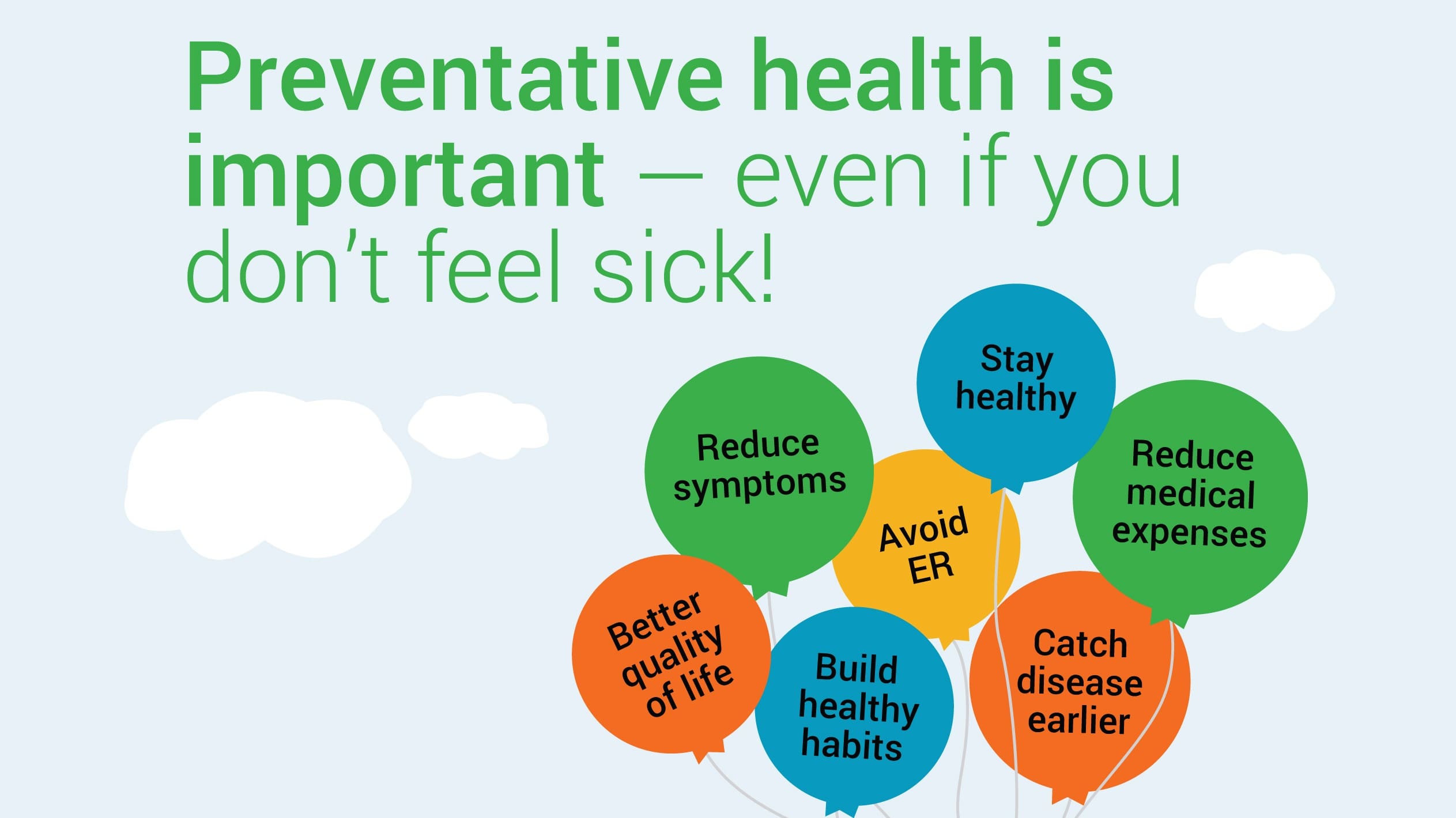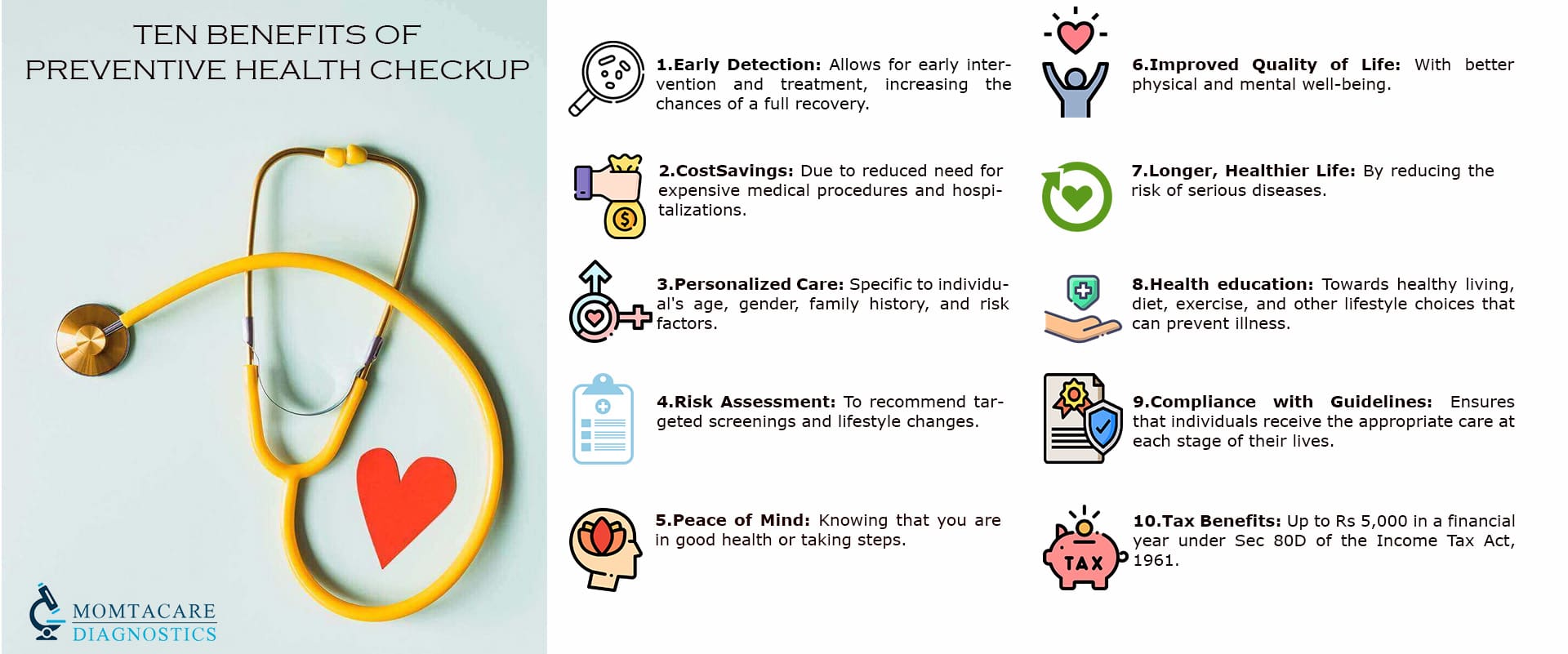
Hey there! Today, let’s talk about the key benefits of preventive health education. By learning about potential health risks and how to prevent them, you can take control of your own well-being and make informed choices for a healthier lifestyle. Through education, you can empower yourself to prioritize preventive care, recognize early warning signs, and reduce the likelihood of developing serious illnesses in the future. Stay tuned to discover the numerous advantages that come with investing in your health education.
Have you ever wondered about the benefits of preventive health education?
Preventive health education is a crucial aspect of maintaining overall well-being and staying healthy. By learning about preventive health measures and implementing them into your daily routine, you can significantly reduce the risk of developing various illnesses and health conditions. In this article, we will delve into the key benefits of preventive health education and how it can positively impact your life.
What is preventive health education?
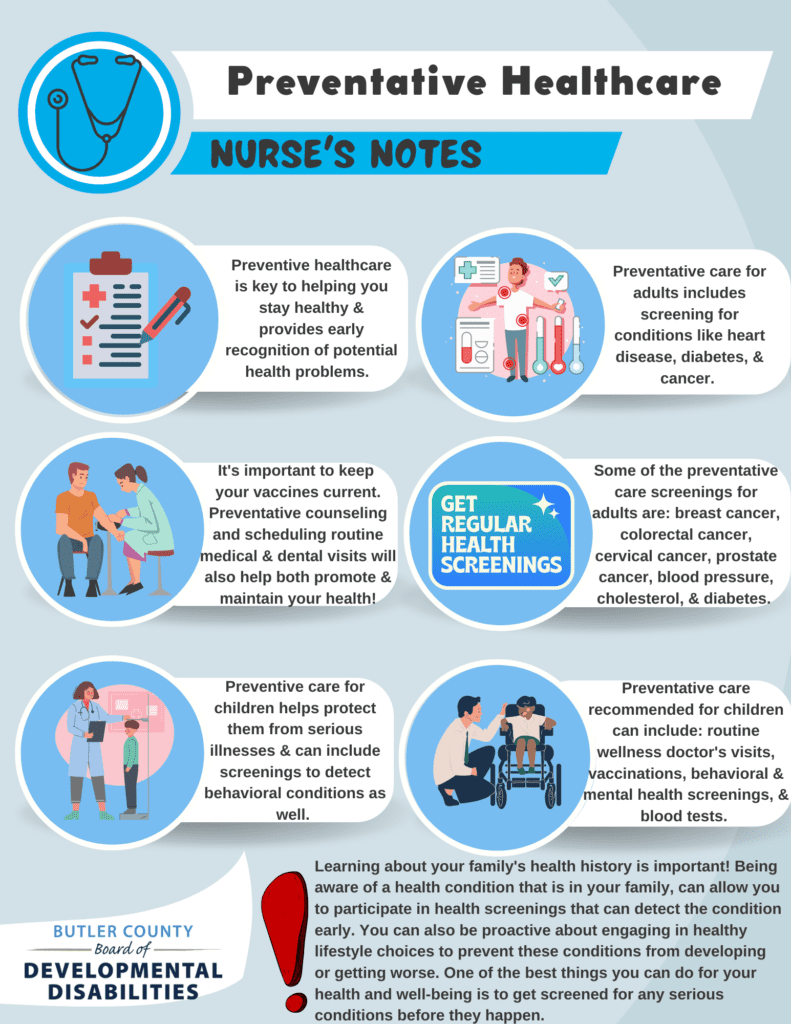
Preventive health education encompasses a range of activities aimed at promoting healthy behaviors, preventing diseases, and improving overall well-being. This type of education involves providing individuals with the knowledge, skills, and resources they need to make informed decisions about their health and well-being. It focuses on identifying risk factors, adopting healthy habits, and taking proactive steps to prevent illnesses and injuries.
Key Benefits of Preventive Health Education
Preventive health education offers a wide range of benefits that can positively impact your physical, mental, and emotional well-being. Here are some key benefits of preventive health education:
-
Early detection of health issues: By educating yourself about the signs and symptoms of various health conditions, you can detect potential issues early on and seek timely medical intervention. Early detection can lead to more effective treatment and better outcomes.
-
Improved lifestyle choices: Preventive health education can help you make healthier lifestyle choices, such as eating a balanced diet, engaging in regular physical activity, and avoiding harmful substances like tobacco and alcohol. These lifestyle changes can reduce the risk of developing chronic conditions like heart disease, diabetes, and obesity.
-
Increased awareness of preventive measures: Through preventive health education, you can learn about the importance of preventive measures such as vaccinations, screenings, and regular check-ups. By taking proactive steps to prevent illnesses and injuries, you can reduce your healthcare costs and improve your quality of life.
-
Better management of chronic conditions: For individuals living with chronic conditions like diabetes, hypertension, or asthma, preventive health education can provide valuable information on managing their condition and preventing complications. By following treatment plans and making healthy lifestyle choices, individuals can better control their chronic conditions and improve their quality of life.
-
Empowerment and control over your health: By educating yourself about preventive health measures, you can take control of your health and well-being. Empowerment through knowledge allows you to make informed decisions about your health, advocate for yourself in healthcare settings, and engage in health-promoting behaviors.
How can preventive health education benefit you?
Preventive health education can benefit you in various ways, from reducing your risk of developing chronic conditions to improving your overall quality of life. Here are some ways in which preventive health education can positively impact you:
Improved Personal Health and Well-being
Preventive health education can help you take proactive steps to maintain good health and well-being. By understanding the importance of preventive measures such as vaccinations, screenings, and healthy lifestyle choices, you can reduce your risk of developing illnesses and injuries. This can lead to improved personal health, increased energy levels, and a better quality of life.
Reduced Healthcare Costs
Preventive health education can also help you save money on healthcare costs in the long run. By preventing illnesses and injuries through early detection and proactive measures, you can avoid costly treatments, hospitalizations, and medications. Investing in preventive health education can result in significant cost savings and enhanced financial well-being.
Enhanced Quality of Life
By incorporating preventive health education into your daily routine, you can enjoy a better quality of life with improved physical, mental, and emotional well-being. Taking care of your health through preventive measures can help you stay active, engaged, and productive in your personal and professional life. This can lead to increased happiness, satisfaction, and overall well-being.
How can you incorporate preventive health education into your daily routine?
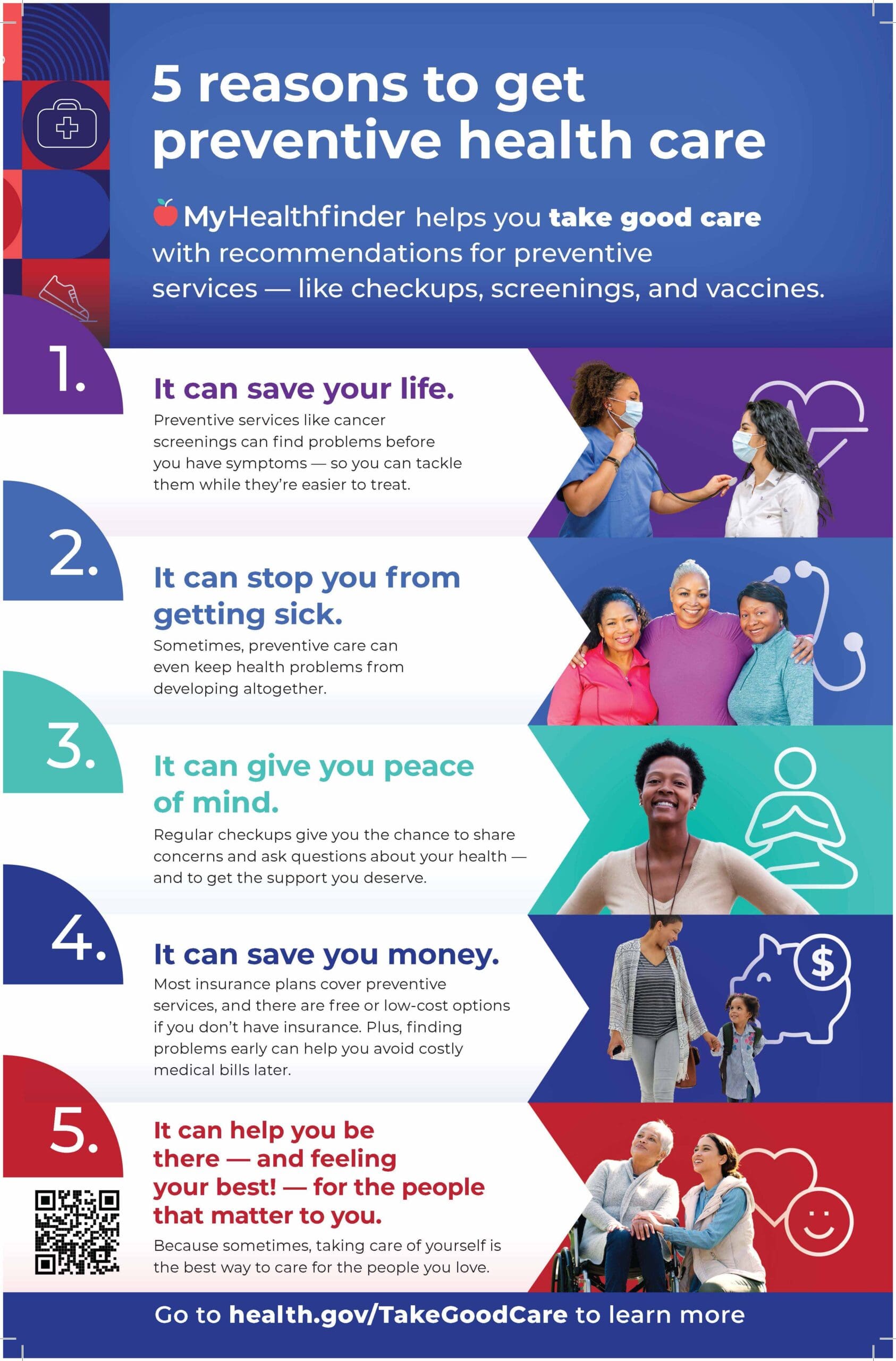
Incorporating preventive health education into your daily routine is essential for maintaining good health and well-being. Here are some practical tips on how you can integrate preventive health education into your lifestyle:
1. Schedule regular check-ups and screenings
- Make it a priority to schedule regular check-ups with your healthcare provider and undergo recommended screenings for conditions like cancer, diabetes, and heart disease. Early detection can help identify potential health issues before they progress and require more intensive treatment.
2. Stay informed about preventive measures
- Educate yourself about preventive measures such as vaccinations, healthy eating, regular exercise, and stress management. Stay informed about current health guidelines and recommendations to make informed decisions about your health and well-being.
3. Adopt a healthy lifestyle
- Focus on maintaining a healthy lifestyle by eating a balanced diet, staying physically active, getting enough sleep, and avoiding harmful substances like tobacco and alcohol. Making healthy choices can reduce your risk of developing chronic conditions and improve your overall well-being.
4. Seek support and guidance
- Don’t be afraid to seek support and guidance from healthcare professionals, support groups, or online resources when it comes to preventive health education. Surround yourself with a supportive network of individuals who can help you make positive changes to your lifestyle.
5. Set goals and track your progress
- Set realistic health goals for yourself, such as losing weight, quitting smoking, or lowering your cholesterol levels. Track your progress over time and celebrate your achievements, no matter how small. Monitoring your health can help you stay motivated and committed to preventive health education.
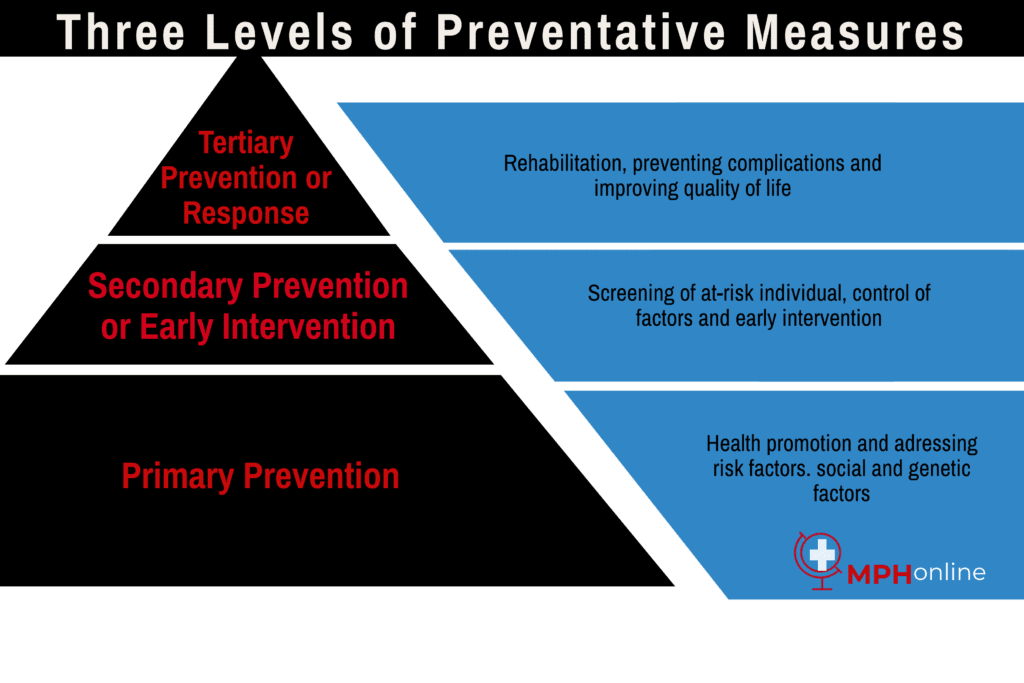
Conclusion
In conclusion, preventive health education is a valuable tool for promoting good health, preventing illnesses, and improving overall well-being. By learning about preventive measures, making healthy lifestyle choices, and taking proactive steps to care for your health, you can enjoy a better quality of life and reduce your risk of developing chronic conditions. Incorporate preventive health education into your daily routine and take control of your health and well-being starting today. Stay informed, stay healthy, and stay empowered through preventive health education.