
Welcome to an article that will guide you through some simple yet effective healthy habits to improve your digestive health. From incorporating more fiber and water into your diet to practicing mindful eating and regular physical activity, you will discover easy ways to support your digestive system. By making small changes in your daily routine, you can help prevent digestive issues and promote overall wellness. So let’s dive in and learn how to take care of your gut to feel your best!
Healthy Habits for Better Digestive Health
Have you ever experienced stomach discomfort, bloating, or irregular bowel movements? If so, you are not alone. Digestive issues are common and can greatly impact your overall well-being. The good news is that there are simple habits you can adopt to improve your digestive health. By making a few changes to your lifestyle and diet, you can support a healthy digestive system and feel your best every day.
Importance of Digestive Health
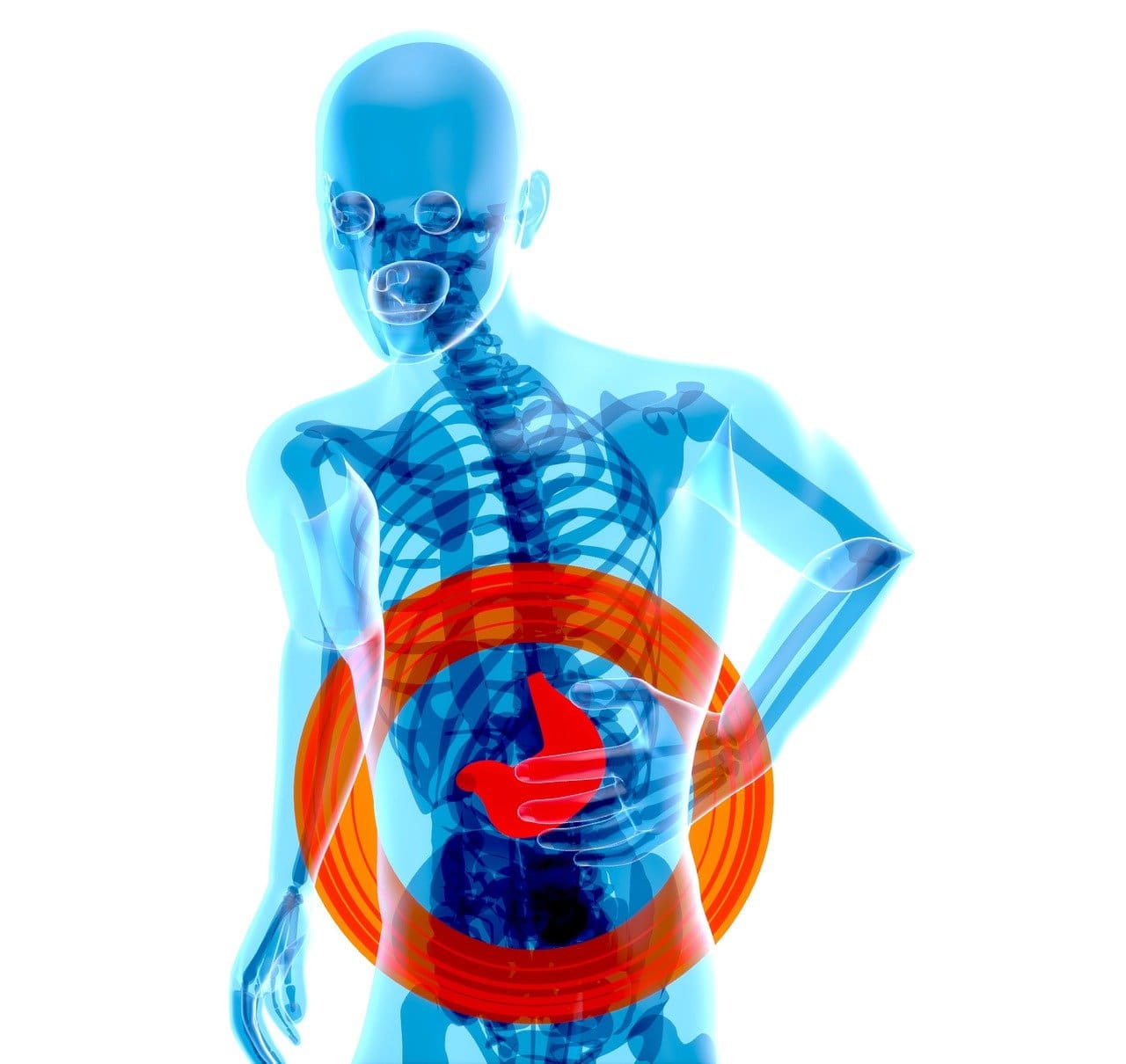
Your digestive system plays a crucial role in your overall health. It is responsible for breaking down the food you eat into nutrients that your body can absorb and utilize. A healthy digestive system is essential for proper nutrient absorption, energy production, and immune function. When your digestive system is not functioning optimally, it can lead to a range of health issues, including bloating, gas, constipation, diarrhea, and even more serious conditions like irritable bowel syndrome (IBS) and inflammatory bowel disease (IBD). Prioritizing your digestive health can improve your overall quality of life and prevent future health issues.
Hydration
One of the simplest yet most effective ways to support your digestive health is by staying hydrated. Water plays a crucial role in the digestion process, helping to soften stool and move food through your digestive tract. Dehydration can lead to constipation and other digestive issues, so make sure you are drinking an adequate amount of water throughout the day. Aim for at least 8-10 glasses of water daily to keep your digestive system running smoothly.
High-Fiber Diet
Fiber is known for its digestive benefits, as it helps to add bulk to your stool and promote regular bowel movements. Including a variety of high-fiber foods in your diet, such as fruits, vegetables, whole grains, legumes, and nuts, can support healthy digestion. Aim to consume at least 25-30 grams of fiber per day to maintain optimal digestive health. Gradually increasing your fiber intake can help prevent bloating and gas that may occur with sudden dietary changes.
Probiotics
Probiotics are living microorganisms that provide numerous health benefits, particularly for your digestive system. These beneficial bacteria help to maintain a healthy balance of gut flora, support immune function, and aid in the digestion process. You can find probiotics in fermented foods like yogurt, kefir, sauerkraut, and kimchi, as well as in supplement form. Adding probiotic-rich foods to your diet can help improve digestion and reduce symptoms of digestive discomfort.

Mindful Eating
In today’s fast-paced world, it can be easy to rush through meals or eat on the go. However, practicing mindful eating can greatly benefit your digestive health. Taking the time to chew your food thoroughly, savor each bite, and listen to your body’s hunger and fullness cues can help prevent overeating and improve digestion. By being present and attentive while eating, you can support optimal nutrient absorption and reduce the risk of digestive issues.
Avoid Trigger Foods
Certain foods can trigger digestive issues in some individuals, leading to symptoms like bloating, gas, and indigestion. Identifying and avoiding these trigger foods can help improve your digestive health and reduce discomfort. Common trigger foods include dairy, gluten, spicy foods, caffeine, and artificial sweeteners. Keeping a food diary can help you pinpoint which foods may be causing digestive distress so you can make informed dietary choices.

Regular Exercise
Exercise is not only beneficial for your physical fitness but also plays a role in supporting your digestive health. Physical activity helps to stimulate the muscles in your digestive tract, promoting regular bowel movements and reducing the risk of constipation. Aim for at least 30 minutes of moderate exercise most days of the week to keep your digestive system functioning optimally. Whether you prefer walking, jogging, swimming, or yoga, find an activity you enjoy and make it a regular part of your routine.
Stress Management
Chronic stress can negatively impact your digestive health, leading to symptoms like abdominal pain, diarrhea, and constipation. Finding healthy ways to manage stress can help improve your overall well-being and support a healthy digestive system. Activities like meditation, deep breathing exercises, yoga, and spending time in nature can help reduce stress levels and promote relaxation. Prioritizing self-care and mental health can have a positive impact on your digestion and overall quality of life.
Meal Timing
The timing of your meals can also influence your digestive health. Eating too close to bedtime can disrupt your sleep and lead to indigestion, as your body needs time to digest before lying down. Aim to eat your last meal at least 2-3 hours before bedtime to allow for proper digestion and prevent nighttime discomfort. Additionally, spacing out your meals throughout the day can help prevent overeating and support healthy digestion. Listen to your body’s hunger cues and eat when you are truly hungry, rather than out of habit or boredom.
Food Combining
Certain food combinations can either enhance or hinder the digestion process. Pairing foods that are easily digested together can help prevent bloating and gas, while avoiding incompatible food combinations can reduce digestive discomfort. For example, combining fruits with proteins or starches can lead to fermentation in the gut and digestive issues. Opt for meals that include a balance of protein, healthy fats, and complex carbohydrates for optimal digestion and nutrient absorption.
Portion Control
Overeating can put a strain on your digestive system and lead to discomfort, bloating, and indigestion. Practicing portion control can help prevent these issues and support healthy digestion. Pay attention to your hunger and fullness cues, and stop eating when you feel satisfied, rather than stuffed. Eating slowly, savoring each bite, and putting your fork down between bites can help you tune into your body’s signals and prevent overeating.
Regular Bowel Movements
Regular bowel movements are a key indicator of good digestive health. If you are experiencing constipation or irregularity, there are steps you can take to promote healthy bowel movements. Increasing your fiber intake, staying hydrated, and getting regular exercise can all support regularity. In some cases, adding a natural laxative like prunes, flaxseeds, or aloe vera juice to your diet can help stimulate bowel movements. If you continue to experience constipation despite these measures, consult with a healthcare provider for further evaluation and treatment options.
Stay Consistent
Consistency is key when it comes to maintaining healthy habits for better digestive health. Making small, sustainable changes to your lifestyle and diet over time can have a lasting impact on your digestive system. Rather than trying to overhaul your habits all at once, focus on one or two changes at a time and gradually build upon them. By staying consistent and committed to your health goals, you can support a healthy digestive system and improve your overall well-being.
Incorporating these healthy habits into your daily routine can help you achieve better digestive health and feel your best every day. Take the time to prioritize your digestive system, listen to your body’s signals, and make mindful choices that support optimal digestion. By adopting a holistic approach to your health and well-being, you can ensure that your digestive system functions optimally and supports your overall quality of life. Embrace these healthy habits and enjoy the benefits of improved digestive health for years to come.