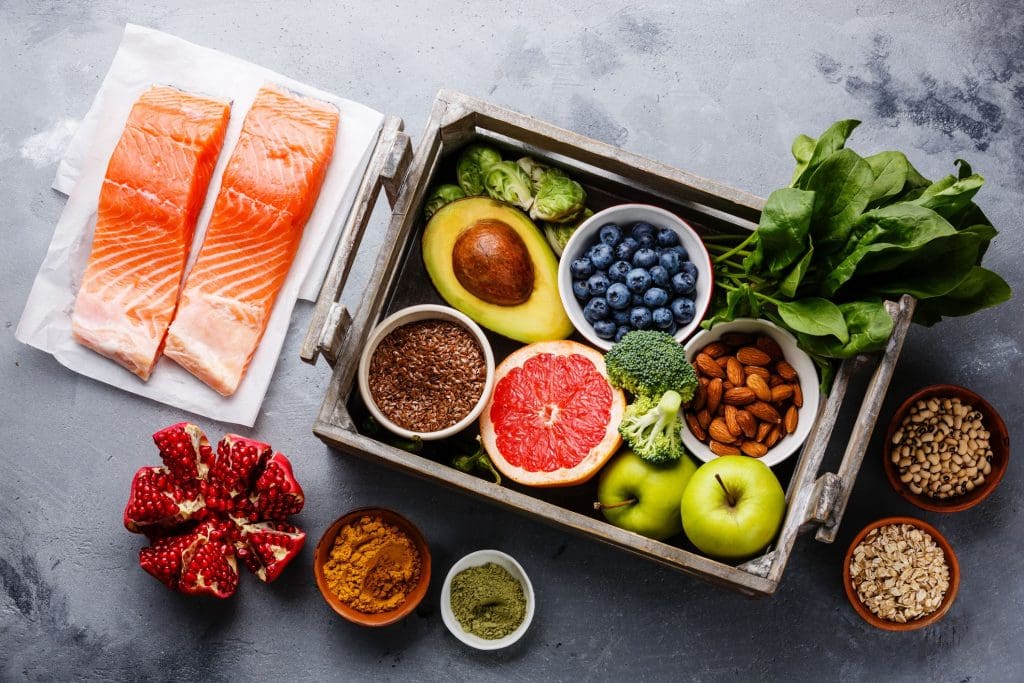
Are you looking for effective ways to lower your blood pressure without relying solely on medication? Look no further! In this article, we will discuss the top 10 natural methods that can help you take control of your blood pressure levels. From incorporating healthy dietary changes to engaging in regular physical activity, we’ve got you covered. So, if you’re ready to make positive changes to improve your health, keep reading to discover the best ways to naturally lower your blood pressure.
Reduce Sodium Intake
Avoid processed foods
One of the most effective ways to lower your blood pressure naturally is to reduce your sodium intake, and a great place to start is by avoiding processed foods. Processed foods are typically loaded with sodium, as it is added for flavor, preservation, and texture. By cutting back on processed foods, such as frozen meals, canned soups, and packaged snacks, you can significantly reduce your sodium intake and help lower your blood pressure.
Read food labels
When grocery shopping, take the time to read food labels and be mindful of the sodium content in the products you buy. Look for items labeled “low-sodium” or “sodium-free” and choose those options whenever possible. Aim to select foods that have less than 140 milligrams of sodium per serving. By paying attention to food labels, you can make more informed choices and better manage your sodium intake.
Cook meals at home
Cooking your meals at home gives you full control over the ingredients and allows you to reduce the amount of sodium in your diet. Use fresh fruits, vegetables, and lean proteins as the foundation of your meals. Instead of relying on pre-packaged seasonings or sauces that often contain high levels of sodium, experiment with herbs and spices to enhance the flavor of your dishes. Not only will you reduce your sodium intake, but you can also enjoy the creativity and satisfaction that comes from preparing your own meals.
Use herbs and spices instead of salt
Instead of reaching for the salt shaker, try using herbs and spices to add flavor to your food. Black pepper, garlic powder, basil, rosemary, and cinnamon are just a few examples of herbs and spices that can enhance the taste of your meals without adding extra sodium. Get creative in the kitchen and experiment with different combinations to find your favorite flavor profiles. By incorporating herbs and spices, you can reduce your reliance on salt and improve your overall health.
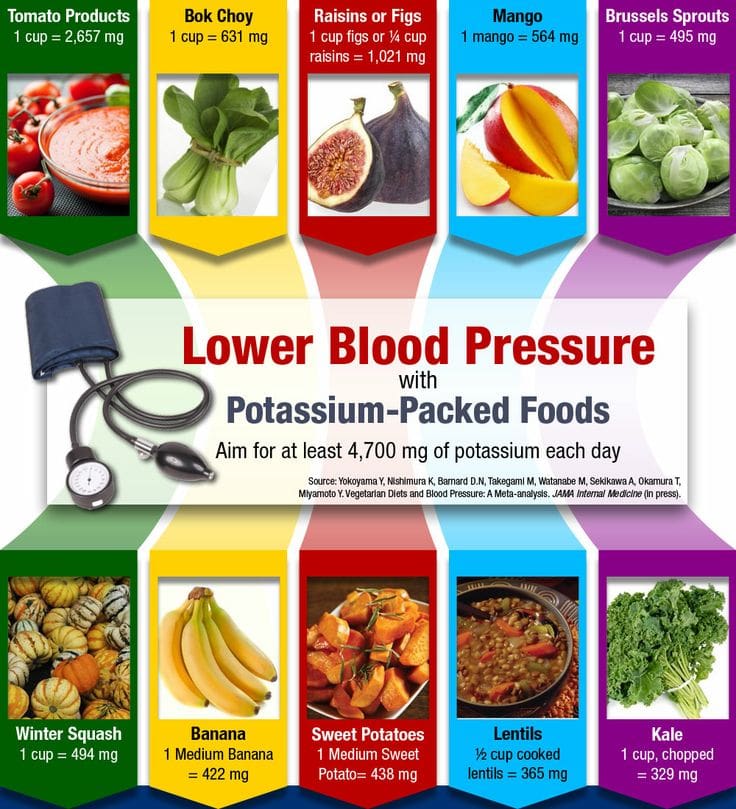
Increase Potassium Intake
Include potassium-rich foods
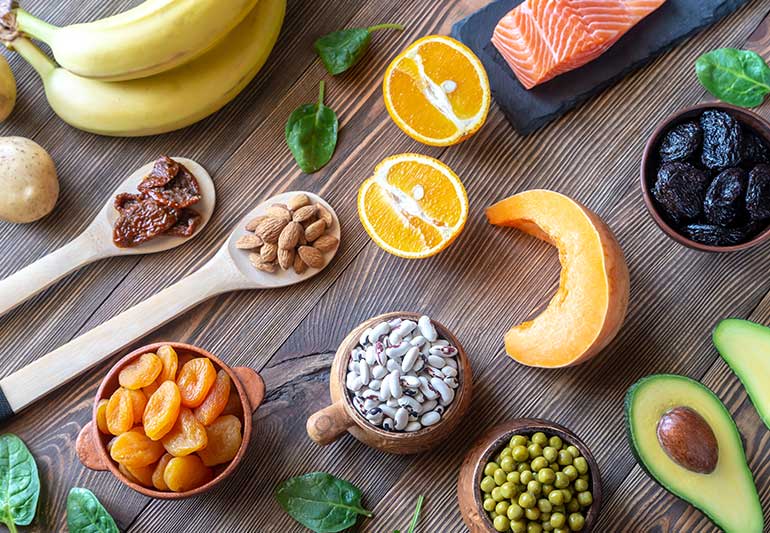
In addition to reducing your sodium intake, increasing your potassium intake can also help lower your blood pressure. Potassium is a mineral that counteracts the effects of sodium and helps relax the walls of blood vessels. To include more potassium in your diet, consider adding potassium-rich foods such as bananas, avocados, sweet potatoes, spinach, and tomatoes to your meals. These foods not only provide essential nutrients but also contribute to maintaining healthy blood pressure levels.
Eat more fruits and vegetables
Fruits and vegetables are not only rich in vitamins and minerals but are also excellent sources of potassium. Incorporating a variety of fruits and vegetables into your meals and snacks can help increase your potassium intake and promote healthy blood pressure. Try adding sliced bananas to your cereal or yogurt, enjoying a green salad with tomatoes and spinach, or snacking on carrot sticks and apple slices. By making fruits and vegetables a significant part of your diet, you can support your overall cardiovascular health.
Consume nuts and seeds
Nuts and seeds, such as almonds, walnuts, flaxseeds, and chia seeds, are a great source of potassium and heart-healthy fats. Snacking on a handful of nuts or sprinkling seeds onto your salads and yogurt can be an easy way to boost your potassium levels. Just be mindful of portion sizes, as nuts and seeds are also calorie-dense. Incorporating these nutritious foods into your diet can contribute to reducing your blood pressure and improving your overall well-being.
Use potassium-based salt substitutes
If you’re looking for a low-sodium alternative to traditional table salt, consider using potassium-based salt substitutes. These substitutes can be found in most grocery stores and are a great option for those who need to limit their sodium intake but still want to add flavor to their meals. However, it’s important to note that some salt substitutes may contain high levels of potassium, so if you have kidney problems or are taking medications that affect potassium levels, it’s essential to consult with your healthcare provider before using these products.
Follow a Balanced Diet
Emphasize whole foods
When it comes to maintaining healthy blood pressure, it’s crucial to follow a balanced diet that emphasizes whole foods. Whole foods include fresh fruits, vegetables, whole grains, lean proteins, and healthy fats. By focusing on these nutrient-dense options, you can nourish your body with essential vitamins and minerals while supporting optimal heart health. Replace processed foods with whole foods, and you’ll be on your way to better managing your blood pressure.
Choose lean proteins
Including lean proteins in your diet can support your blood pressure management efforts. Opt for lean protein sources such as poultry, fish, legumes, tofu, and Greek yogurt. These options are low in saturated fat, which can contribute to high blood pressure and other cardiovascular issues. Not only will choosing lean proteins benefit your blood pressure, but it will also help you maintain a healthy weight and provide your body with the necessary building blocks for overall wellness.
Opt for low-fat dairy products
Dairy products are a valuable source of calcium and other essential nutrients. However, it’s important to choose low-fat or fat-free dairy products to avoid excess saturated fat consumption, which can have adverse effects on blood pressure. Opt for skim milk, low-fat yogurt, or reduced-fat cheese to help maintain your blood pressure within a healthy range. If you have lactose intolerance or prefer non-dairy alternatives, there are plenty of plant-based options fortified with calcium.
Limit saturated and trans fats
Saturated and trans fats are known contributors to high blood pressure and cardiovascular disease. To keep your blood pressure in check, it’s crucial to limit your intake of these unhealthy fats. Avoid foods that are high in saturated and trans fats, such as fried foods, processed snacks, pastries, and fatty cuts of meat. Instead, choose heart-healthy fats, such as those found in olive oil, avocado, nuts, and seeds. By making these simple swaps, you can promote a healthier circulation system and lower your risk of heart-related complications.
Avoid sugary beverages
Sugary beverages like soda, energy drinks, and fruit juices can wreak havoc on your blood pressure and overall health. These drinks are typically high in added sugars and can contribute to weight gain, insulin resistance, and elevated blood pressure levels. Opt for water, herbal tea, or naturally flavored infused water as refreshing alternatives. By reducing your intake of sugary beverages, you can improve your blood pressure control and support a healthier lifestyle.
Maintain a Healthy Weight
Incorporate regular exercise
Maintaining a healthy weight is crucial for managing your blood pressure, and regular exercise plays a significant role in achieving this goal. Engage in moderate-intensity exercises for at least 150 minutes per week, such as brisk walking, cycling, swimming, or dancing. Regular physical activity not only helps you maintain a healthy weight but also strengthens your heart, lowers your blood pressure, and reduces the risk of developing other chronic conditions.
Manage portion sizes
Portion control is essential when it comes to managing your weight and blood pressure. Be mindful of your food portions and listen to your body’s hunger and fullness cues. Aim to fill half of your plate with vegetables, one-quarter with lean protein, and one-quarter with whole grains or starchy vegetables. By practicing portion control and eating a balanced diet, you can achieve and maintain a healthy weight while supporting your cardiovascular health.
Monitor calorie intake
Monitoring your calorie intake can help you achieve and maintain a healthy weight, which is crucial for blood pressure management. Portion sizes and food choices contribute to your daily calorie intake, so it’s essential to be mindful of what and how much you eat. Consider keeping a food journal or using a calorie-tracking app to help you stay accountable and aware of your calorie consumption. By balancing your calorie intake with regular exercise, you can maintain a healthy weight and optimize your blood pressure control.
Seek support from a healthcare professional
Maintaining a healthy weight can be challenging, and it’s important to seek support from a healthcare professional if you’re facing difficulties. Your healthcare provider can offer personalized guidance, recommend specific dietary changes, and provide resources to help you achieve and maintain a healthy weight. They can also help you address any underlying health conditions that may be impacting your weight or blood pressure. Remember, you don’t have to navigate the journey alone – support is available to help you reach your goals.
Engage in Regular Physical Activity
Aim for at least 150 minutes of moderate-intensity exercise per week
Regular physical activity is essential for maintaining a healthy blood pressure. Aim for at least 150 minutes of moderate-intensity exercise per week, spread out over several days. This could include activities such as brisk walking, cycling, swimming, or dancing. By engaging in regular exercise, you can improve your cardiovascular health, strengthen your heart, and lower your blood pressure.
Combine aerobic and strength training exercises
To maximize the benefits of exercise, incorporate both aerobic and strength training exercises into your routine. Aerobic exercises, such as jogging or biking, help improve heart health and circulation, while strength training exercises, such as lifting weights or using resistance bands, help build lean muscle mass, which can aid in blood pressure management. By combining these two types of exercises, you can achieve a well-rounded fitness routine that supports overall cardiovascular health.
Incorporate activities you enjoy
Engaging in physical activities that you enjoy can make exercise more enjoyable and sustainable. Whether it’s dancing, playing tennis, hiking, or joining a sports team, find activities that make you excited to move your body. By incorporating activities you enjoy, you’re more likely to stick to your exercise routine and reap the long-term benefits for your blood pressure and overall well-being.
Consider joining a fitness class or team
For added motivation and support, consider joining a fitness class or team. This can provide a structured environment to engage in regular physical activity and connect with others who have similar goals. Whether it’s a dance class, a cycling group, or a recreational sports team, the camaraderie and encouragement from others can make exercise more enjoyable and help you stay motivated.
Limit Alcohol Consumption
Drink in moderation
While moderate alcohol consumption may have some heart benefits, excessive drinking can significantly elevate your blood pressure. It’s important to drink alcohol in moderation, which means up to one drink per day for women and up to two drinks per day for men. However, if you currently do not drink alcohol, it is not recommended to start drinking solely for potential heart benefits. If you choose to drink, do so responsibly and be mindful of your alcohol intake to maintain a healthy blood pressure.
Set limits for yourself
To ensure you’re consuming alcohol in moderation, it can be helpful to set limits for yourself. Decide how many days a week you’ll have a drink and how many drinks you’ll have on each occasion. By setting clear boundaries, you can avoid excessive alcohol consumption and maintain better control over your blood pressure. Remember that moderation is key and that it’s okay to abstain from alcohol altogether if you prefer not to drink.
Opt for lower-alcohol beverages
Choosing lower-alcohol beverages can help you manage your blood pressure and reduce your overall alcohol consumption. Light beers, wines, and mixed drinks with lower alcohol content can be good options for those who enjoy social drinking but want to limit their alcohol intake. It’s important to be mindful of portion sizes and avoid binge drinking, as this can have severe health consequences and cause a sudden spike in blood pressure.
Avoid binge drinking
Binge drinking, which is defined as consuming a large quantity of alcohol within a short period, can have serious implications for your blood pressure and overall health. Binge drinking can lead to high blood pressure, increased risk of heart disease, and other detrimental effects on your cardiovascular system. To maintain a healthy blood pressure, it’s crucial to avoid binge drinking and prioritize moderation when it comes to alcohol consumption.

Quit Smoking
Create a quitting plan
Smoking is a significant risk factor for high blood pressure and heart disease. If you’re a smoker, quitting is one of the best things you can do for your cardiovascular health. Create a quitting plan that includes setting a quit date, identifying your triggers, and seeking support from loved ones or healthcare professionals. There are many resources available, including nicotine replacement therapy, counseling, and support groups, that can increase your chances of successfully quitting smoking.
Seek support from family and friends
Quitting smoking can be challenging, but having a strong support system can make a significant difference. Seek support from family and friends who can encourage and motivate you throughout your quitting journey. Share your goals and progress with them, and ask for their understanding and assistance in creating a smoke-free environment. By surrounding yourself with supportive individuals, you’ll be more likely to overcome challenges and achieve long-term success in quitting smoking.
Consider nicotine replacement therapy
Nicotine replacement therapy (NRT) can be a helpful tool when quitting smoking. NRT provides your body with nicotine without the harmful chemicals found in cigarettes, helping to curb cravings and withdrawal symptoms. NRT is available in several forms, including patches, gum, lozenges, nasal spray, and inhalers. Talk to your healthcare provider about the best NRT option for you and how to incorporate it into your quitting plan.
Find healthy alternatives to cope with stress
Nicotine addiction often goes hand-in-hand with using cigarettes as a coping mechanism for stress. When quitting smoking, it’s essential to find healthy alternatives to manage stress and prevent relapse. Explore stress management techniques such as deep breathing exercises, meditation, yoga, or engaging in hobbies and activities you enjoy. By finding healthy outlets for stress relief, you can reduce your reliance on cigarettes and improve your blood pressure control.
Manage Stress
Practice relaxation techniques
Chronic stress can contribute to high blood pressure levels, so managing stress is crucial for maintaining healthy blood pressure. Practice relaxation techniques such as deep breathing exercises, meditation, or progressive muscle relaxation. These techniques can help calm your mind and body, reduce stress hormones, and promote overall well-being. Find a relaxation technique that works for you and incorporate it into your daily routine to manage stress effectively.
Engage in hobbies or activities you enjoy
Engaging in hobbies or activities you enjoy is a great way to relieve stress and promote mental well-being. Whether it’s painting, gardening, playing a musical instrument, or hiking, find activities that bring you joy and allow you to disconnect from everyday stressors. By setting aside time for yourself and engaging in activities you love, you can better manage stress and lower your blood pressure.
Get enough sleep
Sleep plays an essential role in managing stress and supporting overall health, including blood pressure control. Aim for 7-9 hours of quality sleep per night and establish a consistent sleep routine. Create a sleep-friendly environment and prioritize relaxation before bed, such as reading a book or taking a warm bath. By getting enough sleep, you can improve your ability to cope with stress and maintain healthy blood pressure levels.
Seek professional help if needed
If stress becomes overwhelming or starts to significantly impact your daily life, it’s important to seek professional help. A healthcare provider or mental health professional can offer guidance and support to help you manage stress effectively. They can provide strategies tailored to your unique situation and help you develop coping mechanisms to better handle stress. Remember, seeking help is a sign of strength, and professional support can make a significant difference in managing stress and maintaining healthy blood pressure.
Monitor Blood Pressure Regularly
Measure your blood pressure at home
Monitoring your blood pressure at home can provide valuable information about your cardiovascular health and help you track your progress in managing your blood pressure. Invest in a reliable home blood pressure monitor and familiarize yourself with how to use it correctly. Follow the instructions provided and make sure to measure your blood pressure in a quiet and relaxed environment for accurate readings.
Record your readings consistently
Consistency is key when it comes to monitoring your blood pressure. Make it a habit to record your blood pressure readings consistently and keep track of any changes over time. This will allow you and your healthcare provider to identify any patterns or trends and make necessary adjustments to your treatment plan.
Keep a blood pressure log
Keeping a blood pressure log can be beneficial in identifying potential triggers or factors that may affect your blood pressure. In your log, record your blood pressure readings, date, time, and any relevant notes such as recent activities, emotions, or medications taken. By maintaining a comprehensive log, you can gain a better understanding of what influences your blood pressure and make informed decisions for better management.
Share your readings with your healthcare provider
Regularly sharing your blood pressure readings with your healthcare provider is essential for effective blood pressure management. By providing them with accurate and up-to-date information, they can assess your progress, adjust your treatment plan if necessary, and offer personalized recommendations. Your healthcare provider is there to support you in achieving and maintaining a healthy blood pressure, so don’t hesitate to reach out and keep them informed.
Limit Caffeine Intake
Moderate your consumption of coffee, tea, and energy drinks
While moderate caffeine consumption is generally safe for most people, it’s important to be mindful of your intake, as excessive caffeine can temporarily increase your blood pressure. Limit your consumption of caffeinated beverages such as coffee, tea, and energy drinks. Opt for smaller serving sizes and consider alternatives, such as decaffeinated versions or herbal teas, if you enjoy the ritual of a warm beverage.
Switch to decaffeinated options
If you’re looking to reduce your caffeine intake, consider switching to decaffeinated options. Decaffeinated coffee, tea, and other beverages offer similar tastes without the stimulating effects of caffeine. You can still enjoy the flavors you love while being mindful of your blood pressure and overall health.
Be mindful of hidden sources of caffeine
Caffeine can also be found in unexpected sources such as chocolate, certain medications, and some over-the-counter pain relievers. Be mindful of these hidden sources of caffeine and read labels carefully to determine the caffeine content. Adjust your consumption accordingly and make informed choices to manage your caffeine intake effectively.
Monitor how caffeine affects your blood pressure
Everyone’s body responds differently to caffeine, so it’s important to monitor how it affects your blood pressure. Keep track of your blood pressure readings before and after consuming caffeine to determine if it has any noticeable impact. If you notice a significant increase in your blood pressure or experience any adverse effects, it may be necessary to further reduce or eliminate caffeine from your diet.
In conclusion, there are numerous ways to naturally lower your blood pressure and improve your overall cardiovascular health. By reducing sodium intake, increasing potassium intake, following a balanced diet, maintaining a healthy weight, engaging in regular physical activity, limiting alcohol consumption, quitting smoking, managing stress, monitoring blood pressure regularly, and limiting caffeine intake, you can take important steps towards achieving and maintaining healthy blood pressure levels. Incorporate these recommendations into your lifestyle, seek support when needed, and work closely with your healthcare provider to ensure the best possible outcomes for your blood pressure management journey. Your heart health is in your hands, and with small changes and consistent effort, you can make significant improvements and enjoy a healthier life.