
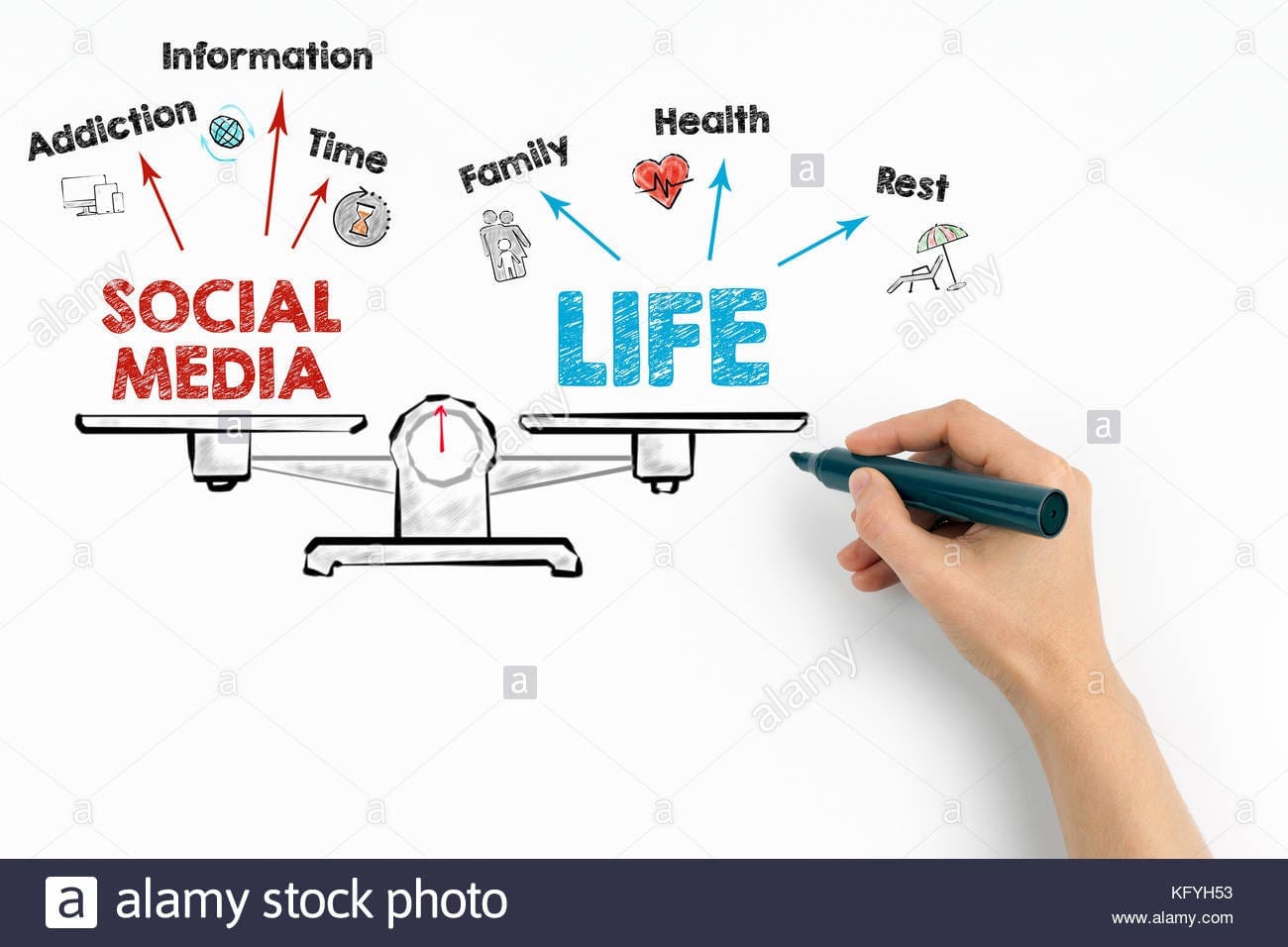
Welcome to the world where social media plays a significant role in our daily lives. With the constant scrolling, liking, and sharing, it’s easy to get caught up in the digital world. However, it’s important to find a balance between staying connected and taking care of your mental health. In this article, we will discuss the impact of social media on mental health and provide tips on how to maintain a healthy relationship with the online world. So let’s explore how you can find the balance between staying connected and staying mentally well. Have you ever found yourself scrolling through your social media feeds for hours on end, only to feel more anxious and stressed afterward? The world of social media can have a significant impact on our mental health, both positively and negatively. In this article, we will explore how you can find the balance between using social media and maintaining good mental health.

The Impact of Social Media on Mental Health
Social media has become an integral part of our daily lives, providing us with a platform to connect with others, share our thoughts and experiences, and stay updated on current events. However, constant exposure to social media can also have a negative impact on our mental health.
From comparing ourselves to others based on their highlight reels to experiencing cyberbullying and online harassment, social media can exacerbate existing mental health issues and contribute to feelings of depression, anxiety, and loneliness. It’s essential to be mindful of how social media affects our mental well-being and take steps to mitigate any negative impacts.
Social Media Comparison and Self-Esteem
Constantly comparing ourselves to others on social media can take a toll on our self-esteem and mental health. It’s easy to fall into the trap of thinking that everyone else has a perfect life, based on the carefully curated images and posts they share online. Remember that social media is just a snapshot of someone’s life and may not reflect the full reality.
One way to combat the negative effects of social media comparison is to limit your time spent on these platforms and curate your feeds to follow accounts that promote positivity and authenticity. Additionally, practicing self-love and focusing on your own accomplishments and strengths can help boost your self-esteem and confidence.
Cyberbullying and Online Harassment
The anonymity of the internet can sometimes bring out the worst in people, leading to cyberbullying and online harassment. Being on the receiving end of hurtful comments, threats, or malicious behavior can have a significant impact on your mental health and well-being. It’s essential to remember that you are not alone and that there are resources available to help you cope with cyberbullying.
If you’re experiencing cyberbullying or online harassment, don’t hesitate to reach out to someone you trust, whether it’s a friend, family member, teacher, or mental health professional. You can also report abusive behavior to the social media platform and block or unfollow individuals who are causing you harm.
Finding Balance: Tips for Using Social Media Mindfully
While social media can have negative impacts on our mental health, it can also be a valuable tool for staying connected, sharing information, and finding support. By being mindful of how you use social media, you can find the balance between staying connected and protecting your mental well-being.
Set Boundaries and Limit Your Screen Time
One of the most effective ways to maintain good mental health while using social media is to set boundaries and limit your screen time. It’s easy to get sucked into the endless scroll of your feeds, so consider setting specific times of the day when you allow yourself to use social media and sticking to those limits.
You can also use digital wellness tools and apps to track your screen time and set reminders to take breaks. Creating a healthy balance between using social media and engaging in other activities, such as exercise, hobbies, or spending time with loved ones, can help prioritize your mental well-being.
| Tips for Setting Boundaries and Limiting Screen Time |
|---|
| – Designate specific times of the day for social media use |
| – Use digital wellness tools to track screen time |
| – Engage in other activities to balance your time effectively |
Practice Digital Detoxes and Unplug Regularly
In addition to setting boundaries around your social media usage, consider taking regular digital detoxes to unplug and recharge. Constant exposure to screens and social media can be overwhelming and exhausting, so giving yourself breaks from technology can provide much-needed relief for your mental health.
Try scheduling a social media detox day once a week or taking short breaks throughout the day to disconnect from your devices. Use this time to engage in activities that bring you joy and relaxation, such as reading a book, going for a walk, or practicing mindfulness. By prioritizing your mental well-being and taking time away from social media, you can find balance and perspective.
| Tips for Practicing Digital Detoxes and Unplugging |
|---|
| – Schedule regular social media detox days |
| – Take short breaks throughout the day to disconnect |
| – Engage in activities that bring you joy and relaxation |
Curate Your Feeds and Follow Positive Accounts
Who you follow on social media can have a significant impact on your mental health and well-being. Take the time to curate your feeds and follow accounts that promote positivity, inspiration, and authenticity. Unfollow or mute accounts that make you feel inadequate or trigger negative emotions.
By surrounding yourself with uplifting and encouraging content, you can create a more supportive and positive online environment. Consider following accounts that share helpful tips, motivational quotes, or uplifting stories to boost your mood and mindset. Remember that you have control over your social media experience, so choose to follow accounts that align with your values and interests.
| Tips for Curating Your Feeds and Following Positive Accounts |
|---|
| – Unfollow or mute accounts that trigger negative emotions |
| – Follow accounts that promote positivity and authenticity |
| – Create a supportive online environment that uplifts you |
Practice Mindful Social Media Behaviors
Mindfulness is the practice of being present and fully engaged in the present moment. Applying mindful behaviors to your social media usage can help you become more aware of how these platforms impact your mental health and well-being. Before you scroll through your feeds, take a moment to check in with yourself and assess how you’re feeling.
Notice any emotions or thoughts that arise as you use social media and consider how these experiences are affecting your mood. If you notice feelings of jealousy, inadequacy, or stress, take a step back and practice self-compassion. Remember that it’s okay to take breaks from social media and prioritize your mental well-being.
| Tips for Practicing Mindful Social Media Behaviors |
|---|
| – Check in with yourself before using social media |
| – Notice how social media affects your mood and mindset |
| – Practice self-compassion and take breaks when needed |

Seeking Help and Support for Mental Health Concerns
If you’re struggling with your mental health or finding it challenging to cope with the negative impacts of social media, remember that help and support are available. You don’t have to navigate these challenges alone, and reaching out for assistance is a sign of strength.
Talking to a Mental Health Professional
If you’re experiencing feelings of depression, anxiety, or any other mental health concerns, consider reaching out to a mental health professional for support. Therapists, counselors, psychologists, and psychiatrists can provide you with tools, resources, and strategies to help manage your mental health and well-being.
Many mental health professionals offer teletherapy or online counseling services, making it easier to access support from the comfort of your own home. Whether you’re struggling with social media-related issues or other mental health challenges, talking to a professional can make a significant difference in your recovery and healing journey.
Connecting with Support Groups and Communities
Finding a supportive community can also be beneficial for your mental health and well-being. Online support groups, forums, and communities can provide you with a safe space to share your experiences, connect with others who understand what you’re going through, and receive valuable advice and encouragement.
Look for groups or communities that focus on mental health, self-care, or digital wellness to find a supportive network of individuals who share similar struggles and goals. Engaging with like-minded individuals can help you feel less alone in your journey and provide you with a sense of belonging and understanding.
Prioritizing Self-Care and Well-Being
Taking care of your mental health and well-being is essential, especially when navigating the challenges of social media and digital technology. Make self-care a priority in your daily routine by engaging in activities that nourish your mind, body, and spirit. Whether it’s practicing mindfulness, journaling, exercising, or spending time in nature, find what works best for you and commit to prioritizing your well-being.
Remember that self-care looks different for everyone, so explore different practices and techniques to find what resonates with you. Taking care of yourself is not selfish but necessary for maintaining good mental health and finding balance in your life.
Conclusion
Finding the balance between using social media and protecting your mental health is an ongoing journey that requires self-awareness, mindfulness, and self-care. By being mindful of how social media affects you, setting boundaries around your usage, and seeking support when needed, you can navigate the challenges of the digital world while prioritizing your mental well-being.
Remember that you are not alone in your struggles, and it’s okay to ask for help and support when you need it. Taking small steps to care for your mental health can make a significant impact on your overall well-being and quality of life. By finding the balance between social media and mental health, you can cultivate a healthier relationship with technology and prioritize what truly matters – your well-being.
