Welcome to the ultimate guide on the most popular diets for digestive disorders. From the low-FODMAP diet to the gluten-free diet, we will explore various dietary approaches to help you manage your digestive issues and improve your overall gut health. Whether you suffer from irritable bowel syndrome or gastroesophageal reflux disease, this article will provide you with valuable information on how different diets can potentially alleviate symptoms and promote better digestion. Let’s dive in and discover which diet may be best suited for your specific digestive needs. Have you been struggling with digestive issues and wondering what diets may help alleviate your symptoms? You’re not alone! Many people suffer from various digestive disorders, and finding the right diet can make a world of difference in managing these conditions. In this article, we will explore some of the most popular diets for digestive disorders that may help you feel better and improve your quality of life.
Understanding Digestive Disorders
Before we dive into specific diets, let’s first understand what digestive disorders are and how they can impact your overall health. Digestive disorders can encompass a wide range of conditions that affect the gastrointestinal tract, including the stomach, intestines, liver, and pancreas. Common digestive disorders include irritable bowel syndrome (IBS), gastroesophageal reflux disease (GERD), celiac disease, and inflammatory bowel disease (IBD), among others. Symptoms of these disorders can vary widely but often include bloating, gas, abdominal pain, diarrhea, and constipation.
What Are the Most Common Digestive Disorders?
Have you ever experienced symptoms like bloating, abdominal pain, or irregular bowel movements? These could be signs of a digestive disorder. Common digestive disorders include irritable bowel syndrome (IBS), gastroesophageal reflux disease (GERD), celiac disease, and inflammatory bowel disease (IBD). If you’re experiencing persistent symptoms, it’s essential to consult with a healthcare provider for a proper diagnosis and treatment plan.
The Role of Diet in Digestive Health
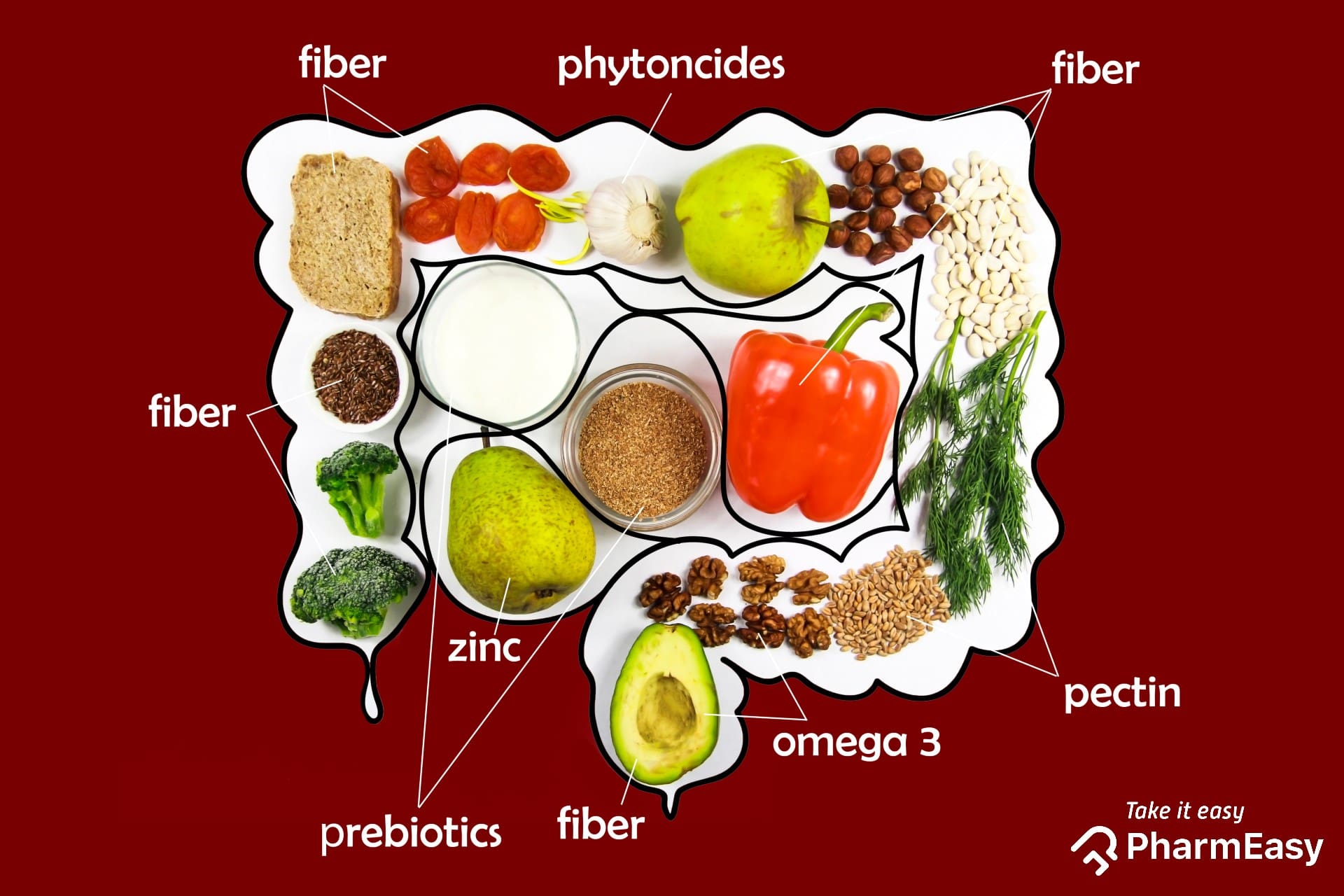
Diet plays a crucial role in managing digestive disorders as certain foods can either exacerbate or alleviate symptoms. By making simple modifications to your diet, you may be able to improve your digestive health and reduce discomfort. It’s essential to work with a healthcare provider or a registered dietitian to determine the best diet for your specific condition.
How Can Diet Impact Digestive Health?
Your diet can have a significant impact on your digestive health. Certain foods can trigger symptoms like bloating, gas, and abdominal pain, while others may help alleviate discomfort and improve gut function. By making strategic choices about what you eat, you may be able to manage your digestive disorder more effectively and enhance your overall well-being.
Most Popular Diets for Digestive Disorders
Now that we understand the importance of diet in managing digestive disorders, let’s explore some of the most popular diets that are commonly recommended for individuals with these conditions. Keep in mind that not all diets will work for everyone, so it’s crucial to listen to your body and work closely with a healthcare provider to determine what’s best for you.
Low-FODMAP Diet
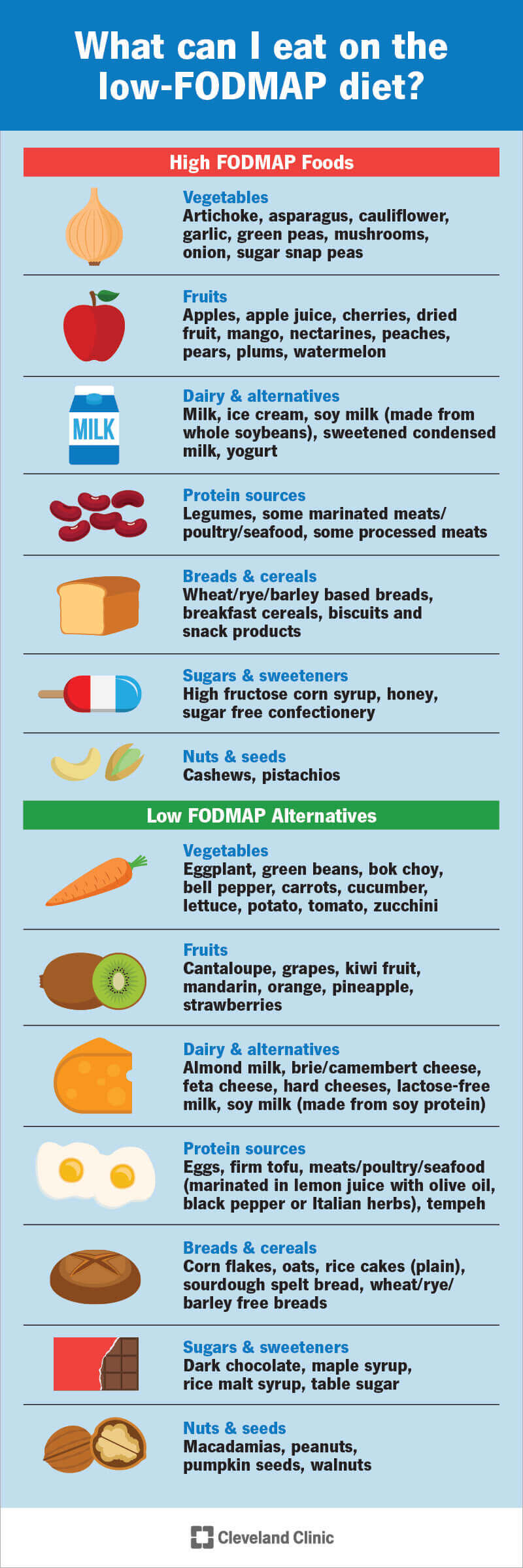
Have you heard of the low-FODMAP diet? This diet is often recommended for individuals with IBS, as it focuses on reducing the intake of fermentable carbohydrates that can trigger symptoms like bloating, gas, and abdominal pain. FODMAPs are a group of short-chain carbohydrates that are poorly absorbed in the small intestine and fermented by gut bacteria, leading to digestive symptoms in sensitive individuals. By following a low-FODMAP diet, you may be able to identify trigger foods and alleviate your symptoms.
Foods to Avoid on a Low-FODMAP Diet:
| High-FODMAP Foods |
|---|
| Apples |
| Onions |
| Garlic |
| Wheat |
| Milk |
| Honey |
Gluten-Free Diet
If you have been diagnosed with celiac disease, a gluten-free diet is essential to managing your condition. Celiac disease is an autoimmune disorder triggered by the ingestion of gluten, a protein found in wheat, barley, and rye. Eating foods that contain gluten can damage the lining of the small intestine and lead to symptoms like diarrhea, bloating, and malabsorption of nutrients. By eliminating gluten from your diet, you can prevent further damage to your intestines and improve your overall health.
Foods to Avoid on a Gluten-Free Diet:
| Gluten-Containing Foods |
|---|
| Wheat |
| Barley |
| Rye |
| Pasta |
| Bread |
| Cakes |
Mediterranean Diet
The Mediterranean diet is known for its health benefits, including improving heart health and reducing inflammation throughout the body. This diet emphasizes consuming whole, nutrient-dense foods like fruits, vegetables, whole grains, lean proteins, and healthy fats. By focusing on fresh, natural ingredients and limiting processed foods, you may be able to reduce inflammation in the gut and support overall digestive health.
Key Components of the Mediterranean Diet:
- Plenty of fruits and vegetables
- Whole grains like quinoa, brown rice, and oats
- Lean proteins like fish, poultry, and legumes
- Healthy fats from olive oil, nuts, and seeds
- Moderate consumption of dairy products such as yogurt and cheese
Specific Carbohydrate Diet
The Specific Carbohydrate Diet (SCD) is a dietary regimen designed to manage digestive disorders like Crohn’s disease, ulcerative colitis, and celiac disease. This diet restricts complex carbohydrates that are difficult to digest and ferment in the gut, leading to symptoms like bloating, gas, and diarrhea. By eliminating complex carbs and focusing on simple sugars, you can help alleviate digestive distress and support healing of the intestinal lining.
Foods Allowed on the Specific Carbohydrate Diet:
| Allowed Foods |
|---|
| Fresh fruits |
| Vegetables |
| Lean meats |
| Nuts and seeds |
| Natural fats |
| Non-dairy yogurts |
Low-Residue Diet
For individuals with inflammatory bowel diseases like Crohn’s disease or ulcerative colitis, a low-residue diet may be recommended during periods of flare-ups or when the gut needs a break from high-fiber foods. A low-residue diet limits the consumption of bulky, hard-to-digest foods like raw fruits and vegetables, whole grains, and nuts. By selecting easily digestible foods, you can reduce irritation to the intestines and promote healing during times of gastrointestinal distress.
Foods to Enjoy on a Low-Residue Diet:
- Refined grains like white bread and rice
- Cooked fruits and vegetables without skins or seeds
- Lean proteins like poultry and fish
- Dairy products like milk, yogurt, and cheese
- Well-cooked eggs
- Smooth nut butters
Paleo Diet
The Paleo diet, also known as the Caveman diet, focuses on consuming whole, unprocessed foods that mimic what our ancestors may have eaten during the Paleolithic era. This diet excludes grains, legumes, dairy, refined sugar, and processed foods, which are common triggers for digestive disorders. By sticking to whole foods like lean meats, fish, fruits, vegetables, nuts, and seeds, you can reduce inflammation in the gut and support optimal digestive function.
Foods to Enjoy on a Paleo Diet:
| Paleo-Friendly Foods |
|---|
| Grass-fed meats |
| Wild-caught fish |
| Eggs |
| Nuts and seeds |
| Fruits and vegetables |
| Healthy fats |
Conclusion
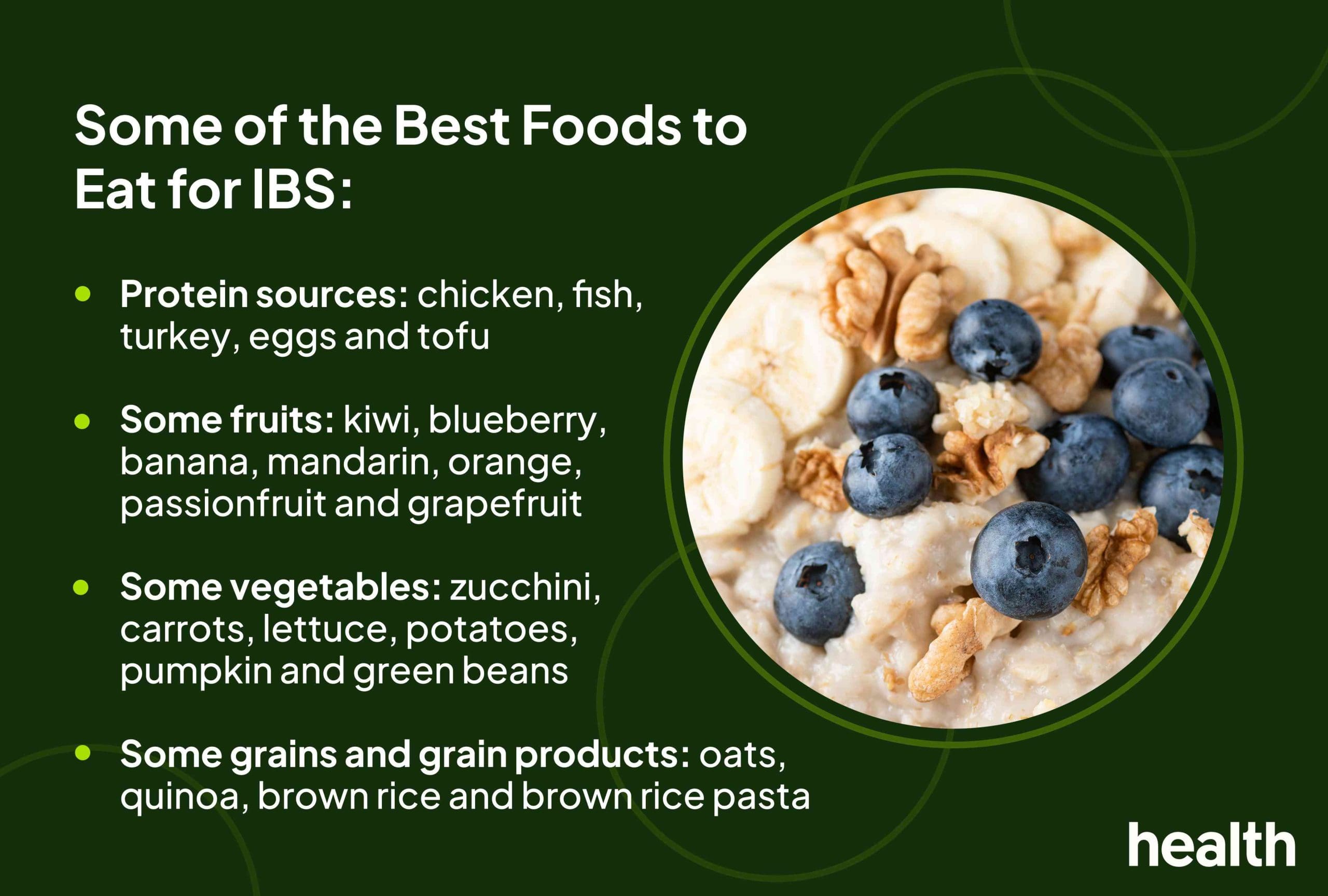
In conclusion, finding the right diet for your digestive disorder can significantly impact your symptoms and overall quality of life. By working closely with a healthcare provider or a registered dietitian, you can identify trigger foods, alleviate discomfort, and improve your digestive health. Whether you choose to follow a low-FODMAP diet, a gluten-free diet, a Mediterranean diet, a Specific Carbohydrate Diet, a low-residue diet, or a Paleo diet, there are plenty of options available to support your digestive wellness. Don’t be afraid to experiment with different diets to find what works best for you, and remember that everyone’s digestive system is unique. Here’s to happy and healthy digestion!