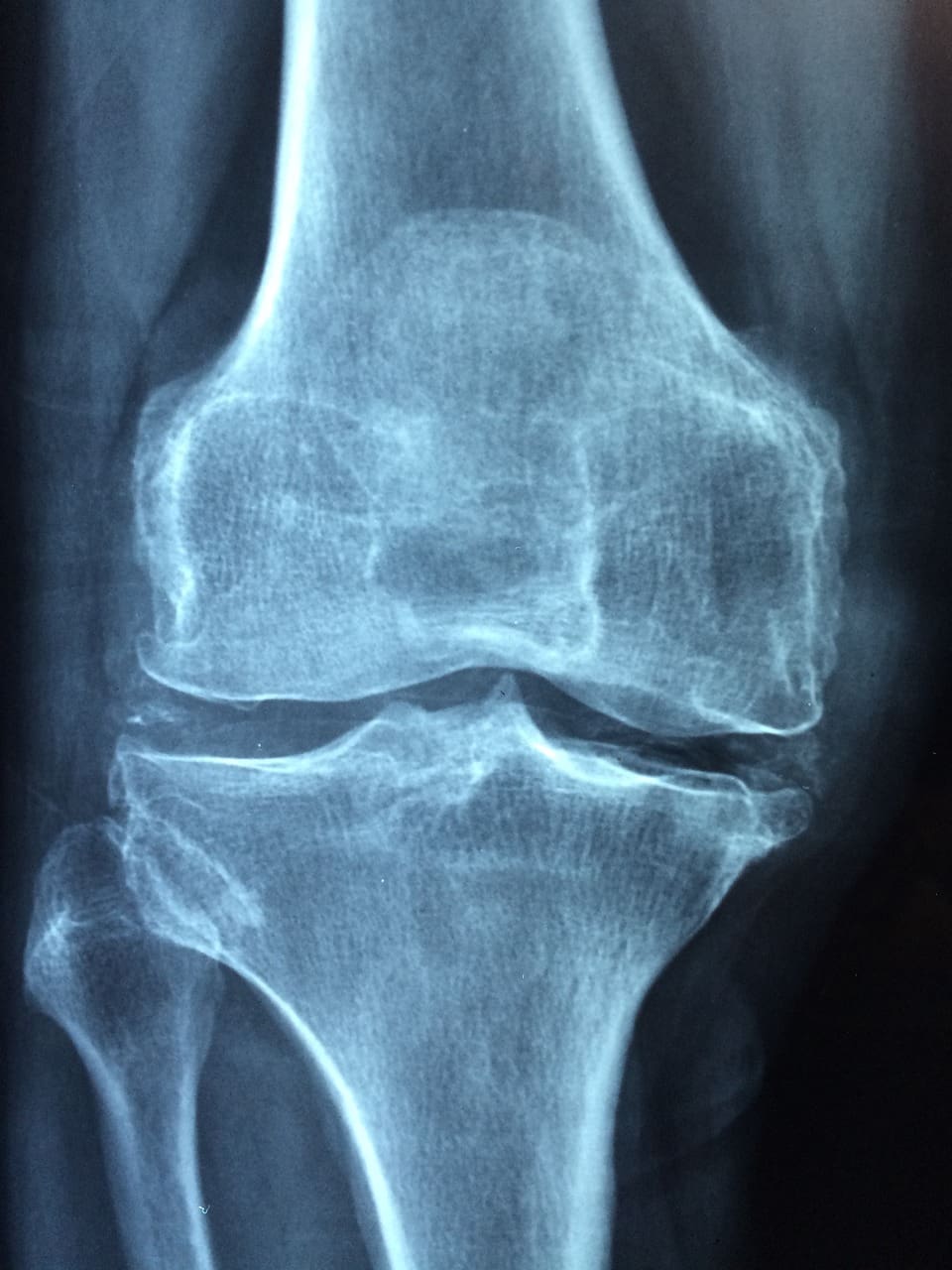
Are you looking for tips on how to manage rheumatoid arthritis flares more effectively? In this article, we will explore some practical strategies to help you cope with the pain and discomfort that can accompany RA flares. By implementing these techniques, you can regain control over your symptoms and improve your quality of life. From gentle exercises to mindful stress management techniques, we’ve got you covered with helpful advice to manage rheumatoid arthritis flares. Let’s dive in and start feeling better today. Hey there! Are you struggling with rheumatoid arthritis flares and looking for ways to manage them effectively? You’re in the right place! In this detailed guide, we will walk you through everything you need to know about managing rheumatoid arthritis flares. From identifying triggers to lifestyle changes and treatment options, we’ve got you covered. Let’s dive in!
Understanding Rheumatoid Arthritis Flares
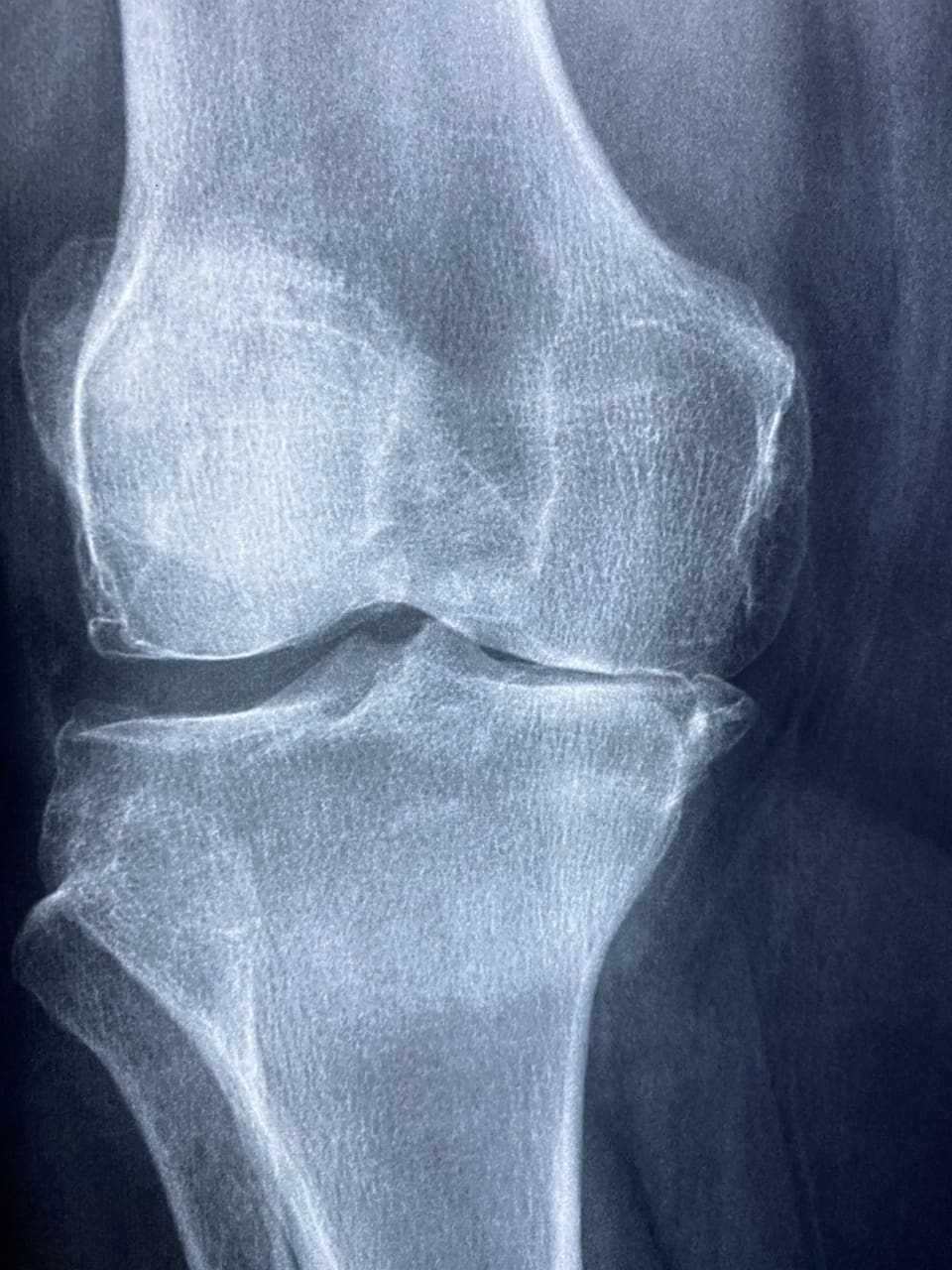
Dealing with rheumatoid arthritis flares can be challenging, but understanding what they are and why they happen is the first step towards effective management. Rheumatoid arthritis is an autoimmune condition that causes inflammation in the joints, leading to pain, swelling, stiffness, and decreased mobility. Flares are episodes of increased disease activity, resulting in worsening symptoms. Identifying the signs of a flare early on can help you take action promptly to minimize its impact.
Signs of a Rheumatoid Arthritis Flare
During a flare, you may experience increased joint pain, swelling, stiffness, fatigue, and a general feeling of malaise. You may also notice decreased range of motion in your joints and difficulties with daily activities. It’s essential to pay attention to these signs and communicate them to your healthcare provider to ensure timely intervention.
Identifying Triggers for Rheumatoid Arthritis Flares
Rheumatoid arthritis flares can be triggered by various factors, including stress, infections, changes in weather, and physical exertion. Identifying your personal triggers is crucial in managing your condition effectively. Keep a journal to track your symptoms and activities, looking for patterns that may indicate potential triggers.
Common Triggers for Rheumatoid Arthritis Flares
- Stress: Emotional stress can exacerbate inflammation and trigger flares. Finding healthy ways to manage stress, such as mindfulness techniques or relaxation exercises, can help reduce the risk of flares.
- Infections: Infections, such as colds or urinary tract infections, can activate the immune system and worsen rheumatoid arthritis symptoms. Practice good hygiene and seek prompt treatment for any infections to prevent flares.
- Weather Changes: Cold, damp weather is often associated with increased joint pain and stiffness in people with rheumatoid arthritis. Dress warmly, use heating pads, and stay indoors during extreme weather conditions to minimize flare triggers.
- Overexertion: Physical overexertion, such as lifting heavy objects or engaging in intense exercise, can strain the joints and trigger flares. Pace yourself, listen to your body, and incorporate gentle movements into your daily routine to avoid exacerbating your symptoms.
Lifestyle Modifications to Manage Rheumatoid Arthritis Flares
Making certain lifestyle modifications can help you better manage rheumatoid arthritis flares and improve your overall quality of life. From dietary changes to stress management techniques, incorporating these habits into your daily routine can make a significant difference in how you feel.
Diet and Nutrition
- Anti-Inflammatory Foods: Incorporating foods rich in omega-3 fatty acids, antioxidants, and fiber can help reduce inflammation and support joint health. Include fatty fish, leafy greens, berries, nuts, and seeds in your diet to promote overall well-being.
- Hydration: Staying hydrated is essential for joint lubrication and toxin elimination. Aim to drink at least eight glasses of water a day and limit your intake of sugary and caffeinated beverages.
- Supplements: Consult with your healthcare provider about incorporating supplements such as fish oil, turmeric, and vitamin D into your daily regimen to support joint health and reduce inflammation.
Exercise and Physical Activity
- Low-Impact Exercises: Engaging in low-impact exercises such as swimming, tai chi, and yoga can help improve joint flexibility, strength, and range of motion without exacerbating inflammation. Consult with a physical therapist to develop a customized exercise plan that suits your needs.
- Strengthening Exercises: Incorporating strength training exercises focusing on the muscles around the affected joints can help provide support and stability, reducing the risk of flare-ups.
- Rest and Recovery: Balancing physical activity with rest and recovery is crucial in managing rheumatoid arthritis flares. Listen to your body’s cues and avoid overdoing it to prevent aggravating your symptoms.
Stress Management
- Mindfulness Techniques: Practicing mindfulness meditation, deep breathing exercises, and progressive muscle relaxation can help reduce stress levels and promote emotional well-being. Set aside time each day for relaxation and self-care to manage stress effectively.
- Healthy Coping Mechanisms: Developing healthy coping mechanisms such as journaling, talking to a therapist, or engaging in hobbies can help you navigate the emotional challenges of living with rheumatoid arthritis and prevent flare triggers.
- Social Support: Building a strong support network of friends, family, and healthcare providers can provide you with the emotional support and practical assistance you need to manage flares effectively. Don’t hesitate to reach out for help when you need it.
Treatment Options for Rheumatoid Arthritis Flares
When lifestyle modifications alone are not sufficient to manage rheumatoid arthritis flares, your healthcare provider may recommend additional treatment options to help alleviate your symptoms and prevent disease progression. These may include medications, physical therapy, injections, or surgery, depending on the severity of your condition.
Medications
- Disease-Modifying Antirheumatic Drugs (DMARDs): These medications work to suppress the overactive immune response in rheumatoid arthritis and reduce joint damage. Common DMARDs include methotrexate, hydroxychloroquine, and sulfasalazine.
- Biologic Response Modifiers: Biologics target specific components of the immune system to reduce inflammation and halt disease progression. Biologics such as adalimumab, etanercept, and infliximab are commonly used in treating rheumatoid arthritis.
- Corticosteroids: Corticosteroids are potent anti-inflammatory medications that can provide rapid relief from pain and inflammation during flares. However, long-term use of corticosteroids may have adverse effects on bone health and immune function.
Physical Therapy
- Joint Exercises: A physical therapist can teach you specific exercises to improve joint mobility, strength, and function, reducing pain and stiffness associated with rheumatoid arthritis flares.
- Strengthening and Stretching: Physical therapy sessions may focus on strengthening the muscles around the affected joints and improving flexibility to support overall joint health.
- Manual Therapy: Hands-on techniques such as massage, mobilization, and manipulation can help reduce pain, improve circulation, and enhance joint mobility during flares.
Injections
- Joint Injections: Corticosteroid injections directly into the affected joints can provide targeted relief from inflammation and pain, reducing the need for oral medications and minimizing systemic side effects.
- Platelet-Rich Plasma (PRP) Therapy: PRP therapy involves injecting a concentrated dose of platelets from your blood into the affected joints to promote healing and reduce inflammation, potentially accelerating the recovery process.
Surgery
- Joint Replacement: In severe cases where joint damage is significant and traditional treatments are no longer effective, joint replacement surgery may be recommended to restore mobility and reduce pain. Common joint replacements for rheumatoid arthritis include knees, hips, and shoulders.

Monitoring and Preventing Rheumatoid Arthritis Flares
Regular monitoring of your rheumatoid arthritis symptoms and disease activity can help you detect flares early and take proactive steps to manage them effectively. Working closely with your healthcare provider to develop a personalized treatment plan and adopting healthy habits to prevent flares are key components of long-term disease management.
Self-Monitoring
- Keep a Symptoms Journal: Recording your daily symptoms, activities, and triggers in a journal can help you identify patterns and potential flare triggers. Share this information with your healthcare provider during check-up appointments.
- Track Medication Use: Monitoring your medication adherence and response to treatment can help you and your provider optimize your treatment plan and make necessary adjustments to control flares.
Preventative Strategies
- Annual Check-Ups: Regular visits to your rheumatologist for check-ups and disease monitoring can help you stay on top of your condition and detect changes in disease activity early on.
- Vaccinations: Keeping up to date with vaccinations, including the flu shot and pneumonia vaccine, can help prevent infections that may trigger rheumatoid arthritis flares.
Final Thoughts
Managing rheumatoid arthritis flares requires a comprehensive approach that addresses both the physical and emotional aspects of the condition. By understanding your triggers, making lifestyle modifications, exploring treatment options, and taking proactive measures to prevent flares, you can regain control over your symptoms and improve your quality of life. Remember to work closely with your healthcare provider to develop a personalized management plan that suits your individual needs. You’ve got this! 🌟
I hope this guide has been helpful in empowering you to manage your rheumatoid arthritis flares effectively. If you have any questions or need further support, don’t hesitate to reach out to your healthcare provider for guidance. Stay strong and resilient on your journey towards better health and well-being. You’ve got this!