
Did you know that as you age, you may start to experience muscle loss and weakness? This is a common issue that many people face as they get older, but the good news is that there are best practices you can follow to mitigate and prevent this. In this article, we will explore some effective strategies and habits that can help you maintain muscle strength and functionality as you age. By implementing these practices into your daily life, you can improve your overall quality of life and stay active and independent for years to come.
Regular Exercise
Strength Training
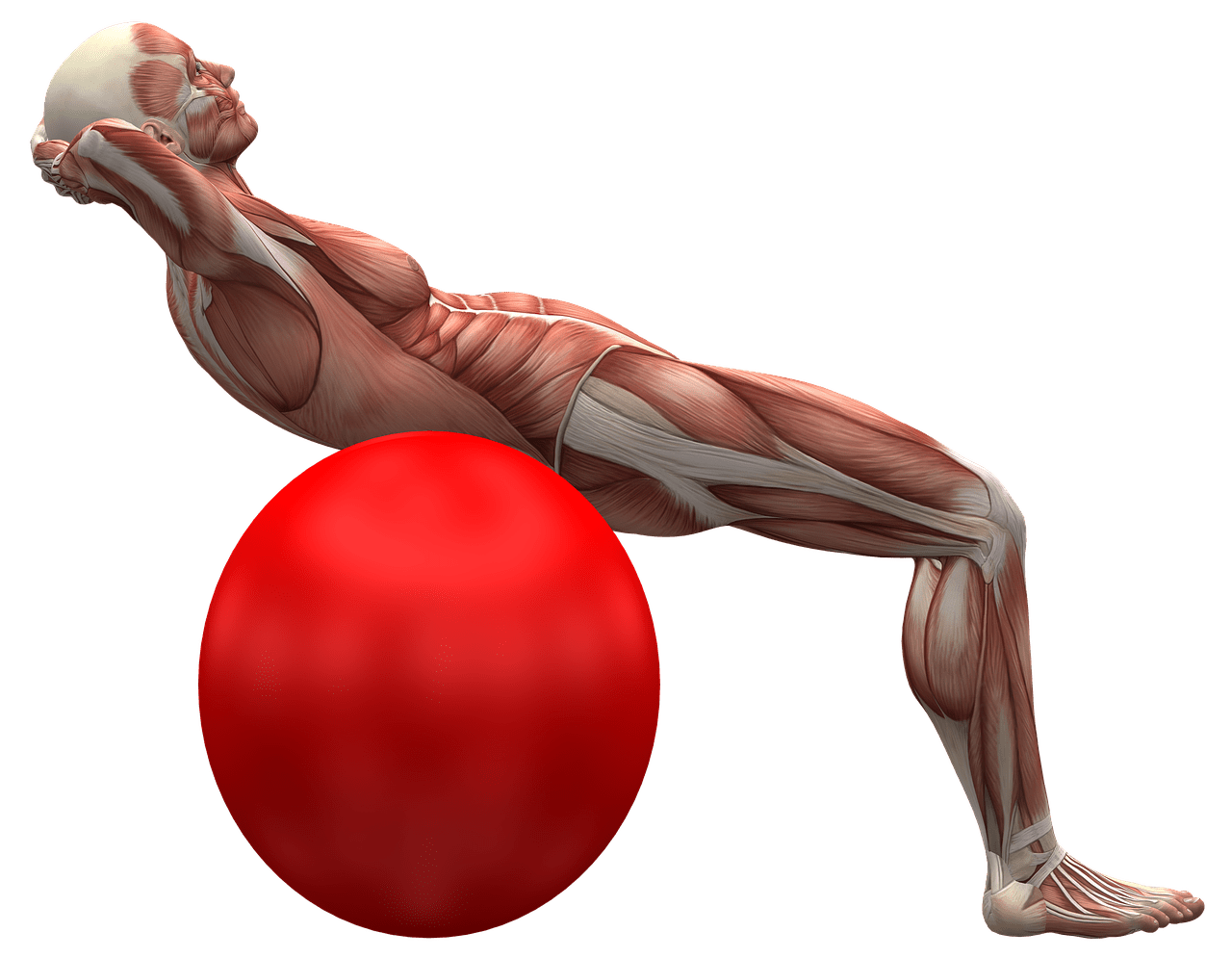
Regular exercise is crucial for maintaining muscle strength and preventing age-related muscle loss and weakness. One of the most effective forms of exercise for this purpose is strength training. By engaging in strength training exercises, you can enhance muscle mass, increase bone density, and improve overall functional ability.
Strength training involves working against resistance to build and tone muscles. This can be achieved through activities such as weightlifting, using resistance bands, or performing bodyweight exercises. It is essential to include exercises that target all major muscle groups, including the arms, legs, core, and back, to ensure balanced strength development.
Cardiovascular Exercise
In addition to strength training, cardiovascular exercise is essential for overall health and muscle maintenance. Activities such as brisk walking, jogging, swimming, cycling, or aerobic classes can help improve cardiovascular fitness and endurance. Cardiovascular exercise increases blood flow to the muscles, delivering oxygen and nutrients necessary for their proper functioning.
Engaging in regular cardiovascular exercise also reduces the risk of heart disease, improves mental health, and helps maintain a healthy body weight. Aim for at least 150 minutes of moderate-intensity aerobic exercise or 75 minutes of vigorous-intensity aerobic exercise per week to reap the maximum benefits.
Flexibility and Balance Training
Flexibility and balance training are often overlooked aspects of exercise, but they play a significant role in preventing age-related muscle loss and weakness. Stretching exercises help improve flexibility, which allows for better joint mobility and reduces the risk of injuries. Incorporating activities such as yoga or Pilates into your routine can help enhance flexibility and range of motion.
Additionally, maintaining good balance is crucial for preventing falls and injuries. Exercises that challenge your balance, such as standing on one leg, practicing tai chi, or using balance boards, can strengthen the muscles involved in maintaining stability. Including these types of exercises in your workout regimen will contribute to overall muscle health and reduce the risk of falls.
Protein Intake
Optimal Daily Protein Intake
Protein is an essential nutrient for maintaining and repairing muscles. As you age, your body’s ability to utilize dietary protein decreases. Therefore, it becomes even more important to ensure an adequate protein intake to support muscle health.
The recommended daily protein intake for older adults is approximately 1 to 1.2 grams of protein per kilogram of body weight. This means that if you weigh 70 kilograms, you should aim to consume between 70 and 84 grams of protein each day. Distributing protein intake evenly throughout the day, rather than consuming it all in one meal, is more beneficial for muscle protein synthesis.
High-Quality Protein Sources
Choosing high-quality protein sources is key to meeting your daily protein needs. Animal-based proteins, such as lean meats, poultry, fish, eggs, and dairy products, are considered complete proteins as they provide all essential amino acids. Incorporating these foods into your diet can help ensure you are getting a wide range of amino acids necessary for muscle repair and growth.
If you follow a vegetarian or vegan diet, you can still obtain sufficient protein by combining different plant-based protein sources throughout the day. Legumes, tofu, tempeh, seitan, quinoa, and certain grains such as amaranth and buckwheat are excellent sources of plant-based protein. Including a variety of these foods in your meals will help meet your protein requirements.
Adequate Caloric Intake
Maintaining Energy Balance
To prevent age-related muscle loss, it is crucial to maintain an adequate caloric intake that supports your activity level and meets your nutritional needs. Energy balance refers to the equilibrium between the calories consumed through food and the calories expended through physical activity and bodily functions.
If you consume more calories than you expend, you may gain weight, which can lead to an increase in body fat and a potential loss of muscle mass. On the other hand, if you consistently consume fewer calories than you burn, you may experience unintentional weight loss and muscle wasting. It’s important to find the right balance that supports a healthy body weight and muscle maintenance.
Nutrient-rich Diet
While maintaining an adequate caloric intake is important, the quality of the calories consumed is equally crucial. Opting for a nutrient-rich diet ensures that you are providing your body with all the essential vitamins, minerals, and macronutrients it needs to function optimally and support muscle health.
Include a variety of whole foods in your diet, such as fruits, vegetables, whole grains, lean proteins, and healthy fats. These foods are rich in vitamins, minerals, and fiber, which are vital for muscle repair, immune function, and overall health. Additionally, consuming antioxidant-rich foods, such as berries, leafy greens, and nuts, can help reduce oxidative stress and inflammation, further supporting muscle health.
Hydration
Importance of Staying Hydrated
Staying hydrated is often overlooked, but it plays a critical role in maintaining muscle health and overall well-being. Adequate hydration is essential for transporting nutrients to the muscles and removing waste products, such as lactic acid, that can cause muscle fatigue and soreness.
Dehydration can impair muscle function, reduce exercise performance, and increase the risk of muscle cramps and injuries. Therefore, it is important to prioritize hydration throughout the day, especially when engaging in physical activity.
Daily Water Intake
The Institute of Medicine recommends a daily water intake of approximately 3.7 liters for men and 2.7 liters for women, including fluids from beverages and foods. However, individual hydration needs may vary depending on factors such as body weight, activity level, and climate.
To ensure adequate hydration, aim to drink water regularly throughout the day and listen to your body’s thirst cues. Additionally, if you engage in intense or prolonged exercise, it is important to drink fluids before, during, and after your workout to replace the water lost through sweat.

Sufficient Rest and Sleep
Importance of Rest and Recovery
Rest and recovery are essential for muscle repair, growth, and overall well-being. Adequate rest allows the body to recover from exercise-induced stress, repair damaged tissues, and restore energy levels. Without proper rest, muscles may not have enough time to recover, leading to increased muscle breakdown and a higher risk of injury.
In addition to physical rest, mental relaxation and stress management are also crucial for overall health. Chronic stress can negatively impact sleep quality, hormone balance, and immune function, which can all affect muscle health and recovery.
Optimal Sleep Duration
Getting enough sleep is vital for overall health and muscle maintenance. During sleep, the body goes through various stages, including deep sleep and REM sleep, which are critical for tissue repair, muscle growth, and hormone regulation.
The National Sleep Foundation recommends that adults aim for 7 to 9 hours of quality sleep per night. Establishing a consistent sleep schedule, creating a relaxing bedtime routine, and creating an optimal sleep environment can all contribute to better sleep quality and muscle recovery.
Vitamin D and Calcium
Benefits for Muscle Health
Vitamin D and calcium are essential nutrients for maintaining muscle health, especially as you age. Vitamin D plays a crucial role in calcium absorption and muscle functioning. It helps regulate muscle contractions, supports muscle strength, and reduces the risk of falls and fractures.
Calcium, on the other hand, is necessary for muscle contraction, including the heart muscle. It also promotes bone health, which indirectly contributes to muscle strength and function.
Food Sources and Supplements
To ensure adequate vitamin D and calcium intake, it is important to include food sources rich in these nutrients in your diet. Fatty fish like salmon and mackerel, fortified dairy products, egg yolks, and certain mushrooms are good sources of vitamin D. For calcium, consider incorporating dairy products, leafy greens like kale and spinach, tofu, and fortified plant-based milks into your meals.
If you struggle to meet your vitamin D and calcium needs through diet alone, supplementation may be necessary. Consult with your healthcare provider to determine if you need supplements and to establish the appropriate dosage for your individual needs.
Reducing Inflammation
Anti-Inflammatory Diet
Chronic inflammation can contribute to muscle loss and weaken the immune system. Adopting an anti-inflammatory diet can help reduce inflammation, support muscle health, and promote overall well-being.
An anti-inflammatory diet includes plenty of fruits, vegetables, whole grains, lean proteins, and healthy fats. These foods are rich in antioxidants and anti-inflammatory compounds that can help combat oxidative stress and reduce inflammation in the body. Avoid or minimize the consumption of processed foods, sugary snacks, processed meats, and excessive alcohol, as they can promote inflammation.
Managing Chronic Conditions
Certain chronic conditions, such as arthritis or autoimmune diseases, can cause inflammation and impact muscle health. It is important to work closely with your healthcare provider to manage and treat these conditions effectively.
Medications, physical therapy, and lifestyle modifications may be necessary to manage inflammation associated with these conditions. By properly managing chronic conditions, you can reduce the impact they have on your muscle health and overall quality of life.
Avoiding Sedentary Lifestyle
Importance of Physical Activity
Leading a sedentary lifestyle can accelerate age-related muscle loss and weakness. Regular physical activity is vital for maintaining muscle mass, improving muscle strength, and preserving overall health and functionality.
Engaging in daily activities that involve movement, such as walking, gardening, or taking the stairs instead of the elevator, can help combat a sedentary lifestyle. Aim to incorporate at least 150 minutes of moderate-intensity aerobic activity into your weekly routine, along with strength training exercises to maintain strong and resilient muscles.
Incorporating Movement into Daily Routine
In addition to dedicated exercise sessions, finding ways to incorporate movement into your daily routine is essential. Simple actions like stretching, standing up and stretching during prolonged periods of sitting, or taking short breaks to walk around can make a significant difference in maintaining muscle health.
Consider using a pedometer or a fitness tracker to monitor your daily step count and set achievable goals to gradually increase your activity level. Small changes can add up over time and contribute to maintaining a healthy and active lifestyle.
Regular Medical Check-ups
Bone Density Testing
As you age, it is important to monitor your bone health to prevent osteoporosis and fractures. Bone density testing, such as dual-energy X-ray absorptiometry (DXA), can assess your bone mineral density and help identify potential issues early on.
Regular screenings can help detect osteoporosis and prompt necessary interventions, such as lifestyle modifications and medications, to improve bone health. Discuss with your healthcare provider the appropriate timing and frequency of bone density testing based on your individual risk factors.
Monitoring Medications
Certain medications, such as corticosteroids or statins, can affect muscle health and increase the risk of muscle weakness or loss. It is essential to communicate with your healthcare provider about any medications you are taking to monitor their potential impact on your muscles.
Your healthcare provider may adjust dosages, recommend alternative treatments, or suggest additional measures to mitigate the side effects on muscle health. Regular check-ups and open communication with your healthcare provider are crucial in maintaining muscle health while managing any existing medical conditions.
Maintaining a Healthy Weight
Body Mass Index (BMI)
Maintaining a healthy weight is important for overall health and muscle maintenance. One way to assess whether you are within a healthy weight range is by calculating your Body Mass Index (BMI).
BMI is a numerical value derived from your height and weight and provides an estimate of body fat percentage. A BMI within the range of 18.5 to 24.9 is considered healthy. If you are overweight or underweight, adjusting your diet and exercise habits with guidance from a healthcare professional can help you achieve and maintain a healthy weight.
Weight Management Strategies
Maintaining a healthy weight involves adopting sustainable lifestyle habits rather than relying on fad diets or extreme measures. Focus on consuming a balanced diet that provides all essential nutrients while keeping portion sizes in check. Incorporate regular physical activity into your routine to increase calorie expenditure and support muscle maintenance.
Engaging in strength training exercises can help build lean muscle mass, which can increase your resting metabolic rate and aid in weight management. Lastly, prioritize overall wellness rather than solely focusing on the number on the scale. Maintaining a healthy weight is about supporting your muscle health and overall well-being.