
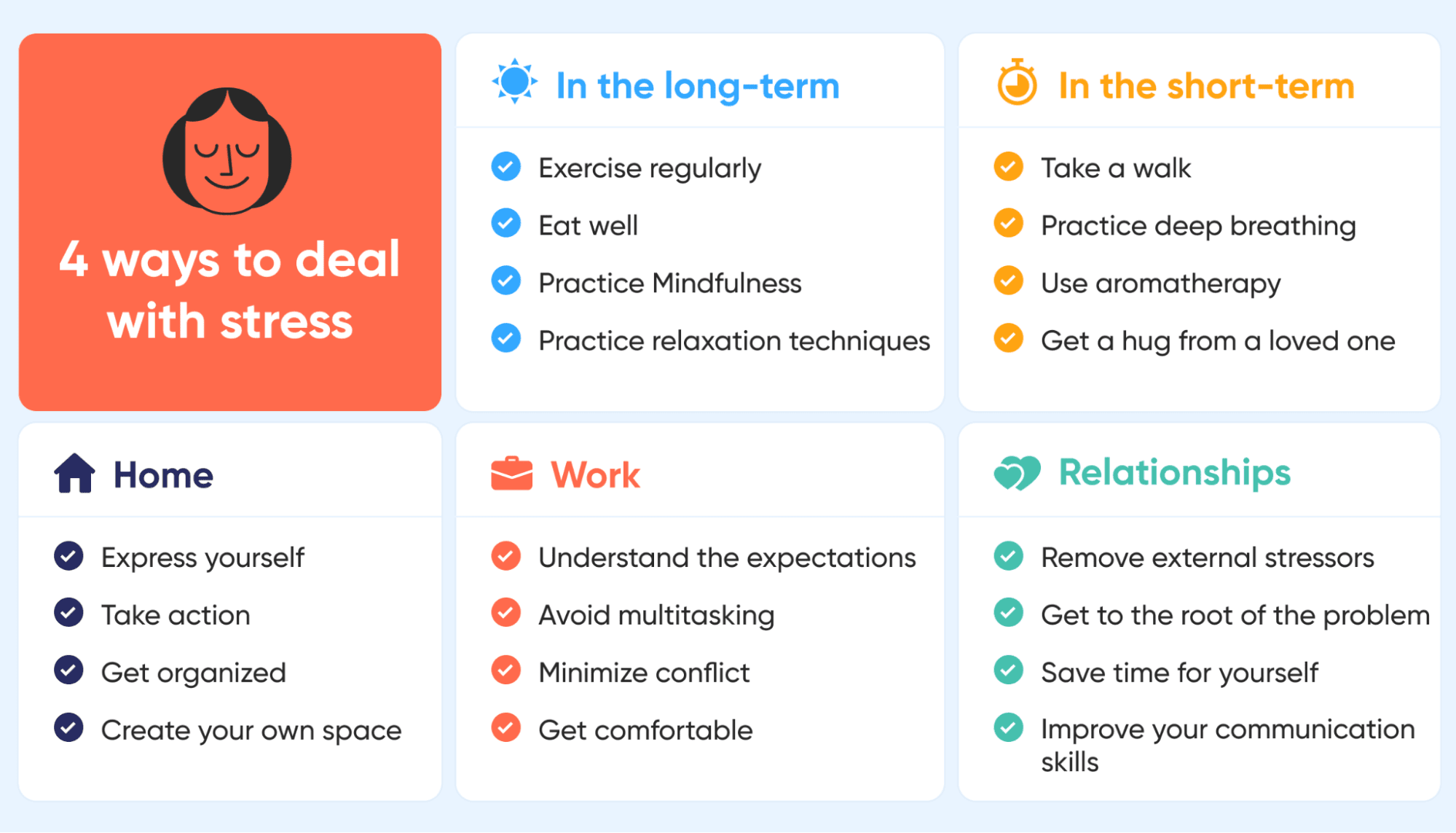
Welcome to an article that will provide you with valuable tips on how to manage stress during your retirement years. As you transition into this new phase of life, it’s important to prioritize your mental and emotional well-being. In this article, we will explore the top 5 ways you can effectively cope with and reduce stress in retirement. From staying active and socializing to practicing relaxation techniques, you’ll discover practical strategies to help you embrace this chapter with a sense of calm and positivity. So sit back, relax, and let’s dive into the top 5 ways to manage stress in retirement. Did you ever imagine that retirement could be a stressful time in your life? With the change in routine and the uncertainty of what lies ahead, it’s common to feel overwhelmed and anxious about this new chapter. But fear not, there are ways to manage stress in retirement and make this period enjoyable and fulfilling. In this article, we will explore the top 5 ways to help you navigate through this transition with ease. So sit back, relax, and let’s dive into some stress-relief techniques for retirement.
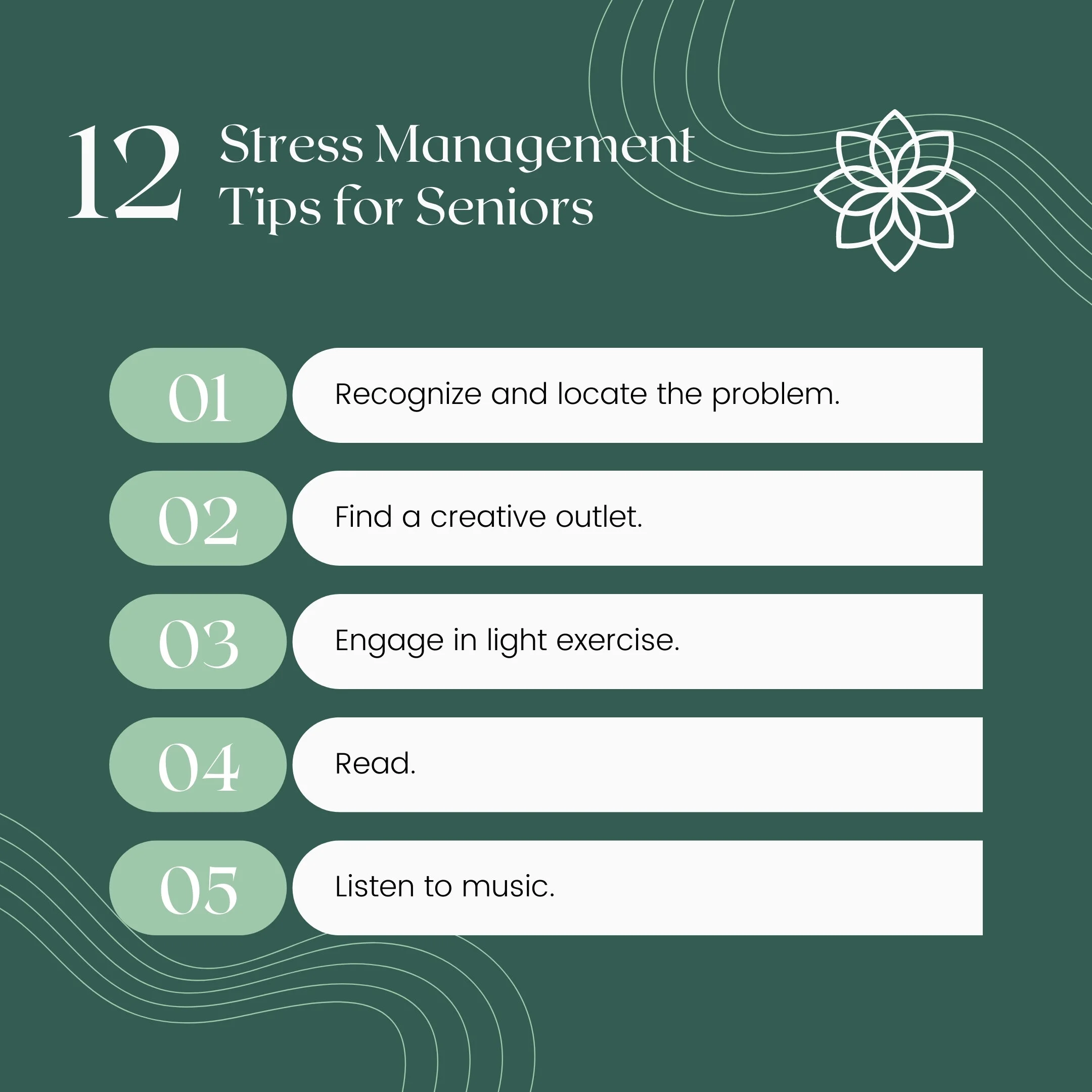
Embrace a Healthy Lifestyle
Taking care of your physical health is crucial for managing stress in retirement. By incorporating healthy habits into your daily routine, you can boost your mood, alleviate anxiety, and improve overall well-being.
Exercise Regularly
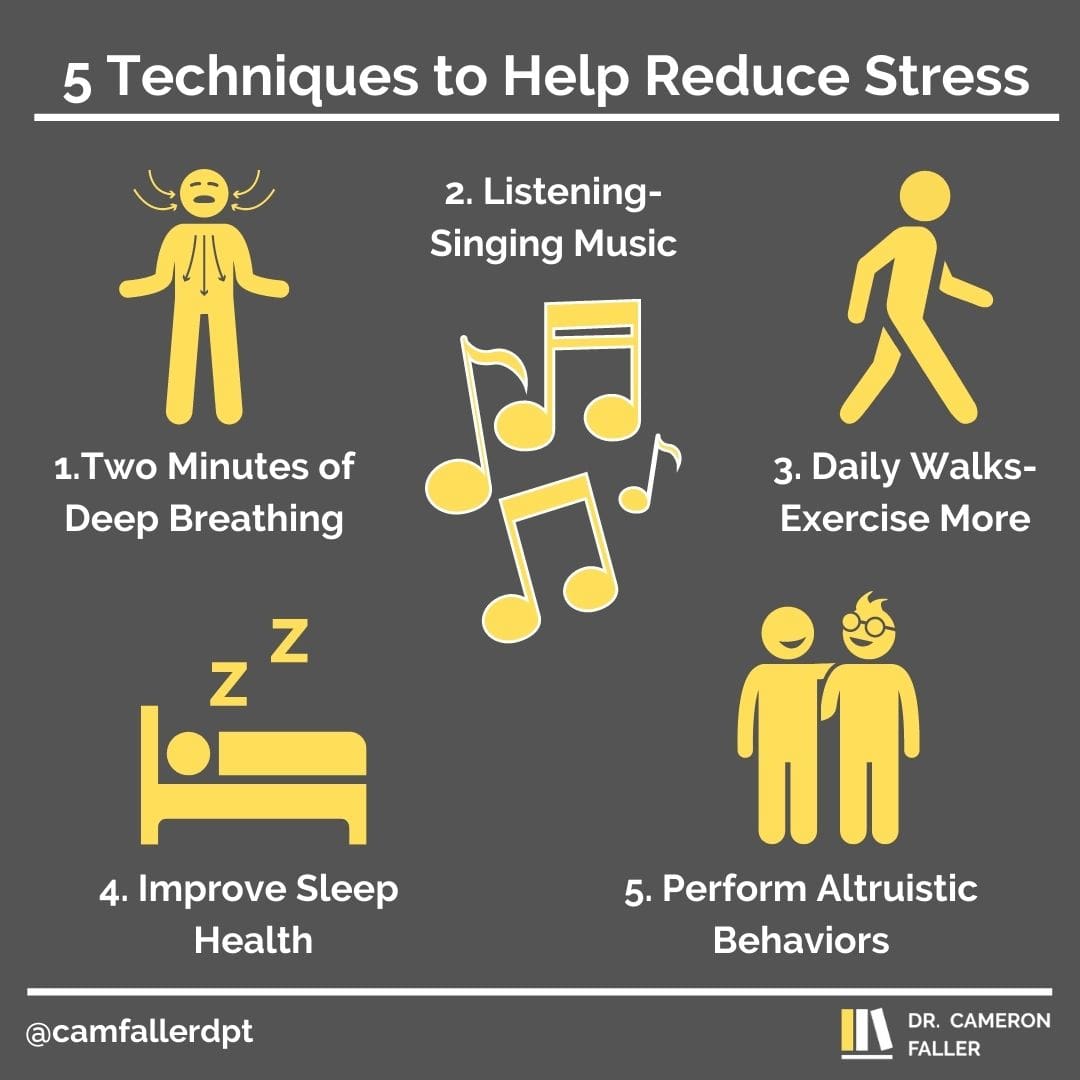
Engaging in regular physical activity has numerous benefits for your mental and physical health. Whether it’s walking, swimming, yoga, or gardening, find an activity that you enjoy and make it a part of your daily routine. Exercise releases endorphins, which are known as “feel-good” hormones, helping to reduce stress and improve your mood.
Eat a Balanced Diet
Nutrition plays a significant role in managing stress levels. Make sure to consume a well-balanced diet rich in fruits, vegetables, whole grains, and lean proteins. Foods like dark leafy greens, nuts, and berries are known to have stress-reducing properties.
Get Adequate Sleep
Adequate sleep is crucial for maintaining optimal health and well-being. Lack of sleep can exacerbate stress levels and negatively impact your mood. Aim for 7-9 hours of quality sleep each night to feel refreshed and rejuvenated.
Stay Connected with Loved Ones
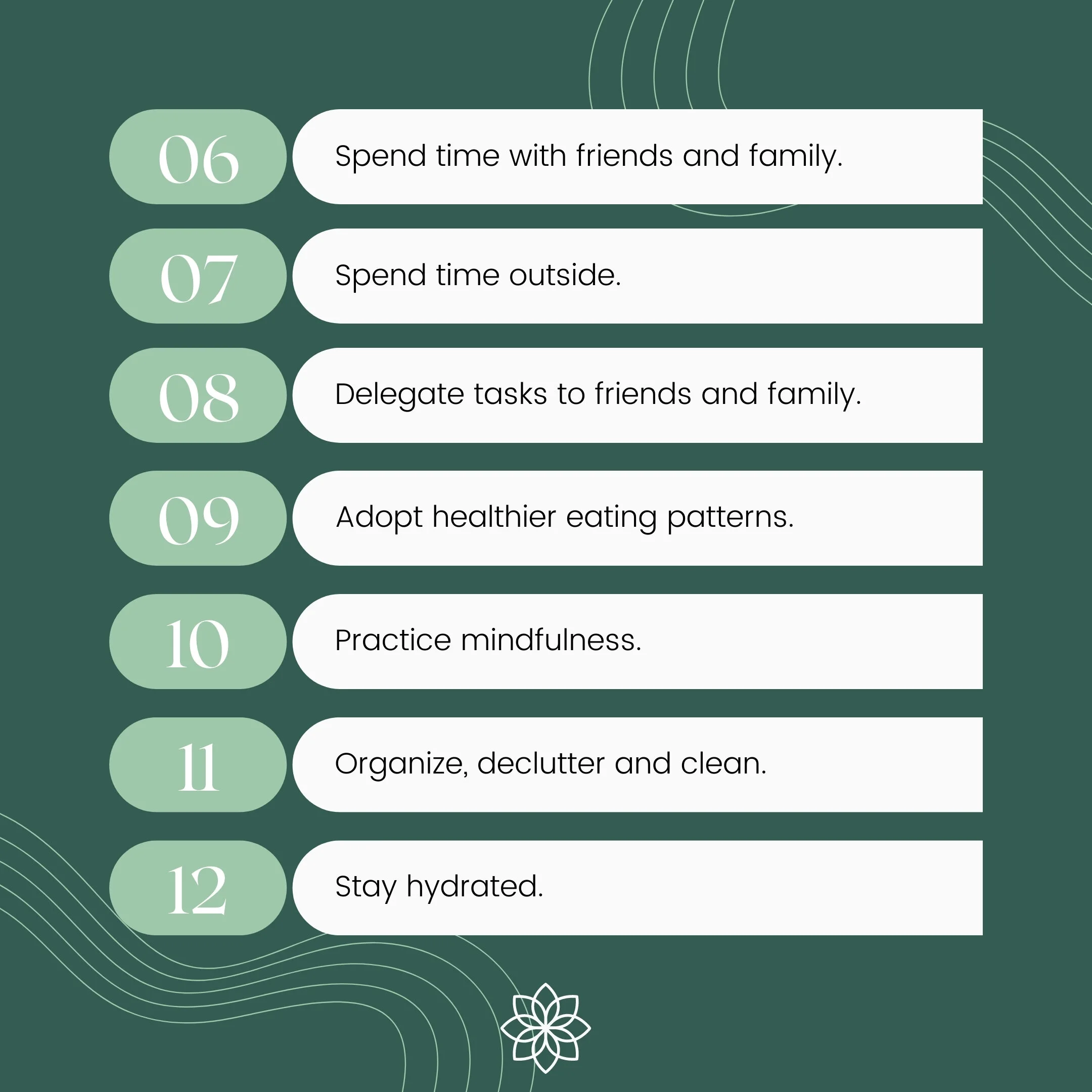
Maintaining strong social connections is essential for managing stress in retirement. Spending time with family and friends can provide support, companionship, and a sense of belonging.
Engage in Social Activities
Participate in social activities that interest you, such as joining clubs, volunteering, or attending community events. Connecting with others who share similar interests can help combat loneliness and boost your mood.
Communicate Openly
Don’t hesitate to reach out to your loved ones and share your feelings and concerns with them. Open communication can help alleviate stress and provide a sense of relief knowing that you have a support system in place.
Embrace Technology
Technology can be a great tool for staying connected with friends and family, especially if they live far away. Utilize video calls, social media, or messaging apps to keep in touch and maintain relationships with your loved ones.
Prioritize Self-Care
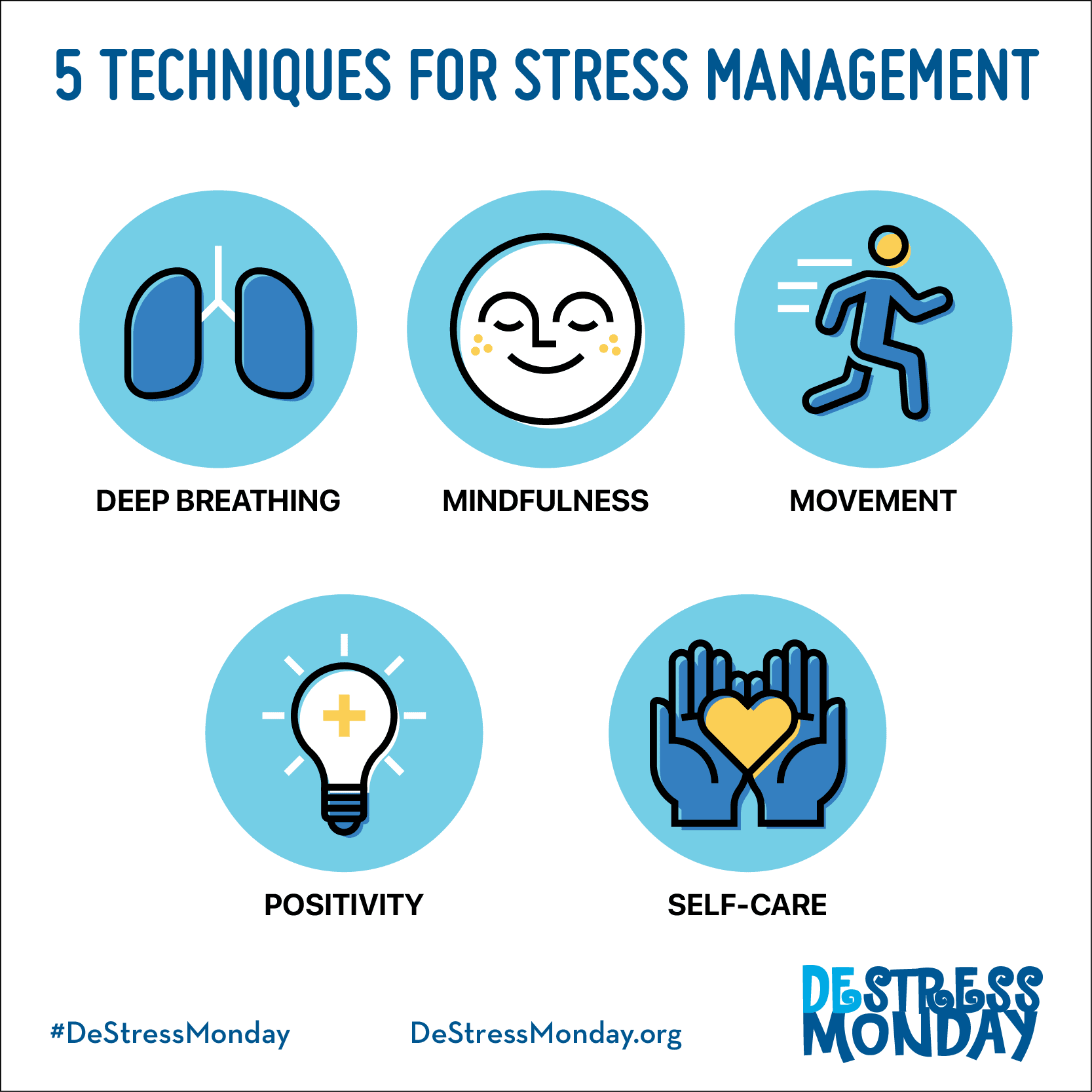
Self-care is essential for managing stress and maintaining a healthy work-life balance. By prioritizing your well-being and taking time for yourself, you can prevent burnout and enhance your overall quality of life.
Practice Mindfulness
Engaging in mindfulness practices, such as meditation, deep breathing, or yoga, can help you stay present and reduce stress levels. Mindfulness techniques can also improve focus, concentration, and overall mental clarity.
Set Boundaries
It’s important to set boundaries and learn to say no to commitments that may overwhelm you or cause unnecessary stress. Prioritize your own needs and well-being, and don’t feel guilty for putting yourself first.
Engage in Hobbies
Discover activities that bring you joy and fulfillment, whether it’s painting, gardening, cooking, or playing a musical instrument. Engaging in hobbies can help you relax, unwind, and find a sense of purpose in retirement.
Explore New Opportunities
Retirement is a great time to explore new opportunities, pursue interests, and embark on new adventures. By staying curious and open to new experiences, you can discover a sense of fulfillment and excitement in this stage of life.
Take Up a New Hobby
Try something new that you’ve always wanted to do but never had the time for, whether it’s learning a new language, taking up photography, or starting a book club. Embracing new hobbies can spark creativity, passion, and a sense of accomplishment.
Travel and Explore
Explore different destinations, both near and far, and immerse yourself in new cultures, cuisines, and experiences. Traveling can broaden your horizons, create lasting memories, and provide a sense of adventure and excitement in retirement.
Volunteer and Give Back
Giving back to your community through volunteering can be a rewarding and fulfilling experience. Whether it’s mentoring youth, helping in a food bank, or assisting in environmental conservation efforts, volunteering can bring a sense of purpose and meaning to your retirement years.
Seek Professional Help
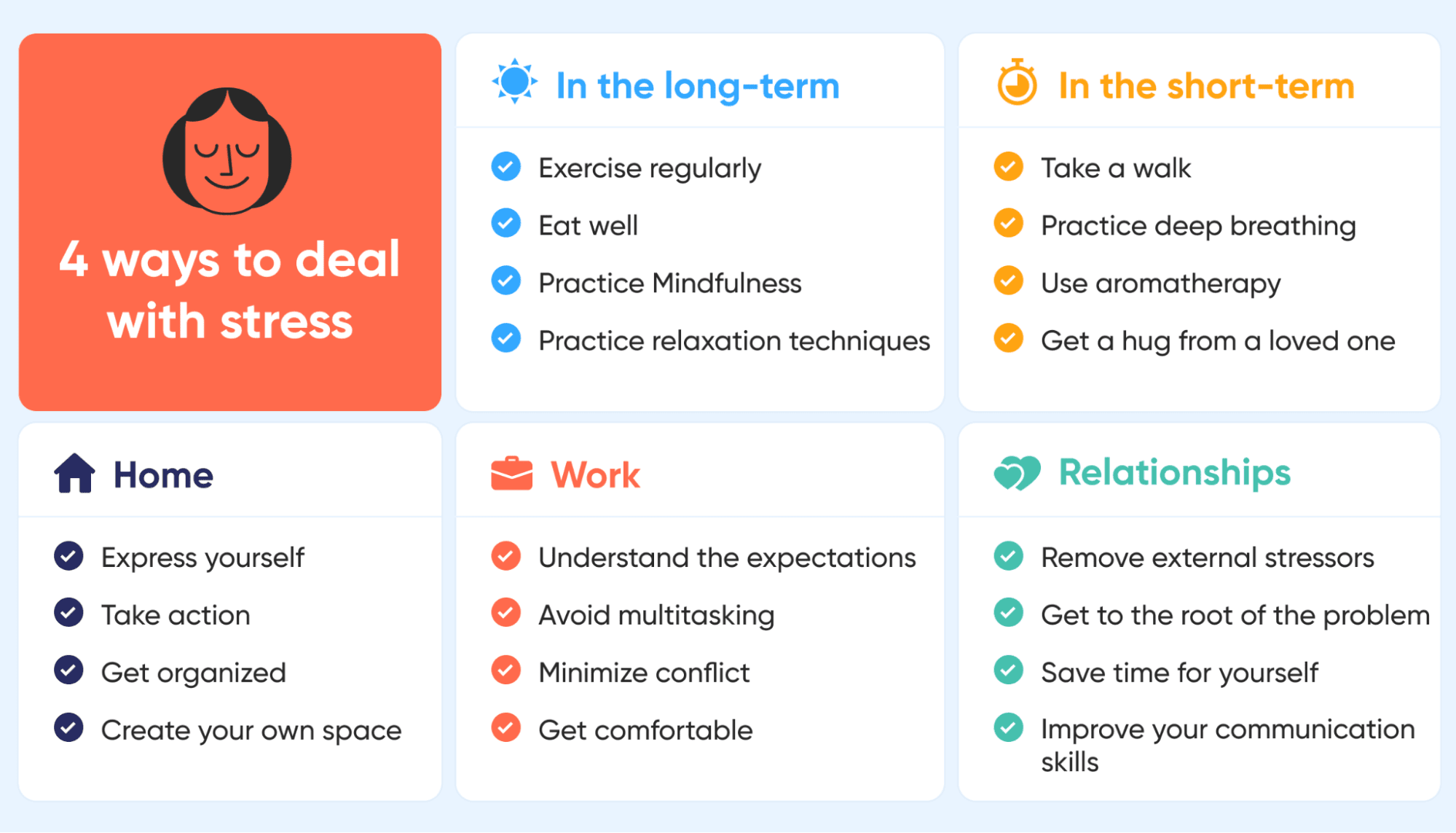
If you’re feeling overwhelmed by stress, anxiety, or other mental health issues in retirement, don’t hesitate to seek professional help. A mental health professional, such as a therapist or counselor, can provide support, guidance, and tools to help you navigate through this challenging time.
Individual Therapy
Individual therapy sessions can help you explore your thoughts, feelings, and concerns in a safe and confidential space. A therapist can offer coping strategies, stress management techniques, and personalized support to help you address any mental health issues you may be experiencing.
Group Therapy
Joining a group therapy session can provide you with the opportunity to connect with others who are facing similar challenges in retirement. Sharing experiences, receiving peer support, and gaining insights from others can be incredibly beneficial for managing stress and improving mental well-being.
Teletherapy
Teletherapy, also known as online therapy, offers a convenient and accessible way to receive mental health support from the comfort of your home. With teletherapy, you can connect with a therapist via video calls or messaging apps, making it easier to access professional help when needed.
In conclusion, retirement can be a fulfilling and rewarding time in your life, but it’s essential to manage stress and prioritize your well-being during this transition. By embracing a healthy lifestyle, staying connected with loved ones, prioritizing self-care, exploring new opportunities, and seeking professional help when needed, you can navigate through retirement with ease and enjoy this chapter to the fullest. Remember, it’s never too late to prioritize your mental health and well-being, so take care of yourself and make the most of this new chapter in your life.