Welcome to the article on “Best Practices for Preventing Autoimmune Diseases.” In this article, you will learn about simple yet effective strategies to help keep your immune system healthy and prevent autoimmune diseases. By incorporating these best practices into your daily routine, you can take proactive steps towards maintaining optimal immune function and overall well-being. From dietary recommendations to stress management techniques, this article will guide you on the path to a healthier you. Let’s get started on your journey to better health! Have you ever wondered what you can do to protect yourself from autoimmune diseases? In this article, we will explore the best practices for preventing these conditions. By making small changes to your lifestyle and habits, you can significantly reduce your risk of developing autoimmune diseases. Let’s dive in!
What are Autoimmune Diseases?
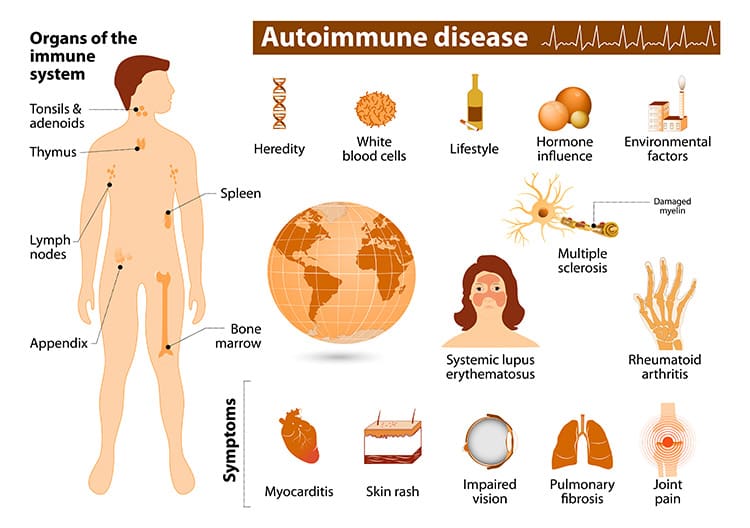
Before we discuss how to prevent autoimmune diseases, let’s first understand what they are. Autoimmune diseases occur when the immune system mistakenly attacks healthy cells in the body. This can lead to inflammation, pain, and damage to various organs and tissues. There are over 80 different autoimmune diseases, including rheumatoid arthritis, lupus, and type 1 diabetes.
Understanding the Immune System
Your immune system is responsible for protecting your body against harmful invaders, such as bacteria and viruses. It does this by producing antibodies that target and destroy these foreign substances. In a healthy immune system, this process works smoothly without attacking the body’s cells. However, in people with autoimmune diseases, the immune system becomes confused and starts attacking healthy tissues.

Best Practices for Preventing Autoimmune Diseases
Now that we have an understanding of what autoimmune diseases are, let’s explore the best practices for preventing them. By incorporating these practices into your daily routine, you can help support your immune system and reduce your risk of developing autoimmune conditions.
Eat a Healthy Diet
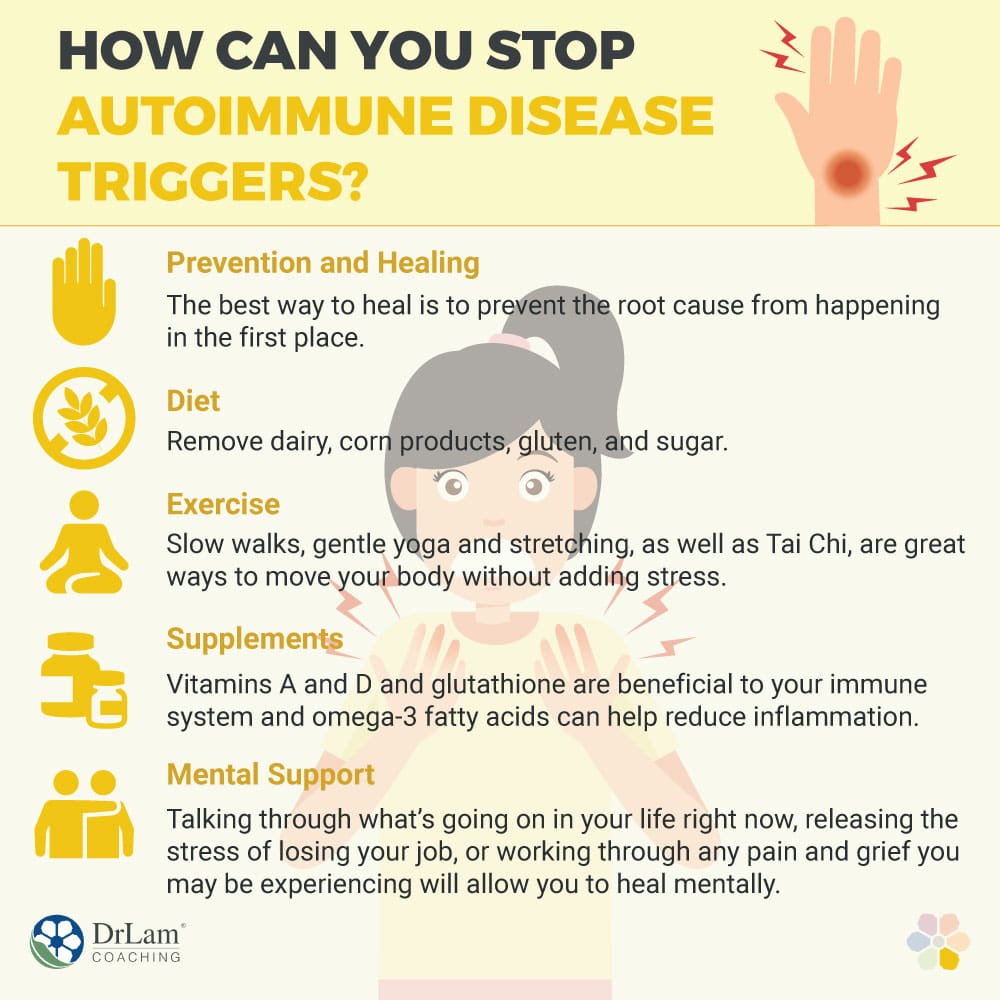
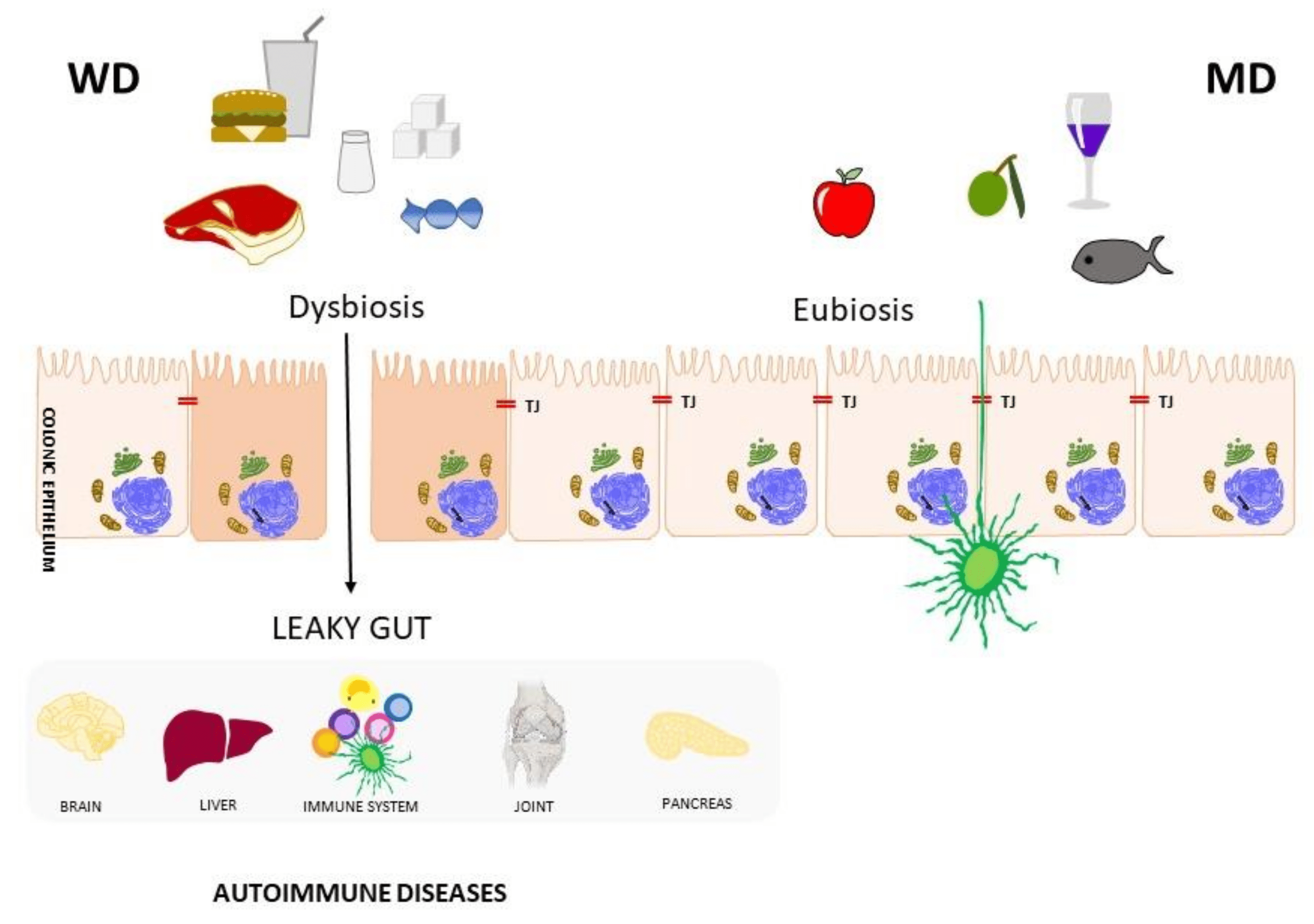
One of the most important steps you can take to prevent autoimmune diseases is to maintain a healthy diet. Foods rich in antioxidants, vitamins, and minerals can help support your immune system and reduce inflammation in the body. Include plenty of fruits, vegetables, whole grains, and lean proteins in your diet. Avoid processed foods, excessive sugar, and unhealthy fats, as these can contribute to inflammation and weaken your immune system.
Get Regular Exercise
Regular physical activity is essential for overall health and wellbeing, including immune function. Exercise can help reduce inflammation in the body, improve circulation, and support the production of antibodies. Aim for at least 30 minutes of moderate exercise most days of the week, such as walking, cycling, or swimming. Find activities that you enjoy and make them a regular part of your routine to help prevent autoimmune diseases.
Manage Stress
Chronic stress can have a negative impact on your immune system, making you more susceptible to autoimmune diseases. Find healthy ways to manage stress, such as deep breathing, meditation, yoga, or spending time in nature. Take breaks when needed, prioritize self-care, and seek support from friends, family, or a therapist. By reducing stress in your life, you can help protect your immune system and prevent autoimmune conditions.
Get Sufficient Sleep
Quality sleep is essential for immune function and overall health. During sleep, your body repairs and regenerates cells, including those involved in the immune response. Aim for 7-9 hours of quality sleep each night to support your immune system and reduce inflammation. Create a relaxing bedtime routine, keep your bedroom dark and cool, and avoid screens before bed to improve your sleep quality and prevent autoimmune diseases.
Avoid Toxins and Environmental Triggers
Exposure to toxins and environmental triggers can contribute to inflammation in the body and increase the risk of autoimmune diseases. Avoid smoking, excess alcohol, and exposure to pollutants whenever possible. Opt for natural cleaning and personal care products, filter your water, and reduce your use of plastics to minimize your exposure to harmful substances. By reducing your toxic load, you can support your immune system and prevent autoimmune conditions.
Additional Tips for Prevention
In addition to the best practices mentioned above, there are several other steps you can take to prevent autoimmune diseases:
Maintain a Healthy Weight
Excess weight can contribute to inflammation in the body and increase the risk of autoimmune diseases. Aim to maintain a healthy weight through a balanced diet and regular exercise. Consult with a healthcare provider or nutritionist if you need help creating a personalized weight management plan.
Stay Hydrated
Hydration is essential for overall health and immune function. Drink plenty of water throughout the day to support the proper functioning of your cells and organs. Herbal teas, infused water, and fresh juices are also good options for staying hydrated and supporting your immune system.
Practice Good Hygiene
Good hygiene practices can help prevent infections and support your immune system. Wash your hands frequently, especially before eating and after using the restroom. Keep your living space clean and sanitized to reduce the spread of germs and protect your immune system from potential threats.
Stay Up-to-Date on Vaccinations
Vaccinations can help prevent certain infections that can trigger autoimmune diseases. Stay up-to-date on recommended vaccines, such as the flu shot and vaccines for measles, mumps, and rubella. Consult with your healthcare provider to ensure you are receiving the appropriate vaccinations for your age and health status.
Conclusion
Preventing autoimmune diseases requires a holistic approach that addresses various aspects of your lifestyle and habits. By eating a healthy diet, getting regular exercise, managing stress, and getting sufficient sleep, you can support your immune system and reduce your risk of developing autoimmune conditions. Incorporate additional tips such as maintaining a healthy weight, staying hydrated, practicing good hygiene, and staying up-to-date on vaccinations to further protect yourself from autoimmune diseases. Remember, small changes can make a big difference when it comes to your health and wellbeing. Stay proactive, stay informed, and prioritize your immune system to prevent autoimmune diseases.