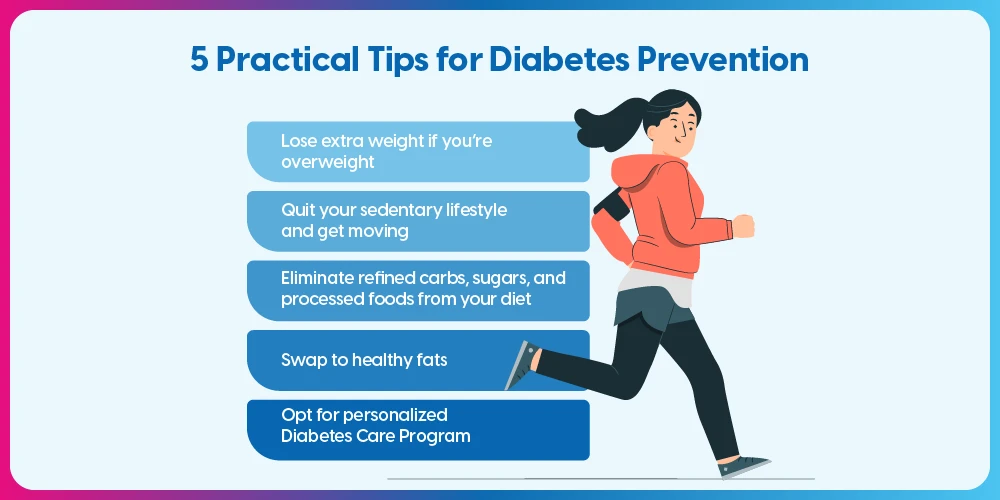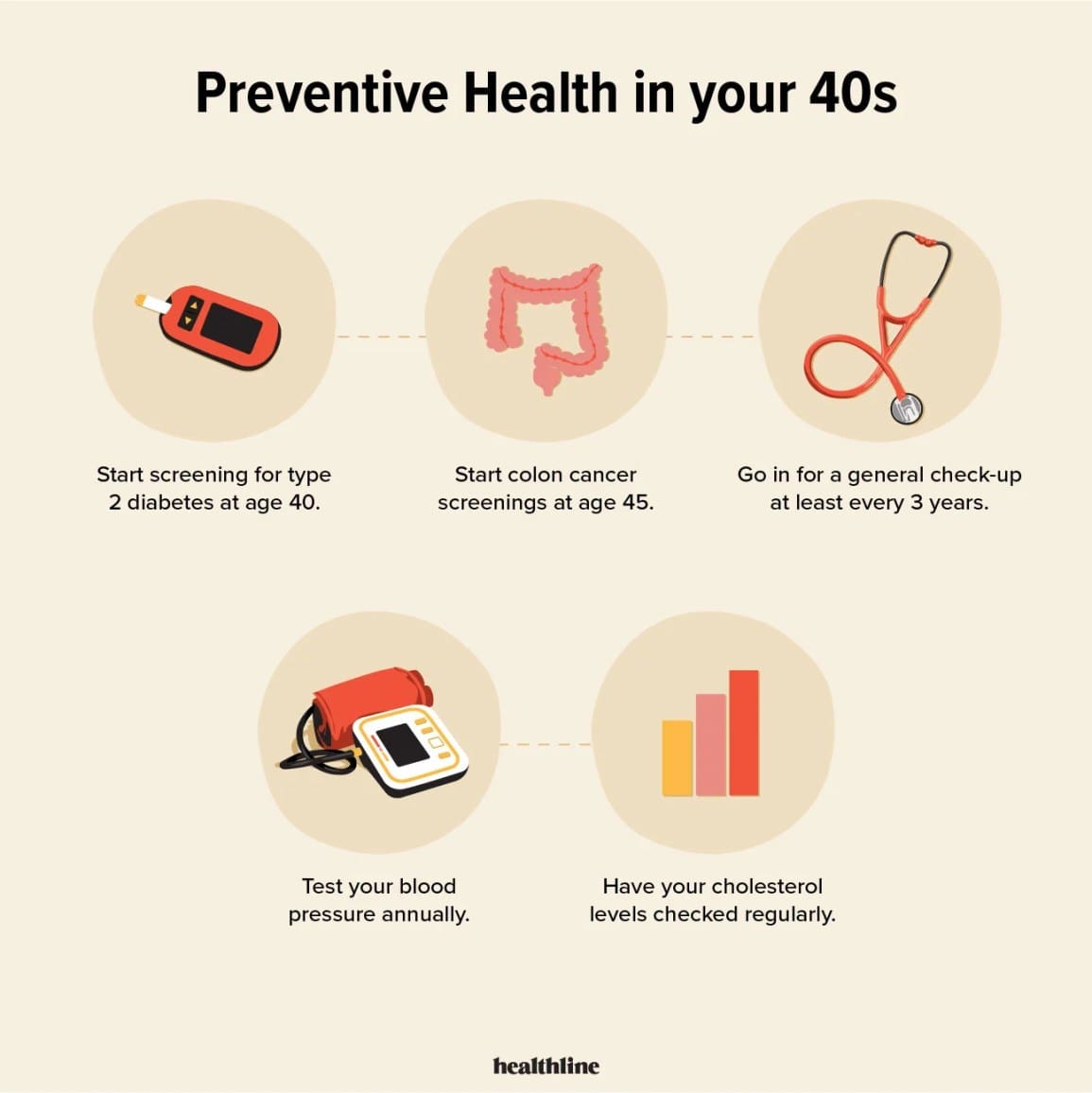
In today’s article, we will be discussing the best practices for preventing diabetes in men. Diabetes is a growing concern worldwide, affecting millions of people. However, by implementing certain lifestyle changes and adopting healthy habits, men can significantly reduce their risk of developing this chronic condition. By focusing on key factors such as diet, physical activity, and regular health check-ups, men can take proactive steps towards preventing diabetes and leading a healthier, more balanced life. So, let’s dive into these best practices and empower men with the knowledge they need to make informed decisions about their health.
Maintain a Healthy Weight
Understand the Importance of Weight Management
Maintaining a healthy weight is crucial for preventing diabetes in men. Excess weight, particularly around the waistline, increases the risk of developing type 2 diabetes. This is because excess fat affects the body’s ability to use insulin, leading to insulin resistance and high blood sugar levels. By understanding the importance of weight management, you can take proactive steps to achieve and maintain a healthy weight.
Set Reasonable Weight Loss Goals
Setting reasonable weight loss goals is essential when it comes to preventing diabetes. It’s important to be realistic and patient with yourself during your weight loss journey. Aim to lose around 1-2 pounds per week, as rapid weight loss can be unsustainable and potentially harmful to your health. By setting achievable goals, you’ll be more likely to stay motivated and stick to your weight management plan in the long run.
Adopt a Balanced and Nutritious Diet
Adopting a balanced and nutritious diet is crucial for maintaining a healthy weight and preventing diabetes. Focus on consuming a variety of nutrient-dense foods, including fruits, vegetables, lean proteins, whole grains, and healthy fats. Avoid excessive intake of sugary and processed foods, as they contribute to weight gain and can negatively impact blood sugar levels. By nourishing your body with a well-balanced diet, you’ll support your overall health and reduce the risk of developing diabetes.
Engage in Regular Physical Activity
Regular physical activity is key to preventing diabetes in men. Aim for at least 150 minutes of moderate-intensity aerobic exercise or 75 minutes of vigorous-intensity exercise each week. Find activities that you enjoy, such as jogging, swimming, or playing sports, to make exercise a sustainable part of your routine. Physical activity not only helps with weight management but also improves insulin sensitivity and promotes overall cardiovascular health.
Seek Professional Guidance if Necessary
If you’re unsure about the best approach to weight management and diabetes prevention, don’t hesitate to seek professional guidance. Consulting with a registered dietitian or a healthcare provider specialized in diabetes prevention can provide you with personalized recommendations based on your unique needs. They can help you develop a suitable diet and exercise plan, monitor your progress, and offer valuable advice to ensure you’re on the right track.
Monitor Blood Sugar Levels Regularly
Understand the Impact of Blood Sugar Levels
Monitoring your blood sugar levels regularly is vital for preventing diabetes and managing your health. High blood sugar levels can indicate insulin resistance, a precursor to type 2 diabetes. By understanding the impact of blood sugar levels, you can take proactive measures to keep them within a healthy range and identify any potential issues early on.
Learn How to Measure Blood Sugar
Learning how to measure your blood sugar is an essential skill for diabetes prevention. You can do this using a blood glucose meter, which requires a small blood sample obtained with a lancet. Familiarize yourself with the process of checking your blood sugar levels to ensure accurate readings and monitor any changes over time.
Establish a Monitoring Routine
Establishing a monitoring routine is crucial to stay on top of your blood sugar levels. Consider the frequency that’s recommended for you by your healthcare provider and incorporate monitoring into your daily routine. Consistency is key in obtaining accurate results and identifying any patterns or trends that may require adjustments in your lifestyle or treatment plan.
Keep Track of Results
Keeping track of your blood sugar level results is essential for proactive diabetes prevention. Maintain a log or use a mobile app to record your readings, ensuring you have a comprehensive and organized overview of your blood sugar trends. This can help you and your healthcare provider spot any potential issues or make necessary adjustments to your diabetes prevention plan.
Consult a Healthcare Provider for Interpretation
While self-monitoring your blood sugar levels is important, it’s vital to consult a healthcare provider for the interpretation and management of your results. They can help you understand the significance of your readings, identify any areas of concern, and provide appropriate guidance or treatment recommendations. Regular communication with your healthcare provider is crucial to ensure you’re effectively preventing diabetes and maintaining optimal health.

Make Healthy Food Choices
Follow a Well-Balanced Diet
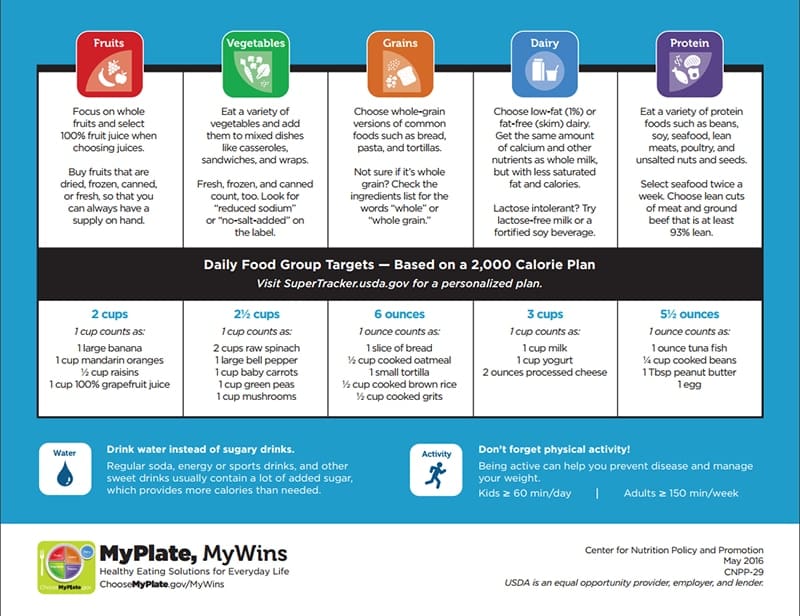
Following a well-balanced diet is a cornerstone of diabetes prevention. Make sure to include a variety of foods from all food groups, focusing on nutrient-dense options. Incorporate lean proteins, whole grains, fruits, vegetables, and healthy fats into your meals to ensure you’re getting a wide range of essential nutrients. A balanced diet provides the necessary fuel for your body while helping maintain stable blood sugar levels and promoting overall health.
Limit Intake of Processed Foods
To prevent diabetes, it’s important to limit your intake of processed foods. These foods often contain added sugars, unhealthy fats, and high levels of sodium, which can contribute to weight gain and negatively impact blood sugar control. Opt for whole, unprocessed foods whenever possible, and read food labels to make informed choices about the products you’re consuming.
Choose Whole Grains
Choosing whole grains instead of refined grains is an excellent way to prevent diabetes. Whole grains, such as brown rice, quinoa, oats, and whole wheat bread, provide more fiber and nutrients than their refined counterparts. Fiber helps regulate blood sugar levels, prevents rapid spikes, and contributes to overall digestive health. Incorporating whole grains into your diet can aid in weight management and reduce the risk of type 2 diabetes.
Emphasize Fruits and Vegetables
Emphasizing fruits and vegetables in your diet is essential for diabetes prevention. These nutrient-rich foods are low in calories and packed with vitamins, minerals, and fiber. They help satisfy your hunger while providing necessary nutrients and antioxidants. Aim to include a variety of colors and types of fruits and vegetables in your meals to ensure a well-rounded and nutritious diet.
Control Portion Sizes
Controlling portion sizes is a crucial component of diabetes prevention. It’s easy to overeat, especially when faced with large serving sizes or tasty treats. By monitoring your portions and practicing mindful eating, you can better regulate your calorie intake and maintain a healthy weight. Use smaller plates, measure your portions, and listen to your body’s signals of hunger and fullness to prevent overeating.
Limit Sugar and Refined Carbohydrates Intake
Recognize the Dangers of Excessive Sugar Consumption
Recognizing the dangers of excessive sugar consumption is vital for diabetes prevention. High sugar intake can lead to weight gain, insulin resistance, and an increased risk of type 2 diabetes. Be mindful of hidden sugars in processed foods and beverages and be proactive in reducing your overall sugar intake to maintain stable blood sugar levels and promote overall health.
Reduce Intake of Sugary Beverages
One of the most significant sources of added sugars in many people’s diets is sugary beverages. These include sodas, energy drinks, fruit juices, and sweetened coffees or teas. To prevent diabetes, it’s essential to reduce your intake of these sugary drinks and opt for healthier alternatives instead. Choose water, unsweetened tea or coffee, or sparkling water flavored with fresh fruits to quench your thirst without the added sugars.
Avoid Added Sugars in Food
Added sugars can lurk in many packaged and processed foods, even those that don’t taste particularly sweet. Read food labels and be mindful of ingredients such as high-fructose corn syrup, sucrose, glucose, and other forms of added sugars. Opt for whole, unprocessed foods as much as possible to minimize your intake of hidden sugars and support diabetes prevention efforts.
Select Low-Glycemic Index Foods
Selecting low-glycemic index (GI) foods can be beneficial for preventing diabetes in men. Low GI foods are digested and absorbed more slowly, causing a gradual rise in blood sugar levels. These include foods like legumes, whole grains, non-starchy vegetables, and most fruits. Incorporating these low-GI foods into your diet can help maintain stable blood sugar levels and reduce the risk of developing type 2 diabetes.
Moderate Consumption of Refined Carbohydrates
Refined carbohydrates, such as white bread, white rice, and sugary cereals, can cause rapid spikes in blood sugar levels. While it’s essential to minimize your consumption of refined carbohydrates, completely eliminating them may not be realistic or necessary. Moderation is key – opt for whole grain alternatives whenever possible and consume refined carbohydrates in small portions to manage blood sugar levels effectively and reduce the risk of diabetes.
Engage in Regular Physical Activity
Understand the Benefits of Exercise
Engaging in regular physical activity offers numerous benefits when it comes to preventing diabetes. Exercise helps maintain a healthy weight, improves insulin sensitivity, lowers blood sugar levels, and strengthens the cardiovascular system. It also boosts energy levels, improves overall mood, and reduces the risk of other chronic conditions. By understanding the benefits of exercise, you can prioritize physical activity and make it a consistent part of your life.
Choose Activities You Enjoy
To maintain a regular exercise routine, it’s crucial to choose activities you enjoy. Whether it’s jogging, cycling, swimming, playing sports, or dancing, finding activities that you find fun and engaging makes it easier to stay motivated. Experiment with different forms of exercise to discover what suits you best and fits into your daily life. Making physical activity an enjoyable part of your routine increases the likelihood of sticking to it in the long term.
Set Realistic Exercise Goals
Setting realistic exercise goals is essential for long-term success in diabetes prevention. Start with small, attainable goals and gradually increase your activity level as you become more comfortable and gain stamina. For example, aim to walk for 30 minutes a day, three days a week, and gradually increase both the duration and frequency of your walks. Setting realistic goals ensures you’re not overwhelmed and helps establish sustainable habits.
Take Incremental Steps
When starting or maintaining an exercise routine, taking incremental steps is crucial. Avoid pushing yourself too hard or too soon, as this can lead to injury or burnout. Start with shorter exercise sessions and gradually increase the duration and intensity over time. Listen to your body and give yourself rest days to allow for proper recovery and prevent overexertion. Taking incremental steps ensures you build a solid foundation and reduces the risk of setbacks or injuries.
Consider Strength Training and Aerobic Exercises
Both strength training and aerobic exercises play important roles in diabetes prevention. Strength training builds lean muscle mass, promotes weight management, and enhances insulin sensitivity. Aerobic exercises such as walking, swimming, or cycling improve cardiovascular health, burn calories, and contribute to overall fitness. Including a combination of strength training and aerobic exercises in your routine provides optimal benefits for diabetes prevention.
Reduce Sedentary Behaviors
Limit Time Spent Sitting
Reducing sedentary behaviors is crucial for preventing diabetes, as prolonged sitting can negatively impact blood sugar control and overall health. Aim to limit the time you spend sitting throughout the day, whether at work, home, or during leisure activities. Stand up and move around at regular intervals, ensuring you break up long periods of sitting to promote blood flow, increase energy expenditure, and counteract the negative effects of a sedentary lifestyle.
Incorporate Movement into Daily Routine
Incorporating movement into your daily routine is an effective strategy for reducing sedentary behaviors. Look for opportunities to be more active throughout the day, such as taking the stairs instead of the elevator, walking or cycling to work, or engaging in short bursts of activity during television commercials. By making movement a priority and finding ways to be active, you can significantly reduce the time you spend sitting and promote better overall health.
Utilize Standing and Walking Breaks
To alleviate the negative effects of prolonged sitting, utilize standing and walking breaks whenever possible. If you have a desk job, consider investing in a standing desk or using a stability ball as an alternative to a chair to engage your muscles and encourage proper posture. During breaks, take short walks around the office or outside to stretch your legs and increase your daily movement. These small changes can have a significant impact on your overall health and diabetes prevention efforts.
Avoid Prolonged TV or Computer Sessions
Prolonged sessions in front of the TV or computer can contribute to a sedentary lifestyle and increase the risk of diabetes. Limit the time you spend watching TV or sitting in front of a screen, and be mindful of how these activities can lead to extended periods of inactivity. Instead, prioritize activities that involve movement or engage in hobbies that require you to be physically active. By reducing your reliance on screen time, you can make significant strides in preventing diabetes.
Use Standing Desks or Stability Balls
The use of standing desks and stability balls can be beneficial for reducing sedentary behaviors and promoting diabetes prevention. Standing desks allow you to alternate between sitting and standing, encouraging movement throughout the day. Stability balls can help engage your core muscles and improve posture, while also providing an active sitting alternative to traditional chairs. By incorporating these tools into your workspace, you can make continual movement a part of your daily routine.

Manage Stress Levels
Recognize Stress and Its Impact
Managing stress levels is crucial for diabetes prevention and overall well-being. Chronic stress can lead to elevated blood sugar levels and increase the risk of developing type 2 diabetes. Recognize the signs of stress, both emotional and physical, and understand how it can impact your health. By acknowledging the influence of stress, you can take proactive steps to manage it effectively and reduce the risk of diabetes.
Develop Coping Mechanisms
Developing healthy coping mechanisms is essential for stress management and diabetes prevention. Find strategies that work well for you, such as deep breathing exercises, meditation, journaling, or engaging in hobbies and activities you enjoy. Explore different approaches until you find what helps you relax and unwind. By developing effective coping mechanisms, you can better manage stress and prevent it from negatively impacting your health.
Practice Relaxation Techniques
Regularly practicing relaxation techniques can significantly reduce stress levels and promote diabetes prevention. Incorporate activities such as yoga, tai chi, or progressive muscle relaxation into your routine to help calm your mind and relax your body. These mindfulness practices can help reduce cortisol levels, improve sleep quality, and support overall well-being. Find relaxation techniques that resonate with you and make them a consistent part of your life.
Engage in Hobbies and Activities You Enjoy
Engaging in hobbies and activities you enjoy is an excellent way to relieve stress and prevent diabetes. Whether it’s reading, painting, playing a musical instrument, gardening, or any other activity that brings you joy, make time for it regularly. These activities provide a healthy outlet for stress, promote relaxation, and contribute to overall emotional well-being. Prioritizing hobbies and enjoyable activities helps reduce stress levels and supports your diabetes prevention efforts.
Seek Support from Friends, Family, or Professionals
Seeking support from friends, family, or professionals is crucial when it comes to managing stress and preventing diabetes. Connect with loved ones who can provide a listening ear and emotional support during challenging times. Consider reaching out to a therapist or counselor for professional guidance in stress management techniques. Building a support system helps alleviate feelings of stress and anxiety and provides valuable resources for maintaining your overall well-being.
Quit Smoking and Limit Alcohol Consumption
Acknowledge the Risks and Health Hazards
Acknowledging the risks and health hazards associated with smoking and excessive alcohol consumption is vital for diabetes prevention. Both smoking and excessive alcohol intake can increase the risk of developing type 2 diabetes and lead to a range of other health problems. By understanding the detrimental effects of these habits, you can make informed decisions and take steps to quit smoking or limit your alcohol consumption.
Seek Assistance to Quit Smoking
If you’re a smoker, seeking assistance to quit is an important step in diabetes prevention. Talk to your healthcare provider about smoking cessation programs, support groups, or medications that can aid in your journey to quit smoking. They can provide guidance, resources, and personalized recommendations to help you successfully quit and reduce your risk of diabetes and other related health issues.
Avoid Triggers and Establish Healthy Habits
Avoiding triggers and establishing healthy habits are essential for preventing relapse after quitting smoking. Identify situations, activities, or people that may tempt you to smoke and develop strategies to avoid them or manage cravings effectively. Replace smoking with healthier alternatives, such as chewing sugar-free gum, going for a walk, or engaging in deep breathing exercises. By establishing healthy habits and avoiding triggers, you’ll increase your chances of successfully quitting smoking and maintaining a diabetes-free lifestyle.
Drink Alcohol in Moderation, if at all
While moderate alcohol consumption may be acceptable for some individuals, it’s important to drink in moderation or consider abstaining altogether to prevent diabetes. Excessive alcohol intake can lead to weight gain, increase blood sugar levels, and contribute to insulin resistance. If you choose to drink alcohol, do so in moderation – limit your intake to no more than one drink per day for men. It’s crucial to know your limits and make responsible choices to support diabetes prevention.
Consider Alcohol Alternatives
If you’re looking to reduce your alcohol consumption or abstain altogether, consider exploring alcohol alternatives. There are various non-alcoholic beverages available that can mimic the flavors and social aspects of alcoholic drinks. These alternatives can include mocktails, alcohol-free beer or wine, or sparkling water with fruit garnishes. By finding satisfying alcohol alternatives, you can still enjoy social occasions without compromising your diabetes prevention efforts.

Get Regular Check-Ups and Screenings
Importance of Regular Health Assessments
Regular health assessments, including check-ups and screenings, play a crucial role in diabetes prevention. Routine visits to your healthcare provider allow for early detection of any potential health issues, including diabetes or its precursors. By staying on top of your health and addressing any concerns promptly, you can take proactive measures to prevent diabetes and improve your overall well-being.
Schedule Routine Doctor Visits
Scheduling routine visits with your doctor is an important part of diabetes prevention. Your healthcare provider can assess your overall health, review your medical history, and perform necessary screenings or diagnostic tests. Regular check-ups allow your doctor to monitor any changes in your health and provide recommendations or interventions to reduce the risk of developing diabetes.
Monitor Blood Pressure and Cholesterol Levels
Monitoring your blood pressure and cholesterol levels is essential for diabetes prevention. High blood pressure and elevated cholesterol levels can contribute to insulin resistance and increase the risk of developing type 2 diabetes. By regularly monitoring these parameters, either through self-monitoring or during routine doctor visits, you can identify any abnormalities and take appropriate steps to manage your health effectively.
Undergo Diabetes Risk Assessments
Undergoing diabetes risk assessments, such as fasting blood glucose tests or oral glucose tolerance tests, can provide valuable insights into your risk of developing diabetes. These assessments help identify prediabetes or early signs of diabetes, allowing for proactive interventions to prevent or delay its onset. Discuss with your healthcare provider the appropriate timing and frequency for these assessments based on your individual risk factors.
Follow Healthcare Provider’s Recommendations
Following your healthcare provider’s recommendations is crucial for effective diabetes prevention. They may recommend lifestyle modifications, such as dietary changes, exercise guidelines, or medication management strategies, depending on your individual needs. Be proactive in asking questions, seeking clarifications, and fully understanding their recommendations. By adhering to their guidance, you can optimize your prevention efforts and reduce the risk of developing diabetes.
Educate Yourself About Diabetes
Understand Diabetes and Its Types
Educating yourself about diabetes and its types is a fundamental step in prevention. Familiarize yourself with the differences between type 1 and type 2 diabetes, as well as their causes, symptoms, and potential complications. Understand how insulin works in the body and what happens when there is a disruption in its production or utilization. By gaining knowledge about diabetes, you can make informed decisions and take appropriate actions to prevent its onset.
Recognize Early Warning Signs and Symptoms
Recognizing the early warning signs and symptoms of diabetes is crucial for early intervention and prevention. Common symptoms can include increased thirst, frequent urination, unexplained weight loss, fatigue, and blurred vision. If you experience any of these symptoms, consult with your healthcare provider promptly to undergo proper assessment and testing. Early identification allows for timely treatment and lifestyle modifications to prevent the progression to full-blown diabetes.
Stay Informed About Risk Factors and Complications
Staying informed about the risk factors and potential complications associated with diabetes is essential for prevention. Learn about the modifiable and non-modifiable risk factors, such as family history, obesity, sedentary lifestyle, and certain medical conditions. Be aware of the potential complications that can arise from uncontrolled diabetes, including cardiovascular disease, kidney damage, nerve damage, and eye problems. By understanding these factors, you can make proactive choices to minimize your risk and prevent diabetes-related complications.
Learn About Available Prevention Strategies
Numerous prevention strategies are available to reduce the risk of developing diabetes. Educate yourself on these strategies, which can include lifestyle modifications, such as adopting a healthy diet and regular exercise routine, as well as medication management options for high-risk individuals. Stay informed about the evidence-based interventions and preventive measures that can help you maintain optimal health and prevent the onset of diabetes.
Stay Up-to-date with Medical Advances and Research
Staying up-to-date with medical advances and research is crucial for staying informed about the latest developments in diabetes prevention. Follow reputable sources for current information on innovative treatment approaches, new diagnostic tools, and emerging prevention strategies. By staying informed, you can adapt your prevention efforts accordingly and access the most effective tools and interventions for preventing diabetes.