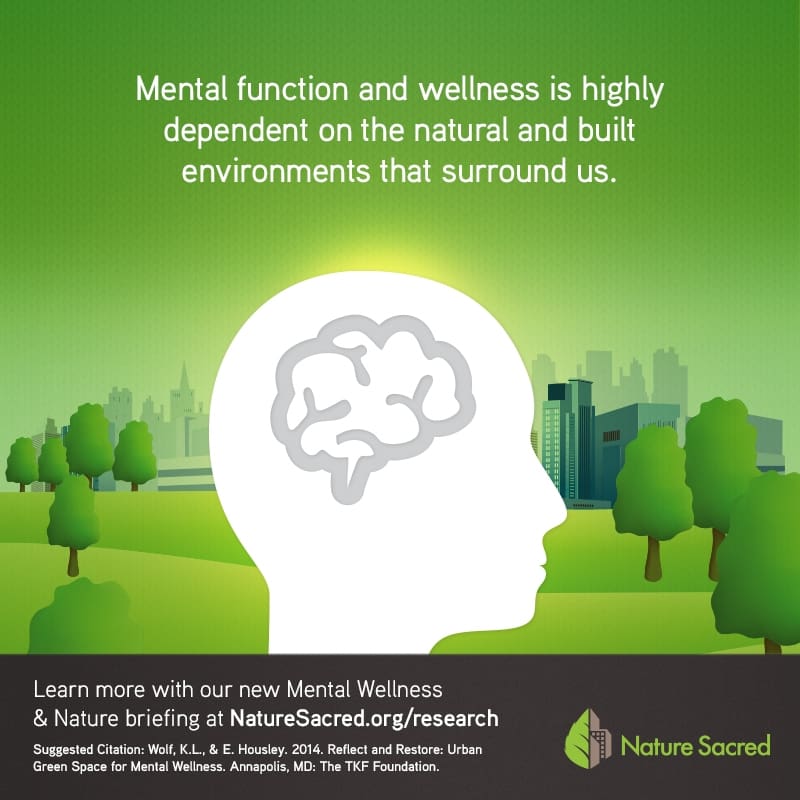
Imagine a world where you can escape the stresses of everyday life, a world where you can find solace and tranquility. This captivating article delves into the fascinating concept of exploring the benefits of nature on mental well-being. From boosting your mood to reducing symptoms of anxiety and depression, research has shown that immersing yourself in nature can have a profound impact on your overall mental health. So, join us as we discover the transformative power of nature and how it can bring a sense of calm and serenity to your life.
Reduced Stress and Anxiety
Natural Environments as Stress Reducers
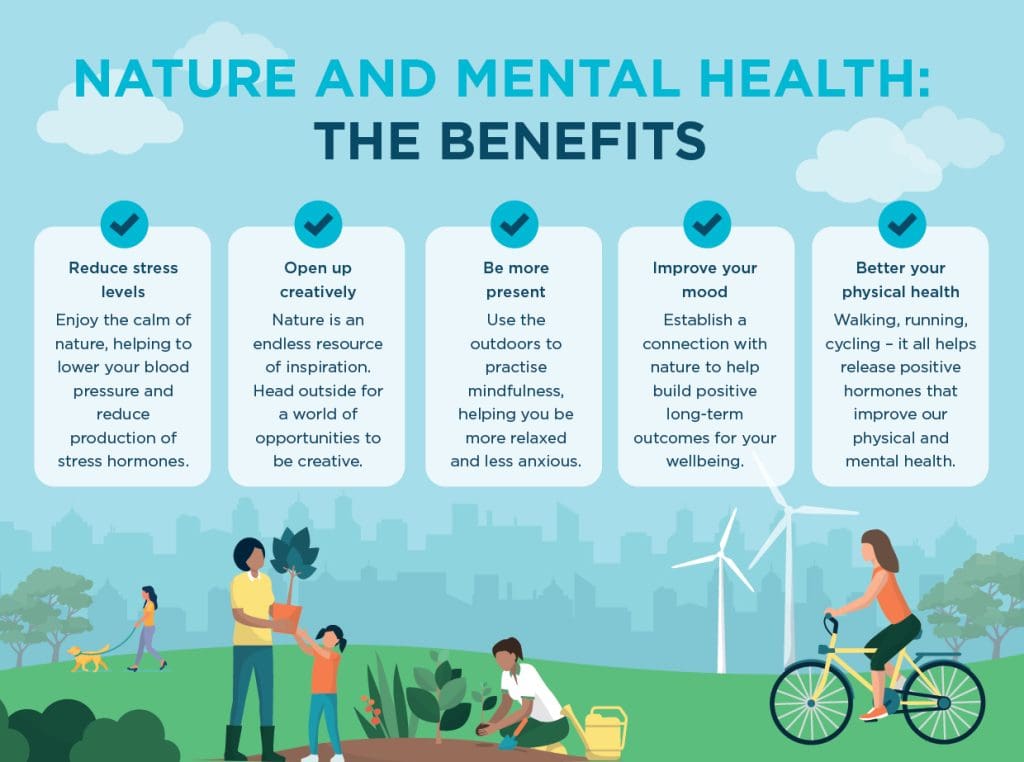
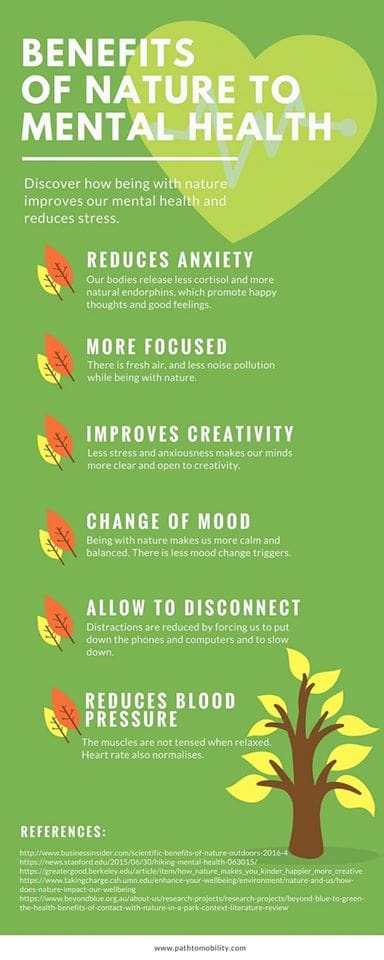
Spending time in natural environments can have a profound effect on reducing stress and anxiety. Being surrounded by trees, plants, and other elements of nature helps to create a calming atmosphere that allows you to relax and unwind. The sights, sounds, and smells of nature can evoke a sense of tranquility and peace, helping to lower your stress levels. Whether it’s taking a walk in the park, sitting by a river, or simply spending time in your backyard, immersing yourself in nature can provide a much-needed break from the pressures of everyday life.
The Role of Nature in Decreasing Anxiety
Anxiety can be overwhelming, but nature can offer solace and relief. Studies have shown that exposure to nature can significantly reduce symptoms of anxiety. The soothing environment of natural settings can have a soothing effect on the mind, helping to calm racing thoughts and promote a sense of calmness. Nature provides a welcome respite from the constant stimulation and stressors of urban living, allowing you to step away from the chaos and find a sense of peace and clarity.
Outdoor Activities for Stress Relief
Engaging in outdoor activities is not only a great way to stay active but also provides an avenue for stress relief. Activities such as hiking, gardening, or even simply spending time in a park allow you to connect with nature and reap the benefits of being outdoors. The physical exertion and exposure to natural elements can release endorphins, which are known as the body’s natural “feel-good” chemicals. By incorporating outdoor activities into your routine, you can actively manage your stress levels while enjoying the beauty and serenity of nature.
Improved Mood and Happiness
Nature’s Effect on Serotonin Levels
Nature has been found to have a positive impact on serotonin levels in the brain. Serotonin is a neurotransmitter that is associated with feelings of happiness and well-being. Spending time in nature, particularly in sunny environments, can increase serotonin production, thus improving your overall mood. Simply basking in the sun or taking a leisurely stroll in a park can help boost your serotonin levels and enhance your emotional well-being.
The Relationship between Nature and Dopamine
Dopamine is another neurotransmitter that plays a crucial role in regulating your mood and happiness. Nature has been found to increase dopamine levels in the brain, leading to feelings of pleasure and reward. The sense of awe and wonder that natural landscapes evoke can stimulate dopamine release, giving you a natural high and a sense of joy. By immersing yourself in nature, you can tap into this natural source of happiness and experience an uplift in your overall mood.
Engaging with Nature for a Happier Mindset
Engaging with nature can bring about a happier mindset and improve your overall mental well-being. Whether it’s going for a hike, swimming in a lake, or simply picnicking in a meadow, being in nature allows you to escape the demands of daily life and connect with something greater than yourself. It provides an opportunity for reflection, gratitude, and a renewed appreciation for the beauty of the world around us. By intentionally seeking out nature and making it a part of your lifestyle, you can cultivate a happier mindset and enjoy the many psychological benefits it offers.
Enhanced Cognitive Function
Attention Restoration Theory and Nature
Attention Restoration Theory suggests that exposure to nature can help restore and improve your ability to concentrate and focus. The constant demands of modern life can lead to mental fatigue and decreased attention span. However, spending time in natural environments can offer a much-needed break for your brain. Nature provides a gentle, non-threatening stimulus that captures your attention without overwhelming it. This allows your mind to enter a state of relaxation and restoration, enabling you to return to your tasks with increased cognitive function and improved productivity.
Nature’s Impact on Mental Fatigue and Attention Span
Spending time in nature has shown to reduce mental fatigue and improve attention span. Research has demonstrated that taking breaks in a natural setting during long periods of cognitive work can lead to increased productivity and mental clarity. The restorative qualities of nature, such as the presence of greenery and the absence of artificial stimuli, allow your brain to recharge and reset. This refreshing effect on mental fatigue translates into improved focus, concentration, and overall cognitive function.
Nature-Based Activities for Improved Focus and Concentration
Engaging in nature-based activities can further enhance your focus and concentration. Whether it’s practicing yoga in a park, meditating in a garden, or taking a walk in the woods, these activities combine the benefits of being in nature with intentional mindfulness techniques. The synergy between the calming effects of nature and the practice of mindfulness can lead to a heightened state of focus and concentration. By incorporating these activities into your routine, you can sharpen your cognitive abilities and optimize your mental performance.
Boosted Creativity and Inspiration
Nature’s Role in Sparking Imagination
Nature has the unique ability to ignite your imagination and fuel your creativity. The beauty and complexity of the natural world can inspire awe and wonder, stimulating your mind to think outside the box and generate new ideas. Whether it’s the intricate patterns on a flower petal or the breathtaking vistas of a mountain range, nature provides an endless source of inspiration. By immersing yourself in nature and actively engaging with its elements, you can unlock your creativity and tap into a wellspring of innovative thinking.
The Impact of Nature on Divergent Thinking
Divergent thinking refers to the ability to generate multiple ideas, solutions, or perspectives to a given problem or situation. Nature has been found to enhance divergent thinking, allowing your mind to explore different possibilities and consider alternative viewpoints. The open-ended and expansive nature of natural environments encourages flexibility of thought and fosters the generation of novel ideas. Whether it’s through solitary contemplation or group brainstorming sessions in outdoor settings, nature provides the perfect backdrop for expanding your creative horizons.
Finding Artistic Inspiration in Natural Surroundings
Artists throughout history have found solace and inspiration in nature. The interplay of light and shadow, the vibrant colors, and the delicate balance of forms in the natural world have provided endless inspiration for painters, writers, musicians, and other creatives. By immersing yourself in natural surroundings, you can tap into this rich artistic heritage and find inspiration for your own creative endeavors. Whether you’re a professional artist or simply enjoy creative pursuits as a hobby, spending time in nature can unlock your artistic potential and infuse your work with fresh ideas and perspectives.
Increased Resilience to Mental Health Disorders
Nature as a Protective Factor for Mental Illness
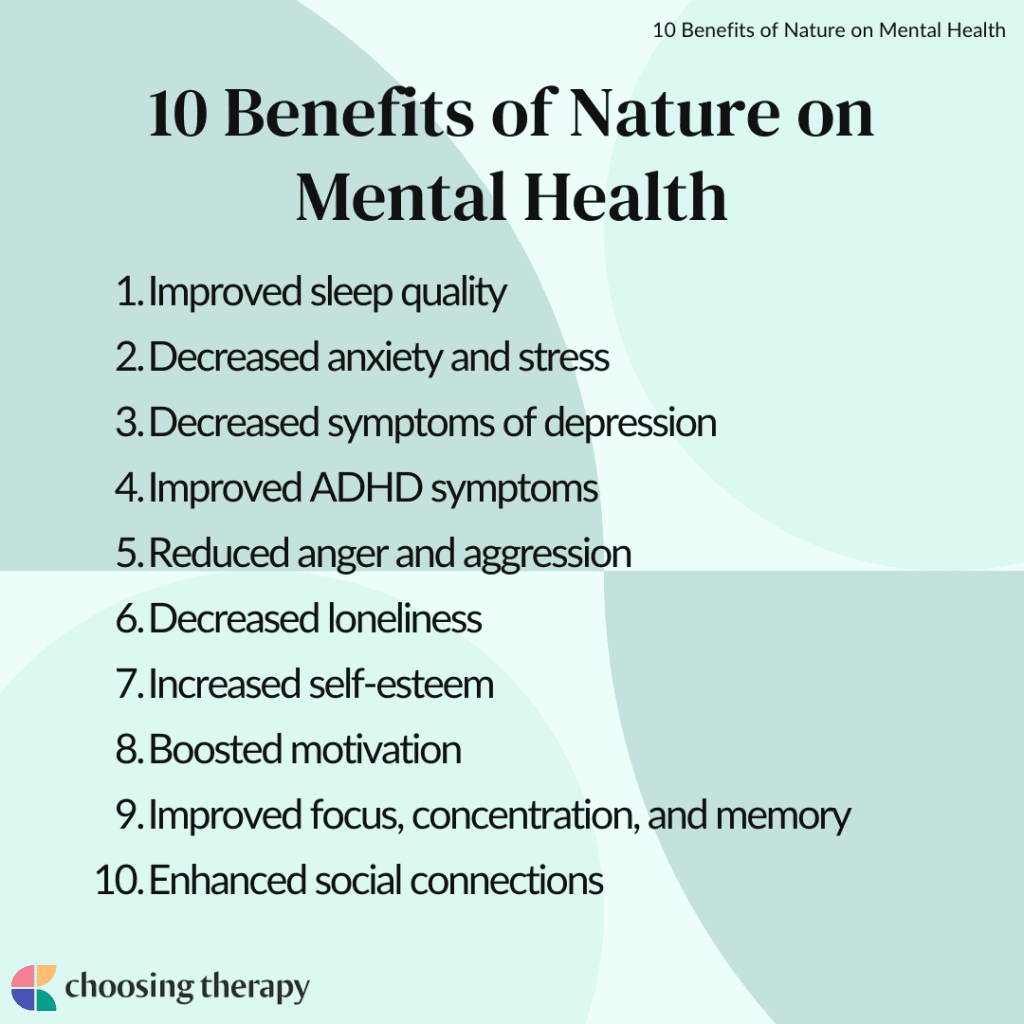
Exposure to nature has been linked to a reduced risk of developing mental health disorders. The restorative qualities of nature, combined with its ability to promote relaxation and stress reduction, serve as protective factors for mental well-being. Studies have shown that individuals who spend more time in natural environments are less likely to experience symptoms of depression, anxiety, and other mental health conditions. Nature acts as a buffer against the negative impact of stress and adversity, providing a nurturing and supportive environment for mental health.
Green Spaces and Lower Prevalence of Disorders
The presence of green spaces, such as parks, gardens, and forests, has been associated with a lower prevalence of mental health disorders. These natural environments offer a sanctuary from the demands and pressures of urban living, allowing individuals to decompress and find solace. The serenity and beauty of green spaces create a calming effect on the mind, reducing the risk of developing mental health issues. Furthermore, accessing and utilizing these green spaces has been shown to have a positive impact on individuals’ overall well-being, reinforcing the importance of nature in mental health promotion.
Strengthening Mental Resilience through Nature Engagement
Engaging with nature can strengthen your mental resilience and equip you with the tools necessary to cope with life’s challenges. Nature provides a sense of connection, purpose, and grounding, which are essential elements of resilience. It teaches us to adapt to changing environments, to find beauty in simplicity, and to embrace uncertainty. By immersing yourself in nature, you can develop a sense of inner strength and cultivate a resilient mindset that allows you to navigate adversity with grace and optimism.
Improved Sleep Quality
The Positive Effects of Exposure to Natural Light
Exposure to natural light plays a crucial role in regulating our sleep patterns and promoting restorative sleep. Natural light helps to synchronize our circadian rhythm, the internal clock that regulates sleep-wake cycles. By spending time outdoors during daylight hours, particularly in the morning, you can help reset your body’s natural sleep-wake cycle and improve your overall sleep quality. Natural light also helps to regulate the production of the hormone melatonin, which is essential for a good night’s sleep.
Nature’s Role in Regulating Sleep Patterns
In addition to exposure to natural light, the calming influence of nature itself can play a significant role in regulating sleep patterns. The tranquility and peacefulness of natural environments provide a conducive atmosphere for relaxation and unwinding before bed. Whether it’s the sound of chirping birds, the rustling of leaves, or the soothing rhythm of ocean waves, nature’s symphony can lull you into a state of calmness, making it easier to fall asleep and stay asleep throughout the night.
Creating a Soothing Sleep Environment with Natural Elements
Incorporating natural elements into your sleep environment can further enhance your sleep quality. This can include using natural materials for bedding and furnishings, incorporating indoor plants to purify the air and promote relaxation, and incorporating calming nature-inspired artwork or photographs into your bedroom decor. By creating a soothing sleep environment with natural elements, you can transform your bedroom into a haven of tranquility and optimize your sleep experience.
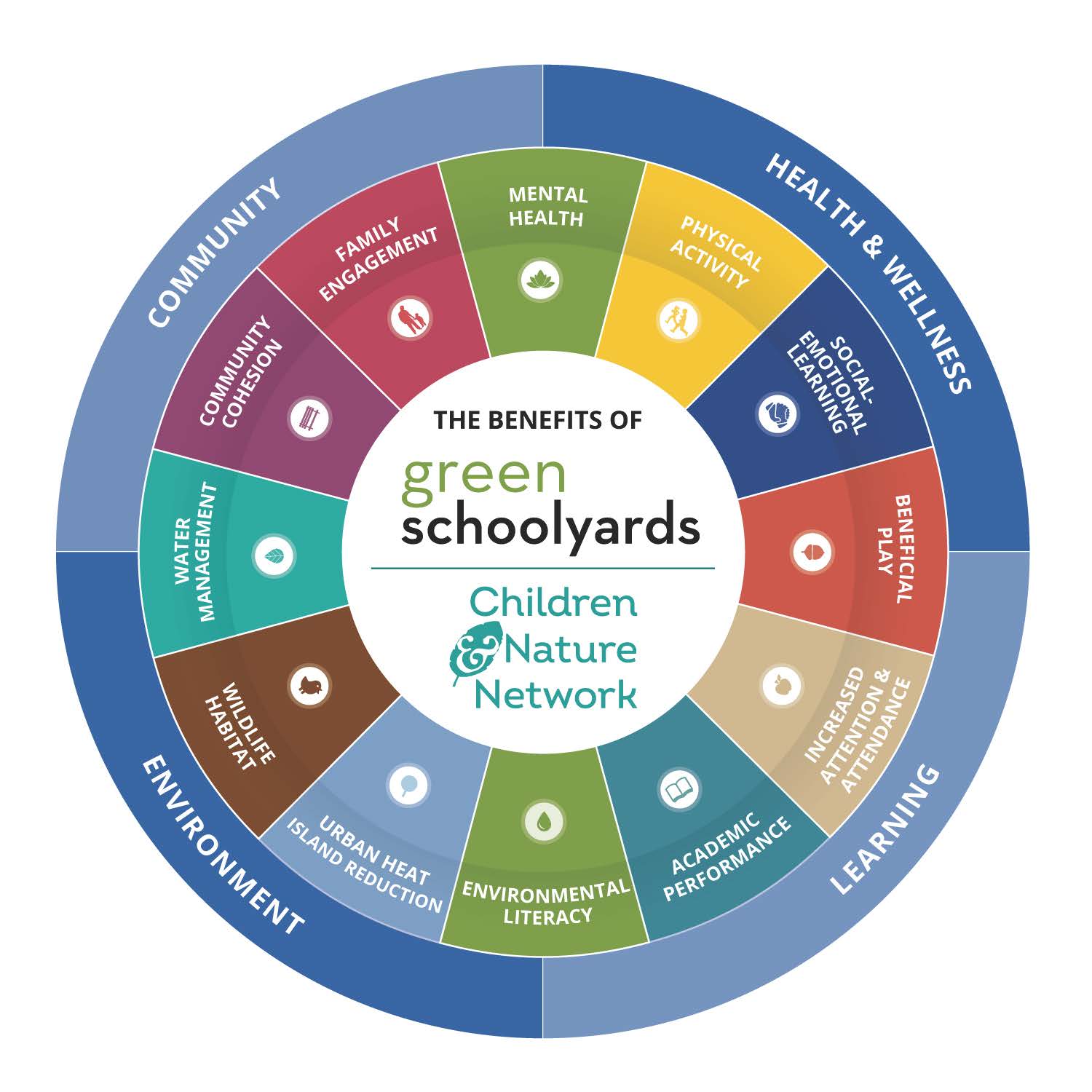
Enhanced Physical Health
Nature’s Contribution to Physical Activity
Nature provides the perfect backdrop for engaging in physical activity and staying in shape. Whether it’s hiking through scenic trails, cycling along coastal paths, or practicing yoga in a park, being outdoors encourages movement and exercise. The varied terrain and natural obstacles present in outdoor environments result in a more engaging and challenging workout compared to indoor options. Engaging in physical activity in nature not only promotes cardiovascular health, strength, and flexibility but also offers the added benefits of fresh air, sunlight, and vitamin D.
The Link between Outdoor Exercise and Mental Well-being
Engaging in outdoor exercise is not only beneficial for physical health but also has a profound impact on mental well-being. The combination of physical activity, exposure to nature, and increased production of endorphins leads to improved mood, reduced stress, and enhanced overall mental well-being. Outdoor exercise provides a welcome break from the monotony of indoor workouts, stimulating the senses and providing a sense of freedom and connection with the natural world. By incorporating outdoor activities into your fitness routine, you can enjoy the dual benefits of improving your physical and mental health.
Green Spaces and Their Impact on General Health
Green spaces are not only vital for mental well-being but also for general health. Access to green spaces has been associated with a reduced risk of chronic diseases such as obesity, cardiovascular disease, and diabetes. The availability of outdoor spaces encourages physical activity, promotes social interaction, and provides a respite from the sedentary and artificial environments often associated with urban living. Green spaces also contribute to improved air quality, reducing exposure to pollutants and allergens and promoting overall respiratory health.
Strengthened Immune System
Nature’s Influence on Immune System Functioning
Spending time in nature has been shown to have a positive influence on immune system functioning. The natural environment is filled with beneficial bacteria, viruses, and other microorganisms that help to strengthen our immune response. Exposure to these diverse microbial communities stimulates our immune system, helping it to develop a more robust defense against pathogens. Furthermore, spending time in nature can reduce chronic inflammation, which is linked to a wide range of diseases and disorders.
The Role of Phytoncides in Enhancing Immunity
Phytoncides are volatile compounds released by plants and trees that serve as a natural defense mechanism against pests. These compounds have been found to have antimicrobial and immune-boosting properties in humans as well. When we breathe in phytoncides found in forest air, they interact with our immune system, enhancing the activity of natural killer cells and other components of the immune response. Forest bathing, the practice of immersing oneself in a forest environment, has been shown to increase the production of natural killer cells and strengthen immune system function.
Forest Bathing and Immune System Boost
Forest bathing has gained popularity as a therapeutic practice for immune system enhancement. By immersing yourself in a forest setting, you can take advantage of the immune-boosting properties of phytoncides and the natural healing properties of nature. Forest bathing involves leisurely walks or quiet contemplation in the forest, allowing you to engage all your senses and fully experience the healing power of nature. The practice has been shown to reduce stress, lower blood pressure, and increase immune system activity, making it a valuable tool for promoting overall well-being.
Improved Self-esteem and Body Image
The Impact of Nature on Body Positivity
Nature has the ability to promote body positivity and improve self-esteem. The non-judgmental and accepting nature of natural environments allows you to embrace your body and appreciate it for its inherent beauty and strength. Unlike artificial environments that often perpetuate unrealistic beauty standards, nature celebrates diversity and reminds us of the uniqueness and value of every individual. Engaging with nature can help shift the focus from external appearances to a more holistic and inclusive perspective on body image.
Outdoor Activities and Boosting Self-confidence
Engaging in outdoor activities can boost self-confidence and improve body image. Whether it’s conquering a challenging hike, learning a new outdoor skill, or experiencing a thrilling adventure, outdoor activities provide opportunities for personal growth and achievement. Overcoming physical and mental obstacles in nature fosters a sense of empowerment and self-assurance. By pushing yourself outside your comfort zone and discovering your capabilities, you can cultivate a positive self-perception and develop a strong sense of self-esteem.
Nature Retreats and Positive Self-perception
Nature retreats offer a transformative experience that can positively impact self-perception. These retreats often combine outdoor activities, mindfulness practices, and self-reflection exercises to create a nurturing and supportive environment for personal growth. The peaceful and rejuvenating atmosphere of natural settings allows for introspection and self-discovery, helping you to develop a deeper understanding of yourself and embrace your unique qualities. By participating in a nature retreat, you can embark on a journey of self-acceptance and foster a positive self-perception.
Social Connection and Support
The Role of Nature in Facilitating Social Bonding
Nature provides an ideal backdrop for fostering social connection and building meaningful relationships. Whether it’s joining a community garden, participating in outdoor group activities, or simply enjoying a picnic in the park with friends, nature facilitates social bonding and strengthens social support networks. The absence of distractions and the peacefulness of natural environments create a conducive atmosphere for open communication, deep conversations, and shared experiences that promote a sense of belonging and connection with others.
Community Gardens and Creating Connections
Community gardens play a vital role in bringing people together and strengthening community bonds. These shared green spaces offer opportunities for collaboration, cooperation, and the exchange of knowledge and resources. Participating in community gardening not only allows individuals to connect with nature but also fosters a sense of belonging, shared responsibility, and social interaction. By taking part in a community garden, you can cultivate not only plants but also meaningful relationships and a sense of community.
Nature-Based Activities for Group Engagement
Engaging in nature-based activities as a group can enhance social engagement and create lasting memories. Activities such as camping, canoeing, or nature walks provide opportunities for team building, group problem-solving, and shared adventures. The challenges and joys encountered in nature can bring individuals closer together, strengthening bonds and fostering a sense of camaraderie. By organizing group outings or joining nature-focused clubs and organizations, you can maximize the social benefits of nature and create connections that enrich your life.