

Are you tired of the same old routine at the gym? Perhaps it’s time to step out into the great outdoors and spice up your fitness regimen. Incorporating outdoor activities into your fitness routine can not only provide a refreshing change of scenery, but also offer numerous physical and mental benefits. From hiking and biking to swimming and running, there are endless possibilities to explore and enjoy nature while staying active. So lace up your shoes and get ready to embrace the beauty and excitement of outdoor exercise.
Benefits of Outdoor Activities
Improves mental health
Spending time outdoors has been proven to have a positive impact on mental health. Whether it’s a brisk walk in the park or a hike through the wilderness, being outdoors and surrounded by nature can help reduce stress, anxiety, and depression. The fresh air, sunlight, and peaceful surroundings can provide a much-needed break from the daily grind and give your mind a chance to relax and rejuvenate.
Increases vitamin D levels
One of the biggest benefits of outdoor activities is the increase in vitamin D levels. Vitamin D is essential for maintaining healthy bones, boosting the immune system, and regulating moods. Spending time in the sun allows your body to naturally produce vitamin D, which is much more effective than relying solely on supplements. Just remember to protect your skin with sunscreen and wear appropriate clothing to prevent overexposure to the sun’s harmful rays.
Boosts mood
Engaging in outdoor activities can give your mood a significant boost. The combination of physical exercise, fresh air, and beautiful surroundings can help release endorphins, which are known as the “feel-good” hormones. These endorphins can enhance your overall well-being, improve your mood, and even alleviate symptoms of depression. So, the next time you’re feeling down, consider heading outside for a quick walk or run to lift your spirits.
Enhances physical fitness
Outdoor activities are an excellent way to improve your physical fitness. Whether it’s running, cycling, swimming, or hiking, these activities require your body to engage in cardiovascular exercise, which strengthens the heart and lungs, increases stamina, and burns calories. Additionally, outdoor activities often involve various terrains and obstacles, which can help build strength, balance, and coordination. So, not only are you getting a good workout, but you’re also enjoying the beauty of nature.
Reduces stress and anxiety
Stress and anxiety are all too common in our fast-paced, modern lives. Luckily, outdoor activities offer a natural and effective way to reduce these feelings. The tranquility of nature, coupled with the physical exertion and concentration needed for outdoor activities, can help clear your mind and release tension from your body. Even a short stroll in the park or spending a few minutes gardening can provide a much-needed break from the stresses of everyday life.
Types of Outdoor Activities
Running
Running is a popular outdoor activity that requires minimal equipment and can be done anywhere. It is a great way to improve cardiovascular fitness, burn calories, and strengthen leg muscles. Whether you prefer running on a trail, in a park, or along the beach, the options are endless.
Cycling
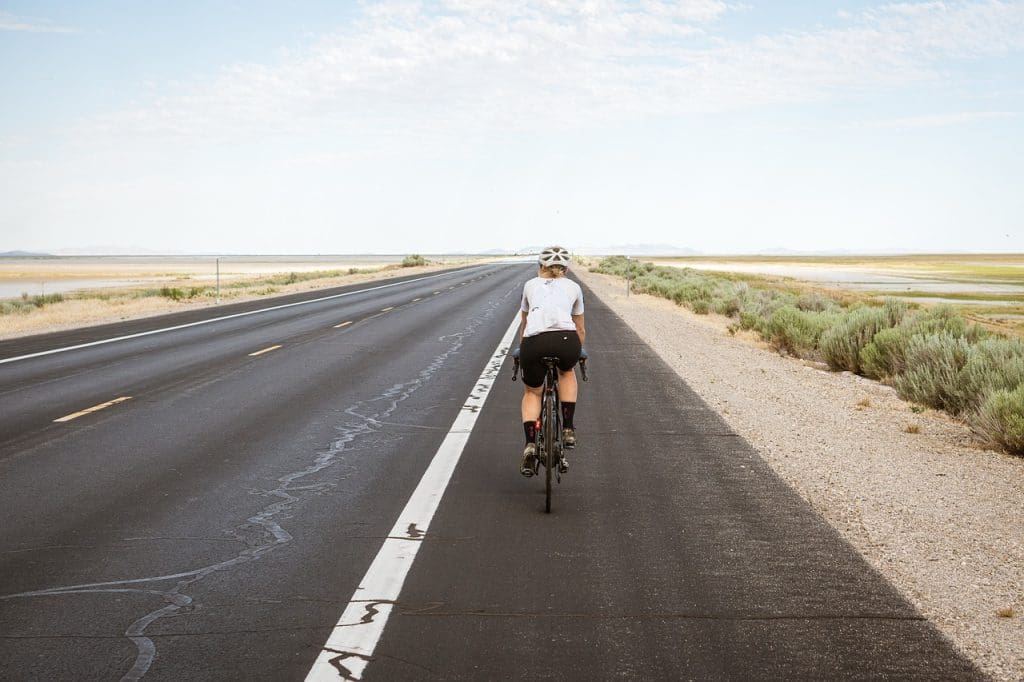
Cycling is another fantastic outdoor activity that offers a low-impact workout while enjoying the scenery. Whether you choose to ride on the road or explore mountain bike trails, cycling provides an excellent cardiovascular workout, strengthens leg muscles, and improves overall endurance.
Hiking
If you enjoy exploring nature and challenging yourself physically, hiking is the perfect outdoor activity for you. Hiking trails of varying difficulties allow you to immerse yourself in breathtaking landscapes while giving your body a full-body workout. The uneven terrain and uphill climbs engage different muscle groups and improve balance and coordination.
Swimming
Swimming is not only a refreshing way to cool off on a hot day but also an excellent full-body workout. Whether you swim in a pool, lake, or ocean, swimming engages all major muscle groups and is a low-impact activity that is suitable for all fitness levels. It improves cardiovascular health, builds endurance, and tones muscles.
Kayaking
For those who love the water and enjoy a more adventurous outdoor activity, kayaking is an excellent choice. Kayaking offers a great upper body and core workout while allowing you to explore rivers, lakes, and even coastal areas. It’s a fantastic way to improve strength, balance, and coordination while enjoying the beauty of nature.
Rock climbing
Rock climbing is a thrilling and challenging outdoor activity that tests both physical and mental strength. Whether you tackle indoor climbing walls or venture into the great outdoors, rock climbing engages all muscle groups and improves strength, flexibility, and problem-solving skills.
Gardening
Gardening may not seem like a traditional outdoor activity, but it offers numerous health benefits. Spending time in your garden, planting, weeding, and tending to plants is a great way to engage in light physical activity, improve dexterity, and reduce stress. Plus, you get to enjoy the beauty and fruits of your labor.
Yoga in nature
Combine the physical and mental benefits of yoga with the tranquility of nature by practicing yoga outdoors. Whether it’s in your backyard, a local park, or by the beach, performing yoga poses in a natural environment can enhance your practice and bring a sense of calm and peace.
Team sports
Joining a local sports team or league is a fun and social way to engage in outdoor activities. Sports such as soccer, basketball, softball, or beach volleyball provide not only a great workout but also an opportunity to meet new people, improve teamwork skills, and have fun.
Outdoor workouts
If you prefer a structured workout routine but still want to enjoy the benefits of nature, outdoor workouts are a great option. Many fitness trainers and gyms offer outdoor classes or boot camps that combine cardio and strength training exercises in a park or outdoor space. These workouts can be challenging, exciting, and a great way to stay motivated.
Planning Your Outdoor Fitness Routine
Set goals and objectives
Before diving into your outdoor fitness routine, it’s essential to set clear goals and objectives. What do you want to achieve? Is your goal to improve endurance, lose weight, build strength, or simply enjoy nature more? By defining your goals, you can tailor your outdoor activities to meet your specific needs and stay motivated along the way.
Choose activities that suit your interests
The key to sticking with any fitness routine is finding activities that you genuinely enjoy. If you dislike running, forcing yourself to do it regularly will be a chore. Instead, choose outdoor activities that align with your interests and preferences. Whether it’s hiking, cycling, or practicing yoga, selecting activities you find enjoyable will make your fitness routine much more sustainable and enjoyable.
Consider your fitness level
When planning your outdoor fitness routine, it’s important to consider your current fitness level. If you’re a beginner, start with activities that are less demanding and gradually increase the intensity and duration as your fitness improves. Pushing yourself too hard too soon can lead to injuries or burnout. Take it slow and listen to your body.
Determine the frequency and duration
Finding the right balance between frequency and duration is crucial for an effective outdoor fitness routine. Aim for at least 150 minutes of moderate-intensity aerobic activity or 75 minutes of vigorous-intensity aerobic activity per week, spread out over several days. This could translate to 30 minutes of activity, five days a week. However, everyone’s schedule and fitness goals are different, so tailor your routine accordingly.
Prepare the necessary equipment and gear
Before heading outdoors, make sure you have the appropriate equipment and gear for your chosen activity. This could include proper running shoes, a bike helmet and safety gear, hiking boots, swimsuits, a kayak, climbing gear, gardening tools, or a yoga mat. Investing in quality equipment and gear will not only enhance your performance but also ensure your safety and comfort.
Safety Tips for Outdoor Activities
Check weather conditions
Before heading out for any outdoor activity, it’s essential to check the weather forecast. Extreme weather conditions such as thunderstorms, heatwaves, or heavy snowfall can pose risks to your health and safety. Adjust your plans accordingly or reschedule your outdoor activity for a different day.
Warm up and cool down properly
Just like any exercise routine, warming-up and cooling down are crucial for injury prevention and optimal performance. Before starting any outdoor activity, spend a few minutes doing light exercises to warm up your muscles and increase blood flow. Afterward, take the time to stretch and cool down to reduce muscle soreness and promote recovery.
Stay hydrated
Proper hydration is essential during outdoor activities, especially during hot weather or intense workouts. Carry a water bottle with you and sip regularly to prevent dehydration. If you’re exercising for more than an hour, consider bringing electrolyte-rich drinks to replenish lost minerals.
Protect yourself from the sun
When spending time outdoors, it’s crucial to protect your skin and eyes from the sun’s harmful rays. Apply sunscreen with a high SPF, wear a hat and protective clothing, and don’t forget to wear sunglasses to shield your eyes from UV damage. Reapply sunscreen every two hours, or more frequently if you’re sweating heavily or swimming.
Be aware of your surroundings
Whether you’re hiking in the mountains or cycling on busy roads, it’s important to be aware of your surroundings at all times. Pay attention to potential hazards such as uneven terrain, wildlife encounters, or oncoming traffic. Stay on designated paths and trails, follow traffic rules, and use caution when navigating unfamiliar areas.
Inform someone about your plans
Whenever you engage in outdoor activities alone, it’s essential to inform someone about your plans. Let a friend or family member know where you’re going, what activity you’ll be doing, and the estimated duration of your outing. This way, if something unexpected happens, someone is aware of your whereabouts and can provide assistance if needed.

Finding Outdoor Exercise Spaces
Local parks and trails
Local parks and trails are excellent places to find outdoor exercise spaces. They often offer designated walking or running paths, cycling routes, and even outdoor workout stations. Explore your community and discover the hidden gems right in your backyard.
Beaches and lakes
If you live near a beach or lake, take advantage of the beautiful natural surroundings for your outdoor activities. Walking or running on the sand provides an extra challenge for your muscles, while swimming or paddleboarding in the water offers a refreshing and invigorating workout.
Mountain and forest areas
For those who enjoy a more rugged outdoor experience, mountains and forest areas provide endless opportunities for hiking, trail running, and biking. Immerse yourself in nature’s beauty while challenging yourself physically in these breathtaking landscapes.
Urban green spaces
Even in urban areas, there are often green spaces and parks that provide a peaceful oasis amid the hustle and bustle of city life. These parks often have walking or jogging paths, outdoor fitness equipment, or open spaces for activities like yoga or tai chi.
Community sports fields
Many communities have sports fields or courts that are open to the public. These spaces are perfect for team sports like soccer, basketball, or tennis. Gather some friends or join a local sports league to take advantage of these facilities and enjoy the social aspects of outdoor fitness.
Campgrounds
If you enjoy camping or spending time in nature overnight, campgrounds provide a unique opportunity to engage in outdoor activities. Many campgrounds offer amenities like hiking trails, swimming areas, or canoe rentals, allowing you to combine outdoor adventures with a camping experience.
Combining Outdoor Activities with Strength Training
Bodyweight exercises
When you’re outdoors, you don’t always need fancy gym equipment to incorporate strength training into your routine. Bodyweight exercises such as squats, lunges, push-ups, and planks can be done anywhere and provide an effective way to build strength and muscle tone. Find a park bench or a sturdy tree branch to use as a prop, and get creative with your outdoor workout.
Using outdoor structures for resistance
Many outdoor spaces have structures that can be used as resistance during strength training exercises. Pull-up bars, monkey bars, or resistance bands attached to sturdy objects can provide challenging upper body and core workouts. Incorporate exercises such as pull-ups, hanging leg raises, or resistance band exercises into your outdoor routine.
Incorporating outdoor equipment
If you prefer using equipment for your strength training, consider investing in portable and lightweight options that can be easily transported outdoors. Items such as dumbbells, kettlebells, or resistance bands are versatile and can be used for a wide range of exercises in any outdoor setting.
Circuit training in parks or playgrounds
Parks and playgrounds are excellent locations for circuit training workouts. Design your own circuit routine by alternating between cardio exercises like running or jumping jacks, and strength exercises like push-ups, lunges, or step-ups on benches. Use the park’s equipment, such as swings or slides, for added variety and fun.

Social Benefits of Outdoor Fitness
Opportunity for social interaction
Engaging in outdoor fitness activities opens the door to social interactions and connections with like-minded individuals. Whether you join a local hiking group, participate in a beach volleyball league, or attend outdoor yoga classes, you have the opportunity to meet new people and expand your social circle.
Joining outdoor fitness groups or clubs
If you prefer a more structured approach to outdoor fitness, consider joining outdoor fitness groups or clubs in your area. These groups often organize regular activities, ranging from running or cycling groups to outdoor boot camps or adventure races. Participating in a group setting can provide support, motivation, and a sense of community.
Meeting like-minded individuals
When engaging in outdoor fitness activities, you’re likely to meet individuals who share similar interests and passions. Whether it’s a fellow hiker, cyclist, or gardener, these encounters can lead to new friendships and connections. Sharing experiences, tips, and challenges with like-minded individuals can further enhance your enjoyment of outdoor fitness.
Increasing motivation and accountability
Exercising alone can sometimes be challenging, and it’s easy to make excuses or skip workouts. Engaging in outdoor fitness activities with others can boost your motivation and hold you accountable. When you know someone is counting on you to show up for a run, hike, or yoga session, it’s harder to skip out. The social aspect can provide the extra push you need to stay committed.
Overcoming Challenges of Outdoor Fitness
Weather conditions
One of the most significant challenges of outdoor fitness is dealing with unpredictable weather conditions. While sunny and mild weather is ideal, it’s not always guaranteed. Invest in suitable clothing and gear for different seasons, be prepared for changes in weather, and have a backup plan in case conditions become unsafe or uncomfortable.
Safety concerns
Outdoor activities come with their own set of safety concerns, especially when participating in more adventurous activities such as rock climbing or kayaking. It’s crucial to receive proper training, understand the risks involved, and always follow safety guidelines. Consider taking lessons or hiring a guide to ensure a safe and enjoyable experience.
Limited access to outdoor spaces
Depending on where you live, access to outdoor spaces for fitness activities may be limited. Urban areas may lack green spaces or have overcrowded parks, while rural areas may not have organized sports leagues or sports facilities. However, with a little creativity, you can still find alternative outdoor spaces or adapt your activities to the resources available.
Time constraints
Balancing work, family, and other commitments can make it challenging to find time for outdoor fitness activities. However, prioritizing your health and well-being is essential. Look for windows of time throughout your day, whether it’s waking up a little earlier, using your lunch break, or dedicating weekends to outdoor activities. Remember, even short bursts of activity can add up and make a difference.
Finding motivation on your own
When there’s no one to hold you accountable, finding the motivation to get outdoors and exercise can be tough. To overcome this challenge, set realistic goals, break them down into smaller milestones, and reward yourself when you achieve them. Find ways to make your outdoor activities enjoyable, such as listening to your favorite music or podcasts, exploring new trails, or treating yourself to a post-workout reward.
Getting Started: Sample Outdoor Fitness Routine
Monday: Morning run in the park
Start your week with a refreshing morning run in your local park. Lace up your running shoes, set a comfortable pace, and go for a jog around the park’s trails or paths. Enjoy the sights and sounds of nature as you get your heart rate up and energize yourself for the day ahead.
Tuesday: Cycling to work
If you have the option, incorporate cycling into your daily commute. Swap your car or public transportation for a bicycle and pedal your way to work. Not only will you enjoy an invigorating workout but also reduce your carbon footprint and avoid traffic congestion.
Wednesday: Hiking in the nearby trails
On Wednesdays, switch up your routine and head out for a hike in the nearby trails. Research local hiking trails or nature reserves and choose one that suits your fitness level and time frame. Fill your backpack with water, snacks, and any necessary gear, and immerse yourself in the beauty of nature as you challenge yourself physically.
Thursday: Swimming at the beach
Take advantage of the seaside by going for a swim at the beach. Dive into the cool water, enjoy the sensation of weightlessness, and let the rhythmic strokes of swimming strengthen your muscles. Swimming is a low-impact workout that provides a refreshing change of pace from your usual activities.
Friday: Kayaking on the river
Embrace adventure on Fridays by kayaking on a nearby river or lake. Rent a kayak or bring your own, and paddle your way through the serene waters. Kayaking offers a great upper body and core workout while allowing you to explore natural landscapes and enjoy the peacefulness of being on the water.
Saturday: Rock climbing at a local climbing gym
Challenge yourself physically and mentally by visiting a local climbing gym on Saturdays. Rock climbing is an exhilarating activity that tests your strength, endurance, and problem-solving skills. Whether you’re a beginner or an experienced climber, climbing gyms offer a safe and controlled environment to practice and improve your climbing techniques.
Sunday: Rest day with yoga in the garden
After a week of outdoor activities, take Sunday as a rest day to recharge and reconnect with nature. Roll out your yoga mat in your garden or any serene outdoor space, and spend some time practicing yoga poses. Allow the peaceful environment to calm your mind, stretch your body, and foster a sense of relaxation.
Conclusion
Incorporating outdoor activities into your fitness routine can offer numerous physical, mental, and social benefits. From improving mental health and boosting mood to enhancing physical fitness and reducing stress, spending time outdoors is a holistic approach to wellness. By choosing activities that suit your interests, planning your routine effectively, and prioritizing safety, you can make exercise more enjoyable and sustainable. So, step outside, embrace the benefits of outdoor fitness, and let nature be your ultimate playground.