
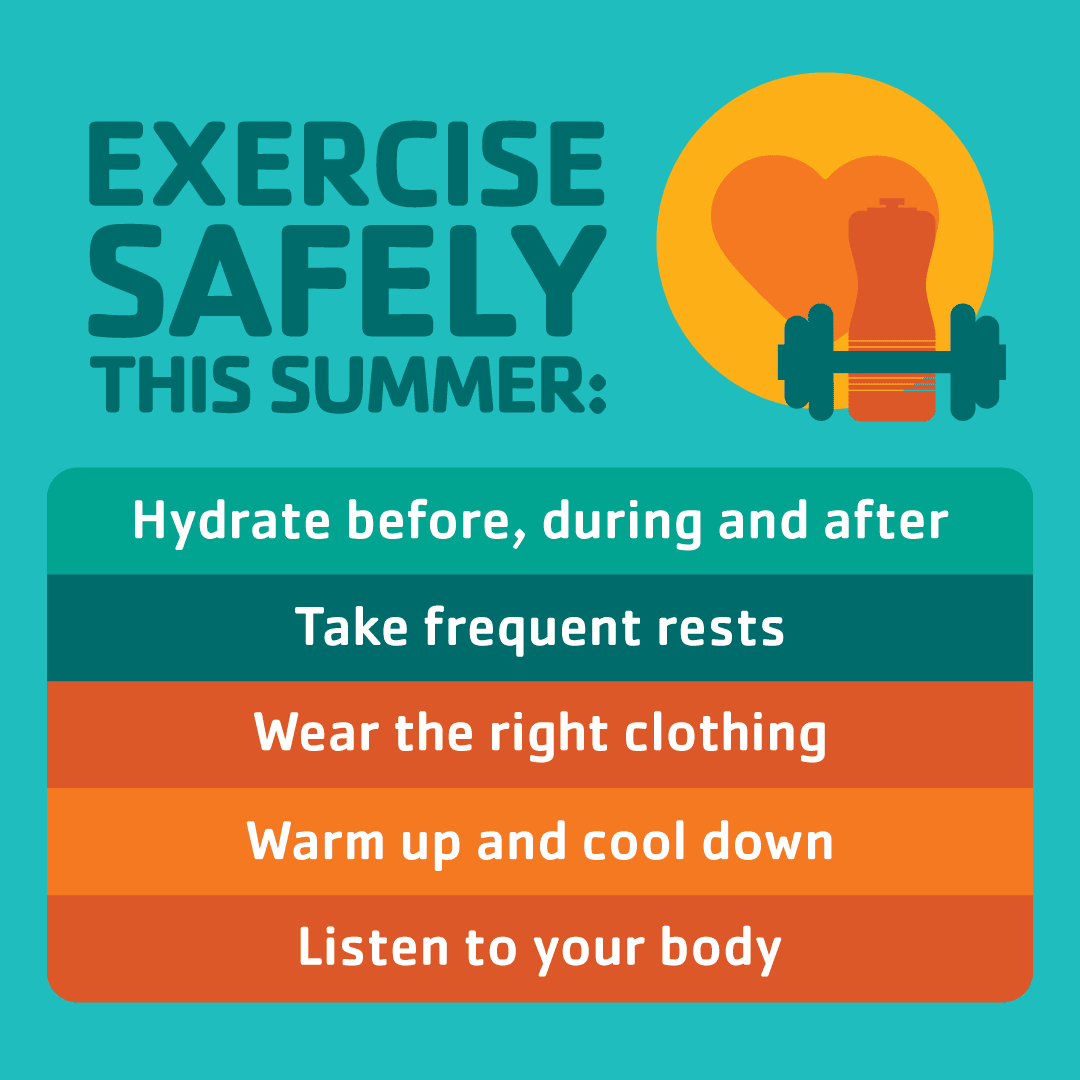
If you’re someone who likes to get their blood pumping and stay in shape through exercise, then it’s important to prioritize your safety and prevent any potential injuries. In this article, you’ll discover practical tips and guidelines on how to stay safe during your workouts and avoid any unnecessary harm. By following these simple yet effective strategies, you can continue enjoying the benefits of exercise while minimizing the risk of injuries. So, lace up your sneakers and let’s dive into the world of safe exercising!
Warming Up
Importance of warming up
Warming up is a crucial part of any exercise routine as it helps prepare your body for the upcoming physical demands. By gradually increasing your heart rate and warming up your muscles, you can improve your flexibility and reduce the risk of injury. A good warm-up routine should not be rushed or neglected, as it sets the foundation for a safe and effective workout.
Dynamic stretching
Dynamic stretching is an effective way to warm up your muscles and joints. Unlike static stretching, which involves holding a position, dynamic stretching involves continuous movement. By incorporating movements that mimic the actions you’ll perform during your workout, such as arm circles or leg swings, you can increase blood flow to the muscles and improve their range of motion.
Light cardio exercises
Engaging in light cardio exercises during your warm-up can gradually elevate your heart rate and increase blood flow to your muscles. Activities such as brisk walking, jogging in place, jumping jacks, or cycling at a leisurely pace are great options. These low-intensity exercises help raise your core body temperature and prepare your cardiovascular system for the upcoming workout.
Proper Technique
Importance of proper technique
Using the correct technique while exercising is vital to prevent injuries and maximize the effectiveness of your workouts. It ensures that you are targeting the right muscles and minimizing strain on your joints. By mastering proper technique, you can improve your overall performance and reduce the risk of long-term injuries or imbalances in your body.
Learning from a professional
To learn and understand the proper technique of various exercises, it is highly recommended to seek guidance from a certified fitness professional. They can provide you with valuable insights and correct any mistakes you may be making. Joining a fitness class or working with a personal trainer will not only help you improve your form, but it will also provide you with motivation and accountability.
Start with lighter weights
When starting a strength training program, it is crucial to begin with lighter weights. This allows your muscles and connective tissues to adapt gradually to the new demands. Starting with lighter weights also helps you focus on maintaining proper form and performing the movements correctly. As you gradually build strength and confidence, you can increase the weight or resistance.
Focus on form over speed
It’s important to prioritize form over speed when performing any exercise. Rushing through repetitions or using momentum can compromise your form and increase the risk of injury. By placing emphasis on maintaining the correct posture and executing each movement with control, you can ensure that you are effectively targeting the intended muscles and reducing the strain on your joints.
Gradual Progression
Importance of gradual progression
Gradual progression is crucial in preventing injuries and allowing your body to adapt to increasing demands. It involves making incremental increases in either the intensity or duration of your workouts over time. By slowly challenging your body, you can build strength, endurance, and flexibility while minimizing the risk of overuse injuries or burnout.
Avoiding sudden increases
Sudden and drastic increases in intensity or duration can cause unnecessary stress on your body and increase the likelihood of injuries. It’s important to listen to your body and progress at a pace that feels challenging but comfortable. Gradual increases allow your body to adapt and recover properly, setting the stage for long-term success.
Incremental increases in intensity or duration
Whether you’re increasing the weight, the number of repetitions, or the duration of your workouts, it’s essential to do so gradually. Aim to make small increments, such as adding 5-10% weight or extending your workout duration by a few minutes, every week or two. This gradual progression gives your body time to adapt and minimizes the risk of straining or overloading your muscles and joints.
Using Proper Equipment
Choosing appropriate footwear
Investing in a pair of proper athletic shoes that are suitable for your chosen activity is essential. Different sports or exercises require different types of footwear, as they provide support and stability specific to those activities. For example, running shoes are designed to absorb impact, while weightlifting shoes offer stability and a sturdy base. Choosing the appropriate footwear reduces the risk of foot, ankle, and leg injuries.
Wearing comfortable and supportive clothing
Wearing comfortable and supportive clothing during your workouts allows for ease of movement and minimizes the risk of distractions or discomfort. Choose clothing made from breathable fabrics that wick away moisture to keep you dry and reduce the risk of skin irritation. Opt for clothing that provides proper support to your body, such as a well-fitting sports bra or compression sleeves for your joints.
Using safety gear for specific activities (helmets, pads, etc.)
Certain activities such as cycling, skating, or contact sports may require specific safety gear. Wearing helmets, knee pads, elbow pads, or wrist guards can protect you from potential head injuries or fractures. Make sure that the safety gear fits properly, is in good condition, and is worn consistently when engaging in those specific activities.
Using equipment properly (adjusting settings, maintaining, etc.)
When using exercise equipment, it’s important to familiarize yourself with its proper usage. Adjusting the settings, such as seat height or resistance, according to your body and fitness level is crucial to maintain correct form and prevent unnecessary strain on your joints. Regularly check the equipment for any signs of wear or damage, and follow maintenance instructions to ensure its safe and effective use.
Hydration and Nutrition
Staying hydrated before, during, and after exercise
Proper hydration is essential for optimal performance and preventing dehydration. It’s important to drink enough fluids before, during, and after your workouts, especially if they are intense or prolonged. Aim to consume water or electrolyte-rich beverages to replace the fluids lost through sweat. Be aware of your body’s signals and drink whenever you feel thirsty.
Importance of balanced nutrition
A balanced diet plays a vital role in supporting your exercise routine and overall health. Consuming a variety of whole foods, including lean proteins, complex carbohydrates, healthy fats, fruits, and vegetables, provides your body with the necessary nutrients for energy, muscle recovery, and immune function. Prioritize nutrient-dense foods and avoid relying solely on supplements or processed foods.
Eating a light meal or snack before exercising
Having a light meal or snack before exercising can provide you with the necessary fuel and energy. Opt for easily digestible carbohydrates, such as a banana or whole-grain toast, paired with a source of protein, like yogurt or a small handful of nuts. Avoid heavy meals or high-fat foods, as they can cause discomfort or indigestion during your workout.
Avoiding heavy meals before intense workouts
Consuming heavy meals before intense workouts can lead to digestive issues and discomfort. It’s best to allow at least two to three hours for a complete meal to digest before engaging in intense exercise. If you’re short on time, opt for a light snack instead. Always listen to your body and adjust your food choices according to your individual needs and preferences.
Listening to Your Body
Recognizing signs of fatigue or strain
Listening to your body and being aware of signs of fatigue or strain is crucial to avoid overexertion and injury. Pay attention to how your muscles feel during exercise, and if you experience sharp or intense pain, stop immediately. Taking breaks when needed and not pushing through excessive fatigue can help prevent long-term issues and ensure a safe and enjoyable exercise experience.
Taking rest days
Rest days are an essential component of any exercise routine. They allow your body time to recover, repair muscle tissues, and prevent overuse injuries. Aim for one or two rest days per week, during which you can engage in light activities such as stretching or gentle yoga. Recognize that rest is just as important as the workout itself and make it a priority in your fitness routine.
Modifying exercises to suit your fitness level
It’s important to remember that not all exercises are suitable for everyone, especially if you are a beginner or have specific physical limitations. Always modify exercises to suit your fitness level and abilities. For example, if you find push-ups too challenging, start with modified push-ups from the knees or against a wall. Gradually work your way up to more advanced versions as you gain strength and confidence.
Monitoring Heart Rate
Understanding target heart rate
Knowing your target heart rate allows you to gauge the intensity of your workouts and ensure you’re in the appropriate range for achieving your fitness goals. Calculate your target heart rate by subtracting your age from 220 and then multiplying it by the desired intensity percentage. Monitoring your heart rate during exercise helps you stay within the desired range and avoid overexertion.
Using heart rate monitors
Heart rate monitors are valuable tools for tracking your heart rate during exercise. They come in various forms, including chest straps, wristbands, or smartwatches with built-in sensors. By using a heart rate monitor, you can accurately monitor your heart rate in real-time and adjust the intensity of your workout accordingly. This can help prevent excessive strain and optimize your training.
Avoiding excessively high heart rate
Exercising with an excessively high heart rate for an extended period can put unnecessary stress on your cardiovascular system and increase the risk of exhaustion or injury. If your heart rate exceeds your target range, slow down the intensity or take a short break. Always prioritize safety and listen to your body’s signals to avoid overexertion.
Allowing for recovery and cooldown
After a challenging workout, it’s important to allow time for recovery and cooldown. This involves gradually reducing the intensity of your exercise and engaging in light movements or stretching. Cooling down helps your heart rate and breathing return to normal gradually, preventing dizziness or blood pooling in your extremities. Use this time to reflect on your workout and listen to your body’s needs for recovery.
Creating a Safe Environment
Clearing exercise area from obstacles
Clearing your exercise area from any potential obstacles or hazards is crucial for ensuring your safety. Remove any loose objects, electrical cords, or furniture that could impede your movements. Having a clutter-free space allows you to move freely and reduces the risk of tripping or falling during your workout.
Ensuring proper lighting and ventilation
Exercising in a well-lit and well-ventilated area is important for both your safety and comfort. Good lighting helps you see your surroundings clearly and avoid accidents. Proper ventilation ensures fresh airflow, preventing overheating or discomfort during intense workouts. Choose a workout space with natural light or adequate artificial lighting, and ensure proper airflow or use fans as needed.
Securing equipment and weights to avoid accidents
If you’re using exercise equipment or weights, it’s essential to secure them properly to prevent accidents or injuries. Make sure all equipment is stable and not wobbly. Use locking mechanisms or pins to secure weight plates on barbells or machines. When using free weights, check that the collars are tightened and weights are balanced. Regularly inspect equipment for wear or damage and replace or repair as needed.
Avoiding Overexertion
Knowing your limits
Knowing your limits and staying within them is crucial for avoiding overexertion. Pushing yourself beyond your current fitness level or ignoring signs of fatigue can increase the risk of injury or burnout. Set realistic goals and gradually work towards them. If an exercise feels excessively challenging or painful, take a step back and modify it to suit your abilities.
Not pushing through severe pain
It’s important to differentiate between muscle discomfort due to exertion and severe pain that could indicate an injury. Experiencing severe pain during exercise is a sign to stop immediately and seek medical attention if needed. Pushing through severe pain can worsen an existing injury or lead to further damage. Always prioritize your health and seek guidance if you’re unsure about the cause or severity of the pain.
Avoiding excessive repetition
Repetitive movements, especially when performed with poor form or without proper rest periods, can lead to overuse injuries. Avoid overloading specific muscles or joints by incorporating variety into your workouts. Switch between different exercises that target the same muscle groups and give yourself sufficient recovery time between workouts to allow your body to repair and adapt.
Balancing workouts with rest and recovery
Finding a balance between challenging workouts and adequate rest and recovery is key to staying safe and injury-free. Intense workouts place stress on your body, and proper recovery is crucial for repairing and strengthening muscles and tissues. Make sure to incorporate rest days, prioritize quality sleep, and listen to your body’s signals for rest and recovery. Remember, progress happens during rest, not just during workouts.
Seeking Professional Advice
Consulting with a healthcare professional before starting a new exercise routine
If you have any underlying medical conditions or concerns, it’s important to consult with a healthcare professional before starting a new exercise routine. They can evaluate your overall health and provide guidance tailored to your specific needs. This is especially important if you have any cardiovascular conditions, joint problems, or chronic illnesses that may require modifications or specific precautions during exercise.
Getting guidance from a certified fitness instructor
Working with a certified fitness instructor can provide valuable guidance and support throughout your fitness journey. They have the expertise to design safe and effective exercise programs tailored to your goals and fitness level. A qualified instructor can ensure you’re using proper technique, progressing at an appropriate pace, and adapting exercises to suit your needs, minimizing the risk of injuries or plateaus.
Seeking medical attention for any injuries or persistent pain
If you experience any injuries or persistent pain during or after exercise, it’s important to seek medical attention. Ignoring pain or pushing through injuries can worsen the condition and delay recovery. A healthcare professional can properly diagnose the issue, provide treatment recommendations, and guide you through the recovery process. Prioritize your long-term health and well-being by addressing any concerns promptly.
In conclusion, staying safe and avoiding injuries while exercising is of utmost importance for a successful and enjoyable fitness journey. By incorporating warm-up exercises, focusing on proper technique, gradually progressing, using proper equipment, prioritizing hydration and nutrition, listening to your body, monitoring heart rate, creating a safe environment, avoiding overexertion, and seeking professional advice when needed, you can minimize the risk of injuries and maximize the benefits of your workouts. Remember, staying safe and injury-free allows you to maintain consistency, achieve your fitness goals, and enjoy the lifelong benefits of regular exercise.