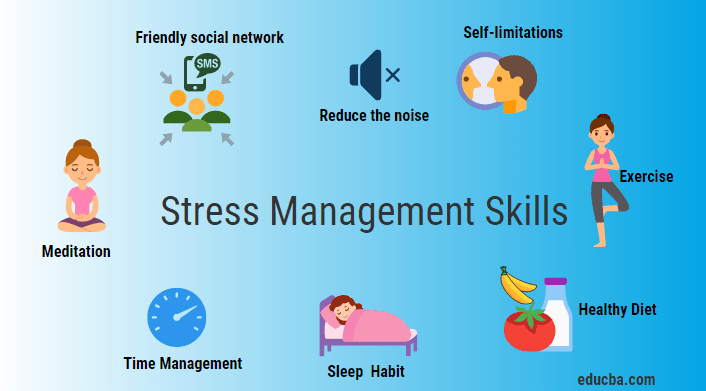
In today’s fast-paced world, stress has become a common companion in our lives. It seems like an everyday battle to navigate through demanding work schedules, personal responsibilities, and unexpected challenges. But worry not, for this article is here to offer you a range of effective stress management strategies that can help you regain control and find peace amidst the chaos. From mindfulness techniques to time management tips, we’ve got you covered. So, take a deep breath, relax, and let’s explore these stress-busting strategies together.
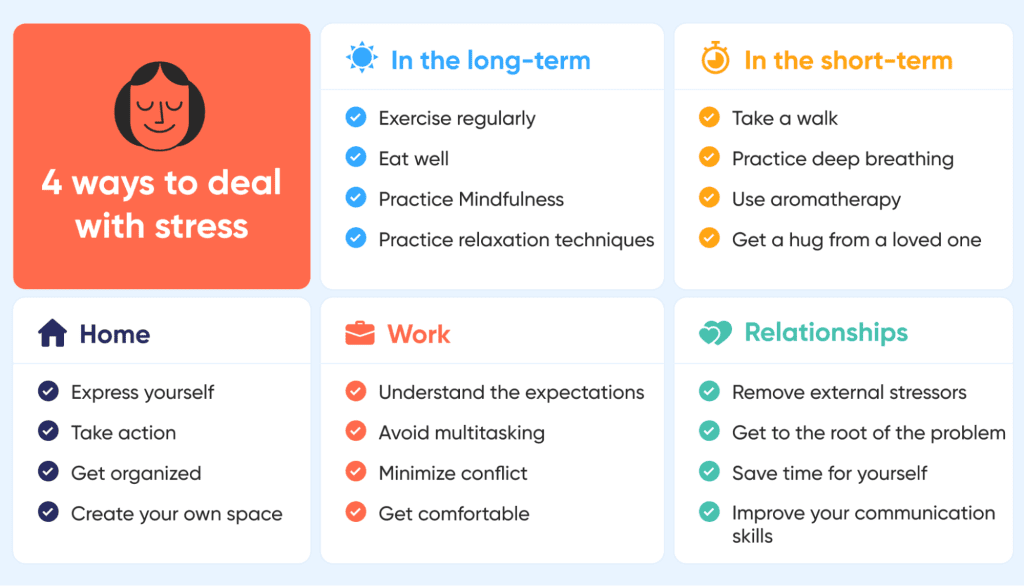
Cognitive Strategies
Identifying and challenging negative thoughts
One effective cognitive strategy for managing stress is to identify and challenge negative thoughts. When you find yourself thinking negatively or catastrophizing about a situation, take a step back and examine the evidence. Is your negative thought based on facts or is it an assumption? Ask yourself if there are any alternative explanations or more positive perspectives that you can consider. By challenging negative thoughts, you can reframe your thinking and reduce stress.
Practicing positive self-talk
Positive self-talk is another cognitive strategy that can help you manage stress. Instead of focusing on what could go wrong or criticizing yourself, try to replace negative thoughts with more positive and affirming ones. For example, if you make a mistake, instead of beating yourself up, remind yourself that mistakes are a part of learning and growth. By redirecting your thoughts towards positivity, you can improve your resilience and reduce stress levels.
Cultivating gratitude
Practicing gratitude is a powerful emotional strategy that can help you manage stress. Take a few moments each day to reflect on things that you are grateful for. It could be as simple as appreciating the beauty of nature, the support of loved ones, or even the small achievements you have made. By focusing on the positive aspects of your life, you can shift your mindset and reduce stress.
Developing realistic expectations
Setting realistic expectations for yourself and others is essential for managing stress. Often, stress arises when we place unrealistic demands on ourselves or expect others to meet our unrealistic standards. Take the time to evaluate your expectations and ensure they are fair and achievable. By setting realistic expectations, you can reduce the pressure you put on yourself and others, leading to a more balanced and less stressful life.
Emotional Strategies
Expressing emotions
Expressing emotions is an important emotional strategy for stress management. Bottling up emotions can lead to increased stress levels and potential health issues. Find healthy ways to express your emotions, such as talking to a trusted friend, writing in a journal, or participating in activities that allow you to release emotions, like painting or dancing. By expressing your emotions, you can create a healthier emotional equilibrium and reduce stress.
Engaging in relaxation techniques
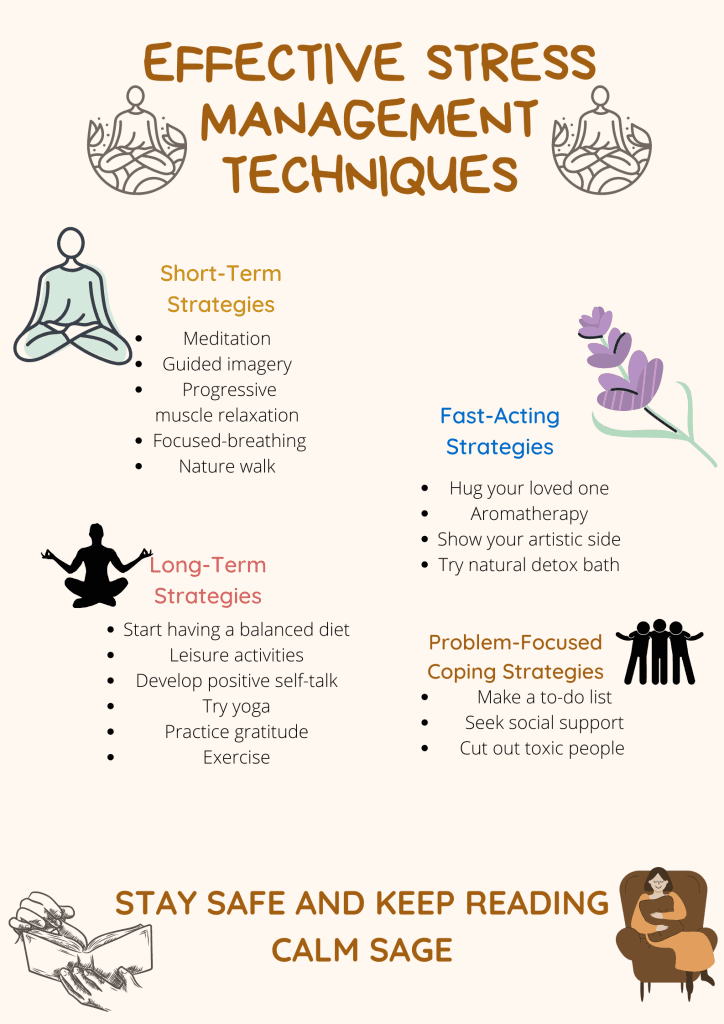
Relaxation techniques are effective ways to manage stress and promote emotional well-being. Techniques like deep breathing exercises, progressive muscle relaxation, or guided imagery can help activate the body’s relaxation response and counteract the stress response. Regular practice of relaxation techniques can help you feel calmer, more centered, and better equipped to handle the challenges of daily life.
Seeking support from loved ones
Having a strong support system is crucial for managing stress effectively. Reach out to loved ones when you are feeling stressed and share your feelings with them. Simply talking about your stressors and concerns can provide relief and comfort. Loved ones can also offer different perspectives, advice, or practical solutions. Don’t hesitate to lean on your support system during difficult times, as their understanding and empathy can help alleviate stress.
Engaging in enjoyable activities
Engaging in activities that bring you joy and happiness is a valuable emotional strategy for stress management. Take time out of your busy schedule to do things that you truly enjoy, whether it is pursuing a hobby, spending time with loved ones, or indulging in a favorite pastime. These activities provide a welcome distraction and allow you to recharge and rejuvenate, reducing stress and promoting emotional well-being.
Physical Strategies
Engaging in regular exercise
Regular exercise is one of the most effective physical strategies for managing stress. Exercise releases endorphins, which are natural mood boosters. It also helps to lower stress hormones like cortisol and adrenaline. Choose an exercise that you enjoy and make it a regular part of your routine. Whether it’s going for a run, attending fitness classes, or simply taking a brisk walk, physical activity can improve your mood, reduce tension, and leave you feeling more relaxed.
Practicing deep breathing exercises
Deep breathing exercises are simple yet powerful techniques for managing stress. When you feel stressed, take slow, deep breaths, focusing on filling your lungs with air and exhaling slowly. This activates the body’s relaxation response, promoting a sense of calmness and reducing the physical symptoms of stress. Practice deep breathing exercises regularly, both during stressful moments and as a preventative measure, to maintain a relaxed and balanced state.
Getting enough sleep
Adequate sleep is crucial for managing stress. When you are sleep-deprived, your body and mind are in a more vulnerable state, making it difficult to cope with stressors. Aim for 7-9 hours of uninterrupted sleep each night. Establish a bedtime routine and create a sleep-friendly environment that promotes relaxation. By prioritizing sleep, you can enhance your resilience and better manage stress.
Maintaining a balanced diet
Eating a balanced diet is essential for optimal physical and mental health. When stressed, your body needs proper nourishment to function effectively. Focus on consuming a variety of fruits, vegetables, whole grains, lean proteins, and healthy fats. Avoid excessive amounts of caffeine, sugary foods, and processed snacks, as they can contribute to increased stress levels. By nourishing your body with wholesome foods, you support your overall well-being and reduce stress.
Time Management Strategies
Setting priorities
Setting priorities is crucial for effective time management and stress reduction. Identify the most important tasks or goals and focus your energy and time on them. Not everything requires immediate attention, so learn to differentiate between urgent and non-urgent matters. By setting priorities, you can avoid feeling overwhelmed and ensure that your time and energy are allocated efficiently.
Breaking tasks into smaller, manageable parts
Large tasks can be overwhelming and contribute to increased stress levels. Break down complex tasks into smaller, more manageable parts. This allows you to tackle them step by step, making progress and reducing feelings of stress and anxiety. Set specific, achievable goals for each smaller task and celebrate your accomplishments along the way. By breaking tasks into manageable parts, you can increase your productivity and decrease stress.
Avoiding multitasking
While multitasking may seem like an efficient way to get things done, it can actually increase stress levels and decrease productivity. Instead of juggling multiple tasks simultaneously, focus on one task at a time. This allows you to give your full attention and concentration to each task, resulting in higher quality work and reduced stress. Prioritize your tasks and complete them one by one, without the added pressure of multitasking.
Creating a schedule or to-do list
Creating a schedule or to-do list is an effective time management strategy that helps reduce stress. Start by listing all the tasks or activities you need to complete, and then allocate specific time slots for each item. This provides structure and clarity, preventing procrastination and overwhelming feelings. Be sure to include breaks and downtime in your schedule to prevent burnout. By having a clear plan, you can manage your time more effectively and decrease stress levels.
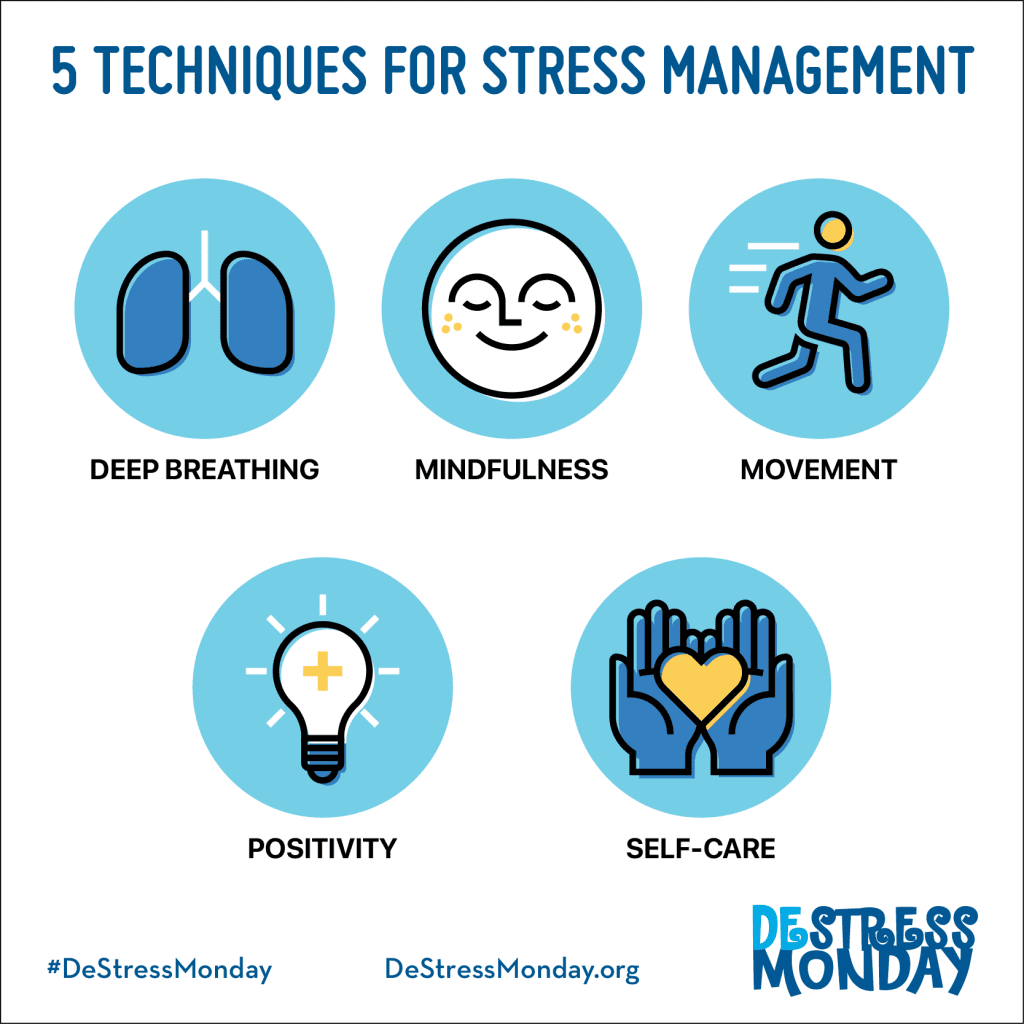
Workplace Strategies
Setting boundaries
Setting boundaries in the workplace is important for managing stress and maintaining a healthy work-life balance. Clearly communicate your limits and expectations to your colleagues and superiors. Learn to say no when necessary and prioritize self-care. Setting boundaries ensures that you maintain control over your own well-being and workload, preventing burnout and excessive stress.
Taking breaks
Taking regular breaks throughout the workday is essential for reducing stress and maintaining productivity. Allow yourself short breaks to rest, stretch, or change your environment. Stepping away from your work helps to refresh your mind and alleviate mental strain. Use these breaks to engage in activities that promote relaxation, such as going for a short walk or practicing deep breathing exercises. By taking breaks, you can recharge and reduce stress levels.
Effectively delegating tasks
Delegating tasks is a valuable workplace strategy that can help reduce stress and increase efficiency. Identify tasks that can be assigned to others and delegate appropriately. Delegation not only lightens your workload but also empowers others to contribute and develop their skills. Effective delegation ensures that tasks are completed more efficiently and allows you to focus on your own responsibilities, reducing stress levels.
Avoiding perfectionism
Perfectionism is a common source of stress in the workplace. Instead of striving for perfection, aim for excellence within reasonable boundaries. Recognize that mistakes and imperfections are a part of the learning process and growth. Set realistic goals and expectations for yourself and others. By letting go of perfectionism, you can decrease stress levels and foster a healthier work environment.
Social Strategies
Nurturing supportive relationships
Maintaining supportive relationships is vital for managing stress. Surround yourself with individuals who uplift and support you. Share your thoughts and feelings with them, and seek their advice and input. Having a strong support system can provide comfort and perspective during stressful times. Nurturing supportive relationships also encourages a sense of belonging and reduces feelings of isolation, contributing to overall well-being and stress reduction.
Seeking professional help when needed
Sometimes, stress may become overwhelming and difficult to manage on your own. Seeking professional help, such as therapy or counseling, can provide valuable support and guidance. A trained professional can help you explore coping strategies, address underlying issues, and develop effective stress management techniques. Don’t hesitate to reach out for professional assistance when needed, as it is a sign of strength and self-care.
Participating in group activities or hobbies
Engaging in group activities or hobbies is a great way to manage stress and foster social connections. Join a club or group that aligns with your interests, whether it’s a sports team, book club, or community volunteer group. Participating in these activities provides an opportunity to meet new people, share experiences, and enjoy a sense of camaraderie. Social engagement can enhance your mood, reduce stress, and improve overall well-being.
Practicing assertiveness
Practicing assertiveness is an important social strategy for managing stress, particularly in interpersonal relationships. Being assertive involves expressing your thoughts, needs, and boundaries in a clear and respectful manner. It allows you to communicate effectively and advocate for yourself, reducing the potential for stress caused by misunderstandings or unmet expectations. By practicing assertiveness, you can maintain healthy relationships and manage stress more effectively.
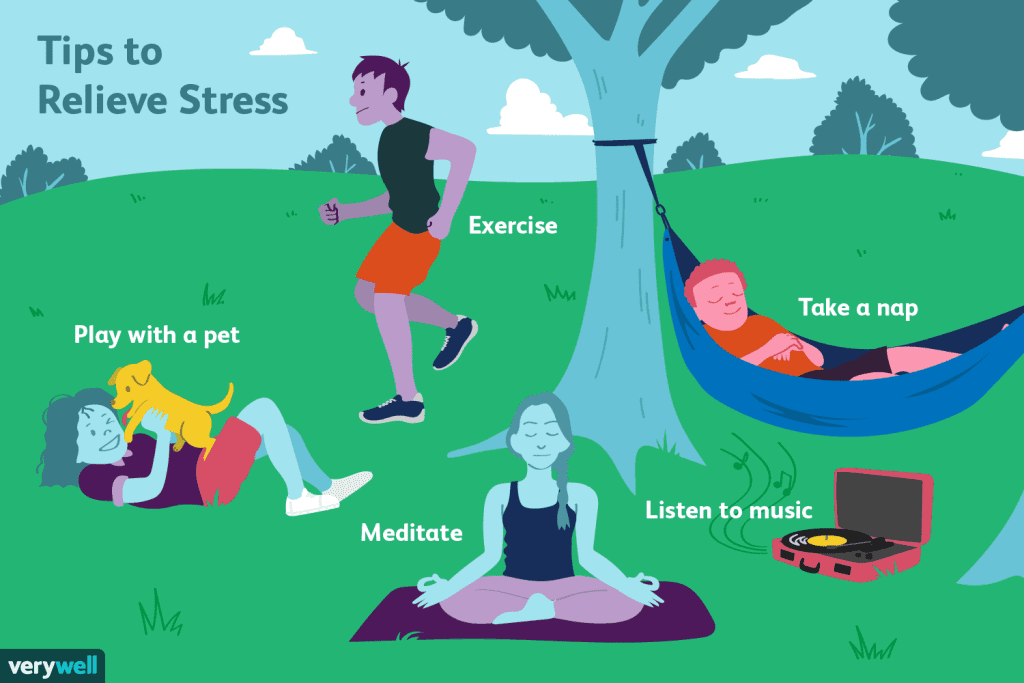
Mindfulness and Meditation Strategies
Practicing mindfulness exercises
Mindfulness involves bringing your attention and awareness to the present moment without judgment. Mindfulness exercises, such as mindful breathing or body scan, can help you cultivate a greater sense of calmness and reduce stress. Engage in mindfulness exercises regularly, even for just a few minutes a day, to develop a more mindful approach to life and manage stress more effectively.
Meditating regularly
Regular meditation practice has been shown to have numerous benefits for stress management. Find a quiet and comfortable place, close your eyes, and focus on your breath or a specific mantra. Allow your thoughts to come and go without judgment, simply observing them. Meditation helps calm the mind, relax the body, and reduce stress levels. Incorporate regular meditation sessions into your routine to experience its positive effects.
Engaging in yoga or tai chi
Yoga and tai chi are mind-body practices that combine physical movement with deep breathing and mindfulness. These practices can help reduce stress, improve flexibility and balance, and promote overall well-being. Join a yoga or tai chi class, or follow online tutorials to incorporate these practices into your routine. By nurturing the mind-body connection, you can enhance your ability to manage stress and maintain a sense of equilibrium.
Using guided meditation apps or resources
If you find it challenging to meditate or practice mindfulness on your own, consider using guided meditation apps or resources. These tools provide step-by-step instructions, relaxing music, and soothing voices to help you navigate through meditation and mindfulness exercises. Explore different apps or online platforms to find resources that resonate with you, and incorporate them into your routine for effective stress management.
Organization Strategies
Decluttering physical and digital spaces
Clutter can contribute to increased stress levels and feelings of overwhelm. Take the time to declutter and organize your physical and digital spaces. Remove unnecessary items, create designated storage areas, and develop organizational systems. By decluttering, you can create a more peaceful and productive environment, promoting a sense of calmness and reducing stress.
Establishing routines
Establishing routines and habits can help streamline your day and reduce stress. Create a consistent schedule for daily activities, such as waking up and going to bed at the same time each day, scheduling regular meal times, and setting aside specific blocks for work or leisure activities. Routines provide a sense of structure and predictability, reducing decision fatigue and increasing productivity. By establishing routines, you can better manage your time and reduce stress.
Keeping a planner or calendar
Using a planner or calendar is a useful organization strategy for managing stress. Write down important deadlines, appointments, and tasks to ensure that nothing falls through the cracks. Having a visual representation of your schedule helps you stay organized, prioritize tasks, and allocate your time effectively. Regularly review and update your planner or calendar to maintain an accurate and organized record of your commitments.
Using technology and apps for organization
Leveraging technology and using organizational apps can help streamline and simplify your life. Explore various productivity and organization apps that can assist with managing tasks, setting reminders, and syncing calendars across devices. These apps can help you stay organized, track progress, and reduce the stress associated with managing multiple obligations. Find the apps that align with your needs and integrate them into your daily routine for enhanced organization and stress management.
Self-Care Strategies
Engaging in activities that bring joy and relaxation
Engaging in activities that bring joy and relaxation is a crucial self-care strategy for managing stress. Make time for hobbies, creative outlets, or activities that you truly enjoy. Whether it’s reading, painting, hiking, or listening to music, prioritize activities that uplift your spirits and bring you a sense of fulfillment. By investing in self-care, you can recharge and rejuvenate, reducing stress and promoting overall well-being.
Taking regular breaks
Taking regular breaks throughout the day is an important self-care practice for stress management. Step away from work or responsibilities to rest, recharge, and engage in activities that promote relaxation. Use break times to go for a walk, practice deep breathing exercises, or simply enjoy a few moments of solitude. By incorporating regular breaks into your routine, you can prevent burnout and maintain a healthier balance.
Practicing good hygiene
Taking care of your physical well-being is an essential self-care strategy for managing stress. Prioritize personal hygiene by maintaining a regular skincare routine, brushing and flossing your teeth, and practicing good grooming habits. Engaging in self-care activities like showering, getting dressed in comfortable clothes, and caring for your appearance can have a positive impact on your overall mood and self-esteem, reducing stress in the process.
Setting boundaries and saying ‘no’
Setting boundaries and learning to say ‘no’ to excessive demands is a critical self-care strategy. Prioritize your well-being by recognizing your limits and communicating them effectively to others. Don’t feel obligated to take on more than you can reasonably handle. Saying ‘no’ when necessary protects your time, energy, and mental health, reducing stress and promoting self-care.
Professional Development Strategies
Improving time management skills
Improving your time management skills is a valuable professional development strategy for managing stress. Enhance your ability to allocate time efficiently, prioritize tasks, and meet deadlines. Explore different time management techniques, such as the Pomodoro Technique, time blocking, or task batching. Continually refine your time management skills to increase productivity, reduce stress, and achieve professional goals.
Strengthening communication skills
Effective communication is essential for managing stress in the workplace. Strengthen your communication skills to ensure that your needs, concerns, and expectations are clearly conveyed. Active listening, assertiveness, and conflict resolution skills are particularly valuable in reducing workplace stress. Invest in communication training or seek resources that can help you improve your interpersonal skills and foster healthier workplace relationships.
Seeking opportunities for growth and learning
Engaging in continuous learning and seeking opportunities for growth is a valuable professional development strategy that can help manage stress. Embrace challenges, take on new projects, and pursue professional development opportunities that align with your interests and goals. Learning and growth foster a sense of accomplishment, boost self-confidence, and reduce stress by keeping you engaged and motivated in your work.
Setting goals and tracking progress
Setting goals and tracking your progress is an effective professional development strategy for managing stress. Establish clear and measurable goals that align with your professional aspirations. Break down these goals into smaller, actionable steps, and track your progress along the way. Celebrate milestones and use setbacks as learning opportunities. By setting goals and tracking progress, you can stay focused and motivated, reducing stress and fostering personal and professional growth.
In conclusion, managing stress effectively requires a combination of cognitive, emotional, physical, time management, workplace, social, mindfulness, organization, self-care, and professional development strategies. By incorporating these strategies into your daily life, you can create a healthier and more balanced approach to managing stress. Experiment with different techniques, adapt them to your unique needs and preferences, and be patient with yourself as you navigate the process. Remember, stress management is a lifelong journey, and each small step you take toward managing stress better can greatly impact your overall well-being and happiness.