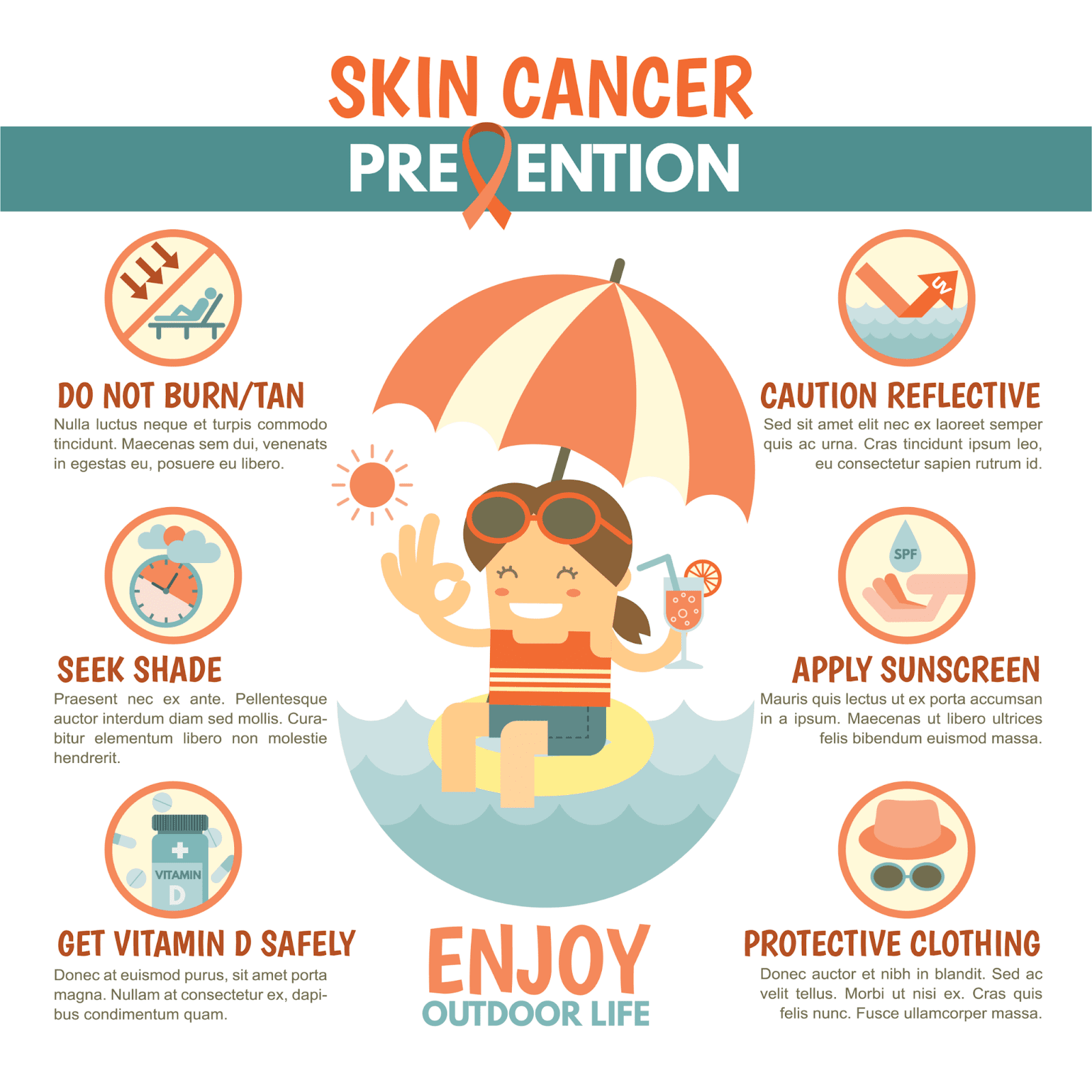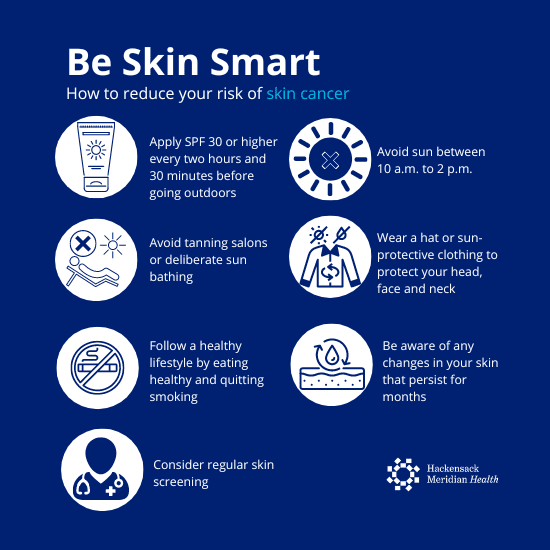
Are you concerned about protecting your skin from the harmful effects of the sun? Look no further! In this article, we will discuss the best practices for preventing skin cancer. Whether it’s wearing sunscreen, seeking shade, or wearing protective clothing, we’ve got you covered. Discover simple yet effective ways to keep your skin healthy and safe from the damaging effects of UV rays. With these best practices, you can enjoy the outdoors without worrying about the risks of skin cancer.
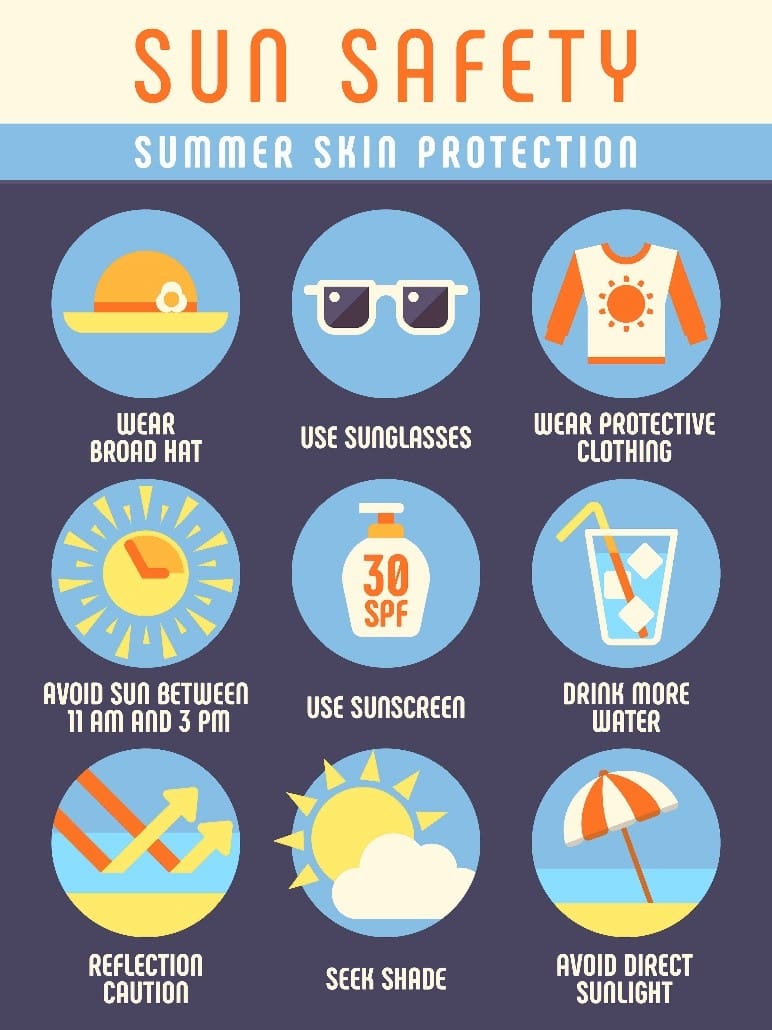
Sun Protection
Use sunscreen with SPF 30 or higher
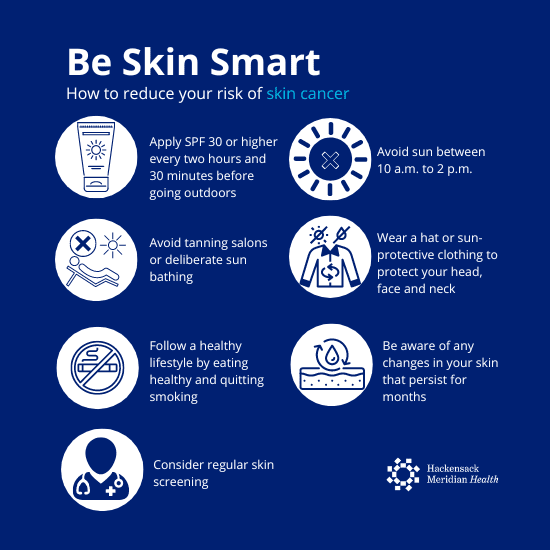
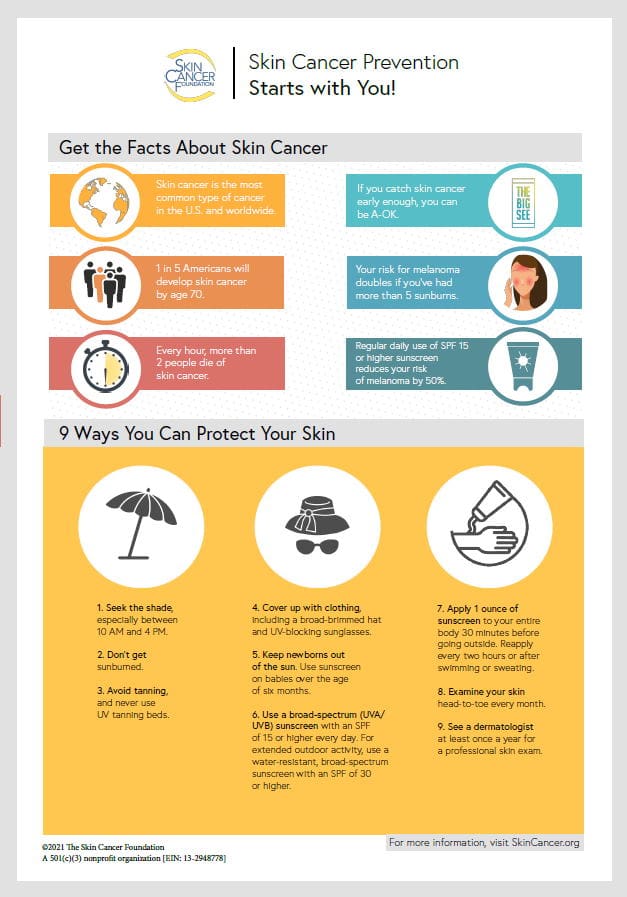
When it comes to protecting your skin from the damaging effects of the sun, sunscreen is a must-have. Make sure to choose a broad-spectrum sunscreen with an SPF (Sun Protection Factor) of at least 30 or higher. This SPF rating indicates the amount of protection the sunscreen provides against UVB rays, which are the main cause of sunburn and contribute to skin cancer. By using sunscreen with a high SPF value, you significantly reduce your risk of sunburn and long-term damage from the sun.
Apply sunscreen 15-30 minutes before sun exposure
To maximize the effectiveness of your sunscreen, it’s important to apply it correctly. Before heading out into the sun, remember to generously apply sunscreen to all exposed areas of your body. It’s recommended to apply sunscreen 15-30 minutes before sun exposure to allow the product to fully absorb into the skin. Be sure to pay attention to commonly missed areas such as the ears, back of the neck, and tops of the feet.
Reapply sunscreen every two hours
Sunscreen isn’t a one-time application that lasts all day. To ensure that your skin remains protected, it’s crucial to reapply sunscreen every two hours, especially if you’re swimming or sweating heavily. Even water-resistant sunscreens can wash off over time, so don’t forget to reapply after toweling off or getting out of the water. By diligently following this guideline, you can be confident that you are maintaining the best protection for your skin throughout the day.
Seek shade during peak sun hours (10 am to 4 pm)
While it may be tempting to soak up the sun during the peak hours of the day, it’s important to balance that desire with sun safety. The sun’s rays are strongest between 10 am to 4 pm, making this the period when you are most susceptible to sunburn and other sun-related skin damage. To protect yourself, seek shade during these hours. Whether it’s under a tree, an umbrella, or a canopy, finding shade provides you with a much-needed reprieve from the sun’s harmful rays.
Wear protective clothing and wide-brimmed hats
When it comes to safeguarding your skin against the sun, your clothing choices matter. Opt for lightweight, long-sleeved shirts and long pants to cover as much skin as possible. Additionally, wearing wide-brimmed hats can provide added protection for your face, neck, and shoulders. By shielding your skin with these protective clothing items, you can significantly reduce your exposure to harmful UV rays and lower your risk of skin damage and skin cancer.
Use sunglasses to protect your eyes
While we often focus on protecting our skin from sun damage, it’s important not to forget about our eyes. Prolonged exposure to UV rays can harm your eyes and increase your risk of conditions such as cataracts and macular degeneration. To safeguard your eyes, make sure to wear sunglasses that block 100% of both UVA and UVB rays. Look for sunglasses labeled as UV400 or provide 100% UV protection. By adopting this habit, you’ll not only protect your eyes, but you’ll also reduce the likelihood of developing eye-related issues in the future.
Avoid Indoor Tanning
Avoid using tanning beds and sunlamps
While a bronzed skin tone may be desired by some, it’s essential to understand the dangers associated with indoor tanning. Tanning beds and sunlamps emit harmful UVA and UVB rays that can cause significant damage to your skin, leading to skin cancer and premature aging. The World Health Organization has classified tanning beds as a Group 1 carcinogen, which means they are known to cause cancer in humans. It’s always best to embrace your natural skin tone and avoid the risks associated with artificial tanning methods.
Use self-tanning products for a safer alternative
If you’re looking for a sun-kissed glow without the harmful effects of UV radiation, self-tanning products are a much safer alternative. Self-tanners work by temporarily coloring the outermost layer of the skin, providing a tan appearance without exposing yourself to UV rays. There are numerous self-tanning products on the market, including lotions, sprays, and foams. Look for products with natural ingredients and always follow the instructions carefully for the best results. By opting for self-tanning, you can achieve a beautiful tan while protecting your skin from the damaging effects of the sun.
Stay Informed About UV Index
Check the UV index forecast every day
Before stepping outside, it’s a good habit to stay informed about the daily UV index forecast. The UV index provides information about the intensity of the sun’s UV radiation at a particular location and time. By checking the UV index forecast, you can plan your outdoor activities accordingly and take necessary precautions to protect your skin. Most weather apps and websites provide the UV index information for your area, making it easily accessible and convenient to incorporate into your daily routine.
Know the UV index levels and take appropriate precautions
Understanding the UV index levels is key to knowing how to protect yourself from sun damage. The UV index is typically on a scale of 0 to 11+, with higher numbers representing greater UV intensity. As a general guideline, a UV index of 3-5 is considered moderate and requires protection, while a UV index of 6 or above is high and necessitates extra precautions. Adjust your sun protection measures accordingly, such as wearing protective clothing, seeking shade, and applying or reapplying sunscreen more frequently. By being aware of the UV index levels, you can take proactive steps to minimize your risk of sunburn and skin damage.
Regular Skin Checks
Examine your skin regularly for any changes or abnormalities
Engaging in regular self-skin checks is an important practice for the early detection of skin cancer. Take the time to examine your skin from head to toe, looking for any new moles, spots, or changes in existing ones. Pay attention to growths that are asymmetrical, have irregular edges, exhibit various colors, or have a diameter larger than a pencil eraser. Also, be mindful of any sores that don’t heal or experience itching, bleeding, or crusting. If you notice any concerning changes, it’s crucial to seek medical attention promptly.
Consult a dermatologist for a professional skin check
While self-skin checks are an excellent way to stay vigilant, it’s also important to have regular professional skin checks. Dermatologists are trained to recognize the early signs of skin cancer and can conduct a thorough examination of your skin. They have the expertise to identify any suspicious moles or lesions that may require further investigation. By consulting a dermatologist, you can receive expert guidance on skin cancer prevention, early detection, and receive timely treatment if needed.
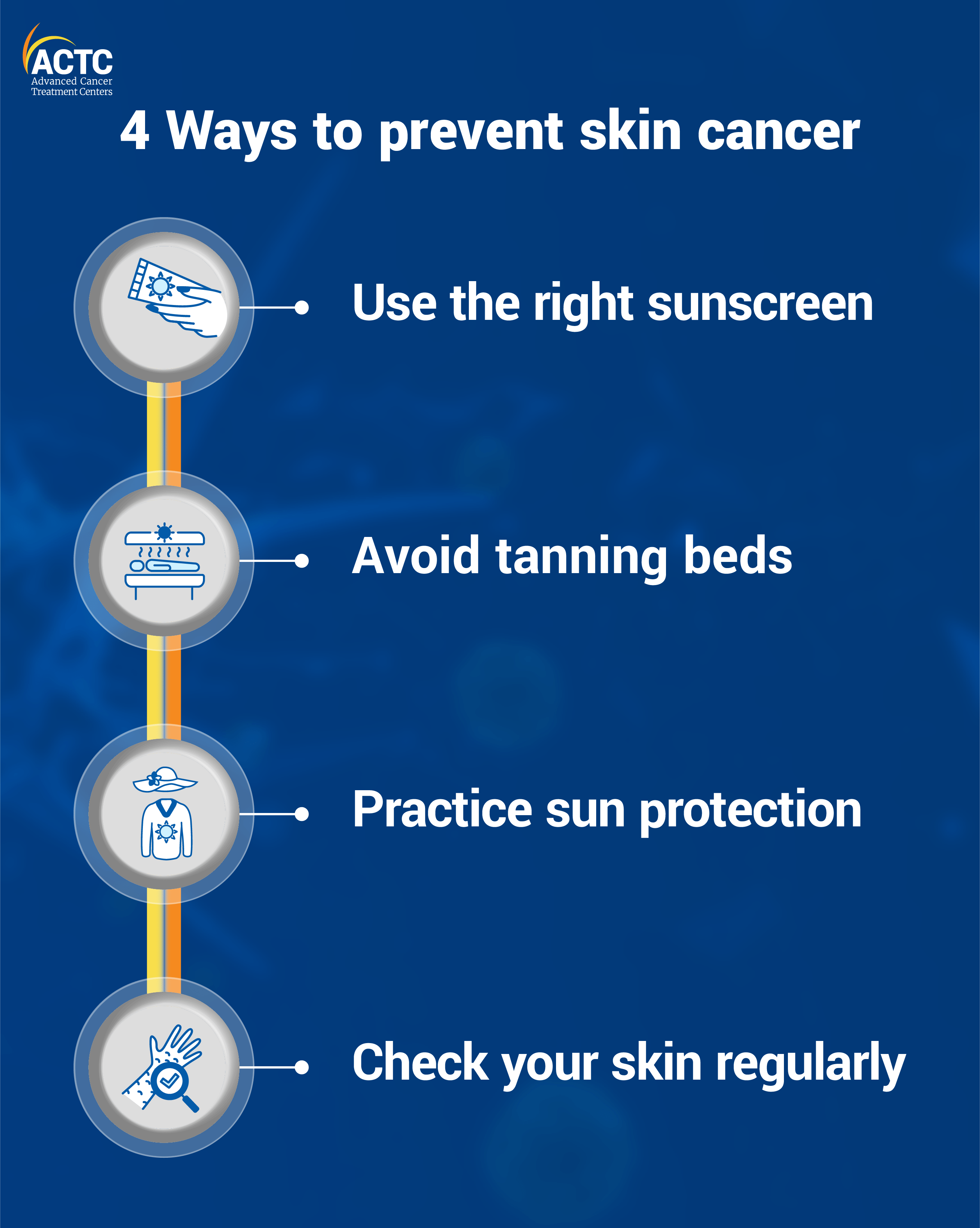
Protect Children’s Skin
Keep infants under 6 months out of direct sun exposure
The delicate skin of infants under 6 months old is highly susceptible to sunburn and damage from UV radiation. It is recommended to keep young babies out of direct sunlight as much as possible. If going outside is necessary, ensure that they are adequately protected by using sunshades, umbrellas, and clothing that covers their arms, legs, and head. Remember, sunscreen is not recommended for infants under 6 months old, so it’s important to rely on other sun protection methods to keep them safe.
Apply sunscreen on children over 6 months old
Children over 6 months old should be protected with sunscreen when spending time outdoors. Apply a broad-spectrum sunscreen with an SPF of 30 or higher to all exposed areas of their skin. Encourage children to stay in shaded areas, wear protective clothing, and use hats and sunglasses to shield themselves from the sun’s harmful rays. By instilling these sun-safe habits in children from an early age, you are helping to protect their skin and reduce their risk of developing skin cancer later in life.
Teach children about sun safety and protective measures
Educating children about sun safety is a vital step in preventing skin cancer. Teach them about the dangers of excessive sun exposure and the importance of protecting their skin. Make it a habit to apply sunscreen together before going outside, encouraging them to be involved in the process. Teach them about seeking shade during peak sun hours and the significance of wearing hats, sunglasses, and protective clothing. By empowering children with this knowledge, they will develop lifelong habits that prioritize their skin health.
Protective Measures for Outdoor Activities
Apply sunscreen before outdoor activities
Whether you’re heading to the beach, going hiking, or participating in any outdoor activity, always remember to apply sunscreen before heading out. Even on overcast days, UV rays can still penetrate the clouds and cause skin damage, so don’t skip this essential step. Apply sunscreen to all exposed areas of your body, and don’t forget commonly forgotten areas like your ears and back of the neck. By incorporating sunscreen into your pre-activity routine, you’ll be setting yourself up for a sun-safe and enjoyable experience.
Reapply sunscreen after swimming or excessive sweating
Water activities and excessive sweating can quickly diminish the effectiveness of your sunscreen. Make it a habit to reapply sunscreen immediately after swimming, even if your sunscreen is labeled as water-resistant. Toweling off can also remove sunscreen, so ensure you reapply to maintain proper protection. Additionally, when engaging in activities that make you sweat heavily, such as running or playing sports, take the time to reapply sunscreen every two hours. By being proactive in reapplying sunscreen, you are ensuring continuous protection for your skin.
Use shade structures or umbrellas to create sun-safe areas
When spending extended periods outdoors, it’s essential to create sun-safe areas where you can seek shelter from the sun’s rays. Utilize shade structures or umbrellas to create shaded spots, and position your seating or picnic area accordingly. By incorporating these measures into your outdoor setup, you’ll be able to enjoy outdoor activities while minimizing your exposure to harmful UV rays. Remember, shade alone is not enough, so be sure to combine it with other sun protection practices for comprehensive protection.
Wear UV-protective clothing and accessories while participating in outdoor sports
Engaging in outdoor sports often involves prolonged sun exposure. To effectively protect your skin during these activities, consider investing in UV-protective clothing and accessories. Look for clothing with a UPF (Ultraviolet Protection Factor) rating, which indicates the level of UV radiation that is blocked by the fabric. Additionally, wear a wide-brimmed hat and sunglasses to shield your face and eyes from the sun. By using these protective measures, you can enjoy your favorite outdoor sports while minimizing the risk of sun damage to your skin.
Commitment to Year-round Protection
Practice sun protection habits throughout the year
While it’s easy to associate sun protection with summertime, it’s important to emphasize that sun safety should be a year-round commitment. UV rays can be just as harmful during the winter months, even when the temperature is cooler or on cloudy days. Make it a habit to incorporate sun protection into your daily routine, regardless of the season. This includes wearing sunscreen, seeking shade when necessary, and using protective clothing and accessories. By practicing consistent sun protection habits, you are taking proactive measures to safeguard your skin all year long.
UV rays can still harm your skin during cloudy or cold weather
It’s a common misconception that cloudy or cold weather eliminates the need for sun protection. However, UV rays can easily pass through clouds, and their intensity remains the same, regardless of the temperature outside. Even if it doesn’t feel hot or sunny, it’s crucial to continue practicing sun protection measures. Remember to apply sunscreen, seek shade when the sun is at its strongest, and wear protective clothing. By remaining mindful of the potential harm of UV rays, you can actively prevent sun damage and reduce your risk of skin cancer.
Skin Cancer Screening and Early Detection
Schedule regular skin cancer screenings with a healthcare professional
Regular skin cancer screenings with a healthcare professional, such as a dermatologist, are an essential part of early detection and prevention. Schedule routine check-ups so that a trained eye can thoroughly examine your skin for any suspicious moles, growths, or abnormalities. Dermatologists can identify potential signs of skin cancer and provide guidance on treatment options or preventive measures. By prioritizing regular skin cancer screenings, you are taking a proactive approach to your skin health and decreasing the likelihood of advanced-stage skin cancer.
Learn to recognize the warning signs and symptoms of skin cancer
While dermatologists play a crucial role in identifying skin cancer, it’s also important for you to be familiar with the warning signs and symptoms. Educate yourself about the various types of skin cancer and how they may appear on the skin. Pay attention to any changes in moles or growths, including size, color, shape, and texture. Familiarize yourself with the ABCDEs of melanoma: asymmetry, irregular borders, varied colors, diameter larger than a pencil eraser, and evolving or changing over time. By understanding these signs, you can promptly report any concerns to your healthcare professional.
Report any suspicious moles or skin lesions to your doctor
If you notice any moles or skin lesions that appear suspicious or concerning, don’t hesitate to report them to your doctor. Early detection plays a crucial role in successful treatment outcomes for skin cancer. Whether it’s a new growth, a changing mole, or a lesion that doesn’t heal, your doctor can evaluate the area and determine if further examination or testing is necessary. By being proactive and reporting any changes promptly, you can ensure that potential skin cancer is caught early, increasing the chances of successful treatment and recovery.
Be Mindful of Medications
Some medications can increase sensitivity to the sun
It’s important to be aware that certain medications can increase your skin’s sensitivity to the sun. Common examples include certain antibiotics, acne medications, diuretics, and antihistamines. When taking these medications, your skin may be more susceptible to sunburn and other types of sun damage. Make sure to consult with your doctor or pharmacist about any potential side effects and take appropriate precautions. This might include using additional sun protection methods, seeking shade, and avoiding excessive sun exposure during medication use.
Consult your doctor or pharmacist about medication side effects
When prescribed medications, always have a conversation with your doctor or pharmacist about potential side effects, including sun sensitivity. They can provide you with valuable information about the medication’s impact on your skin and advise on the necessary precautions. If you are already taking medications and are unsure about their sun-related side effects, don’t hesitate to reach out to your healthcare professional for clarification. By keeping an open line of communication, you can make informed decisions about your health and mitigate any risks associated with sun sensitivity caused by medication.
Lead by Example
Promote sun safety practices among friends and family
As you prioritize your own sun safety, don’t forget to lead by example and spread awareness among your friends and family. Encourage them to adopt best practices for sun protection, whether it’s reminding them to wear sunscreen, seek shade, or schedule regular skin checks. By sharing your knowledge and experiences, you can positively influence those around you and help create a culture of sun safety within your social circle.
Encourage others to follow best practices for skin cancer prevention
In addition to promoting sun safety practices, actively encourage others to follow best practices for skin cancer prevention. Offer the necessary information and resources to help them understand the importance of sun protection and early detection. Remind them of the potential consequences of prolonged sun exposure and the benefits of simple preventative measures. Through education and support, you can inspire others to prioritize their skin health and take the necessary steps to reduce their risk of developing skin cancer.
Preventing skin cancer is a lifelong commitment that requires consistent effort and awareness. By following these best practices, you are taking proactive steps to protect your skin, reduce your risk of skin cancer, and promote a sun-safe lifestyle. Remember, sun protection is not just a summer ritual; it should be incorporated into your daily routine, regardless of the season or weather conditions. Through education, regular screenings, and early detection, we can make significant progress in the battle against skin cancer. So, let’s prioritize our skin health, lead by example, and encourage others to join us in practicing sun safety every day.