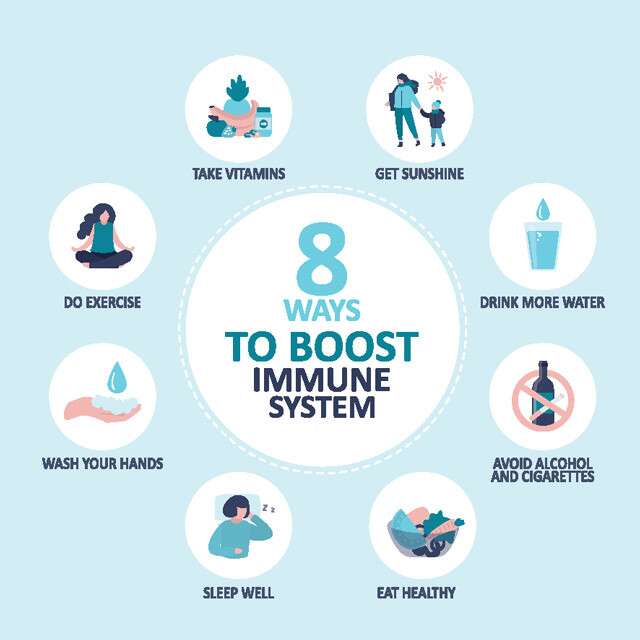
In today’s fast-paced world, maintaining a strong immune system is essential for a longer and healthier life. Your immune system acts as a shield, protecting you against harmful viruses and bacteria, and by boosting it, you can greatly reduce your chances of falling ill. From a balanced diet and regular exercise to managing stress and getting enough sleep, there are numerous simple yet effective ways to give your immune system the boost it needs. In this article, we will explore some practical tips and habits that you can adopt to strengthen your immune system, allowing you to live your life to the fullest. So, let’s dive in and discover how to enhance your body’s defense mechanism for a better tomorrow.
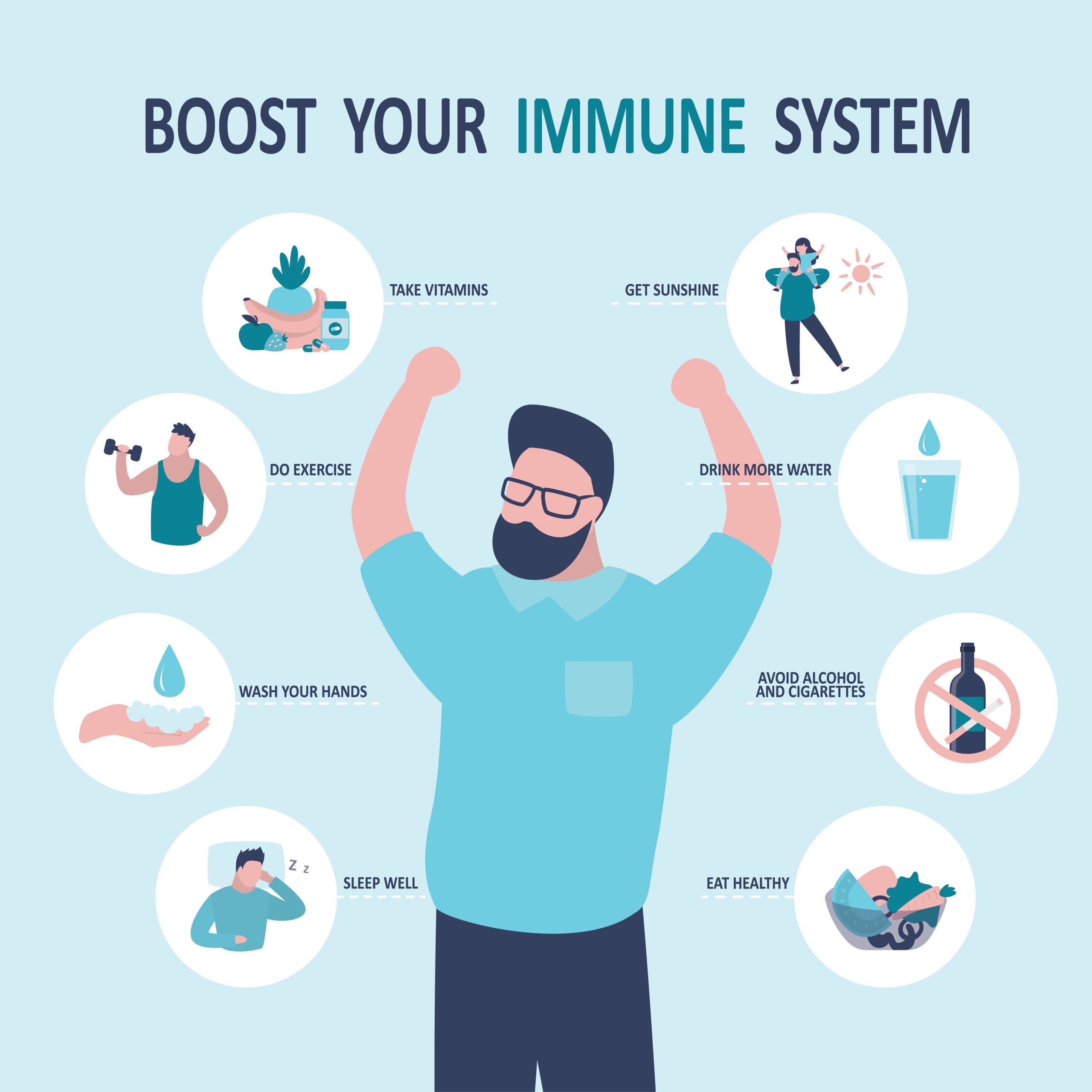
Eat a Healthy Diet
Eating a healthy diet is essential for nourishing your body and boosting your immune system. One of the most important aspects of a healthy diet is consuming a variety of colorful fruits and vegetables. These vibrant foods are packed with vitamins, minerals, and antioxidants that can help protect your immune system and keep you healthy. Make it a goal to incorporate a range of fruits and vegetables into your meals, including leafy greens, berries, citrus fruits, bell peppers, and sweet potatoes.
In addition to fruits and vegetables, it’s crucial to include sources of lean protein in your diet. Protein is necessary for the production of antibodies, which are vital for fighting off infections. Opt for lean sources of protein such as skinless chicken, turkey, fish, tofu, and beans. These protein sources are low in saturated fat and provide essential nutrients like zinc and iron that play a role in supporting a robust immune system.
Another key component of a healthy diet is incorporating whole grains into your meals. Whole grains, such as brown rice, quinoa, and whole wheat bread, are rich in fiber and essential nutrients. They can help regulate your blood sugar levels, improve digestion, and provide sustained energy throughout the day. Try to make at least half of your grain choices whole grains to reap their immune-boosting benefits.
While fats are often demonized, it’s important to include healthy fats in your diet. Healthy fats, like those found in avocados, nuts, seeds, and olive oil, are essential for your immune system to function properly. They help your body absorb fat-soluble vitamins, such as vitamins A, D, E, and K, which are crucial for immune health. Including these healthy fats in your meals can also increase feelings of satiety and support a healthy weight.
On the flip side, it’s essential to limit your intake of added sugars and processed foods. Consuming too much sugar can suppress your immune system and increase inflammation in your body. Added sugars are found in many processed foods, sugary beverages, and sweets. Instead, opt for natural sweeteners like honey or maple syrup and focus on whole, unprocessed foods. By reducing your intake of added sugars and processed foods, you’ll be supporting your immune system and overall health.
Stay Hydrated
Staying hydrated is often overlooked but plays a crucial role in supporting a healthy immune system. Water is essential for the proper functioning of every organ and system in your body, including your immune system. It helps carry nutrients to your cells, flush out toxins, and maintain optimal bodily functions. Aim to drink an adequate amount of water throughout the day, at least 8 cups or 64 ounces.
While it’s important to stay hydrated, it’s equally important to avoid excessive consumption of sugary beverages and alcohol. These drinks can dehydrate your body and sap your immune system of vital nutrients. Excessive alcohol consumption can also disrupt your sleep patterns and weaken your body’s immune response. Instead, opt for water, herbal teas, or homemade fruit-infused waters to quench your thirst and support your immune system.
Get Enough Sleep
Getting enough quality sleep is crucial for maintaining a healthy immune system. During sleep, your body repairs and rejuvenates itself, and your immune system works to fight off infections and illnesses. It’s important to establish a consistent sleep schedule to ensure your body can get the rest it needs. Aim for 7-9 hours of sleep each night and try to go to bed and wake up at the same time every day, including weekends.
Creating a relaxing bedtime routine can also help improve the quality of your sleep. Engage in calming activities before bed, such as reading a book, taking a warm bath, or practicing relaxation techniques like deep breathing or meditation. Avoid stimulating activities, such as using electronic devices or watching television, as the blue light emitted from these devices can disrupt your sleep cycle.
It’s also essential to create a bedroom environment that is conducive to sleep. Ensure your bedroom is dark, quiet, and at a comfortable temperature. Remove any distractions, such as electronics or clutter, that can interfere with your sleep. Investing in a comfortable mattress, pillows, and bedding can also contribute to a better night’s sleep.
Manage Stress Levels
Managing your stress levels is vital for supporting your immune system and overall health. Chronic stress can weaken your immune system and make you more susceptible to infections and illnesses. It’s important to practice stress-reducing techniques to help alleviate stress and promote relaxation.
One effective stress-reducing technique is meditation. Find a quiet space, sit comfortably, and focus on your breath or a mantra. Allow your mind to relax and let go of any racing thoughts or worries. Meditation has been shown to reduce stress, lower blood pressure, and improve overall well-being. Another effective technique is deep breathing, where you take slow, deep breaths and focus on your breath entering and leaving your body. Deep breathing triggers the relaxation response in your body and can help reduce stress and anxiety.
Engaging in enjoyable activities and hobbies can also help reduce stress and improve your overall mood. Whether it’s going for a walk in nature, listening to music, painting, or dancing, find activities that bring you joy and make time for them in your daily routine. Surrounding yourself with positive people and seeking support from friends, family, or a professional if needed can also help manage stress and strengthen your immune system.

Be Physically Active
Regular exercise or physical activity is essential for a strong immune system and overall health. Engaging in moderate-intensity exercise, such as brisk walking, cycling, or swimming, for at least 150 minutes per week can help boost your immune system. Exercise increases blood circulation, improves the delivery of oxygen and nutrients to your cells, and stimulates the production of endorphins, which are natural mood boosters.
Finding activities that you enjoy and incorporating them into your daily routine is key to maintaining a consistent exercise routine. If you don’t enjoy traditional forms of exercise, try exploring different options such as dancing, gardening, hiking, or playing a sport. The goal is to get your body moving and elevate your heart rate. Start with small, achievable goals and gradually increase the intensity and duration of your workouts.
Remember to listen to your body and not push yourself beyond your limits. It’s important to find a balance and engage in exercise that feels good for you. If you have any underlying health conditions or concerns, consult with your healthcare professional before starting a new exercise program.
Avoid Smoking and Limit Alcohol Consumption
Smoking is detrimental to your immune system and overall health. It weakens the body’s natural defenses and makes you more susceptible to infections, including respiratory illnesses. If you’re a smoker, quitting is one of the best things you can do for your immune system and overall well-being. Seek support from your healthcare provider, join a smoking cessation program, or find resources online to help you quit smoking.
In addition to smoking, it’s important to limit your alcohol intake to moderate levels. Excessive alcohol consumption can weaken your immune system, disrupt your sleep patterns, and deplete your body of vital nutrients. Moderation is key when it comes to alcohol consumption. It’s generally recommended to limit yourself to no more than one drink per day for women and two drinks per day for men.
Maintain a Healthy Weight
Maintaining a healthy weight is essential for supporting a strong immune system. Excess weight, especially around the abdomen, can contribute to inflammation in the body, which can impair immune function. Strive for a healthy weight based on your body type and height. Focus on balanced nutrition and regular physical activity to achieve and maintain a healthy weight.
Eating a nutrient-dense diet that is rich in fruits, vegetables, lean proteins, whole grains, and healthy fats can help support a healthy weight and a robust immune system. It’s also important to engage in regular exercise or physical activity to burn calories, build muscle, and support a healthy metabolism. Aim for a combination of cardiovascular exercise, strength training, and flexibility exercises to achieve optimal health and a healthy weight.
Ensure Sufficient Vitamin D Levels
Vitamin D plays a crucial role in supporting immune function and overall health. Your body synthesizes vitamin D when your skin is exposed to sunlight. Spend time outdoors in the sunlight, especially during the early morning or late afternoon when the sun’s rays are less intense. Aim for 10-30 minutes of sun exposure on your face, arms, and legs several times a week. Remember to practice sun safety and use sunscreen if you’ll be exposed to the sun for an extended period.
In some cases, individuals may have difficulty synthesizing enough vitamin D from sunlight alone, especially during the winter months or for those who spend a lot of time indoors. In these cases, considering taking vitamin D supplements may be beneficial. Consult with your healthcare provider to determine if you should supplement with vitamin D and to determine the appropriate dosage for your needs.
Practice Good Hygiene
Practicing good hygiene habits is crucial for preventing the spread of germs and infections. Wash your hands regularly with soap and water for at least 20 seconds, especially before preparing or eating food, after using the restroom, and after coughing or sneezing. Handwashing is one of the most effective ways to reduce the transmission of germs and keep yourself and others healthy.
When coughing or sneezing, cover your mouth and nose with a tissue or your elbow to prevent the spread of germs. Dispose of used tissues properly and wash your hands afterward. If you don’t have a tissue, cough or sneeze into the crook of your elbow instead of your hands.
It’s also important to avoid close contact with individuals who are sick. If you or someone in your household is sick, take precautions to limit the spread of germs. Clean and disinfect frequently touched surfaces, such as doorknobs, light switches, and countertops, regularly.
Consider Probiotics
Probiotics are beneficial bacteria that can support a healthy immune system and promote good gut health. Including probiotic-rich foods in your diet can help increase the number of good bacteria in your gut. Some examples of probiotic-rich foods include yogurt, sauerkraut, kimchi, kefir, and kombucha. These foods provide your gut with beneficial bacteria that can help support a strong immune system.
If you’re unable to consume enough probiotic-rich foods, or if you have specific health conditions that may benefit from additional probiotics, consider taking probiotic supplements. Probiotic supplements can help replenish and optimize the beneficial bacteria in your gut. However, it’s important to consult with your healthcare provider before taking any supplements to ensure they are appropriate for your individual needs.
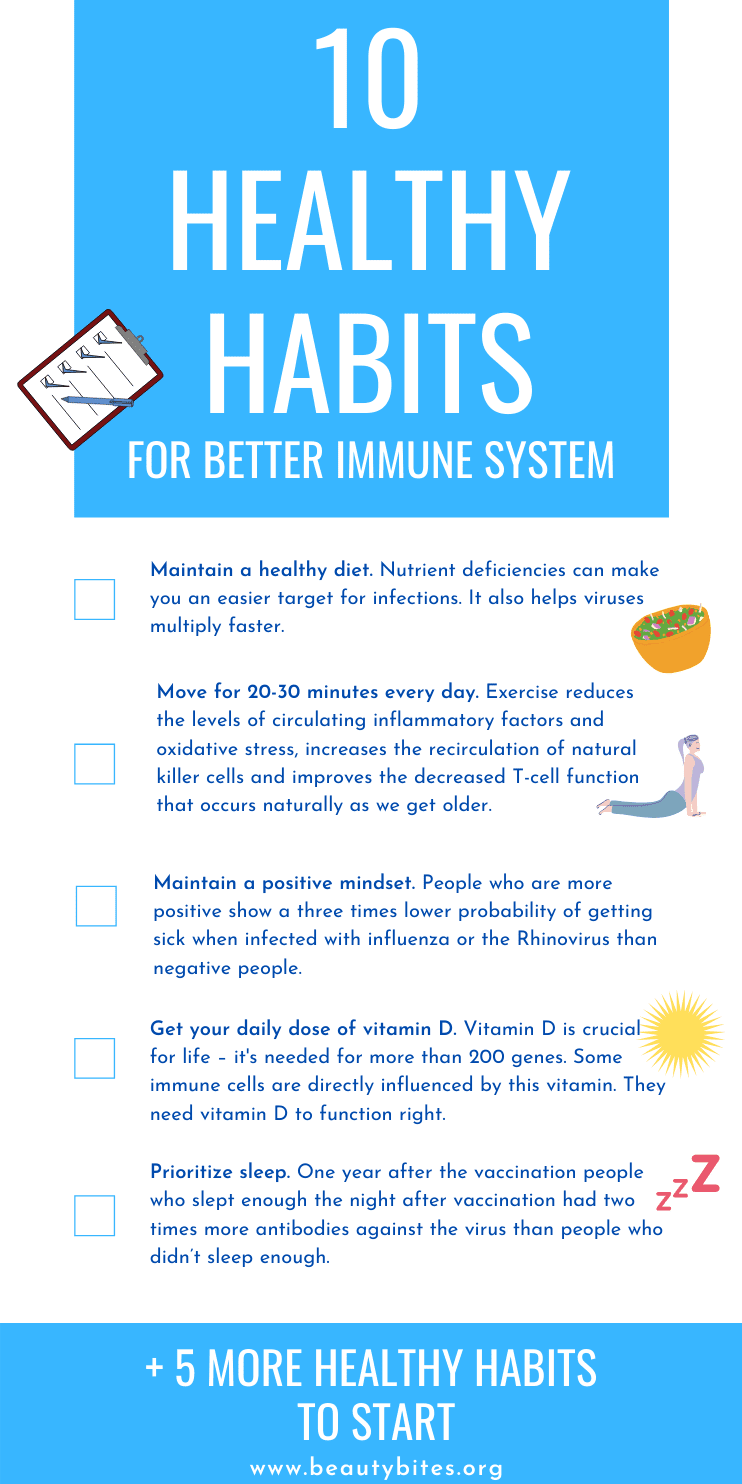
By following these tips and incorporating them into your daily routine, you can boost your immune system, support a longer and healthier life, and reduce the risk of illness and disease. Remember, taking care of your immune system is an ongoing process, so make it a priority to practice these habits consistently. Your immune system will thank you!