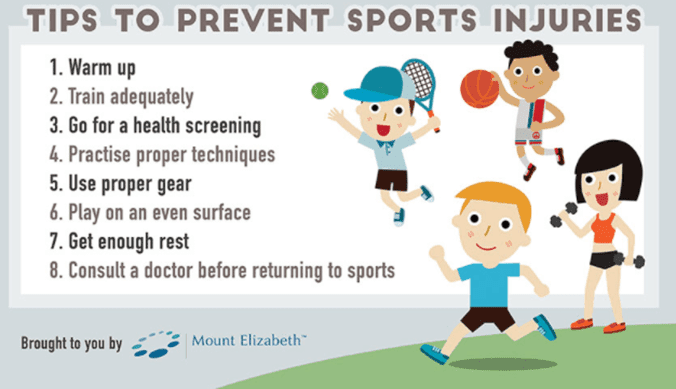
Are you an avid sports enthusiast? Do you want to ensure that you can continue enjoying your favorite activities without the risk of getting sidelined by injuries? Look no further! In this informative article, you will discover the best practices for preventing sports injuries. Whether you’re a weekend warrior or a professional athlete, implementing these tips and techniques will greatly reduce your chances of getting hurt and keep you in the game for longer. So lace up your sneakers, grab your gear, and get ready to learn how to stay injury-free while pursuing your passion for sports!
Proper Conditioning
Warm-up and Cool-down
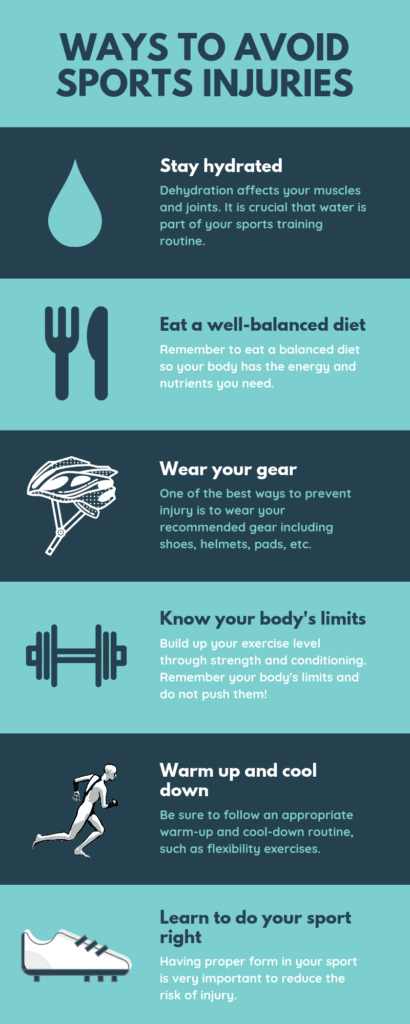
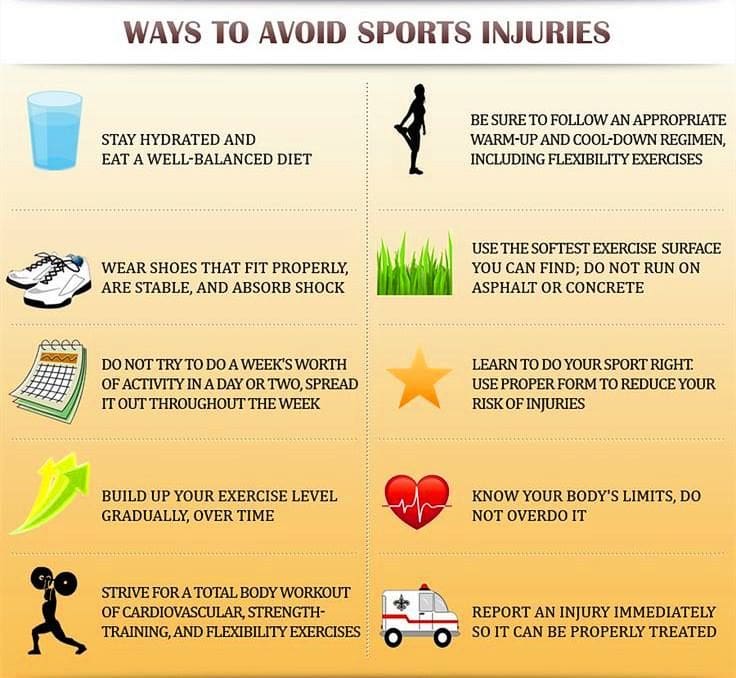
Proper conditioning is essential to prevent sports injuries and optimize athletic performance. One of the most important aspects of conditioning is to incorporate warm-up and cool-down routines into your training regimen. Before starting any physical activity, it is crucial to warm up your muscles and prepare your body for the demands of the sport. This can be done through dynamic stretching, light cardio exercises, and sport-specific movements. Similarly, cooling down after a workout helps to gradually bring your heart rate back to normal and reduce muscle soreness. Incorporating static stretching and gentle movements during the cool-down phase can improve flexibility and promote muscle recovery.
Strength Training
Strength training plays a vital role in preventing sports injuries by building muscle strength and improving overall body stability. By incorporating a combination of bodyweight exercises, resistance training, and plyometric exercises, you can enhance your muscular strength and endurance. Strong muscles provide better support and protection to your joints, reducing the risk of sprains, strains, or other types of injuries. It is important to work on both upper and lower body strength and pay attention to the specific muscle groups required for your sport or activity.
Flexibility Exercises
Flexibility is another key component of proper conditioning. Maintaining good flexibility can help prevent muscle imbalances, increase joint range of motion, and reduce the risk of muscle strains or tears. Incorporating regular stretching exercises into your routine, both static and dynamic, can improve your flexibility. Focus on stretching all major muscle groups and pay special attention to the areas that are more prone to tightness or limited mobility in your sport. Flexibility exercises should be done after a warm-up and cool-down to ensure maximum effectiveness.
Balance and Coordination Training
Improving balance and coordination is often overlooked but is essential for injury prevention. It helps athletes maintain control of their movements, react quickly to changes in the environment, and avoid falls or awkward landings. Various exercises such as balancing on one leg, wobble board exercises, or agility ladder drills can enhance balance and coordination. Incorporating these exercises into your training routine can enhance your overall athletic performance and reduce the risk of injuries, especially in sports that require rapid changes in direction or quick movements.
Appropriate Equipment and Gear
Choosing the Right Equipment
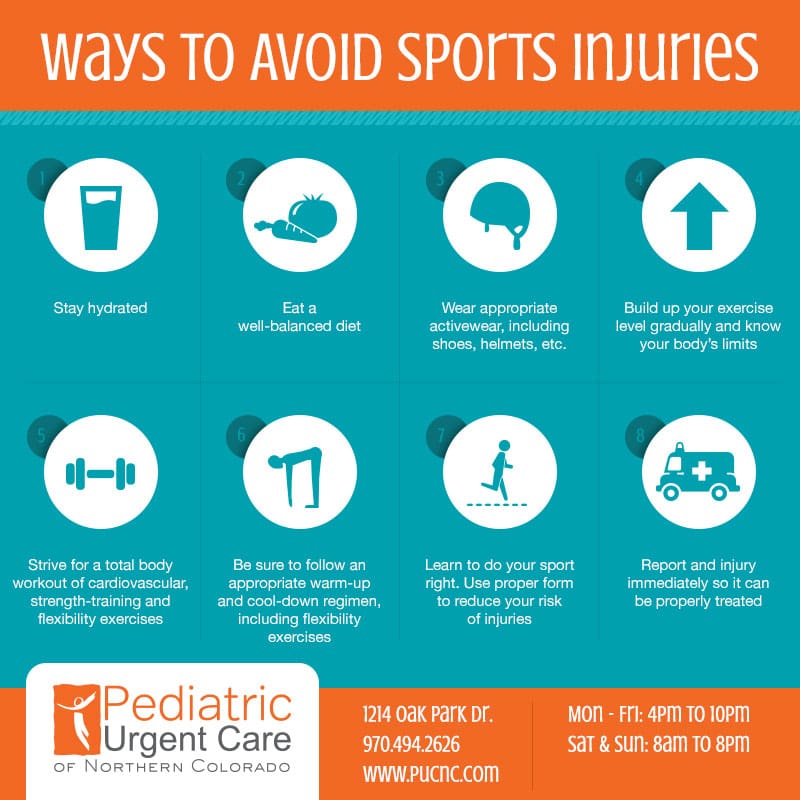
Using appropriate equipment is crucial to ensure safety and prevent injuries. When participating in sports or physical activities, it is essential to choose the right equipment based on your specific needs and sport requirements. This includes selecting the appropriate footwear, protective gear, and any other equipment necessary for your activity. For example, wearing proper running shoes with adequate support can help prevent foot or ankle injuries, while using helmets, knee pads, or shin guards can provide protection in contact sports. Research and consult with experts to determine the best equipment options for your sport.
Properly Fitting Gear
In addition to choosing the right equipment, ensuring proper fit is equally important. Ill-fitting gear can increase the risk of injuries and compromise your performance. Make sure your footwear provides proper support and fits comfortably without causing any discomfort or rubbing. Protective gear like helmets, pads, or braces should be snug but not too tight to restrict movement or circulation. Take the time to try out different sizes and styles to find what fits you best, and make any necessary adjustments or replacements as your body changes or grows.
Replacing Worn-out Equipment
Regularly inspecting and replacing worn-out or damaged equipment is essential to maintain safety and prevent injuries. Over time, equipment can wear out or become less effective, compromising its ability to provide adequate protection. For example, worn-out running shoes with worn-down treads can decrease traction and increase the risk of slips or falls. Replace any worn-out or damaged equipment promptly to ensure optimal performance and reduce the risk of accidents or injuries. It is also important to regularly check the condition of your gear, such as helmets or padding, to ensure they meet necessary safety standards.
Protective Gear
Certain sports or activities may require additional protective gear beyond the basic equipment. Depending on the nature of your sport, you may need to wear items such as mouthguards, goggles, or rib protectors. Protective gear is designed to minimize the risk of specific injuries commonly associated with a particular sport. Using appropriate protective gear can significantly reduce the likelihood of serious injuries and ensure your safety while participating in sports. Consult with coaches, trainers, or experts in your sport to determine the necessary protective gear for your activity.
Effective Training Techniques
Progression and Gradual Intensity Increase
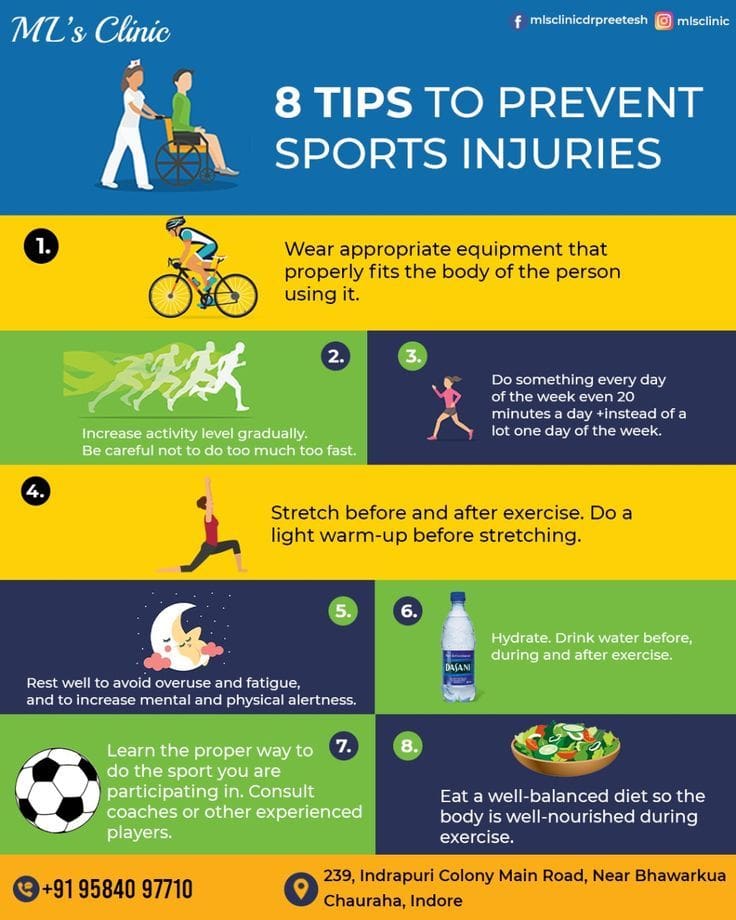
When it comes to training, proper progression and gradual intensity increase are key to preventing sports injuries. Pushing yourself too hard or too quickly can lead to overuse injuries or muscle strains. It is important to start at an appropriate level of intensity and gradually increase the difficulty and duration of your workouts over time. This allows your body to adapt and build strength and endurance while minimizing the risk of injuries. Working with a qualified coach or trainer can help you develop a training plan that incorporates progressive overload and ensures a safe and effective training regimen.
Proper Technique and Form
Using proper technique and form during training and sports activities is essential to prevent injuries. Incorrect form can place unnecessary stress on your muscles, joints, or ligaments, increasing the risk of strains or sprains. It is crucial to learn the correct techniques and practice them consistently. Seeking guidance from a coach, trainer, or qualified instructor can help you develop proper form and technique for your sport. Regular feedback and corrections can prevent bad habits and ensure that you are performing movements correctly, minimizing the risk of injuries and maximizing performance.
Cross-training and Varying Workouts
Engaging in cross-training and varying your workouts is beneficial for injury prevention and overall athletic development. Cross-training involves participating in different types of activities or sports that complement your primary sport. This helps improve overall fitness, prevent overuse injuries, and enhance muscular balance. Additionally, varying your workouts by incorporating different training modalities, such as cardiovascular exercises, strength training, and flexibility exercises, can prevent exercise plateaus and reduce the risk of repetitive stress injuries. Mixing up your training routine keeps your body challenged and reduces the likelihood of overworking specific muscle groups.
Rest and Recovery
Rest and recovery are crucial parts of an effective training program and play a significant role in injury prevention. Your body needs time to repair and adapt to the physical stress of exercise. Failing to prioritize rest and recovery can lead to fatigue, overtraining, and an increased risk of injuries. Incorporate rest days into your training schedule to allow your body to recover and avoid pushing yourself to the point of exhaustion. Additionally, prioritize quality sleep and consider incorporating techniques such as foam rolling, stretching, or massage therapy to aid in muscle recovery and prevent stiffness or tightness.
Nutrition and Hydration
Balanced Diet
Maintaining a balanced diet is essential for optimal athletic performance and injury prevention. Proper nutrition provides the energy and nutrients needed for muscle repair, optimal recovery, and overall health. Ensure your diet includes a variety of fruits, vegetables, whole grains, lean proteins, and healthy fats. Each macronutrient plays a unique role in supporting your body’s functions and promoting recovery. Adequate intake of vitamins and minerals is important for bone health and immune function. It is beneficial to consult with a registered dietitian or sports nutritionist to develop a personalized meal plan that meets your specific needs and goals.
Adequate Hydration
Staying hydrated is vital for both performance and injury prevention. Dehydration can lead to poor concentration, decreased coordination, fatigue, and muscle cramps. During physical activity, your body loses fluids through sweating, and it is crucial to replenish these losses to maintain proper hydration. Drink water before, during, and after exercise, and consider electrolyte-replenishing beverages if you engage in prolonged or intense activities. Pay attention to your body’s thirst cues and aim to drink enough fluids to maintain clear urine output. Hydration needs can vary depending on activity level, climate, and individual factors, so adjust accordingly.
Pre- and Post-Workout Nutrition
Fueling your body with the right nutrients before and after workouts can optimize performance and aid in recovery. Before exercising, consume a balanced meal or snack that includes carbohydrates for energy, protein for muscle repair and growth, and healthy fats for sustained energy. Experiment with different pre-workout meals to find what works best for your body and digestion. After exercising, prioritize post-workout nutrition within 30 minutes to facilitate muscle recovery and glycogen replenishment. Consuming a combination of protein and carbohydrates helps rebuild muscles and refuel energy stores. Consider options such as a protein shake, lean meat, or a balanced meal containing whole grains and vegetables.
Safety Measures
Well-maintained Playing Surface
The quality and condition of the playing surface significantly affect the risk of injuries. Whether you are playing on a field, court, or track, it is essential to ensure that the surface is well-maintained. Inspect the playing area for any hazards, such as uneven or slippery surfaces, holes, or objects that can cause trips or falls. Report any issues to the appropriate authorities to address them promptly. Regular maintenance, including proper leveling, repairs, and ensuring adequate traction, can minimize the risk of accidents and injuries while participating in sports or physical activities.
Proper Lighting
Proper lighting is crucial for activities that take place during low-light conditions or at night. Inadequate lighting can impair vision, making it difficult to perceive obstacles or hazards. Insufficient lighting also increases the risk of collisions or accidents, especially in high-speed or contact sports. Ensure that the playing area or facility has adequate lighting to provide clear visibility for all participants. This includes well-lit fields, tracks, courts, or indoor facilities. If participating in outdoor activities, carry a reliable light source for visibility and wear reflective gear or clothing to enhance visibility for others.
Weather Conditions Consideration
Weather conditions can greatly impact the safety of sports and physical activities. Extreme heat, high humidity, cold temperatures, or inclement weather can increase the risk of heat stroke, hypothermia, dehydration, or injuries. It is important to consider weather conditions and take appropriate precautions to ensure safety. Stay hydrated in hot weather and take regular breaks in shaded or cool areas. In colder temperatures, dress in layers to stay warm and consider wearing proper protective gear to prevent frostbite or other cold-related injuries. Monitor weather forecasts and be prepared to modify or postpone activities if necessary.
Supervision and Coaching
Proper supervision and coaching are essential for preventing sports injuries, especially in younger athletes or individuals new to a sport. Having knowledgeable coaches or trainers present during practices and games can help identify and correct poor technique, provide guidance on safe training methods, and implement appropriate safety measures. Coaches should be trained in injury prevention strategies and be equipped to recognize and respond to potential injuries promptly. Encourage open communication between athletes, coaches, and parents to ensure a safe and supportive environment for sports participation.
Proper Precautions
Avoid Overexertion
Pushing yourself beyond your physical limits can lead to overexertion and increase the risk of injuries. It is important to listen to your body and avoid overtraining or engaging in activities that are too intense or prolonged for your current fitness level. Gradually increase the duration, intensity, or frequency of your workouts while allowing for adequate rest and recovery. Pay attention to signs of fatigue, excessive soreness, or decreased performance and adjust your training accordingly. Incorporate rest days, active recovery, and lighter training periods to prevent overexertion and allow your body to adapt and recover.
Listen to Your Body
Your body is an excellent indicator of your physical limitations and needs. Listening to your body and understanding its signals is crucial for injury prevention. Pay attention to any pain, discomfort, or unusual sensations during physical activity. Ignoring these warning signs can lead to more serious injuries. When something feels off, modify or pause your activities and consult a healthcare professional if necessary. It is important to distinguish between normal muscle soreness and potentially harmful pain. By respecting your body’s limits and taking appropriate action, you can prevent further injuries and promote long-term well-being.
Know Your Limitations
Understanding your own limitations is essential for injury prevention. Each individual has unique abilities, strengths, and weaknesses. It is important to be realistic about your capabilities and avoid attempting activities or movements beyond your skill level. This applies to both beginners and advanced athletes. Pushing yourself too hard or trying to keep up with others can lead to technique errors and increase the risk of injuries. Gradually progress and challenge yourself within your comfort zone to minimize the chances of accidents or overuse injuries. Celebrate small victories and focus on your personal growth and improvement.
Avoid Playing Through Pain
Pain is your body’s way of communicating that something is wrong. Ignoring pain and continuing to participate in sports or physical activities can exacerbate injuries and prolong recovery time. It is crucial to recognize the difference between discomfort from challenging workouts and pain that indicates an injury. If you experience persistent or severe pain, stop the activity immediately and seek medical attention if needed. Continuing to play through pain not only hinders your performance but can lead to further damage and potentially long-term consequences. Protect your long-term well-being by prioritizing your health and seeking appropriate treatment when necessary.
Injury Prevention Programs
Sports-specific Warm-up Routines
Sports-specific warm-up routines are tailored exercises designed to prepare the body for the specific demands of a particular sport. These routines typically include dynamic stretching, sport-specific movements, and drills that mimic the movements required during the activity. By performing a targeted warm-up, you activate the muscles you will be using and improve blood flow to those areas. This helps to increase flexibility, boost performance, and reduce the risk of muscle strains or tears. Incorporate sports-specific warm-up routines into your training regimen to ensure that your body is adequately prepared for the demands of your sport.
Strengthening Weak Areas
Identifying and addressing weak areas in your body is crucial for injury prevention. Imbalances or weaknesses in certain muscle groups can lead to compensatory movements and increase the risk of injuries. Working on strengthening weak areas can improve overall muscle balance, stability, and joint alignment. It is beneficial to consult with a trainer, physical therapist, or sports medical professional to assess your specific strengths and weaknesses. They can guide you in developing a targeted strength training program that addresses your individual needs and helps prevent imbalances or overuse injuries.
Incorporating Injury Prevention Exercises
Injury prevention exercises target vulnerable areas and help strengthen supporting muscles, ligaments, and tendons. These exercises focus on enhancing stability, improving flexibility, and promoting proper biomechanics. Some common injury prevention exercises include core strengthening exercises, balance exercises, and exercises that target weak or injury-prone joints. Incorporating injury prevention exercises into your training routine can reduce the risk of common injuries associated with your sport. It is important to consult with a professional to ensure you are performing the exercises correctly and to tailor them to your specific needs and sport.
Regular Check-ups and Evaluations
Regular check-ups and evaluations, including physical examinations and assessments by healthcare professionals, are essential for injury prevention. These evaluations can identify any existing injuries, assess your physical fitness, and detect any potential risk factors or imbalances. Routine check-ups also provide an opportunity to discuss any concerns or issues related to your sports participation. Regular assessments can help track progress, monitor any changes in your physical condition, and ensure that you are engaging in sports and activities safely. Keep your healthcare provider informed of any new symptoms or changes in your health to prevent potential complications.
Educating Athletes and Coaches
Proper Technique Instruction
Proper technique instruction is crucial for athletes and coaches to prevent injuries and maximize performance. Coaches should provide clear and detailed instructions on correct body mechanics, movement patterns, starting positions, and equipment usage. Athletes must understand and implement these techniques to minimize the risk of accidents or injuries during practices or games. Regular technique assessments and feedback from coaches can help athletes continually refine their skills and ensure safe performance. Participating in sports-specific clinics, workshops, or training programs can also enhance technique instruction and provide athletes with additional resources to optimize performance while minimizing injury risks.
Injury Recognition and Reporting
Educating athletes and coaches about injury recognition and reporting is vital for prompt and proper management of injuries. Athletes should be aware of common signs and symptoms of injuries, such as pain, swelling, limited range of motion, or weakness. Coaches should encourage athletes to report any signs of injuries immediately, even if they appear minor. This allows for timely intervention, appropriate rest, modification of activities, and prompt medical care if needed. Athletes must understand that early detection and timely treatment can prevent further damage and facilitate a faster and more complete recovery.
Sportsmanship and Fair Play
Promoting sportsmanship and fair play is an integral part of injury prevention. Encouraging a culture of respect, camaraderie, and fair competition fosters a safe and supportive environment for athletes. Sportsmanship includes demonstrating good sports conduct, adhering to rules and regulations, and accepting decisions made by referees or officials. Respecting opponents, teammates, and oneself promotes fair play and helps prevent unnecessary aggression or reckless behaviors that can lead to injuries. Coaches, parents, and organizations play a crucial role in promoting and reinforcing positive values, emphasizing the importance of safety and ensuring a positive experience for all participants.
Proactive Injury Prevention Strategies
Athletes and coaches should adopt proactive injury prevention strategies to minimize the risks associated with sports participation. This includes regularly reviewing and updating safety protocols, implementing appropriate warm-up and cool-down routines, providing proper equipment, and creating a supportive and inclusive environment. Training staff should be well-versed in injury prevention techniques and should consistently educate athletes on safe practices. Organizations can develop injury prevention programs and policies that prioritize the well-being of athletes and ensure a proactive approach to safety. By prioritizing injury prevention, athletes and coaches can mitigate risks and enhance the overall safety and enjoyment of sports.
Rest and Recovery
Adequate Sleep
Ensuring adequate sleep is crucial for optimal performance, injury prevention, and overall health. During sleep, essential processes such as muscle recovery, tissue repair, and hormone regulation occur. Lack of sleep can impair cognitive function, decrease reaction time, and compromise immune function. Aim for 7-9 hours of quality sleep per night, and establish a consistent sleep schedule to optimize recovery. Create a sleep-friendly environment by minimizing distractions, using blackout curtains, and keeping electronic devices away to promote better sleep quality. Prioritizing sleep enhances your body’s natural ability to repair and recover, reducing the risk of injuries and maximizing athletic potential.
Active Rest Days
Active rest days are an essential component of rest and recovery. While it may seem counterintuitive, incorporating light physical activity on rest days can promote blood flow, facilitate muscle recovery, and prevent stiffness. Engage in low-impact activities such as walking, swimming, or gentle stretching to keep your body active without putting excessive stress on your muscles and joints. Active rest days also provide an opportunity to focus on mobility exercises, foam rolling, or other recovery modalities to maintain flexibility and address any tightness or imbalances. Listen to your body and adjust the intensity and duration of your active rest days accordingly.
Periodization Training
Periodization training involves dividing your training into specific cycles or phases to optimize performance and minimize the risk of overuse injuries. These cycles typically include base training, strength and power development, and peak performance phases. By strategically varying the intensity, volume, and training focus throughout each cycle, you can prevent plateaus and provide adequate recovery periods. Periodization training allows for progressive overload and adaptation while minimizing the risk of overtraining or burnout. Working with a qualified coach or trainer can help you develop a periodized training plan that aligns with your goals and ensures optimal performance and injury prevention.
Rehabilitation and Therapy
If you do experience an injury, proper rehabilitation and therapy are crucial to ensure a safe and complete recovery. Seeking professional care from a qualified physical therapist or sports medicine specialist can help you regain strength, range of motion, and function while minimizing the risk of reinjury. Rehabilitation programs are tailored to your specific injury and individual factors, including sport requirements and goals. Incorporating appropriate exercises, manual therapy, and targeted treatments can expedite healing, restore function, and prevent future complications. Adhering to your rehabilitation plan and seeking guidance from healthcare professionals are important steps in the recovery process and the prevention of recurrent injuries.
Psychological Preparation
Mental Toughness Training
Psychological preparation is a vital aspect of injury prevention. Mental toughness training focuses on developing resilience, concentration, and coping strategies to overcome challenges and setbacks. Through techniques such as visualization, positive self-talk, and goal-setting, athletes can strengthen their mental fortitude and improve their performance while reducing the risk of injuries. Mental toughness training helps athletes maintain focus, handle pressure, and bounce back from setbacks, contributing to a more confident and resilient mindset. Engaging in activities such as mindfulness, meditation, or working with a sports psychologist can enhance mental toughness and support injury prevention efforts.
Goal Setting
Setting realistic and achievable goals is an effective strategy for injury prevention. Goals provide direction, motivation, and structure to your training and performance. By setting both short-term and long-term goals that align with your abilities and aspirations, you can maintain focus, sustain motivation, and avoid unnecessary risks. It is important to set goals that are specific, measurable, attainable, relevant, and time-bound (SMART). Break down larger goals into smaller milestones to track progress and celebrate achievements along the way. Regularly review and adjust your goals to ensure they continue to challenge you without compromising safety or well-being.
Stress Management
Stress management is crucial for injury prevention as elevated stress levels can negatively impact physical performance and increase the risk of injuries. Chronic stress can lead to muscle tension, decreased concentration, impaired decision-making, and reduced immune function, making athletes more susceptible to injuries. Developing effective stress management strategies, such as deep breathing exercises, mindfulness, or engaging in stress-relieving activities, can help mitigate the negative effects of stress. Incorporating relaxation techniques into your daily routine can support mental and physical well-being, enhance recovery, and reduce the risk of injuries.
Visualization and Positive Thinking
Visualization and positive thinking are powerful tools for injury prevention. Mental imagery allows athletes to mentally rehearse specific movements, techniques, or scenarios, promoting confidence, focus, and improved performance. By vividly imagining successful outcomes, athletes can enhance their skills and reduce anxiety related to performance. Positive thinking involves cultivating an optimistic mindset and reframing negative thoughts or self-doubt into positive affirmations. This mindset shift can boost confidence, resilience, and overall well-being, creating a more conducive environment for injury prevention. Emphasize positive self-talk and visualization techniques to build mental strength and promote a positive outlook on sports participation.