
Today, more and more people are turning to herbal medicine as a natural and holistic approach to maintain their overall well-being. This article explores the significant role that herbal medicine plays in promoting holistic health. From relieving common ailments to supporting the body’s natural healing processes, herbal remedies have stood the test of time and continue to gain recognition for their potential benefits. Discover how incorporating herbal medicine into your lifestyle can enhance your physical, mental, and emotional health, allowing you to achieve a state of balance and vitality.
Understanding Herbal Medicine
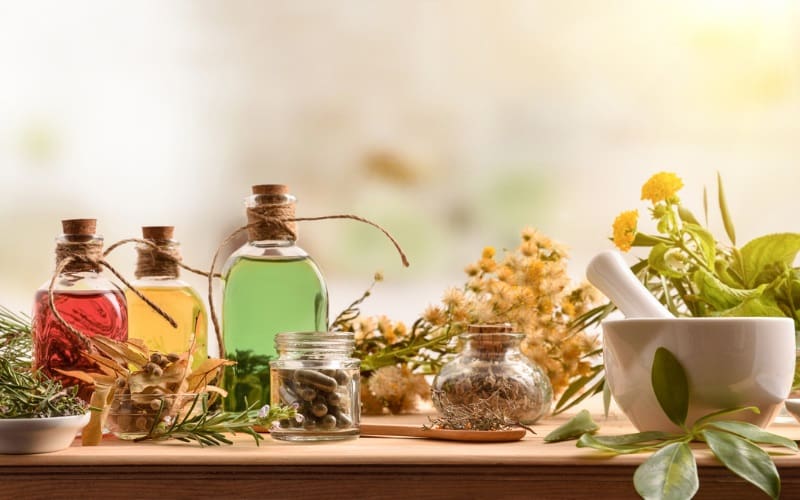
Herbal medicine, also known as herbalism or phytotherapy, refers to the use of plants and plant extracts for therapeutic purposes. It is a traditional medicinal practice that has been used for centuries in various cultures around the world. Unlike conventional medicine, which primarily relies on synthetic drugs, herbal medicine relies on the healing properties of plants to promote health and well-being.
Historical Background
The use of herbal medicine dates back to ancient times, with evidence of herbal remedies found in the archaeological records of ancient civilizations. In ancient Egypt, for example, herbal medicine was an integral part of their medical system. The Ebers Papyrus, an ancient Egyptian medical document dating back to 1500 BCE, contains more than 800 herbal remedies for various ailments.
Similarly, ancient civilizations such as the Greeks, Romans, and Chinese developed their own systems of herbal medicine, which were passed down through generations. These historical practices laid the foundation for the modern understanding and use of herbal medicine.
Types of Herbal Medicine
Herbal medicine encompasses various approaches and types of treatment. Some of the most common types include:
-
Western Herbal Medicine: This is the use of plant-based medicine in Western cultures, often incorporating knowledge from traditional European herbalism.
-
Traditional Chinese Medicine (TCM): TCM is a holistic approach to healing that uses a combination of herbal medicine, acupuncture, and other therapies.
-
Ayurveda: Originating from India, Ayurveda is a traditional system of medicine that emphasizes balance in all aspects of life and utilizes herbal remedies as part of its treatments.
-
Indigenous Herbal Medicine: Many indigenous cultures have their own traditional herbal medicine practices, passed down through generations and deeply rooted in their cultural beliefs and practices.
Traditional Uses of Herbal Medicine
Ancient civilizations recognized the healing power of plants and developed extensive knowledge of herbal remedies. They used herbs to treat a wide range of ailments, from digestive issues to skin diseases and beyond. These traditional uses of herbal medicine were often based on empirical knowledge, observation, and trial and error.
Folklore and traditional practices also played a significant role in the use of herbal medicine. Passed down through generations, these practices involved rituals, prayers, and specific methods of preparation and administration of herbal remedies. Herbal medicine became deeply intertwined with cultural beliefs and traditions, reflecting the understanding that physical health is interconnected with mental, emotional, and spiritual well-being.
Indigenous cultures around the world have also long relied on herbal medicine for their healing needs. The intimate connection between nature and their communities has allowed these cultures to develop a profound understanding of the healing properties of local plants. They often possess intricate knowledge of specific plants and their application in treating various ailments and maintaining overall health.

Fundamentals of Holistic Health
Holistic health is a philosophy that recognizes the interconnectedness of the mind, body, and spirit in achieving overall well-being. It emphasizes not only the absence of disease or symptoms but also the promotion of balance, harmony, and vitality in all aspects of life.
The key principles of holistic health include:
-
Treating the Whole Person: Holistic health seeks to address the root causes of health issues instead of merely alleviating symptoms. It recognizes that physical symptoms can be manifestations of underlying imbalances in other aspects of life.
-
Individualized Treatment: Each person is unique, and their healthcare should reflect that. Holistic health practitioners take into account a person’s lifestyle, emotional well-being, and spiritual beliefs when developing a treatment plan.
-
Prevention and Maintenance: Holistic health places great emphasis on preventive measures and maintaining overall health. It encourages adopting healthy habits, such as regular exercise, a balanced diet, stress management, and self-care practices.
Mind-Body-Spirit Connection
The mind-body-spirit connection is a fundamental concept in holistic health. It recognizes that our mental, emotional, and spiritual states profoundly impact our physical health.
Herbal medicine, in its holistic approach, acknowledges this connection and utilizes plants to support the well-being of the whole person. Certain herbs are known for their calming and uplifting properties, helping to balance emotions and promote mental well-being. By addressing the underlying emotional and spiritual aspects of health, herbal medicine aims to restore harmony and balance to the mind, body, and spirit.

Herbs and Their Healing Properties
A wide variety of herbs possess medicinal properties that can support health and healing. From common kitchen herbs to exotic botanicals, each herb contains a unique blend of bioactive compounds that contribute to its therapeutic effects.
Common medicinal herbs include:
-
Chamomile: Known for its calming properties, chamomile is often used to promote relaxation, ease digestion, and soothe skin irritations.
-
Echinacea: This herb is commonly used to support the immune system and aid in the prevention and treatment of colds and respiratory infections.
-
Ginger: With its anti-inflammatory and digestive properties, ginger is frequently used to relieve nausea, soothe the stomach, and reduce inflammation.
-
Lavender: Lavender is renowned for its calming aroma and is often used to promote relaxation, improve sleep quality, and alleviate anxiety and stress.
Specific herbs have been extensively studied for their healing properties. For example, St. John’s Wort has been found to be effective in treating mild to moderate depression. Turmeric, with its potent anti-inflammatory properties, has shown promise in managing chronic inflammatory conditions such as arthritis.
Herbal Remedies for Common Ailments
Herbal medicine offers a natural and holistic approach to address common ailments. Here are a few examples of herbal remedies for specific health issues:
-
Digestive Issues: Peppermint, fennel, and ginger are commonly used herbs to alleviate indigestion, bloating, and stomach discomfort.
-
Insomnia: Valerian root and passionflower have sedative effects and can promote relaxation, making them useful for those struggling with sleep disturbances.
-
Cold and Flu: Echinacea, elderberry, and garlic are renowned for their immune-boosting properties and can help reduce the severity and duration of viral infections.
-
Skin Conditions: Calendula, aloe vera, and tea tree oil possess anti-inflammatory and antimicrobial properties, making them effective in treating various skin conditions like eczema, acne, and minor wounds.

Harmony and Balance in Holistic Health
In holistic health, balance and harmony are key principles. When imbalances occur in the body, it can lead to the development of illness or disequilibrium. Herbal medicine plays a vital role in restoring balance by addressing these imbalances and promoting overall well-being.
Certain herbs are specifically known for their ability to restore balance in different systems of the body. For example, adaptogenic herbs like ashwagandha and rhodiola help the body adapt to stress and bring it back to a state of equilibrium. By incorporating these herbs into one’s routine, individuals can support their body’s ability to recover and maintain optimal health.
Herbal preparations for emotional well-being are also widely used in holistic health practices. Herbs like lemon balm and passionflower can help calm the mind, reduce anxiety, and promote a sense of relaxation and inner peace.
Herbal Remedies for Stress Management
Stress has become a common condition in our busy modern lives, and managing it effectively is crucial for maintaining overall well-being. Herbal medicine offers numerous remedies to support the body’s stress response and aid in stress management.
One well-known herb for stress management is chamomile. Its calming properties help soothe the nervous system and promote relaxation. Lemon balm is another popular herb that can help reduce stress and support a balanced mood. Additionally, adaptogenic herbs like ashwagandha and holy basil have been shown to reduce the negative effects of stress on the body by supporting the adrenal glands and fostering resilience.
Herbal remedies for stress management can be incorporated into daily routines, such as brewing herbal teas or taking herbal supplements. Alongside healthy lifestyle practices like regular exercise, sufficient sleep, and mindfulness techniques, these herbal remedies can aid in maintaining balance and managing stress effectively.

Herbalism and Traditional Medicine Systems
Herbal medicine has long been an integral part of traditional healing systems around the world. These systems, such as Ayurveda and Traditional Chinese Medicine (TCM), incorporate the use of herbs in their treatments to restore and maintain health.
Ayurveda, originating from India, emphasizes the use of herbs to balance the body’s three doshas (Vata, Pitta, and Kapha). It recognizes that imbalances in these doshas can lead to ill health and seeks to restore harmony through personalized herbal treatments.
TCM, on the other hand, utilizes a wide range of herbs to restore balance in the body’s energy (Qi), Yin and Yang. Herbal formulas in TCM are often prescribed based on an individual’s specific constitution and health condition, aiming to address the underlying imbalances and restore vitality.
Integration of herbal medicine in these traditional healing systems allows for a holistic approach to health and provides individuals with a diverse range of options in their healthcare journey.
Safety and Precautions in Herbal Medicine
While herbal medicine can be beneficial, it is essential to approach it with caution and awareness. Like any form of medicine, herbs can have potential side effects and interactions with other medications. It is crucial to understand these potential risks and take necessary precautions when using herbal remedies.
Some herbs may cause allergic reactions or have adverse effects on certain individuals. It is advisable to consult with a qualified healthcare professional or herbalist before using any herbal product, especially if you have a pre-existing medical condition, are pregnant or breastfeeding, or are taking prescription medications.
Additionally, it is important to source herbal products from reputable manufacturers and ensure they meet quality and safety standards. This can help minimize the risk of contamination or the presence of harmful substances.
Herbal Medicine as Complementary Therapy
Herbal medicine can complement conventional medical treatments and enhance overall well-being. When used in conjunction with conventional treatments, herbal remedies can support the body’s healing process and provide additional relief from symptoms.
For example, individuals undergoing chemotherapy for cancer treatment may find herbal remedies helpful in managing side effects such as nausea, fatigue, and weakened immune function. Certain herbs, such as ginger and turmeric, have been found to alleviate these side effects and improve quality of life during treatment.
It is important to communicate openly with healthcare professionals about any herbal remedies or supplements being used to ensure safe and effective integration with conventional treatments.
Research and Evidence in Herbal Medicine
Scientific research plays a crucial role in establishing the efficacy and safety of herbal remedies. Over the years, numerous studies have been conducted to explore the therapeutic potential of herbal medicine.
Scientific studies have shown promising results in various areas, such as the anti-inflammatory properties of turmeric, the immune-boosting effects of Echinacea, and the antidepressant effects of St. John’s Wort. However, it is important to note that the quality and methodology of herbal medicine research can vary, and more rigorous studies are needed to establish definitive evidence.
Reporting standards and quality of research in the field of herbal medicine are continually evolving. Organizations such as the World Health Organization (WHO) and regulatory agencies in various countries have established guidelines and standards to ensure the quality and safety of herbal products.
Challenges in herbal medicine research include the complexity of herbal formulations, individual variations in response, and the need for standardized protocols. Overcoming these challenges will contribute to a deeper understanding of herbal medicine and its potential role in healthcare.
Seeking Professional Guidance
When considering herbal medicine as part of your healthcare journey, it is advisable to consult with a qualified herbal practitioner, such as a herbalist or naturopath. These professionals have extensive knowledge of herbal remedies and their applications and can provide individualized guidance tailored to your specific health needs.
Professional herbalists take into account your unique constitution, medical history, and current health condition when developing a treatment plan. They can suggest appropriate herbal remedies, ensure safe integration with any conventional treatments you may be undergoing, and monitor your progress.
Finding a reputable herbalist or naturopath can be done through recommendations from healthcare providers or trusted sources. It is important to research the qualifications and credentials of herbal practitioners to ensure they meet the necessary standards of practice.
In conclusion, herbal medicine plays a significant role in holistic health by utilizing the healing properties of plants to address imbalances and promote well-being. Understanding the historical background, traditional uses, and various types of herbal medicine provides a foundation for integrating herbal remedies into a holistic treatment plan. With the guidance of qualified practitioners and a focus on safety, herbal medicine can be a valuable tool for enhancing overall health and vitality.