
Aromatherapy is a practice that has been around for centuries, harnessing the power of scents to promote overall well-being. From relaxation to mental clarity, essential oils have proven to be a powerful tool in the world of holistic health and wellness. In this article, you will discover how aromatherapy can improve your mood, reduce stress, and enhance your overall sense of balance and harmony. With its wide range of benefits, aromatherapy is not just a luxurious indulgence, but a valuable addition to your self-care routine. So, grab a cup of tea, sit back, and explore the transformative power of aromatherapy in holistic health and wellness.
What is Aromatherapy?
Aromatherapy is a holistic healing practice that uses natural plant extracts, known as essential oils, to promote physical, mental, and emotional well-being. These essential oils are derived from various parts of plants, such as flowers, leaves, stems, and roots. Aromatherapy has its roots in ancient civilizations, including Egypt, China, and India, where it was used for both medicinal and spiritual purposes. Today, aromatherapy has gained popularity as a complementary therapy to traditional medicine, offering a natural and relaxing approach to wellness.
How it works
Aromatherapy works by harnessing the power of scent to stimulate the olfactory system, which is connected to the brain and nervous system. When we inhale the aroma of essential oils, the scent molecules travel through the nose and interact with the limbic system, which is responsible for emotions, memories, and mood regulation. This interaction can trigger various physiological responses, such as the release of neurotransmitters and hormones, which can have a profound impact on our physical and mental well-being.
Benefits of aromatherapy
Aromatherapy offers a wide range of benefits for both physical and mental health. One of the main advantages is its ability to promote relaxation and reduce stress and anxiety. The calming scents of essential oils can help activate the body’s relaxation response, leading to a sense of calm and tranquility. Aromatherapy can also enhance mood, improve sleep quality, boost concentration and focus, provide pain relief, support the immune system, improve respiratory health, and even aid in skincare and digestion. With its holistic approach, aromatherapy can bring balance and harmony to the body, mind, and spirit.
Common essential oils used
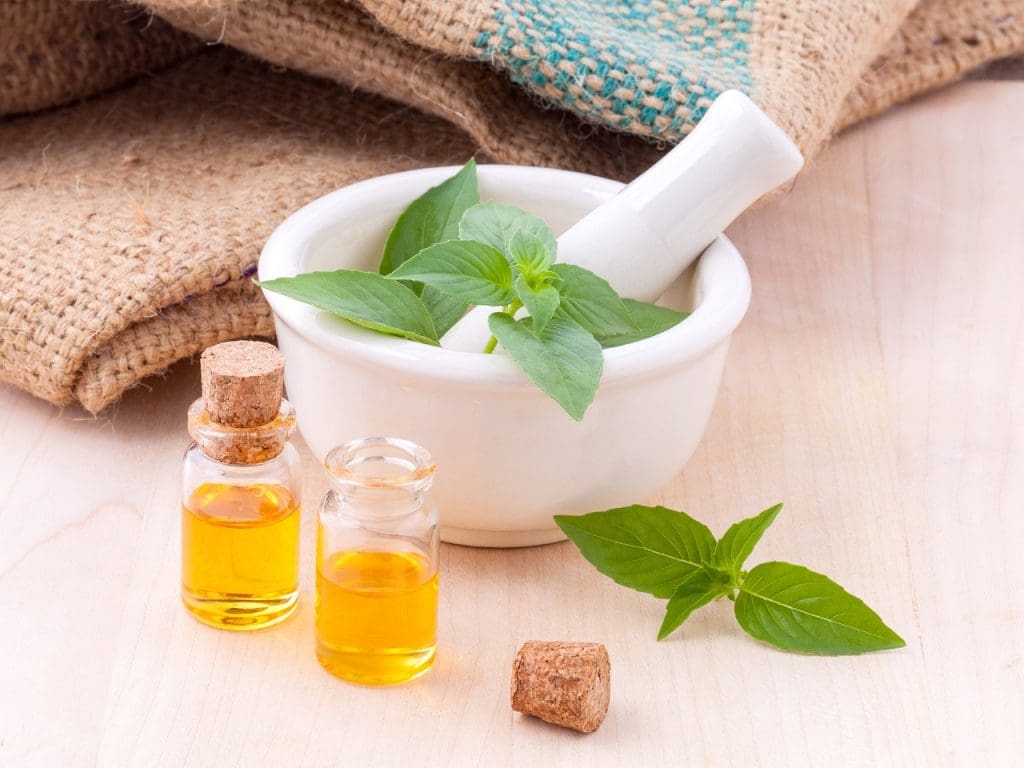
There are numerous essential oils used in aromatherapy, each with its own unique properties and benefits. Some of the most commonly used essential oils include lavender, known for its calming and soothing effects; eucalyptus, which can help with respiratory issues; peppermint, known for its pain-relieving properties; tea tree oil, which has antibacterial and antifungal properties; and chamomile, known for its relaxing and sleep-inducing qualities. Other popular essential oils include rosemary, lemon, orange, bergamot, ylang-ylang, and clary sage. Each essential oil has its own distinct aroma and therapeutic properties, making them versatile tools in aromatherapy practices.
Aromatherapy Techniques and Practices
Inhalation
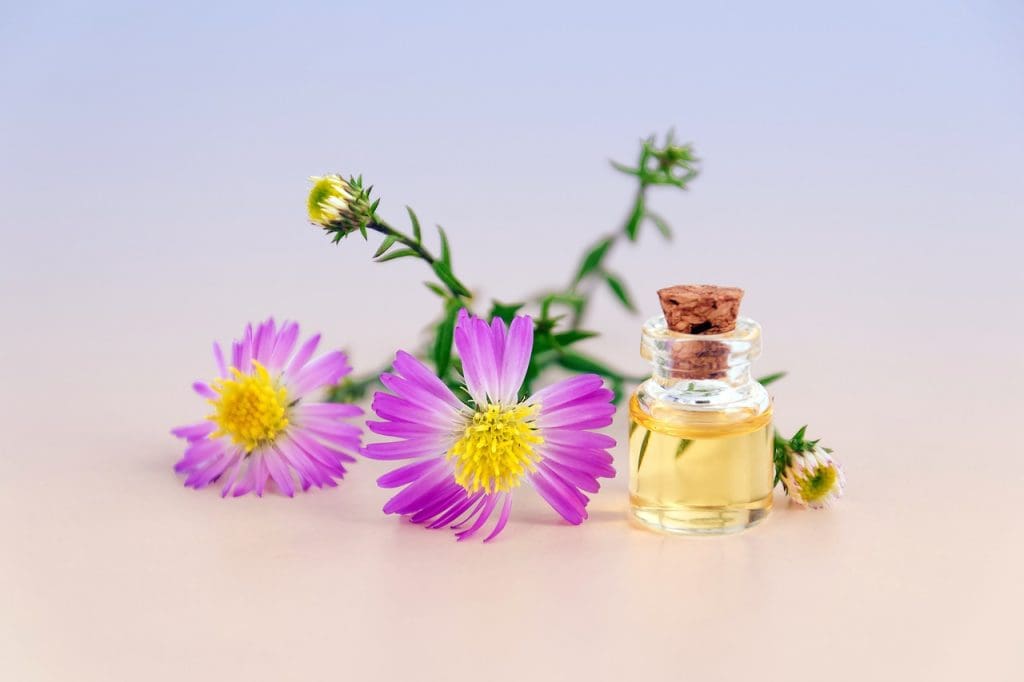
Inhalation is one of the most common and effective ways to experience the benefits of aromatherapy. There are several methods for inhalation, including direct inhalation, where you breathe in the scent directly from the bottle, and indirect inhalation, where the essential oil is dispersed into the air using a diffuser or a steam inhalation method. Inhaling essential oils can have immediate effects on mood and emotions, as well as provide respiratory benefits.
Topical application
Topical application involves applying diluted essential oils directly to the skin. To ensure safe use, it is important to dilute essential oils with a carrier oil, such as jojoba oil or almond oil, as some essential oils can cause skin irritation when used undiluted. Topical application is commonly used for massage therapy, as the essential oils can be absorbed through the skin and provide localized benefits. This method is also used for skincare purposes, as essential oils can help with various skin issues.
Diffusion
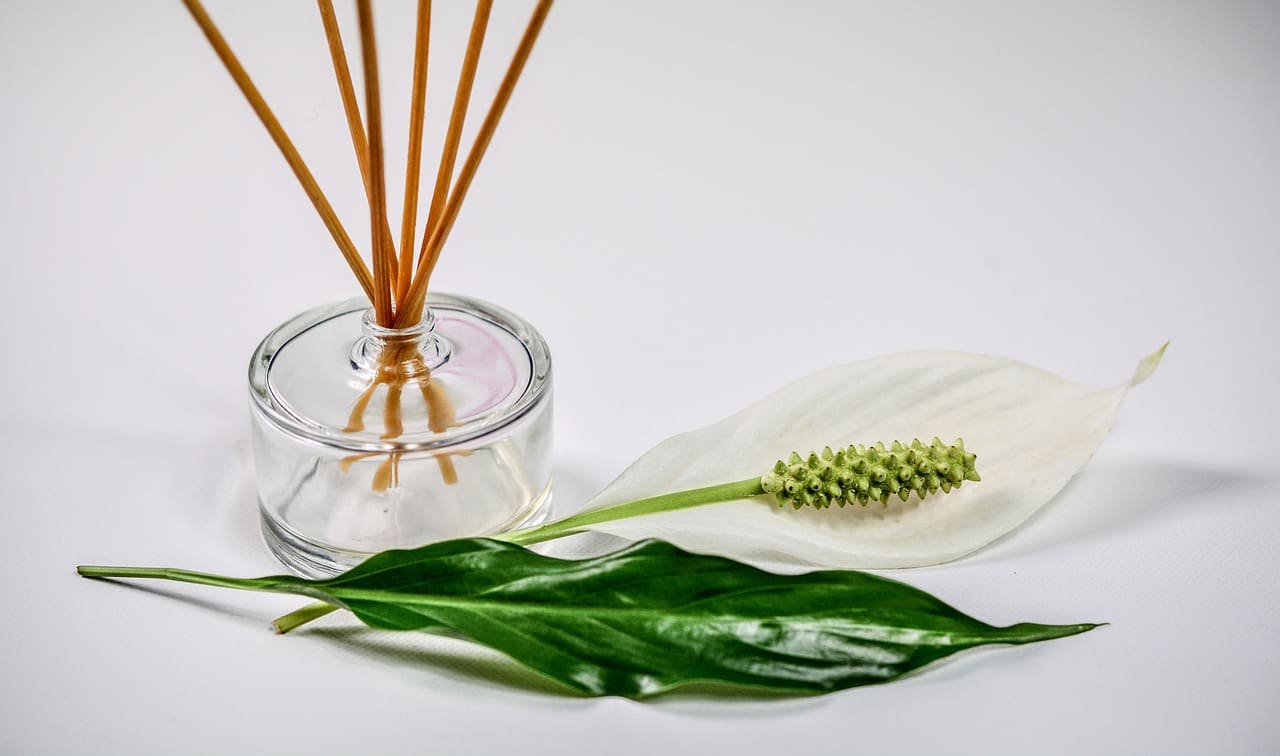
Diffusion is a popular method of using essential oils in aromatherapy. A diffuser is a device that disperses essential oils into the air, creating a fine mist. The diffused essential oils can be inhaled, offering respiratory and emotional benefits. Diffusion is widely used at home, in offices, and in wellness centers to create a pleasant and relaxing atmosphere. Different types of diffusers are available, including ultrasonic diffusers, nebulizing diffusers, and heat-based diffusers.
Massage therapy
Massage therapy combined with aromatherapy is a powerful technique for holistic well-being. During an aromatherapy massage, diluted essential oils are applied to the body through gentle massage strokes. The combination of touch and scent provides a deeply relaxing experience, while the essential oils penetrate the skin and offer their therapeutic benefits. Aromatherapy massage can help relieve muscle tension, reduce stress, improve circulation, and promote a sense of overall well-being.
Aromatherapy for Mental and Emotional Wellbeing
Aromatherapy has been widely recognized for its positive effects on mental and emotional well-being. The use of essential oils can provide relief from stress and anxiety, promoting a state of calm and relaxation. Scents like lavender, chamomile, and bergamot are known for their soothing and calming properties, helping to reduce feelings of tension and promote a peaceful mindset. Aromatherapy can also enhance mood, with scents like citrus oils, peppermint, and rosemary known for their uplifting and energizing effects. Additionally, certain essential oils, such as lavender and vetiver, can improve sleep quality by promoting relaxation and reducing insomnia symptoms. Finally, aromatherapy can aid in concentration and focus, with scents like lemon and peppermint enhancing cognitive function and mental clarity.
Aromatherapy for Physical Health
In addition to its mental and emotional benefits, aromatherapy can also support physical health and wellness. Essential oils such as peppermint and lavender have analgesic properties that can help manage pain and discomfort. By applying these oils topically or using them in massage therapy, individuals can experience relief from headaches, muscle aches, and other bodily discomforts. Furthermore, aromatherapy can support the immune system, helping to fight off infections and enhance overall well-being. Essential oils like tea tree, eucalyptus, and lemon have antimicrobial properties that can help protect against pathogens and provide respiratory support. Moreover, aromatherapy can improve respiratory health by clearing congestion and reducing symptoms of respiratory conditions such as bronchitis or asthma. Finally, aromatherapy has been found to be effective in providing relief from headaches and migraines, with oils like peppermint and lavender helping to reduce pain and soothe tension.
Aromatherapy for Skin and Hair Care
Essential oils are widely used in skincare and hair care products due to their natural and beneficial properties. Aromatherapy can help with anti-aging by stimulating collagen production, reducing the appearance of wrinkles and fine lines. Essential oils like frankincense, rose geranium, and neroli are known for their rejuvenating and skin-toning effects. Aromatherapy can also be effective in treating acne, as certain essential oils have antimicrobial and anti-inflammatory properties that can help reduce breakouts and soothe irritated skin. Tea tree, lavender, and geranium oils are commonly used for acne treatment. Additionally, essential oils can support hair growth and maintain scalp health. Oils like rosemary, cedarwood, and lavender can stimulate hair follicles, promote hair growth, and help balance scalp conditions such as dandruff or dryness.
Aromatherapy for Digestive Health
Aromatherapy can have a positive impact on digestive health and offer relief from various digestive issues. Essential oils like peppermint and ginger have been traditionally used to alleviate symptoms of indigestion, bloating, and nausea. These oils can be applied topically to the abdomen or diffused for inhalation. Aromatherapy can also help with appetite control, with scents like grapefruit and peppermint known to reduce cravings and support healthy eating habits. Moreover, essential oils like lemon, fennel, or juniper berry can assist in supporting detoxification processes within the body, aiding in the efficient elimination of waste and toxins.
Aromatherapy in Spa and Wellness Centers
Aromatherapy is widely used in spa and wellness centers due to its relaxing and therapeutic effects. The benefits of aromatherapy in spa treatments are numerous, enhancing the overall spa experience and promoting holistic well-being. Aromatherapy is often incorporated into massages, facials, and body treatments, with essential oils tailored to individual needs and preferences. The scents of essential oils can create a serene and soothing environment, helping to relieve stress and induce deep relaxation. Some popular aromatherapy spa services include aromatherapy massages, aromatherapy facials, and aromatherapy baths. These treatments not only provide physical relaxation but also promote mental and emotional rejuvenation.
Creating a relaxing aromatherapy environment
To create a relaxing aromatherapy environment at home or in any space, there are several methods you can utilize. Diffusing essential oils with a high-quality diffuser is an easy and effective way to enjoy the scents and benefits of aromatherapy. You can also create a calming atmosphere by adding a few drops of essential oil to a warm bath or using essential oils in a massage oil or lotion. Additionally, incorporating aromatherapy into your yoga or meditation practice can help enhance the overall experience by promoting relaxation, focus, and mental clarity. By using essential oils like lavender or frankincense during these practices, you can create a tranquil and rejuvenating environment that supports your well-being.
Aromatherapy Safety and Precautions
While aromatherapy is generally considered safe, it is essential to take proper precautions to ensure its safe and effective use. Proper dilution and usage guidelines should be followed when using essential oils topically or inhaled. Each essential oil has different recommended dilution ratios, and it is important to note that some oils may be irritating or sensitizing to the skin if not properly diluted. It is also crucial to be aware of any allergies or sensitivities you may have, as certain essential oils may trigger adverse reactions. If you have any underlying health conditions or are on medication, it is recommended to consult a professional before using aromatherapy. A qualified aromatherapist or healthcare provider can provide guidance and ensure that aromatherapy is suitable and beneficial for your individual needs.
Incorporating Aromatherapy into Daily Life
Aromatherapy can be easily incorporated into your daily life to enhance well-being and create a more balanced and harmonious environment. You can create a home spa experience by using essential oils in your baths, showers, and skincare routines. The scents of essential oils can uplift your mood, promote relaxation, and turn your daily self-care rituals into a sensory delight. Essential oils can also be used for household cleaning, as they possess antimicrobial properties that can help purify the air and surfaces. By avoiding harsh chemicals and using essential oils, you can create a clean and refreshing home environment. Finally, incorporating aromatherapy into your yoga and meditation practices can deepen your connection to these mindful activities. The scents of essential oils can help induce a state of relaxation and focus, enhancing the benefits of these practices.
Conclusion
Aromatherapy is gaining popularity as a versatile and natural approach to holistic health and wellness. With its wide range of benefits for both the body and mind, aromatherapy offers a gentle and effective way to support overall well-being. Whether used for stress relief, pain management, or skincare, the power of scents in aromatherapy can have a profound influence on our physical, mental, and emotional states. By harnessing the therapeutic properties of essential oils and incorporating aromatherapy into our daily lives and wellness practices, we can create a harmonious and balanced lifestyle that nurtures our holistic wellness.