
As you age, maintaining balance becomes increasingly important to prevent falls and injuries. In this article, we will explore some of the best practices for reducing the risk of falls and maintaining balance in older age. By following these simple tips and incorporating them into your daily routine, you can enjoy a safer and more confident lifestyle.
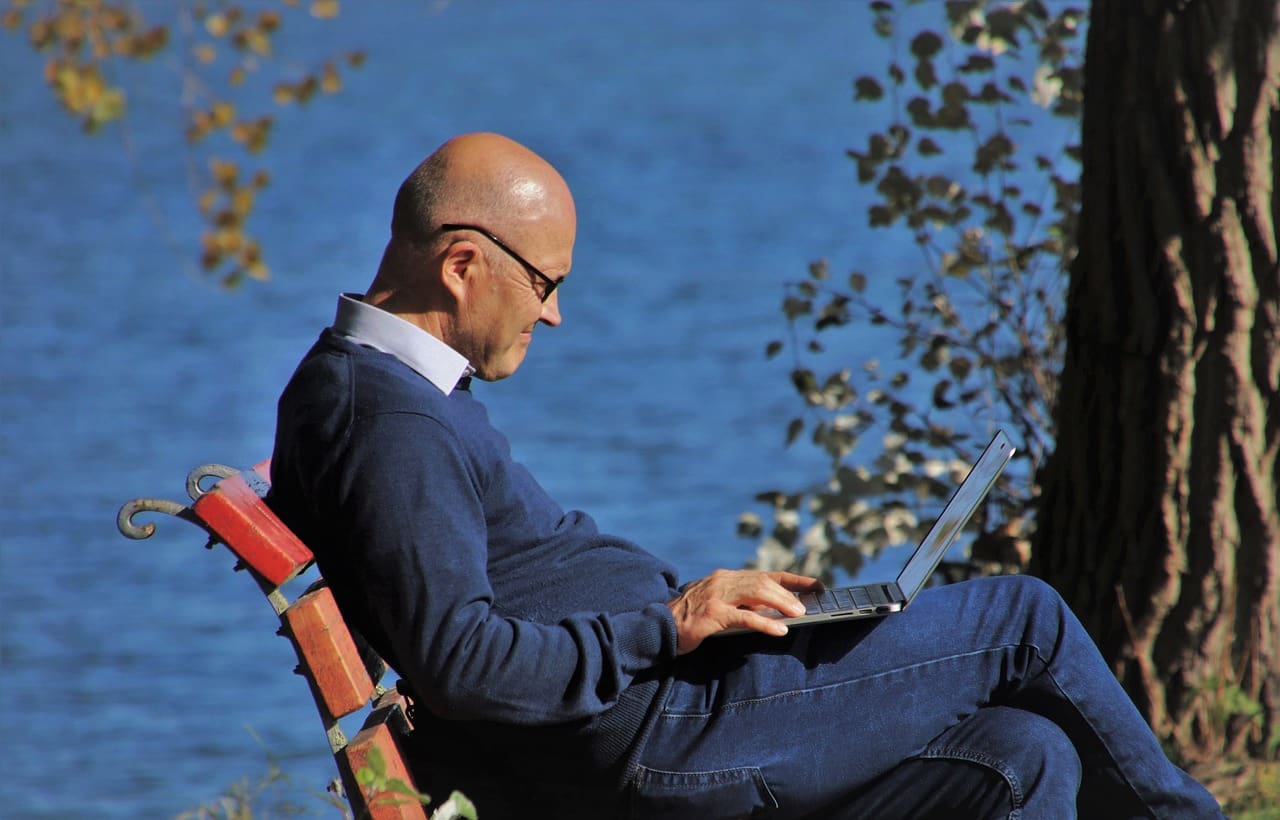
Regular Exercise
Regular exercise is essential for maintaining physical strength, balance, and flexibility as you age. It not only improves muscle tone and bone strength, but also helps to prevent falls and injuries. There are various types of exercises that are particularly beneficial for older adults.
Strength training
Strength training exercises, also known as resistance exercises, are crucial for maintaining strong muscles and preventing muscle loss that comes with aging. Some examples of strength training exercises include lifting weights, using resistance bands, and practicing bodyweight exercises such as squats or push-ups. Engaging in strength training at least twice a week can greatly improve your physical strength and stability.
Balance exercises
As we age, our sense of balance naturally declines, increasing the risk of falls. Balance exercises help to improve proprioception and stability, reducing the likelihood of accidents. These exercises focus on maintaining proper body alignment and control. Some balance exercises include standing on one leg, heel-to-toe walking, and yoga. By incorporating balance exercises into your routine, you can significantly enhance your balance and reduce the risk of falls.
Flexibility exercises
Flexibility exercises are essential for maintaining a full range of motion in your joints and muscles. Regular stretching can improve flexibility, alleviate stiffness, and increase your overall mobility. Simple exercises like shoulder rolls, calf stretches, and gentle yoga poses can help to maintain and improve flexibility. Aim to incorporate flexibility exercises into your routine at least two to three times per week for optimal results.
Healthy Diet
Maintaining a healthy diet is equally important for reducing the risk of falls and maintaining balance in older age. Proper nutrition not only supports overall well-being but also aids in maintaining bone health and muscle strength.
Include calcium and vitamin D
Calcium and vitamin D are crucial for maintaining strong bones and preventing osteoporosis, a condition that weakens bones and increases the risk of fractures. Incorporate calcium-rich foods into your diet such as dairy products, green leafy vegetables, and almonds. Additionally, ensure adequate vitamin D intake through sunlight exposure or by consuming foods like fatty fish, fortified cereals, and egg yolks.
Limit sugar and processed foods
A diet high in sugar and processed foods can contribute to inflammation, chronic diseases, and weight gain, which can negatively impact balance and overall health. Opt for whole foods such as fruits, vegetables, lean proteins, and whole grains. Minimize the consumption of sugary snacks, sugary drinks, and processed foods as much as possible.
Stay hydrated
Dehydration can lead to dizziness, fatigue, and impaired cognitive function, increasing the risk of falls. Make it a priority to drink enough fluids throughout the day, even if you don’t feel thirsty. Aim for at least 8 cups of water or other hydrating beverages daily. Remember to adjust your fluid intake if you engage in physical activities or live in a warm climate.
Medication Management
Proper medication management plays a vital role in reducing the risk of falls and maintaining balance in older age. Some medications can cause side effects such as dizziness, drowsiness, or changes in blood pressure, which can increase the risk of falls. Follow these guidelines to manage your medications effectively.
Review medications with a healthcare professional
Regularly review your medications with a healthcare professional, such as a doctor or pharmacist. They can assess the potential side effects and interactions of your medications and make necessary adjustments to reduce fall risks. Be sure to include both prescription and over-the-counter medications, as well as any supplements or herbal remedies you may be taking.
Follow prescribed dosage and schedule
Always take medications as prescribed by your healthcare provider. Stick to the recommended dosage and follow the specified schedule. Avoid skipping doses or doubling up on medications unless directed by your healthcare professional. Proper adherence to medication instructions is crucial for preventing adverse reactions and maintaining your overall health.
Be aware of side effects
Educate yourself about the potential side effects of your medications. Some medications can cause dizziness, blurry vision, or changes in blood pressure, which can affect your balance and increase the risk of falls. If you experience any concerning side effects, consult your healthcare professional immediately. They can evaluate whether the benefits of the medication outweigh the risks and suggest alternative solutions if needed.
Regular Eye Exams
Maintaining good vision is essential for maintaining balance and preventing falls. Regular eye exams can help detect vision changes, update prescription glasses or contact lenses, and identify any underlying eye conditions that may affect your balance.
Get eyes checked annually
Schedule a comprehensive eye exam at least once a year, or as recommended by your eye care professional. Regular eye exams can identify changes in your vision that may require corrective measures, such as updating your glasses or contact prescriptions. Detecting and addressing vision issues promptly can significantly improve your balance and reduce the risk of falls.
Update glasses or contact prescriptions as necessary
If you wear glasses or contact lenses, ensure that your prescription is up to date. Outdated prescriptions can cause blurry vision, affecting your depth perception and balance. If you notice changes in your vision or have difficulty seeing clearly, make an appointment with your eye care professional to update your prescription.
Protect eyes from harmful UV rays
Exposure to harmful ultraviolet (UV) rays can damage your eyes and increase the risk of certain eye conditions. Protect your eyes by wearing sunglasses that provide 100% UV protection when outdoors, even on cloudy days. Additionally, consider wearing a wide-brimmed hat to further shield your eyes from direct sunlight. Taking these simple precautions can help maintain the health of your eyes and reduce fall risks.

Proper Footwear
Choosing the right footwear is crucial for maintaining balance and stability. Wearing supportive shoes with non-slip soles can greatly reduce the risk of slips or falls.
Choose supportive shoes with non-slip soles
Opt for shoes that provide proper arch support, cushioning, and a secure fit. Look for shoes with non-slip soles to improve traction and stability. Avoid shoes with high heels or narrow toe boxes, as they can increase the risk of instability and foot discomfort. When trying on shoes, walk around and ensure they feel comfortable and secure before making a purchase.
Avoid high heels and open-toed shoes
High heels and open-toed shoes are not recommended for daily activities, especially for older adults. High heels can throw off your balance and increase the risk of falls, while open-toed shoes offer little protection and can lead to foot injuries. Opt for closed-toe shoes with a low heel or flat sole for maximum comfort and stability.
Consider orthotic inserts for added stability
If you experience foot pain or instability, consider using orthotic inserts or shoe inserts recommended by a healthcare professional. These inserts can provide additional support, improve alignment, and enhance stability. Custom orthotics may be especially beneficial if you have specific foot conditions or imbalances.
Home Safety
Creating a safe living environment is essential for preventing falls and maintaining balance at home. Implement these measures to ensure a safe and hazard-free living space.
Remove tripping hazards
Identify and remove potential tripping hazards in your home. Secure loose rugs or remove them altogether, ensure cords are tucked away or properly secured, and keep pathways clear of clutter and obstacles. Pay particular attention to areas like hallways, stairs, and entrances where falls are more likely to occur.
Install grab bars in bathrooms
Install grab bars in bathrooms to provide additional support and stability. Place them near the toilet, bathtub, and shower to assist with sitting, standing, and getting in and out of the bath safely. Make sure the grab bars are properly installed and can support your weight.
Improve lighting in all areas
Adequate lighting is essential for maintaining balance and preventing falls. Replace burnt-out bulbs promptly and ensure that all areas of your home are well-lit, including stairways, hallways, and entrances. Consider using nightlights in bedrooms and hallways to provide visibility during the night.
Fall Prevention Aids
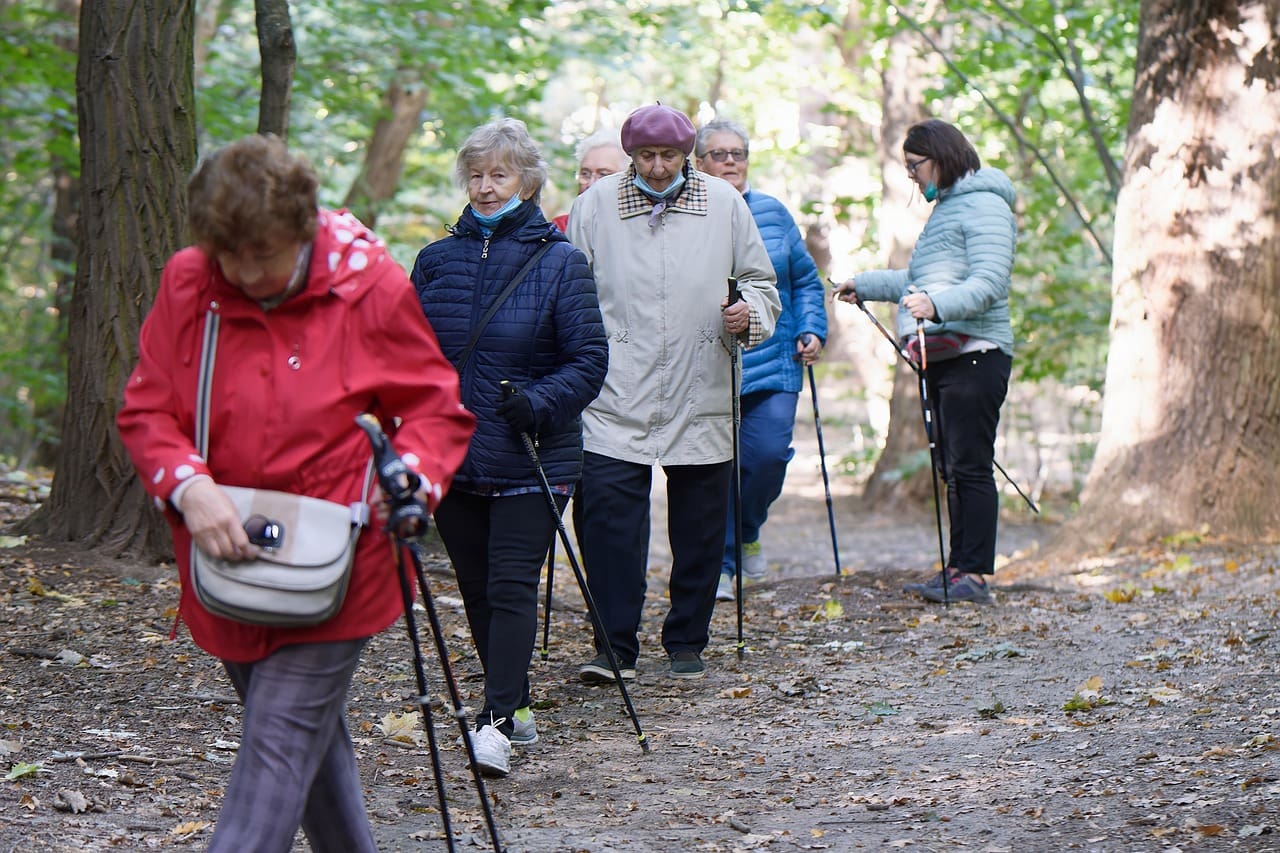
Certain assistive devices can provide additional support and stability, reducing the risk of falls. Consider using these aids to enhance your safety and balance.
Use handrails on stairs and in hallways
Take advantage of handrails when going up and down stairs or walking through hallways. Holding onto handrails provides added support and stability, reducing the risk of balance-related accidents. Ensure that handrails are securely fastened and in good condition.
Consider a walking aid such as a cane or walker
If you experience balance issues or have difficulty walking, consider using a walking aid such as a cane or walker. These aids provide stability and support while reducing the risk of falls. Consult with a healthcare professional to determine the most suitable walking aid for your specific needs.
Use non-slip mats in the shower or bathtub
Slippery surfaces in the bathroom can be particularly hazardous. Place non-slip mats in the shower or bathtub to enhance traction and reduce the risk of falls. Additionally, consider using a shower chair or bench if necessary to provide stability while bathing.
Maintain a Clutter-Free Environment
A clutter-free living space is essential for reducing fall risks and maintaining balance. Follow these tips to create a clean and organized environment.
Keep walkways clear of objects
Ensure that all walkways and paths in your home are clear of objects. Avoid leaving items such as shoes, bags, or electrical cords in walkways, as they can present tripping hazards. Regularly declutter and organize your living space to minimize potential fall risks.
Organize belongings to minimize hazards
Maintaining an organized living space can greatly reduce the risk of falls. Store frequently used items in easily accessible places and avoid overcrowding shelves or cabinets. Be mindful of not overloading drawers or placing heavy objects on high shelves where they can fall and cause accidents.
Avoid excess furniture or obstacles in living space
Excess furniture or obstacles in your living space can impede movement and increase the risk of falls. Arrange furniture in a way that allows for easy navigation, ensuring there is enough room to move around safely. Keep an eye out for potential hazards such as loose rugs, low furniture, or cords that could pose a tripping risk.
Regular Health Check-ups
Regular health check-ups are crucial for assessing your overall well-being and identifying any health conditions that may increase the risk of falls. These check-ups can help monitor blood pressure, heart health, and screen for vision and hearing problems.
Monitor blood pressure and heart health
High blood pressure and heart conditions can affect your balance and increase the risk of falls. Regularly monitor your blood pressure and visit your healthcare professional for routine check-ups to assess your heart health. Follow any prescribed treatment plans or medications to manage these conditions effectively.
Check for conditions that increase fall risk, such as osteoporosis
Certain health conditions such as osteoporosis, arthritis, or neurological disorders can increase the risk of falls. Schedule regular check-ups to monitor and manage these conditions. Follow any recommended treatments or lifestyle modifications to minimize fall risks.
Screen for vision and hearing problems
Poor vision or hearing can greatly affect your balance and increase the risk of falls. Regularly visit your eye care professional and audiologist for comprehensive exams to assess your vision and hearing abilities. Address any issues promptly to maintain optimal balance and reduce fall risks.
Stay Active and Engaged
Staying active and engaged in both physical and social activities is essential for overall well-being and balance maintenance.
Participate in social activities
Engaging in social activities can have a positive impact on mental health and overall well-being. Join clubs, organizations, or community groups that align with your interests. Socializing with others can create a sense of belonging and provide opportunities for physical activities and mental stimulation.
Engage in hobbies and interests
Maintaining hobbies and pursuing activities you enjoy can contribute to a fulfilling and active lifestyle. Find activities that interest you, such as gardening, painting, playing a musical instrument, or dancing. These hobbies not only promote physical activity but also provide mental stimulation and a sense of accomplishment.
Maintain a positive mindset
A positive mindset is crucial for maintaining balance and reducing the risk of falls. Embrace a positive attitude, practice gratitude, and focus on the things you can do rather than dwell on limitations. Surround yourself with supportive and uplifting individuals who can encourage and motivate you to stay active and engaged.
In conclusion, incorporating regular exercise, maintaining a healthy diet, managing medication effectively, scheduling regular eye exams, choosing proper footwear, ensuring a safe home environment, utilizing fall prevention aids, maintaining a clutter-free living space, attending regular health check-ups, and staying active and engaged are all essential practices for reducing the risk of falls and maintaining balance in older age. By following these best practices, you can enhance your overall well-being, promote independence, and reduce the potential for falls and injuries as you age. Remember, it is never too late to start implementing these practices, and each step taken towards maintaining balance brings you closer to a healthy and active lifestyle.