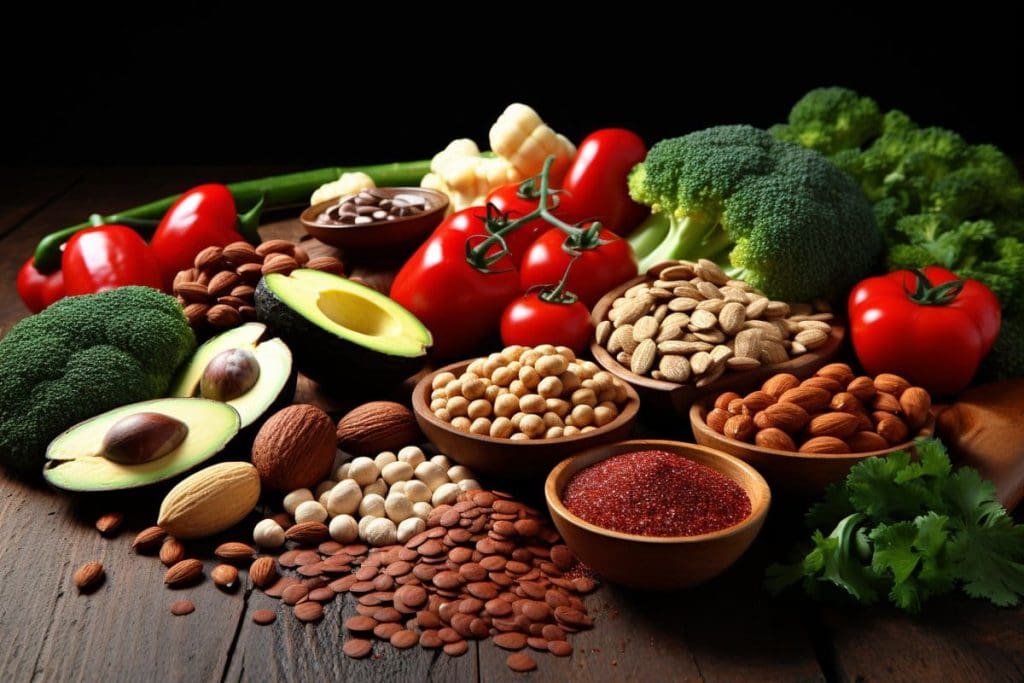
Are you looking for ways to improve your overall health and enhance the aging process? Look no further than the power of plant-based diets. In this article, we will explore the undeniable benefits of incorporating more fruits, vegetables, and whole grains into your daily meals. From boosting your immune system to reducing the risk of chronic diseases, adopting a plant-based diet can be a game-changer when it comes to healthy aging. So, without further ado, let’s delve into the captivating world of plant-based nutrition and discover how it can transform your well-being as you age gracefully.
The Benefits of Plant-Based Diets
Reduced Risk of Chronic Diseases
A plant-based diet has been shown to reduce the risk of chronic diseases. By eliminating or reducing the intake of animal products, you can lower your risk of conditions such as heart disease, stroke, and certain types of cancer. Plant-based diets are rich in antioxidants and phytochemicals, which help to fight inflammation and prevent cell damage.
Weight Management
Maintaining a healthy weight is important for overall health, and a plant-based diet can help with weight management. Plant-based foods are typically lower in calories and higher in fiber compared to animal products. The high fiber content of a plant-based diet helps to increase feelings of fullness and reduce overeating. Additionally, plant-based diets often include foods such as fruits and vegetables, which are naturally low in calories and high in nutrients.
Improved Nutrient Intake
One of the key advantages of a plant-based diet is the improved intake of essential nutrients. Fruits, vegetables, whole grains, and legumes are packed with vitamins, minerals, and phytonutrients. These nutrients are important for supporting overall health and reducing the risk of various diseases. By focusing on plant-based sources, you can increase your intake of essential nutrients such as vitamin C, vitamin E, iron, and magnesium.
Better Digestive Health
A plant-based diet can significantly improve digestive health. Plant foods are high in fiber, which promotes regular bowel movements and helps to prevent constipation. By increasing your fiber intake through a plant-based diet, you can support a healthy gut microbiome and maintain optimal digestive function. Additionally, plant-based diets often include foods with natural probiotics, such as fermented vegetables and tempeh, which can further enhance digestive health.
Key Nutrients and Components of a Plant-Based Diet
Fiber
Fiber is a crucial nutrient found in plant-based foods. It plays a crucial role in digestion, promoting regular bowel movements, and preventing constipation. Additionally, dietary fiber has been shown to lower cholesterol levels and reduce the risk of heart disease and stroke. By consuming a variety of fiber-rich foods like fruits, vegetables, whole grains, and legumes, you can easily meet your daily fiber requirements.
Plant Protein
Contrary to the misconception that only animal products contain protein, plant-based diets can provide ample amounts of protein. Plant sources such as legumes, tofu, tempeh, and quinoa are rich in protein and can easily meet your daily protein needs. Plant protein is also more sustainable and environmentally friendly compared to animal protein, making it a wise choice for both your health and the planet.
Antioxidants
Plant-based diets are rich in antioxidants, which are compounds that help protect your body against cell damage caused by free radicals. Antioxidants can lower the risk of chronic diseases such as heart disease and certain types of cancer. Colorful fruits and vegetables like berries, tomatoes, and leafy greens are especially high in antioxidants, so incorporating them into your diet is beneficial for your overall health.
Phytochemicals
Phytochemicals are naturally occurring compounds found in plant-based foods that have powerful health-promoting properties. They have been shown to have anti-inflammatory, antioxidant, and anti-cancer effects. Different plant foods contain different types of phytochemicals, so it’s essential to incorporate a variety of fruits, vegetables, whole grains, and herbs/spices into your diet to maximize the health benefits.
Healthy Fats
While it’s important to limit the intake of saturated and trans fats, it’s equally important to include healthy fats in your plant-based diet. Healthy fats, such as those found in avocados, nuts, seeds, and olive oil, provide essential fatty acids and can promote heart health. Including these sources of healthy fats in your diet can help lower cholesterol levels and reduce the risk of heart disease.
Reducing the Risk of Chronic Diseases
Cardiovascular Diseases
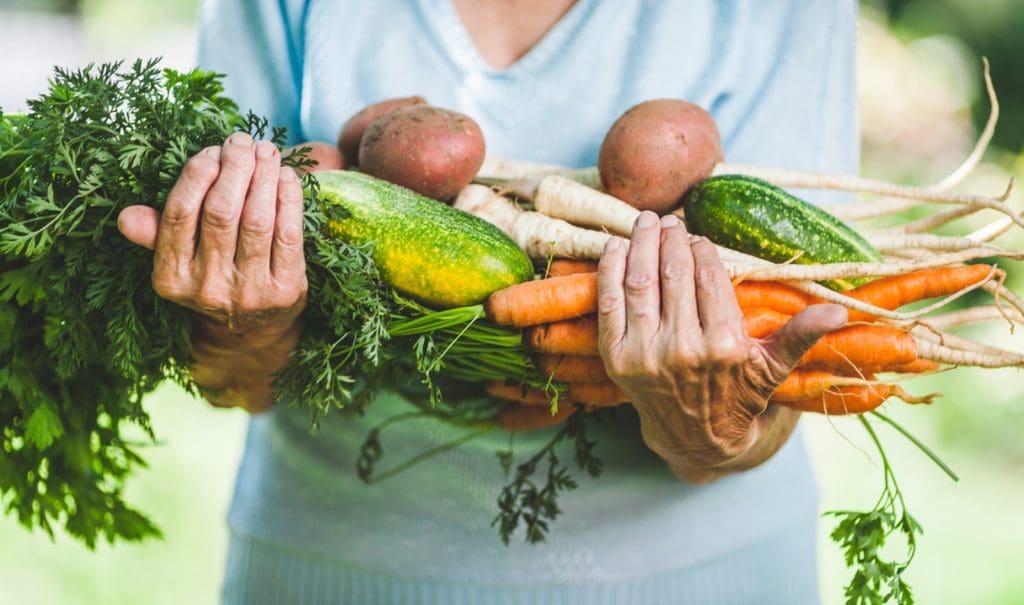
Cardiovascular diseases, including heart disease and stroke, are the leading causes of death worldwide. Plant-based diets have been shown to reduce the risk of these diseases. By avoiding or limiting the consumption of high-fat and high-cholesterol animal products, you can lower your blood pressure, improve your cholesterol levels, and reduce inflammation, all of which are risk factors for cardiovascular diseases.
Diabetes
Type 2 diabetes is a chronic condition that affects millions of people globally. Diet plays a crucial role in managing and preventing diabetes, and plant-based diets have been proven effective in this regard. By focusing on whole foods and avoiding refined carbohydrates and processed sugar, you can regulate your blood sugar levels, improve insulin resistance, and reduce the risk of developing type 2 diabetes.
Certain Cancers
Numerous studies have demonstrated that a plant-based diet can reduce the risk of certain types of cancer. Consuming a variety of fruits, vegetables, whole grains, and legumes provides your body with essential nutrients and phytochemicals that have been shown to possess anti-cancer properties. In particular, cruciferous vegetables like broccoli and kale are associated with a lower risk of certain cancers, including colon, lung, breast, and prostate cancer.
Weight Management
High Fiber Content
The high fiber content of plant-based diets is key to weight management. Fiber adds bulk to your meals, making you feel fuller for longer. This helps control your appetite, reducing the chances of overeating or snacking on unhealthy foods. By choosing fiber-rich plant foods, such as whole grains, legumes, fruits, and vegetables, you can effectively manage your weight and support a healthy metabolism.
Reduced Calorie Density
Plant-based diets tend to have a lower calorie density compared to diets that include animal products. This means you can eat more volume of plant-based foods without consuming excessive calories. Fruits and vegetables are particularly low in calories but rich in nutrients, allowing you to fill your plate without consuming excessive energy. By choosing plant-based options, you can maintain a healthy weight and enjoy a more substantial volume of food.
Satiety
One of the challenges of weight management is dealing with cravings and hunger. Plant-based diets, with their high fiber content and nutrient-dense foods, can promote satiety and reduce the desire for unhealthy snacks. By incorporating whole grains, legumes, and foods rich in healthy fats and protein, you can feel satisfied after meals and avoid overeating. This, in turn, can support healthy weight management and prevent weight-related health issues.
Improved Nutrient Intake
Vitamins
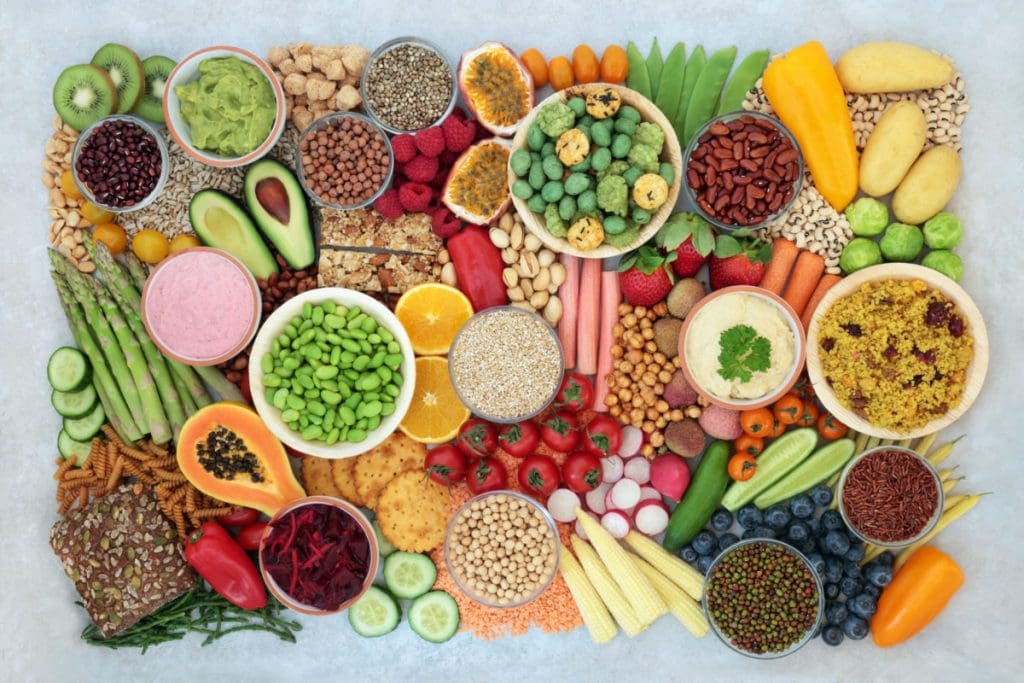
Plant-based diets provide an abundance of essential vitamins. Fruits and vegetables are rich in vitamins A, C, and E, which are crucial for maintaining healthy skin, supporting the immune system, and preventing cell damage. Additionally, plant-based sources like legumes and whole grains are excellent sources of B vitamins, including folate, which is essential for proper cell function and pregnant women to prevent birth defects. By incorporating a wide variety of plant-based foods into your diet, you can easily meet your daily vitamin requirements.
Minerals
Minerals are vital for various bodily functions and maintaining optimal health. Plant-based diets can provide a wealth of essential minerals such as iron, calcium, magnesium, and potassium. Leafy greens, legumes, nuts, and seeds are particularly good sources of these minerals. By including a diverse range of plant foods in your diet, you can ensure you’re getting an adequate supply of minerals to support proper bodily functions.
Phytonutrients
Phytonutrients are bioactive compounds found in plant-based foods that offer numerous health benefits. These compounds help protect against chronic diseases, reduce inflammation, and support overall wellness. Different plant foods contain different types of phytonutrients, so consuming a wide variety of fruits, vegetables, whole grains, and herbs/spices is key to maximizing their health benefits.
Better Digestive Health
Increased Fiber Intake
Plant-based diets are known for their high fiber content, which can significantly improve digestive health. Fiber adds bulk to the stool, promoting regular bowel movements and preventing constipation. It also acts as a prebiotic, serving as food for beneficial gut bacteria, which plays a crucial role in maintaining a healthy gut microbiome. By increasing your fiber intake through a plant-based diet, you can support optimal digestive function and reduce the risk of digestive issues.
Healthy Gut Microbiome
The gut microbiome is a community of trillions of microorganisms that reside in your digestive tract. A healthy gut microbiome is essential for digestion, nutrient absorption, and overall well-being. Plant-based diets, with their rich fiber content, promote the growth of beneficial gut bacteria, improving the diversity and health of the gut microbiome. By incorporating plant foods like fruits, vegetables, whole grains, and legumes, you can support a healthy gut and enhance your digestive health.

Plant-Based Diets and Cognitive Health
Brain-Boosting Nutrients
Certain nutrients found abundantly in plant-based diets have been shown to support cognitive health and optimize brain function. Omega-3 fatty acids, which are found in sources like walnuts, flaxseeds, and chia seeds, are known for their brain-boosting properties. Antioxidants found in fruits and vegetables also help protect against oxidative stress and cellular damage in the brain. By consuming a plant-based diet rich in these nutrients, you can support brain health and potentially reduce the risk of cognitive decline and neurodegenerative diseases.
Reduced Risk of Cognitive Decline
Cognitive decline is a common concern as we age, but adopting a plant-based diet may help reduce the risk. The high intake of fruits, vegetables, whole grains, and healthy fats found in plant-based diets has been associated with a lower risk of cognitive decline and age-related diseases such as Alzheimer’s. These foods provide essential nutrients that support brain health and protect against oxidative stress and inflammation, which can contribute to cognitive decline.
Supporting Bone Health
Calcium
Calcium is an essential mineral for maintaining strong and healthy bones. While dairy products are often touted as the best source of calcium, plant-based diets can provide ample amounts of this mineral as well. Calcium-rich plant foods include leafy greens like kale, broccoli, and bok choy, as well as plant-based milk alternatives fortified with calcium. By incorporating these foods into your diet, you can support optimal bone health without relying solely on animal products.
Vitamin D
Vitamin D is crucial for calcium absorption and bone health. While our bodies can produce vitamin D when exposed to sunlight, it can also be obtained from plant-based sources such as fortified non-dairy milk, mushrooms, and certain types of algae. Additionally, vitamin D supplements can be used to ensure adequate intake, especially for individuals who have limited sun exposure. By incorporating vitamin D-rich plant foods and supplements into your diet, you can support strong and healthy bones.
Phytoestrogens
Phytoestrogens are a type of plant compound that can mimic the activity of estrogen in the body. They have been shown to support bone health, especially in postmenopausal women who are at an increased risk of osteoporosis. Soy products, such as tofu and tempeh, are the most concentrated sources of phytoestrogens. By including these foods in your plant-based diet, you can potentially reduce the risk of bone loss and support bone health as you age.
Plant-Based Diets for Healthy Aging
Lower Inflammation
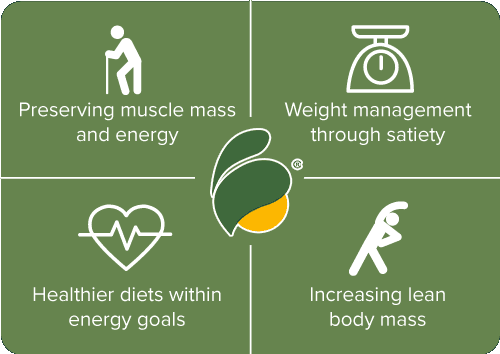
Chronic inflammation is a key driver of many age-related diseases, including heart disease, arthritis, and Alzheimer’s. Plant-based diets, with their high intake of anti-inflammatory foods like fruits, vegetables, whole grains, and healthy fats, can help lower systemic inflammation and promote overall health. By adopting a plant-based eating pattern, you can potentially reduce the risk of age-related inflammation and its associated diseases.
Reduced Oxidative Stress
Oxidative stress is caused by an imbalance between free radicals and antioxidants in the body and can lead to cellular damage and aging. Plant-based diets, rich in antioxidants from fruits, vegetables, and other plant foods, can help neutralize free radicals and reduce oxidative stress. By consuming an abundance of plant-based antioxidants, you can support healthy aging and reduce the risk of age-related diseases.
Improved Cellular Health
The health of our cells is vital for overall well-being and healthy aging. Plant-based diets, with their nutrient-dense foods and high antioxidant content, support cellular health. The vitamins, minerals, and phytonutrients found in plant-based foods help protect our cells and promote optimal function. By nourishing your cells with a plant-based diet, you can support healthy aging at the cellular level.
Practical Tips for Incorporating More Plants into Your Diet
Gradual Transition
Transitioning to a plant-based diet doesn’t have to happen overnight. Start by incorporating more plant-based meals into your routine and gradually reduce your intake of animal products. Experiment with new recipes, explore different cuisines, and find plant-based alternatives for your favorite dishes. This gradual approach can make the transition easier and more enjoyable.
Variety of Fruits and Vegetables
To ensure you’re receiving a wide array of nutrients, aim to incorporate a variety of fruits and vegetables into your diet. Different colors represent different phytonutrients and antioxidants, so strive for a rainbow of produce in your meals. Experiment with seasonal fruits and vegetables, and try out new recipes that showcase plant-based ingredients.
Whole Grains and Legumes
Make whole grains and legumes a staple in your plant-based diet. Foods like brown rice, quinoa, lentils, and beans provide essential nutrients, fiber, and plant protein. Experiment with different grains and legumes in your meals, such as chickpeas in salads or black beans in tacos. These versatile ingredients can add flavor, texture, and nutritional value to your plant-based dishes.
Plant-Based Protein Sources
Ensure you’re getting sufficient protein by incorporating plant-based protein sources into your meals. Legumes like beans, lentils, and chickpeas, as well as tofu, tempeh, and edamame, are excellent sources of plant protein. Nuts, seeds, and whole grains also contribute to your protein intake. Be creative with plant-based protein and explore different recipes that highlight their flavors, textures, and nutritional benefits.
Incorporating more plant-based foods into your diet can bring numerous benefits to your overall health and well-being. By reducing the risk of chronic diseases, supporting weight management, improving nutrient intake, and enhancing digestive health, plant-based diets offer a holistic approach to healthy living. Moreover, the key nutrients and components found in plant-based diets, such as fiber, plant protein, antioxidants, phytochemicals, and healthy fats, support various aspects of health, including cognitive health, bone health, and healthy aging. With the practical tips provided, you can easily incorporate more plants into your diet and enjoy the benefits of a plant-based lifestyle.