
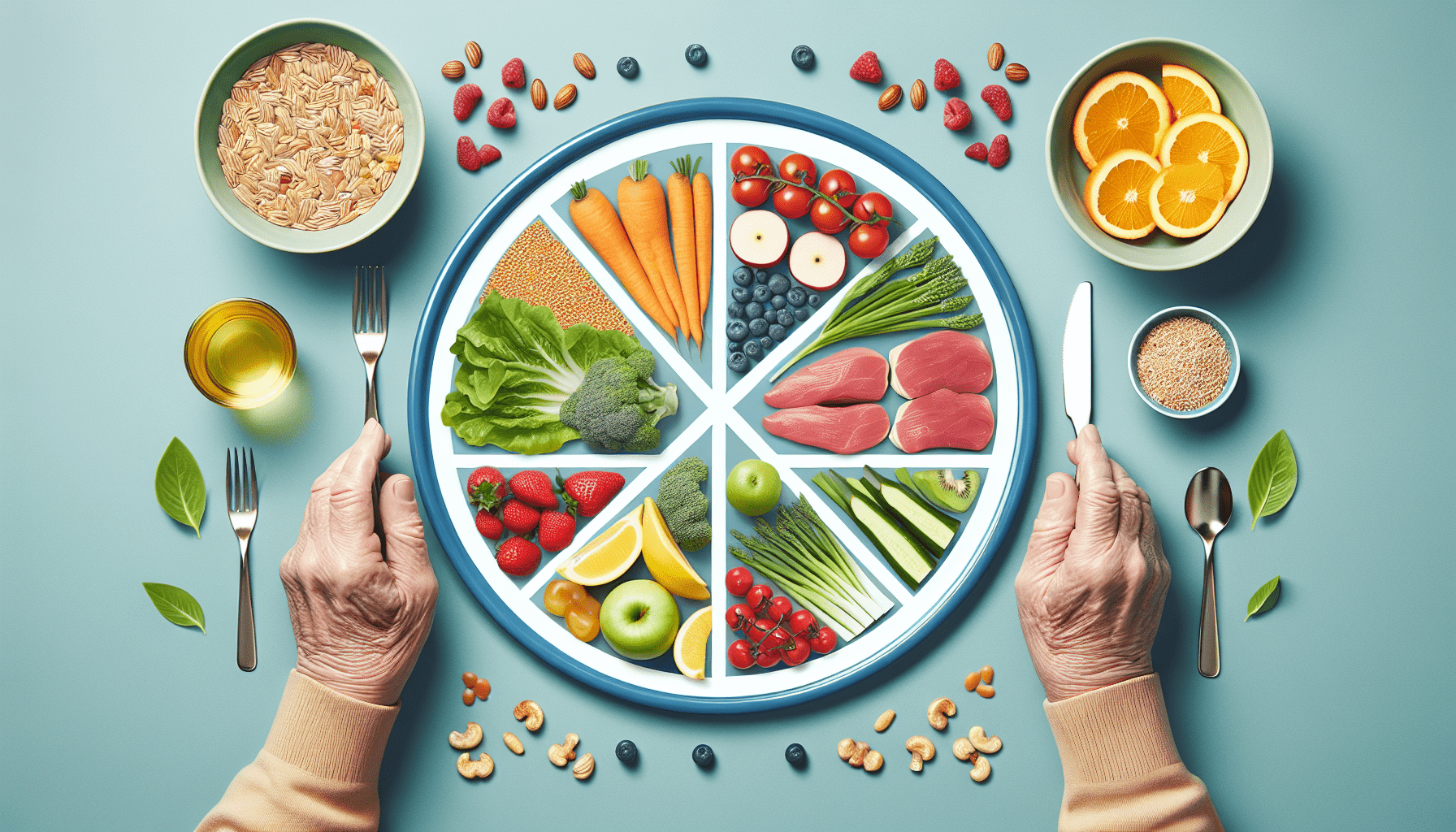
In this comprehensive guide, you will discover a multitude of valuable tips and strategies for maintaining a healthy diet and effective meal planning as you navigate through the golden years of adulthood. From understanding the unique nutritional needs of older adults to practical ways of incorporating balanced meals into your daily routine, this article offers a wealth of knowledge to help you live a vibrant and fulfilling life. With a friendly tone and a second-person point of view, this guide is here to support and empower you on your journey towards optimal health and well-being. So, let’s embark on this informative adventure together!
Understanding the Nutritional Needs of Older Adults
As we age, our nutritional needs change, and it becomes increasingly important to maintain a balanced diet. A balanced diet ensures that you are getting all the essential nutrients your body needs to function optimally. This is especially important for older adults, as proper nutrition plays a vital role in healthy aging.
The Importance of a Balanced Diet
A balanced diet is crucial for older adults to maintain good health and prevent the onset of chronic diseases. It provides the necessary vitamins, minerals, and nutrients that support bodily functions and help ward off illnesses. A well-balanced diet consists of a variety of foods from different food groups, including fruits, vegetables, whole grains, lean proteins, and healthy fats.
Recommended Daily Nutrient Intake for Older Adults
Older adults have specific nutrient requirements to meet their changing needs. The following are the recommended daily nutrient intake for older adults:
- Protein: 46-56 grams per day for men, 46 grams per day for women.
- Fiber: 25 grams per day for women, 30 grams per day for men.
- Calcium: 1200 mg per day for men and women over 50.
- Vitamin D: 600-800 IU per day.
- Vitamin B12: 2.4 mcg per day.
- Omega-3 fatty acids: 1.6 grams per day for men, 1.1 grams per day for women.
Key Nutrients for Aging Well
Certain nutrients are particularly important for older adults to promote healthy aging. These include:
- Calcium: Essential for maintaining strong bones and preventing osteoporosis.
- Vitamin D: Helps the body absorb calcium and supports bone health.
- Vitamin B12: Important for maintaining nerve function and preventing anemia.
- Omega-3 fatty acids: Support brain health and reduce the risk of heart disease.
- Antioxidants: Found in fruits and vegetables, they protect cells from damage and promote overall well-being.
Health Considerations for Older Adults
Older adults may have specific health conditions that require dietary considerations. Understanding the implications of these conditions and making appropriate dietary changes can help manage and improve their overall health.
Common Health Conditions and Their Dietary Implications
Conditions such as diabetes, hypertension, and heart disease require specific dietary modifications. For example, those with diabetes need to monitor their carbohydrate intake and manage blood sugar levels. Similarly, individuals with hypertension may need to reduce their sodium intake to maintain healthy blood pressure.
Medication Interactions and Diet
It’s important to be aware of how medications can interact with certain foods and affect nutrient absorption. Some medications may require avoiding certain foods or altering the timing of meals to ensure their effectiveness. Consult with your healthcare professional or pharmacist for guidance on any potential interactions.
Dental Health and Appetite
Oral health plays a significant role in maintaining a healthy appetite and proper nutrition in older adults. Dental issues such as tooth loss, gum disease, or poorly fitting dentures can make it challenging to chew and digest certain foods. Ensuring proper dental care and addressing any dental problems promptly can help maintain appetite and overall nutritional intake.
Building a Healthy Meal Plan
Creating a healthy meal plan is essential for meeting your nutritional needs as an older adult. It involves determining your caloric needs, practicing portion control, and incorporating variety and color into your meals.
Determining Caloric Needs
As we age, our metabolism tends to slow down, leading to a decrease in caloric needs. It’s important to determine your individual caloric needs based on factors such as age, sex, activity level, and overall health. Consulting a registered dietitian can help you determine the appropriate caloric intake for your specific needs.
Portion Control and Balance
Maintaining portion control is crucial to avoid overeating and manage weight. Using smaller plates, measuring serving sizes, and being mindful of portion sizes can help ensure that you are not consuming excessive amounts of food. Balancing your meals with a variety of nutrient-dense foods from different food groups ensures you are getting a well-rounded diet.
Incorporating Variety and Color
Incorporating a variety of foods into your meals not only makes them more interesting but also ensures that you are getting a wide range of essential nutrients. Different fruits and vegetables provide different vitamins, minerals, and antioxidants, so aim for a colorful plate. Experiment with new recipes and try different types of food to keep your meals exciting and nutritious.
The Power of Protein
Protein is a vital nutrient for older adults as it plays a crucial role in maintaining muscle mass, promoting wound healing, and supporting overall health.
Why Protein is Important for Older Adults
As we age, our bodies naturally lose muscle mass, a condition known as sarcopenia. Consuming adequate amounts of protein can help slow down the progression of sarcopenia and maintain muscle strength. Protein also aids in the repair and healing of tissues, supports the immune system, and helps regulate hormones and enzymes.
Best Sources of Protein for Older Adults
Good sources of protein for older adults include lean meats, poultry, fish, eggs, dairy products, legumes, and tofu. It is important to choose high-quality protein sources that are low in saturated fat and cholesterol. Incorporating a variety of protein-rich foods into your diet ensures that you are getting all the essential amino acids.
Protein Requirements for Aging Muscles
Older adults may have higher protein requirements to support muscle health. Aim for 25-30 grams of protein per meal, and distribute the protein intake evenly throughout the day. This ensures that your muscles are continuously supplied with the necessary amino acids for repair and maintenance.
Carbohydrates and Fiber for Energy and Digestive Health
Carbohydrates are an essential source of energy, fiber promotes digestive health, and both play important roles in the well-being of older adults.
Choosing the Right Carbohydrates
Not all carbohydrates are created equal. Opt for complex carbohydrates found in whole grains, fruits, vegetables, and legumes, as they provide sustained energy and important nutrients. Avoid or limit refined carbohydrates such as white bread, sugary snacks, and sweetened beverages, as they contribute to weight gain and can lead to chronic diseases.
Benefits of Fiber for Older Adults
Fiber is essential for maintaining regular bowel movements, preventing constipation, and promoting digestive health. It also helps manage cholesterol levels and control blood sugar levels. High fiber intake has been linked to a reduced risk of developing heart disease, stroke, and certain types of cancer.
High-Fiber Food Options
To increase your fiber intake, include foods such as whole grain cereals, whole wheat bread, brown rice, oats, fruits, vegetables, legumes, and nuts in your diet. Aim for at least 25 grams of fiber per day for women and 30 grams for men.
Healthy Fats for Brain and Heart Health
Including healthy fats in your diet is essential for brain health, heart health, and overall well-being.
Understanding Good and Bad Fats
Not all fats are created equal. Opt for healthy fats found in sources such as avocados, nuts, seeds, olive oil, and fatty fish like salmon. These fats, known as monounsaturated and polyunsaturated fats, can help reduce the risk of heart disease and support brain function. Avoid or limit saturated and trans fats found in fried foods, fatty meats, full-fat dairy products, and commercially baked goods, as they can increase the risk of heart disease and other health issues.
Omega-3 Fatty Acids and Cognitive Function
Omega-3 fatty acids, a type of polyunsaturated fat, are particularly beneficial for brain health and cognitive function. They have been linked to a reduced risk of cognitive decline and may help improve memory and attention in older adults. Incorporate sources of omega-3 fatty acids such as fatty fish, flaxseeds, chia seeds, and walnuts into your diet.
Sources of Healthy Fats
Include sources of healthy fats in your diet by using olive oil in cooking, adding avocado or a handful of nuts to your salads, and incorporating fatty fish into your meals. These healthy fats not only provide essential nutrients but also add flavor and satiety to your meals.
Vitamins and Minerals for Optimal Health
Vitamins and minerals are essential for various bodily functions and overall health. Older adults may have increased needs for certain vitamins and minerals.
Essential Vitamins for Older Adults
Vitamin D, B12, and calcium are particularly important for older adults. Vitamin D, obtained through sun exposure and food sources or supplements, is important for bone health and the prevention of falls. Vitamin B12, found in animal products and fortified foods, is crucial for nerve function. Calcium, obtained from dairy products, leafy greens, and fortified foods, is essential for bone health and preventing osteoporosis.
Minerals and Their Functions
Other important minerals for older adults include potassium, magnesium, and iron. Potassium supports heart health and is found in fruits, vegetables, and legumes. Magnesium aids in muscle and nerve function, and good sources include whole grains, nuts, and leafy greens. Iron is necessary for the production of red blood cells and can be found in lean meats, beans, and fortified cereals.
Supplementation Considerations
While it’s best to obtain nutrients from food sources, some older adults may require supplements to meet their nutritional needs. Talk to your healthcare provider about any specific nutrient deficiencies you may have and whether supplementation is necessary. Always choose high-quality supplements and follow the recommended dosage guidelines.
Hydration and its Importance
Staying hydrated is crucial for overall health and well-being, especially as we age.
Age-Related Changes in Hydration Needs
As we get older, our sense of thirst may decrease, and the body may become less efficient at regulating fluid balance. This puts older adults at a higher risk of dehydration. Proper hydration is essential for maintaining body temperature, cushioning joints, transporting nutrients, and removing waste from the body.
Tips for Staying Hydrated
To stay adequately hydrated, it is recommended to drink at least 8 cups (64 ounces) of fluids per day. This can include water, herbal tea, diluted fruit juices, and low-fat milk. Avoid excessive caffeine and alcohol consumption, as they can have a diuretic effect and lead to further dehydration. Additionally, listen to your body’s cues and drink fluids throughout the day, even if you don’t feel thirsty.
Fluid-Rich Food Options
In addition to drinking fluids, many foods have high water content and can contribute to your overall hydration. Some examples of fluid-rich foods include cucumbers, watermelon, strawberries, soups, yogurt, and smoothies. Including these foods in your diet can help keep you hydrated throughout the day.
Meal Planning Strategies for Older Adults
Planning your meals can help ensure that you are meeting your nutritional needs and eating a healthy, balanced diet.
Preparation and Batch Cooking
Taking the time to plan and prepare meals in advance can save time and effort throughout the week. Consider batch cooking by making larger portions and freezing individual servings for later use. This way, you always have a healthy meal ready, even on busy days.
Smart Grocery Shopping Tips
When grocery shopping, focus on the perimeter of the store, where fresh produce, lean meats, and dairy products are typically located. Fill your cart with a variety of fruits, vegetables, whole grains, and lean proteins. Avoid purchasing processed and sugary foods that offer little nutritional value.
Adapting Recipes for Healthier Meals
When cooking at home, adapt recipes to make them healthier. Use less oil, opt for whole grain alternatives, and reduce salt and sugar wherever possible. Experiment with herbs and spices to add flavor without relying on excessive salt. Look for recipes that incorporate a variety of colorful ingredients to ensure you are getting a wide range of nutrients.
Special Dietary Considerations for Older Adults
Some older adults may have specific dietary considerations due to certain health conditions or food allergies.
Dietary Modifications for Diabetes
If you have diabetes, it’s important to manage your carbohydrate intake and monitor your blood sugar levels. Include complex carbohydrates, such as whole grains, legumes, and non-starchy vegetables, in your meals. Limit sugary and processed foods, and consult a registered dietitian for personalized guidance on managing your diabetes through diet.
Low-Sodium Diets for Hypertension
For individuals with hypertension, reducing sodium intake can help manage blood pressure levels. Limiting processed and packaged foods, which are often high in sodium, is crucial. Instead, opt for fresh foods and use herbs and spices to enhance flavor. Consult with a healthcare professional or registered dietitian for guidance on an appropriate sodium intake for your specific health needs.
Managing Food Allergies and Sensitivities
If you have food allergies or sensitivities, it’s important to read food labels carefully and avoid trigger foods. Many food allergens are common, such as gluten, dairy, and nuts. Look for alternative options and substitutes that meet your dietary needs. If needed, seek guidance from a registered dietitian to ensure you are meeting your nutritional requirements while avoiding allergens.
In conclusion, understanding the nutritional needs of older adults is essential for healthy aging. By following a balanced diet, considering individual health conditions, and incorporating nutrient-rich foods, older adults can maintain overall well-being and enhance their quality of life. Remember to consult with a healthcare professional or registered dietitian for personalized guidance and recommendations.