
Welcome to an article that will guide you on the top ways to improve your mobility and flexibility as you age. As we all grow older, it becomes increasingly important to focus on maintaining and even enhancing our ability to move freely and comfortably. By incorporating certain exercises, stretches, and lifestyle changes into your daily routine, you can effectively improve your mobility and flexibility, ultimately leading to a higher quality of life as you age. Follow along to discover how you can stay active and agile as the years go by.
How Can You Improve Your Mobility and Flexibility as You Age?
As you age, maintaining mobility and flexibility becomes increasingly important for overall health and well-being. In this article, you will discover the top ways to improve your mobility and flexibility as you age. By incorporating these strategies into your daily routine, you can enhance your quality of life and stay active and independent for years to come.
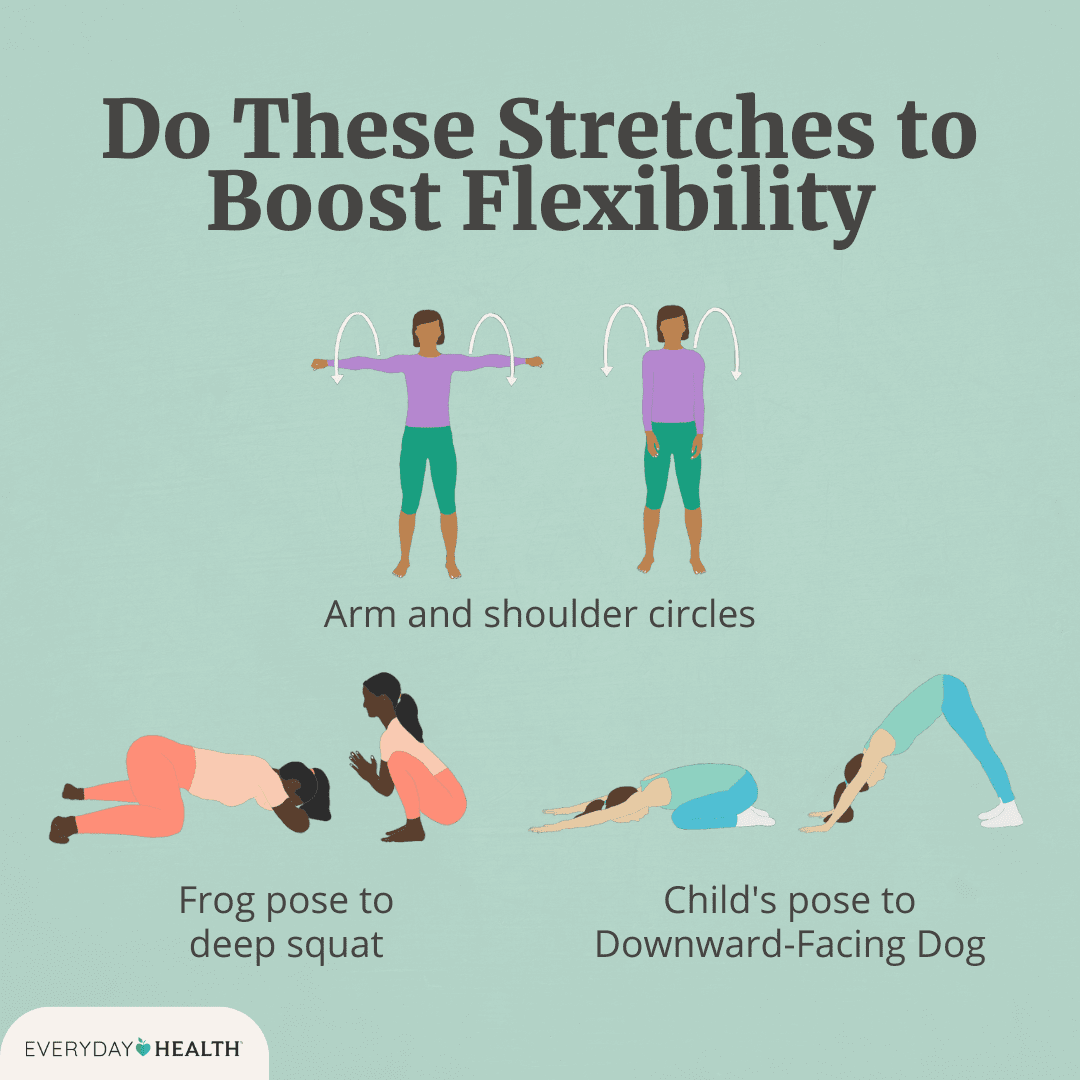
Importance of Mobility and Flexibility
Maintaining good mobility and flexibility is crucial as you age, as it allows you to perform daily activities with ease and reduces the risk of injuries. Having a full range of motion in your joints and muscles can improve your posture, balance, and coordination, making it easier to engage in physical activities and prevent falls. Additionally, staying mobile and flexible can help alleviate joint pain and stiffness, improve circulation, and boost your overall sense of well-being.
Regular Exercise
One of the best ways to improve your mobility and flexibility as you age is through regular exercise. Physical activity helps to strengthen muscles, increase joint mobility, and improve overall fitness. Incorporating a combination of cardiovascular, strength training, and flexibility exercises into your routine can help you maintain a healthy range of motion and keep your body limber.
Cardiovascular Exercise
Cardiovascular exercise, such as walking, cycling, swimming, or dancing, can help improve your heart health, increase endurance, and enhance overall mobility. Aim for at least 150 minutes of moderate-intensity aerobic activity per week to maintain cardiovascular fitness and support your mobility goals.
Strength Training
Strength training exercises, such as lifting weights, using resistance bands, or doing bodyweight exercises, can help build muscle strength, improve balance, and protect your joints from injury. Include strength training sessions at least twice a week to target different muscle groups and maintain overall body strength.
Flexibility Exercises
Incorporating stretching exercises into your routine can help increase flexibility, reduce muscle tension, and improve joint range of motion. Try yoga, Pilates, or simple stretching routines to enhance your flexibility and maintain optimal mobility as you age.

Proper Nutrition
Maintaining a healthy diet is essential for supporting your mobility and flexibility goals as you age. Proper nutrition provides the necessary nutrients for muscle strength, joint health, and overall well-being. Make sure to include a variety of fruits, vegetables, whole grains, lean proteins, and healthy fats in your daily meals to nourish your body and support your physical activity.
Hydration
Staying hydrated is also crucial for maintaining mobility and flexibility, as water helps lubricate your joints, regulate body temperature, and support muscle function. Aim to drink at least 8-10 glasses of water per day to stay hydrated and promote optimal physical performance.
Nutrient-Rich Foods
Include nutrient-rich foods in your diet, such as leafy greens, colorful fruits, nuts, seeds, lean meats, and fatty fish, to provide your body with essential vitamins, minerals, and antioxidants. These nutrients can help reduce inflammation, support muscle recovery, and promote overall joint health.
Supplements
Consider taking supplements, such as calcium, vitamin D, magnesium, and omega-3 fatty acids, to support bone health, muscle function, and joint flexibility. Consult with a healthcare provider or a registered dietitian to determine which supplements may be beneficial for your specific needs and health goals.
Proper Posture and Body Mechanics
Maintaining good posture and practicing proper body mechanics are key factors in improving mobility and flexibility as you age. Poor posture can lead to muscle imbalances, joint misalignment, and increased risk of injuries, while proper body mechanics can help optimize movement patterns and reduce strain on your muscles and joints.
Ergonomic Workspace
If you spend long hours sitting at a desk or working on the computer, make sure to set up an ergonomic workspace to support good posture and prevent muscle stiffness. Use an adjustable chair, position your monitor at eye level, and take regular breaks to stretch and move around to maintain flexibility and reduce the risk of musculoskeletal issues.
Standing and Walking
When standing or walking, pay attention to your posture and body alignment to avoid slouching or leaning to one side. Keep your shoulders relaxed, engage your core muscles, and maintain a neutral spine position to support proper body mechanics and prevent strain on your back and hips.
Lifting and Carrying
When lifting or carrying objects, use proper lifting techniques to protect your back and maintain joint health. Bend your knees, keep your back straight, and lift with your legs to avoid strain on your lower back and reduce the risk of muscle injuries. Distribute the weight evenly and avoid twisting your body while lifting to prevent unnecessary strain on your joints.

Regular Stretching
Incorporating regular stretching into your daily routine can improve flexibility, reduce muscle tension, and enhance joint mobility. Stretching exercises help to lengthen muscles, increase blood flow, and promote relaxation, which can improve overall mobility and prevent stiffness and discomfort.
Full-Body Stretch
Perform a full-body stretching routine to target different muscle groups and improve overall flexibility. Include stretches for your neck, shoulders, chest, back, hips, legs, and arms to maintain a healthy range of motion and prevent muscle tightness. Hold each stretch for 15-30 seconds and repeat 2-3 times for optimal results.
Dynamic Stretching
Dynamic stretching involves moving your body through a range of motion to warm up muscles, increase circulation, and prepare your body for physical activity. Include dynamic stretches, such as leg swings, arm circles, and torso twists, before exercise to improve flexibility, enhance performance, and reduce the risk of injuries.
Static Stretching
Static stretching focuses on holding a stretch in a stationary position to lengthen muscles and improve flexibility. Perform static stretches for major muscle groups, such as hamstrings, quadriceps, calves, and chest, after a workout or as part of a cooldown routine to reduce muscle tightness and promote recovery.
Mind-Body Practices
Mind-body practices, such as yoga, tai chi, and meditation, can enhance mobility and flexibility while promoting mental relaxation and emotional well-being. These practices combine physical movement, mindful breathing, and relaxation techniques to improve body awareness, reduce stress, and enhance overall mobility.
Yoga
Yoga is a gentle form of exercise that focuses on breathing, flexibility, and balance to improve mobility and reduce muscle tension. Practicing yoga regularly can help increase joint flexibility, strengthen muscles, and promote relaxation, which can support overall mobility and well-being as you age.
Tai Chi
Tai chi is a mind-body practice that involves slow, flowing movements and deep breathing to improve balance, coordination, and flexibility. Regular practice of tai chi can enhance joint mobility, reduce muscle stiffness, and promote relaxation, which can benefit your overall mobility and quality of life.
Meditation
Meditation is a mental practice that involves focusing your attention, calming your mind, and cultivating mindfulness to reduce stress, enhance mental clarity, and improve emotional well-being. Incorporating meditation into your daily routine can help reduce muscle tension, promote relaxation, and support optimal mobility as you age.

Regular Massage
Regular massage therapy can help improve mobility, reduce muscle tension, and enhance flexibility by releasing tight muscles, improving circulation, and promoting relaxation. Massage techniques, such as Swedish, deep tissue, and myofascial release, can alleviate muscle stiffness, enhance joint mobility, and support overall physical well-being.
Swedish Massage
Swedish massage involves long, flowing strokes, kneading, and circular movements to relax muscles, improve circulation, and reduce tension in the body. Regular Swedish massage sessions can help release muscle tightness, reduce stress, and promote relaxation, which can enhance your mobility and flexibility as you age.
Deep Tissue Massage
Deep tissue massage targets deeper layers of muscle and connective tissue to release chronic tension, alleviate muscle pain, and improve flexibility. This type of massage can help break down adhesions, reduce muscle stiffness, and increase joint mobility, which can support your mobility goals and overall physical health.
Myofascial Release
Myofascial release focuses on releasing tension in the fascia, a connective tissue that surrounds muscles and organs, to improve joint mobility, reduce muscle stiffness, and enhance flexibility. Regular myofascial release techniques can help restore optimal movement patterns, reduce pain, and support overall mobility and well-being.
Stay Active and Engaged
Staying active and engaged in physical, mental, and social activities is essential for maintaining mobility and flexibility as you age. Engage in activities that challenge your body and mind, such as walking, dancing, gardening, puzzles, and social gatherings, to stay physically and mentally fit and support your mobility goals.
Daily Movement
Incorporate daily movement into your routine, such as walking, gardening, or dancing, to stay active and maintain joint mobility. Physical activity helps to improve circulation, strengthen muscles, and promote overall well-being, which can support your mobility and flexibility as you age.
Brain Exercises
Engage in brain exercises, such as puzzles, memory games, or learning new skills, to keep your mind sharp and maintain cognitive function. Challenging your brain through mental stimulation can help improve memory, enhance focus, and support your overall well-being as you age.
Social Connections
Stay connected with friends, family, or community groups to support your mental and emotional well-being and maintain a sense of belonging. Social interactions can help reduce stress, improve mood, and enhance overall quality of life, which can benefit your mobility and flexibility as you age.
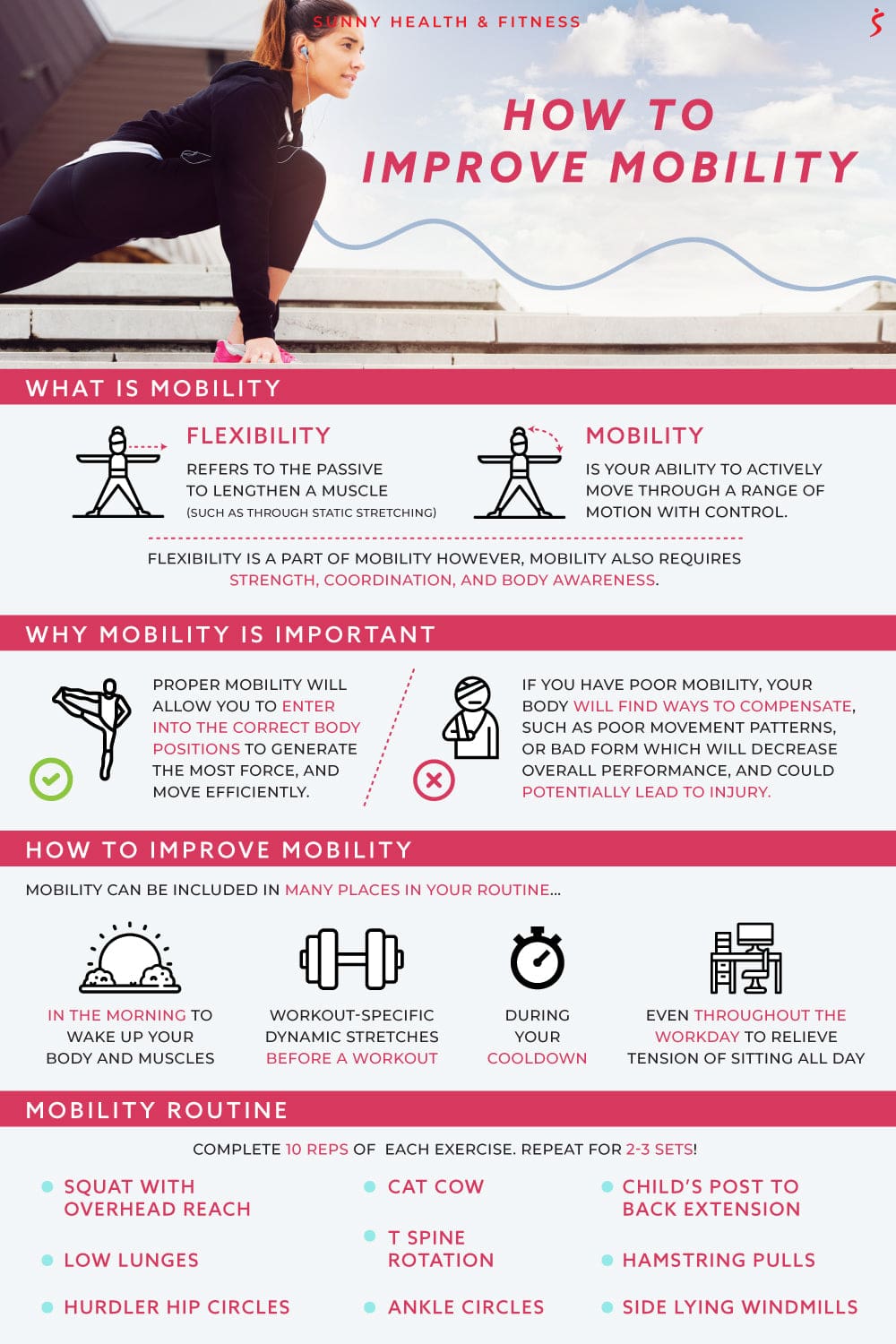
Conclusion
Improving your mobility and flexibility as you age is essential for maintaining independence, preventing injuries, and enhancing overall well-being. By incorporating regular exercise, proper nutrition, good posture, regular stretching, mind-body practices, massage therapy, and staying active and engaged, you can support your mobility goals and stay active and healthy for years to come. Remember to consult with a healthcare provider or a fitness professional before starting any new exercise or wellness program to ensure it is safe and effective for your specific needs and health goals. Start implementing these top ways to improve mobility and flexibility today to enhance your quality of life and stay active and independent as you age.