
Migraines can be debilitating and disruptive to daily life, but for women, they can be even more challenging to manage. In this article, we will explore the most popular ways to effectively handle migraines specifically in women. From lifestyle changes to medication options, you’ll discover practical tips and strategies to help alleviate the pain and regain control over your life. Whether you’ve been experiencing migraines for years or are seeking ways to support a loved one, this article is your guide to finding relief and managing women’s migraines.
Medications
Over-the-counter pain relievers
When it comes to managing migraines, over-the-counter pain relievers are often the first line of defense. These medications, such as ibuprofen or acetaminophen, can help alleviate the pain and discomfort associated with migraines. They work by reducing inflammation and blocking pain signals in the brain. It is important to follow the recommended dosage and not exceed the recommended daily limit. Overuse of these medications can lead to rebound headaches.
Prescription medications
For more severe migraines, your doctor may prescribe specific medications to help manage the pain. These medications may include stronger pain relievers, such as opioids, or anti-nausea medications to combat the gastrointestinal symptoms often associated with migraines. It is essential to follow your doctor’s instructions and take the medications as prescribed to ensure their effectiveness and minimize any potential side effects.
Triptans
Triptans are a class of prescription medications specifically designed to target migraines. They work by narrowing blood vessels and blocking pain pathways in the brain. Triptans are usually taken as soon as the migraine symptoms start and can effectively relieve pain, reduce nausea, and alleviate other associated symptoms. It is important to note that triptans are not suitable for everyone, and your doctor will determine if they are a suitable option for you based on your medical history.
Ergotamines
Ergotamines are another class of prescription medications used to treat migraines. Like triptans, they constrict blood vessels and block pain signals in the brain. Ergotamines are typically taken at the onset of a migraine and can be effective in relieving pain. However, they are not suitable for everyone and can have more severe side effects, such as nausea, vomiting, and muscle pain. Your doctor will carefully consider your medical history and any potential contraindications before prescribing ergotamines.
Preventive medications
If you experience frequent migraines, your doctor may recommend preventive medications. These medications are taken regularly to reduce the frequency and severity of migraines. They can include anticonvulsants, antidepressants, or beta-blockers. Preventive medications may take several weeks or even months to show their full effect, so it is important to be patient and continue taking them as prescribed. Your doctor will work with you to find the most suitable preventive medication based on your symptoms and medical history.
Hormonal therapy
Oral contraceptives
For women whose migraines are triggered by hormonal fluctuations, oral contraceptives can be an effective management option. These birth control pills regulate hormone levels, which can help reduce the frequency and severity of migraines. However, it is important to note that not all oral contraceptives are suitable for women with migraines. Some hormonal formulations can actually trigger migraines or make them worse. Consult with your healthcare provider to find the best contraceptive option for you.
Hormone replacement therapy
During menopause, hormonal changes can often trigger migraines in women. Hormone replacement therapy (HRT) is a treatment option that can alleviate menopause symptoms, including migraines. HRT involves taking estrogen and sometimes progesterone to balance hormonal levels and decrease the frequency and intensity of migraines. However, it is important to discuss the risks and benefits of HRT with your doctor, as individual factors such as age and medical history may impact its suitability for you.
Lifestyle changes
Identify triggers
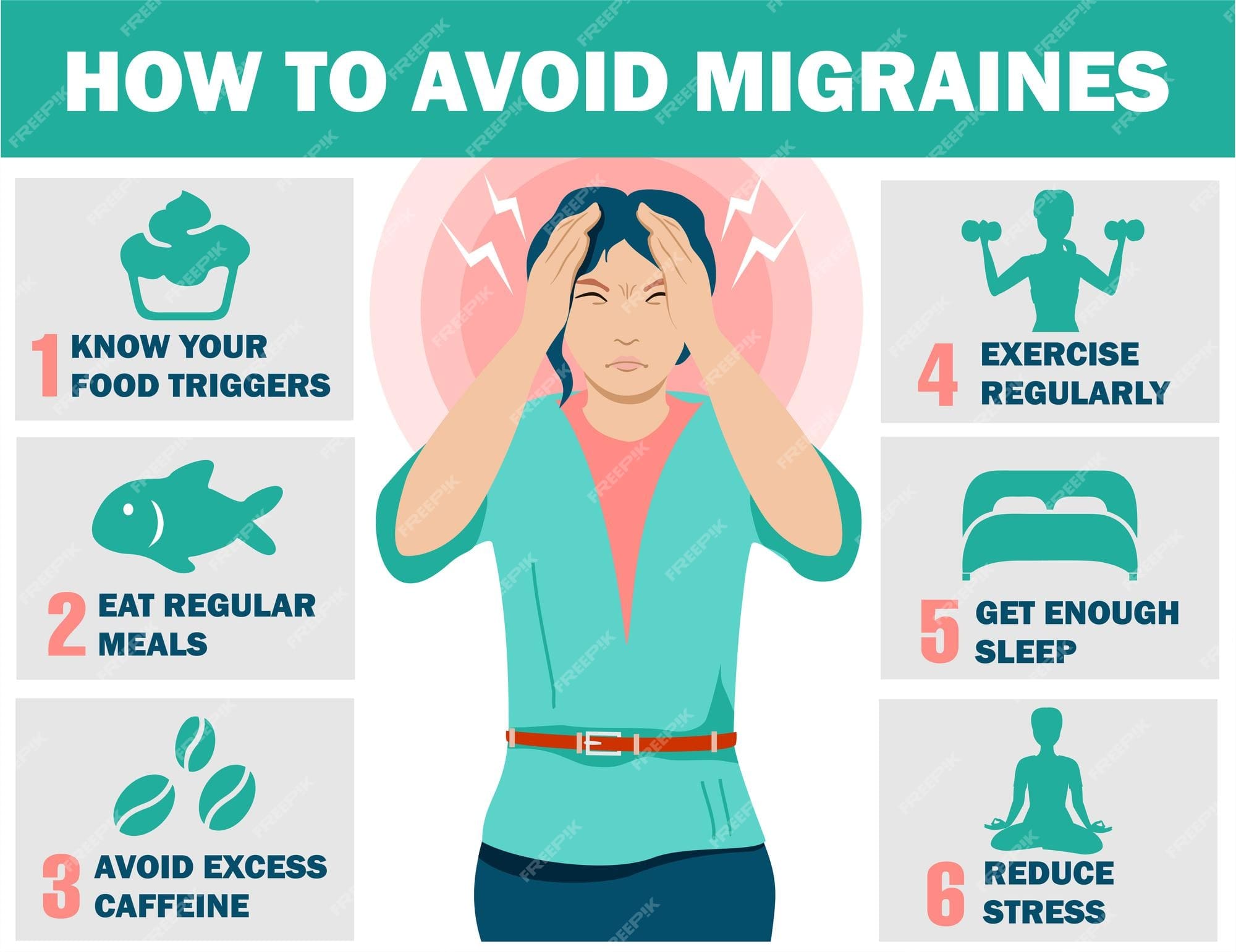
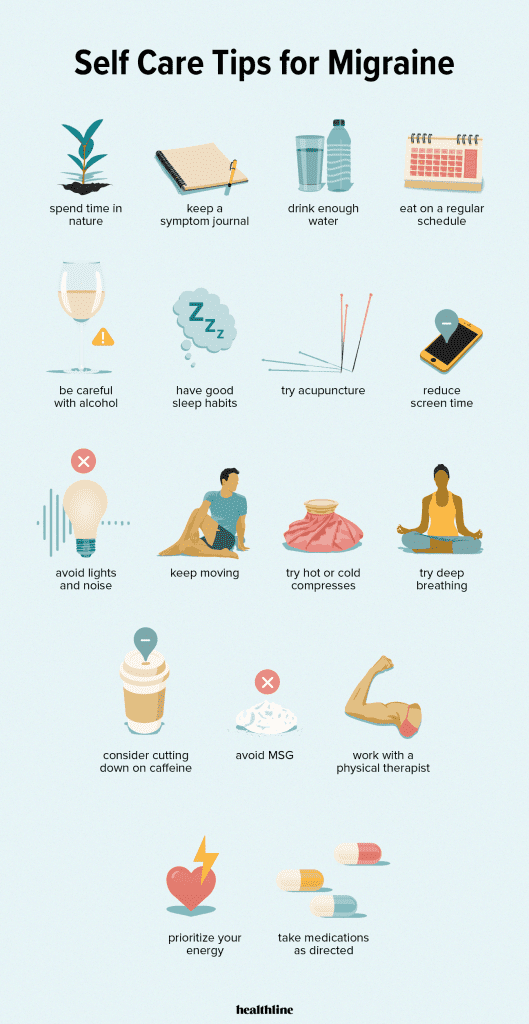
One of the essential aspects of managing migraines is identifying your triggers. Triggers can vary from person to person, but common triggers include certain foods, stress, changes in sleep patterns, hormonal changes, and environmental factors. By keeping a migraine diary and tracking your symptoms and potential triggers, you can pinpoint the specific triggers that may be contributing to your migraines. Once identified, you can then take steps to avoid or minimize exposure to these triggers.
Maintain a regular sleep schedule
Maintaining a regular sleep schedule can play a significant role in preventing migraines. Lack of sleep or irregular sleep patterns can trigger migraines in some individuals. Aim for a consistent sleep routine by going to bed and waking up at the same time each day, even on weekends. Create a sleep-friendly environment, keep your bedroom cool and dark, and limit caffeine and electronic device usage close to bedtime. Prioritizing quality sleep can help reduce the frequency and intensity of migraines.
Manage stress
Stress is a common trigger for migraines, so finding ways to effectively manage stress can be vital in migraine management. Practice stress-reduction techniques such as deep breathing exercises, meditation, or yoga. Engaging in activities that you enjoy, such as hobbies or spending time with loved ones, can also help relieve stress. It may be beneficial to identify and address any sources of stress in your life, whether they are work-related, personal, or financial. Consider counseling or therapy if you need additional support in managing stress.
Exercise regularly
Regular exercise has numerous benefits for overall health and can also be beneficial in managing migraines. Exercise helps reduce stress, improve mood, and increase circulation, all of which can contribute to reducing the frequency and severity of migraines. Aim for at least 30 minutes of moderate-intensity exercise, such as brisk walking or cycling, most days of the week. However, it is essential to listen to your body and not overexert yourself, as intense or vigorous exercise can sometimes trigger migraines in certain individuals.
Stay hydrated
Dehydration can be a trigger for migraines in some individuals, so it is important to stay properly hydrated throughout the day. Aim to drink at least eight glasses of water or other hydrating fluids daily. Avoid excessive consumption of caffeine or alcohol, as they can contribute to dehydration. Keep a water bottle handy and make it a habit to drink water regularly, even if you don’t feel thirsty. Adequate hydration can help prevent migraines and support overall health.
Eat a healthy diet
Maintaining a healthy diet can positively impact migraine management. Certain foods and additives, such as processed foods, artificial sweeteners, and foods containing tyramine or nitrates, can trigger migraines in some individuals. Focus on a balanced diet that includes plenty of fruits, vegetables, whole grains, lean proteins, and healthy fats. Be mindful of your individual triggers and consider keeping a food diary to identify any specific food triggers that may be contributing to your migraines. Consulting with a registered dietitian can also provide valuable guidance and support in managing your nutritional needs while avoiding migraine triggers.
Alternative therapies
Acupuncture
Acupuncture is a traditional Chinese medicine technique that involves inserting thin needles into specific points on the body to restore energy flow. Some studies suggest that acupuncture may help reduce the frequency and severity of migraines by promoting relaxation and pain relief. If you are considering acupuncture as an alternative therapy for migraines, consult with a licensed and experienced acupuncturist who specializes in treating migraines.
Biofeedback
Biofeedback is a technique that uses electronic sensors to monitor and provide feedback on various bodily functions, such as heart rate, muscle tension, and skin temperature. It helps individuals become more aware of their body’s physiological responses and learn to control them. Biofeedback has shown promise in managing migraines by helping individuals recognize and control triggers, as well as reduce stress and muscle tension, both of which can contribute to migraines. To explore biofeedback, consult with a healthcare professional experienced in biofeedback training.
Massage therapy
Massage therapy can be a relaxing and potentially beneficial alternative therapy for managing migraines. Studies suggest that massage can help reduce migraine frequency, intensity, and duration by promoting relaxation, reducing muscle tension, and relieving stress. Different types of massage, such as Swedish massage, deep tissue massage, or craniosacral therapy, may be effective in managing migraines. Consult with a licensed massage therapist who has experience working with migraine sufferers.
Herbal supplements
Some individuals with migraines turn to herbal supplements as an alternative therapy. Certain herbs, such as butterbur or feverfew, have shown potential in preventing migraines or reducing their severity. However, it is essential to approach herbal supplements with caution and consult with a healthcare professional before incorporating them into your routine. Some herbs may interact with medications or have side effects. Additionally, the quality and purity of herbal supplements can vary, so it is crucial to choose reputable brands.
Aromatherapy
Aromatherapy involves using essential oils derived from plants to promote relaxation and alleviate symptoms. Some essential oils, such as lavender or peppermint, have been reported to help reduce the intensity and duration of migraines. Dilute essential oils according to instructions and apply them topically to the temples, neck, or wrists for potential migraine relief. You can also use an aromatherapy diffuser to fill the air with soothing scents. However, it is important to note that essential oils may trigger migraines in some individuals, so it is advisable to test them in small amounts first and discontinue if they worsen your symptoms.
Relaxation techniques
Deep breathing exercises
Deep breathing exercises can help activate the body’s relaxation response, reducing stress and potentially alleviating migraines. Find a quiet and comfortable space, inhale deeply through your nose, filling your belly with air, and then exhale slowly through your mouth. Repeat this deep breathing pattern several times, focusing on the sensation of your breath. You can incorporate deep breathing exercises into your daily routine or use them as a tool to manage stress and relieve migraine symptoms when they arise.
Progressive muscle relaxation
Progressive muscle relaxation is a technique that involves tensing and then relaxing different muscle groups in your body. By consciously releasing tension, you can promote relaxation and potentially reduce migraines. Start by sitting or lying in a comfortable position. Begin with a deep breath, then focus on one muscle group at a time, starting with your toes or feet, and progressively work your way up to your head and neck. Tense each muscle group for a few seconds, then release the tension and feel the relaxation in that area. Practice this technique regularly to help manage stress and muscle tension associated with migraines.
Meditation
Meditation is a practice that involves focusing your attention and eliminating the stream of thoughts that often occupy the mind. Regular meditation can help calm the mind, reduce stress, and potentially alleviate migraines. Find a quiet space, sit comfortably, and close your eyes. Focus on your breath or a specific object or sound, allowing any intrusive thoughts to pass without judgment. Start with short meditation sessions, gradually increasing the duration as you become more comfortable. Incorporating meditation into your daily routine can provide a sense of calm and help prevent migraines.
Yoga
Yoga combines physical postures, breathing techniques, and mindfulness to promote relaxation and balance in the body and mind. It can be an effective practice for managing migraines by reducing stress, improving blood circulation, and releasing muscle tension. Certain yoga poses, such as forward bends or gentle twists, may be particularly beneficial in relieving headache symptoms. Consider joining a yoga class or following online tutorials specifically designed for migraine relief. Make sure to listen to your body and choose gentle or restorative yoga practices if you are experiencing an active migraine.
Tai chi
Tai chi is a gentle martial art that incorporates slow, flowing movements, deep breathing, and mindfulness. It promotes relaxation, balance, and mind-body connection. Regular practice of tai chi has been shown to reduce stress and improve overall well-being, potentially benefiting individuals with migraines. Joining a tai chi class or participating in guided online sessions can help you learn the proper techniques and gain the full benefits of this ancient practice.
Cognitive behavioral therapy (CBT)
Identifying and changing negative thought patterns
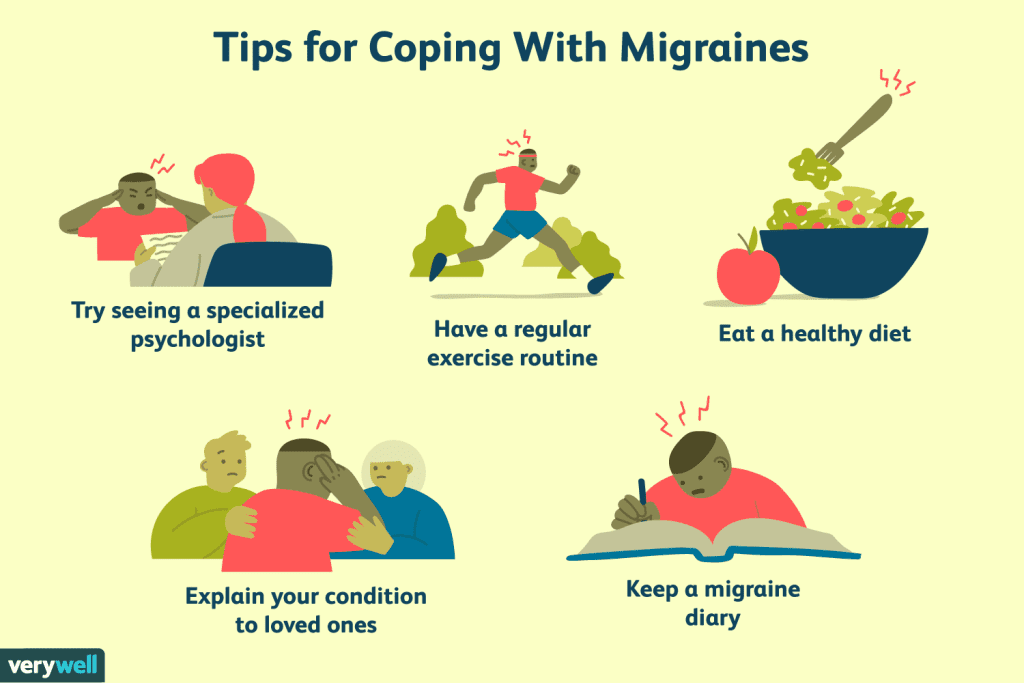
Cognitive behavioral therapy (CBT) is a form of therapy that focuses on identifying and changing negative thought patterns and behaviors. It can be beneficial for individuals with migraines by helping them recognize and challenge negative thoughts or beliefs related to their migraines, such as catastrophizing or feeling helpless. By shifting these thought patterns, individuals can develop healthier coping strategies and reduce the impact of migraines on their quality of life.
Stress management techniques
Stress is a common trigger for migraines, and learning stress management techniques can be a valuable tool in migraine management. CBT can help individuals develop effective stress management techniques, such as setting boundaries, time management, or assertiveness skills. By learning to manage stress more effectively, individuals can potentially reduce the frequency and severity of migraines.
Relaxation techniques
Relaxation techniques, such as deep breathing exercises or progressive muscle relaxation, can be incorporated into CBT to promote relaxation and reduce muscle tension associated with migraines. CBT can teach individuals how to effectively use these techniques to alleviate migraine symptoms and manage stress.

Transcranial magnetic stimulation (TMS)
Non-invasive procedure that uses magnetic fields
Transcranial magnetic stimulation (TMS) is a non-invasive procedure that uses magnetic fields to stimulate nerve cells in the brain. It is a relatively new treatment option for migraines that has shown promise in reducing the frequency and severity of migraines. The magnetic pulses disrupt abnormal brain activity associated with migraines, providing relief for some individuals. TMS is typically performed by a healthcare professional and requires multiple sessions to achieve optimal results.
Stimulates nerve cells in the brain to reduce migraines
During TMS, an electromagnetic coil is placed against the scalp, delivering magnetic pulses to specific areas of the brain associated with migraines. These pulses help stimulate nerve cells and disrupt the abnormal activity that contributes to migraines. The procedure is generally well-tolerated, with minimal side effects. However, it is essential to discuss the potential benefits and risks of TMS with your healthcare provider, as it may not be suitable for everyone.
Botox injections
Injected into specific muscles to prevent migraines
Botox injections have been approved by the FDA for the prevention of chronic migraines. During this procedure, small amounts of botulinum toxin, commonly known as Botox, are injected into specific muscles of the head and neck. The toxin temporarily paralyzes the muscles, preventing them from triggering migraine attacks. Botox injections are typically performed every 12 weeks by a healthcare professional experienced in administering the treatment.
Typically performed every 12 weeks
The effects of Botox injections for migraines may not be immediate and can take several weeks to take full effect. It is important to stick to the recommended schedule of injections, typically every 12 weeks, to maintain their effectiveness. Botox injections have been shown to significantly reduce the frequency and severity of migraines in some individuals. However, like any medical procedure, it is important to discuss potential risks and benefits with your healthcare provider before deciding if Botox injections are a suitable option for you.
Nerve blocks
Local anesthetics injected into specific nerves
Nerve blocks involve the injection of local anesthetics, such as lidocaine or corticosteroids, into specific nerves associated with migraines. These injections can block pain signals and provide temporary relief for individuals experiencing migraines. Nerve blocks are typically performed by a healthcare professional and can be administered in various locations depending on the individual’s specific migraine symptoms and triggers.
Block pain signals and reduce migraines
Nerve blocks work by numbing the nerves associated with migraines, blocking pain signals from reaching the brain and providing relief for migraine symptoms. The effects of nerve blocks can vary from person to person, and multiple injections may be required to achieve optimal results. Nerve blocks can be a valuable option for individuals who do not respond well to other treatment methods or are unable to tolerate certain medications.
Support groups and counseling
Find support from others facing similar challenges
Living with migraines can be challenging, both physically and emotionally. Engaging with support groups or participating in counseling sessions can provide immense support and understanding from others facing similar experiences. Support groups allow individuals to connect and share their experiences, coping strategies, and helpful tips for managing migraines. Counseling sessions, whether individual or group, provide a safe space for individuals to explore their emotions, develop coping mechanisms, and receive guidance from trained professionals.
Learn coping strategies
Support groups and counseling can help individuals learn effective coping strategies for managing migraines. By sharing experiences and learning from others, individuals can discover new techniques and approaches to managing their symptoms. Coping strategies may include stress management techniques, relaxation exercises, or lifestyle modifications. Additionally, support groups and counseling can provide a platform for individuals to explore the emotional and psychological impact of migraines and develop resilience in navigating their migraine journey.
Receive emotional support
Dealing with migraines can be emotionally taxing, and having a support system in place can provide much-needed emotional support. Support groups and counseling sessions offer a safe and understanding environment where individuals can express their emotions, worries, and frustrations related to migraines. Connecting with others who empathize and validate these experiences can help alleviate feelings of isolation and provide a sense of belonging and support.
In conclusion, managing migraines requires a comprehensive approach that combines various treatment options, lifestyle changes, and alternative therapies. Medications, such as over-the-counter pain relievers or prescription medications, can provide temporary relief and prevent migraines when used appropriately. Hormonal therapy, such as oral contraceptives or hormone replacement therapy, can be beneficial for women whose migraines are triggered by hormonal fluctuations. Lifestyle changes, including identifying triggers, maintaining a regular sleep schedule, managing stress, exercising regularly, staying hydrated, and eating a healthy diet, can significantly reduce the frequency and severity of migraines. Alternative therapies, such as acupuncture, biofeedback, massage therapy, herbal supplements, and aromatherapy, offer additional options for migraine management. Relaxation techniques, like deep breathing exercises, progressive muscle relaxation, meditation, yoga, and tai chi, promote relaxation and help alleviate migraine symptoms. Cognitive behavioral therapy (CBT) addresses negative thought patterns and stress management techniques to minimize the impact of migraines. Innovative treatments such as transcranial magnetic stimulation (TMS), Botox injections, and nerve blocks offer potential relief for individuals with refractory migraines. Finally, support groups and counseling provide invaluable emotional support, coping strategies, and a sense of community for individuals facing the challenges of living with migraines. Remember, everyone’s migraine journey is unique, and it may take time to find the right combination of treatments and strategies that work best for you. Be patient, consult with healthcare professionals, and explore the options available to find the most effective approach in managing your migraines.
