

Are you tired of tossing and turning at night, unable to get a good night’s sleep? Look no further! This article will provide you with effective strategies for better sleep and rest. Whether you struggle with falling asleep, staying asleep, or simply want to improve the quality of your sleep, these strategies will help you achieve the restful nights you’ve been dreaming of. From establishing a bedtime routine to creating a comfortable sleep environment, you’ll learn practical tips that are easy to implement and will have you waking up feeling refreshed and revitalized. Say goodbye to sleepless nights and hello to a well-rested and rejuvenated you!
Creating a Sleep-Friendly Environment
Having a sleep-friendly environment is crucial for getting a good night’s rest. Here are some steps you can take to create the perfect sleep environment.
Setting a Comfortable Temperature
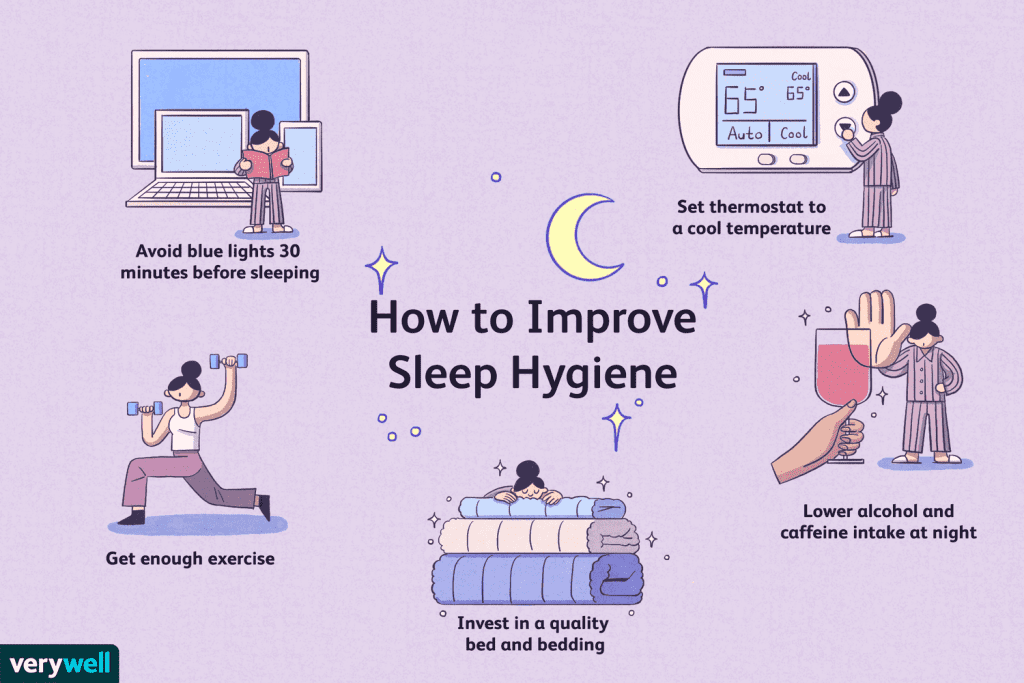
Maintaining a comfortable temperature in your bedroom is essential for a good night’s sleep. The ideal temperature for most people is between 60 and 67 degrees Fahrenheit (15-19 degrees Celsius). Adjust your thermostat or use a fan or air conditioner to ensure the room is at a temperature conducive to sleep.
Ensuring a Dark Room
A dark room is essential for promoting quality sleep. Invest in blackout curtains or use an eye mask to block out any unwanted light. Light can interfere with your body’s natural sleep-wake cycle, so it’s important to create a dark environment to signal your brain that it’s time to sleep.
Reducing Noise Levels
Noise can disrupt your sleep and make it difficult to fall asleep or stay asleep. Consider using earplugs or a white noise machine to drown out any disruptive sounds. Alternatively, you can play calming sounds like ocean waves or rain to create a soothing environment conducive to sleep.
Investing in a Quality Mattress and Pillows
A comfortable mattress and pillows are essential for a good night’s sleep. Take the time to choose a mattress that provides adequate support and is suited to your body type and preferences. Similarly, invest in pillows that provide proper support for your neck and head. Remember, a good mattress and pillows can make a significant difference in the quality of your sleep.
Choosing Suitable Bedding
Your choice of bedding can also impact your sleep quality. Opt for breathable materials like cotton or bamboo that help regulate body temperature and keep you cool throughout the night. Additionally, choose bedding that feels comfortable and soft against your skin to enhance your sleep experience.
Establishing Consistent Sleep Patterns
Establishing consistent sleep patterns is important for regulating your body’s internal clock and improving the quality of your sleep. Here are some strategies to help you establish healthy sleep patterns.
Setting a Fixed Sleep Schedule
Try to go to bed and wake up at the same time every day, even on weekends. This helps regulate your body’s internal clock and ensures you get enough sleep each night. Consistency is key when it comes to establishing healthy sleep patterns.
Creating a Bedtime Routine
A consistent bedtime routine signals to your body that it’s time to wind down and prepare for sleep. Engage in relaxing activities like reading a book, taking a warm bath, or practicing meditation before bed. Establishing a calming routine can help you transition from wakefulness to sleep.
Avoiding Napping During the Day
While short power naps can be beneficial for some individuals, excessive daytime napping can interfere with your ability to fall asleep at night. If you struggle with falling asleep, try to avoid napping during the day or limit your naps to 20-30 minutes.
Limiting Exposure to Electronic Devices Before Bed
The blue light emitted by electronic devices such as smartphones, tablets, and computers can suppress the production of melatonin, a hormone that helps regulate sleep. Avoid using electronic devices at least one hour before bed to minimize the impact of blue light on your sleep.
Engaging in Relaxing Activities Before Sleep
Engaging in activities that promote relaxation can help prepare your mind and body for sleep. Consider practicing deep breathing exercises, gentle stretching, or listening to soft music. Experiment with different activities to find what works best for you in promoting a state of calm before bedtime.
Practicing Healthy Lifestyle Habits
Practicing healthy lifestyle habits throughout the day can have a significant impact on the quality of your sleep. Here are some habits to incorporate into your daily routine.
Regular Exercise
Engaging in regular physical activity can promote better sleep. Aim for at least 30 minutes of moderate exercise most days of the week. However, avoid exercising too close to bedtime, as it can increase alertness and make it more difficult to fall asleep.
Balanced Diet and Meal Timing
Maintaining a balanced diet and watching your meal timing can greatly affect your sleep quality. Avoid heavy or spicy meals close to bedtime, as they can cause discomfort and disrupt your sleep. Instead, opt for lighter, nutritious meals that are easier to digest.
Limiting Caffeine and Alcohol Consumption
Caffeine and alcohol can both disrupt your sleep patterns. Limit your consumption of caffeine, especially in the afternoon and evening, as it can interfere with your ability to fall asleep. Similarly, while alcohol may initially make you feel drowsy, it can also disrupt your sleep cycle and lead to poorer sleep quality.
Avoiding Large Meals Before Bed
Eating a large meal right before bed can cause discomfort and make it more difficult to fall asleep. Avoid consuming heavy meals close to bedtime and opt for a lighter snack if needed. Allow at least two to three hours between eating and going to bed to allow for proper digestion.
Hydrating Throughout the Day
Staying hydrated is important for overall health, including sleep. However, avoid drinking excessive fluids close to bedtime to minimize the need for frequent trips to the bathroom during the night. Aim to hydrate throughout the day and taper off your fluid intake in the hours leading up to bedtime.
Managing Stress and Anxiety
Stress and anxiety can greatly impact the quality of your sleep. Here are some strategies to help you manage stress and anxiety for better sleep.
Identifying and Addressing Stressors
Identifying and addressing the sources of stress in your life can help alleviate their impact on your sleep. Take time to evaluate your daily life and identify any major stressors. Whether it’s work-related issues, personal relationships, or financial concerns, finding ways to manage and reduce stress can greatly improve your sleep.
Engaging in Stress-Relief Techniques
Experiment with different stress-relief techniques to find what works best for you. Some effective techniques include deep breathing exercises, progressive muscle relaxation, and engaging in hobbies or activities that you enjoy. Find healthy outlets for stress and make time for relaxation in your daily routine.
Practicing Mindfulness and Meditation
Mindfulness and meditation can help calm the mind, reduce racing thoughts, and promote relaxation. Consider incorporating mindfulness exercises or guided meditation into your daily routine, particularly before bed. Apps and audiobooks can provide helpful guidance in practicing mindfulness techniques.
Seeking Professional Help if Needed
If stress and anxiety are significantly impacting your sleep and overall well-being, don’t hesitate to seek professional help. A therapist or counselor can provide guidance and support in managing your stress and anxiety and help you develop coping mechanisms.
Creating a Relaxing Pre-Bedtime Routine
Developing a relaxing pre-bedtime routine can help you unwind and transition into a restful state. Consider engaging in activities that promote relaxation, such as taking a warm bath, reading a book, or practicing gentle stretching. Find what works best for you and make it a consistent part of your evening routine.

Creating a Comfortable Sleep Environment
Ensuring that your sleep environment is comfortable and conducive to rest is essential for a good night’s sleep. Here are some tips to create a comfortable sleep environment.
Using a White Noise Machine or Relaxing Sounds
If you’re sensitive to noise or live in a noisy environment, using a white noise machine or playing relaxing sounds can help mask unwanted sounds and create a soothing ambiance. Choose sounds that are gentle and calming, such as rainfall or nature sounds.
Utilizing Aromatherapy
Aromatherapy can help promote relaxation and improve the quality of your sleep. Consider using essential oils such as lavender, chamomile, or ylang-ylang. You can use a diffuser or spritz your bedding with a diluted essential oil spray to create a calming atmosphere.
Using Blackout Curtains or Eye Masks
To ensure a dark sleep environment, invest in blackout curtains or use an eye mask to block out any light. This can be especially helpful for those who have trouble falling asleep in well-lit environments or those who work night shifts and need to sleep during the day.
Optimizing Bedroom Ventilation
Proper ventilation is essential for creating a comfortable sleep environment. Ensure that your bedroom is well-ventilated and that the airflow is optimal. Fresh air can help regulate temperature and promote better sleep.
Keeping the Bedroom Clean and Decluttered
Maintaining a clean and clutter-free bedroom can create a sense of calm and relaxation. Optimize your sleep space by keeping it tidy, free of clutter, and dedicated solely to sleep. Remove any distractions or unnecessary items that may hinder your ability to relax and unwind.
Managing Technology Use Before Bed
Technology use before bed can interfere with your sleep. Here’s how you can manage your technology use to promote better sleep.
Implementing a Digital Detox
Consider implementing a digital detox before bed, where you disconnect from electronic devices for a set period of time. This can help break the habit of using technology excessively and allow your mind to unwind before sleep.
Using Screen Dimming and Blue Light Filtering Apps
If you find it difficult to completely avoid electronic devices before bed, use screen dimming and blue light filtering apps on your devices. These apps reduce the amount of blue light emitted by screens, making it easier for your body to transition into sleep mode.
Putting Electronic Devices Away from the Bedroom
To minimize the temptation to use electronic devices in bed, make it a habit to put all electronics outside of the bedroom or in a designated no-tech zone. Keeping your bedroom free from screens can greatly improve your sleep quality.
Opting for Print Material before Bed
Instead of engaging with electronic devices, choose print material such as books or magazines to read before bed. This not only reduces the exposure to blue light but also helps in winding down and preparing your mind for sleep.
Creating a No-Tech Zone in the Bedroom
Designate your bedroom as a no-tech zone and avoid using electronic devices in bed. Reserve your bedroom solely for sleep and relaxation, and create a space that promotes tranquility and restful sleep.

Relaxation Techniques for Better Sleep
Incorporating relaxation techniques into your bedtime routine can help calm your mind and prepare your body for sleep. Here are some effective techniques to try.
Progressive Muscle Relaxation
Progressive muscle relaxation involves tensing and then releasing each muscle group in your body. Start from your toes and work your way up to your head, consciously relaxing each muscle as you go. This technique helps release tension and promotes relaxation.
Deep Breathing Exercises
Deep breathing exercises can help slow down your heart rate, relax your body, and prepare you for sleep. Practice inhaling deeply through your nose, holding your breath for a few seconds, and then exhaling slowly through your mouth. Focus on your breath and let go of any tension or stress.
Guided Imagery and Visualization
Guided imagery involves using your imagination to create calming and peaceful mental images. Visualize yourself in a serene location, such as a beach or a forest, and immerse yourself in the details of that image. This technique can help distract your mind from racing thoughts and induce a state of relaxation.
Journaling or Writing
If your mind is racing before bed, take a few minutes to jot down your thoughts and worries in a journal. This helps release mental tension and allows you to clear your mind before sleep. Write down any concerns or tasks for the following day to help ease your mind.
Using Relaxation Apps or Audiobooks
There are various smartphone apps and audiobooks available that offer guided meditations, soothing music, or relaxation exercises. Explore different apps or audiobooks to find guided relaxation techniques that resonate with you.
Addressing Common Sleep Disorders
Addressing sleep disorders is crucial for improving your overall sleep quality and well-being. Here’s how you can manage some common sleep disorders.
Understanding and Managing Insomnia
Insomnia, characterized by difficulty falling asleep or staying asleep, can significantly impact your sleep quality. Practicing good sleep hygiene, addressing underlying stress or anxiety, and seeking professional help if needed can help manage and improve insomnia.
Managing Sleep Apnea
Sleep apnea is a sleep disorder characterized by pauses in breathing during sleep. If you suspect you may have sleep apnea, it’s important to seek medical attention. Treatment options may include lifestyle changes, the use of a continuous positive airway pressure (CPAP) machine, or other interventions as recommended by a healthcare professional.
Addressing Restless Leg Syndrome
Restless leg syndrome (RLS) is a condition characterized by an uncontrollable urge to move the legs, often accompanied by uncomfortable sensations. Managing RLS involves maintaining good sleep hygiene, regular exercise, and possibly medication prescribed by a healthcare professional.
Dealing with Narcolepsy
Narcolepsy is a neurological disorder that causes excessive sleepiness during the day and can lead to sudden and uncontrollable sleep attacks. Managing narcolepsy usually involves a combination of medication, lifestyle changes, and behavioral strategies. Consult with a healthcare professional for an accurate diagnosis and appropriate treatment plan.
Seeking Professional Help for Sleep Disorders
If you suspect you have a sleep disorder that is significantly impacting your sleep quality and daily functioning, it’s important to seek professional help. A sleep specialist can diagnose and provide guidance on managing various sleep disorders to help improve your sleep and overall well-being.

Creating a Healthy Bedtime Routine for Children
Establishing a healthy bedtime routine for children is essential for their overall sleep quality and development. Here are some tips for creating a bedtime routine for children.
Establishing Consistent Bedtime
Set a consistent bedtime for your child and stick to it as much as possible. Consistency helps regulate their internal clock and promotes a better night’s sleep. Aim to establish a routine that allows for an adequate amount of sleep based on your child’s age.
Creating a Calm and Relaxing Environment
Create a calm and relaxing environment in your child’s bedroom to promote sleep. Dim the lights, use a nightlight if needed, and play soft, soothing music. Establishing a peaceful atmosphere can help signal to your child that it’s time to wind down and prepare for sleep.
Limiting Electronic Device Use
Avoid allowing your child to use electronic devices close to bedtime, as the blue light emitted by these devices can interfere with their ability to fall asleep. Set boundaries and establish a no-electronics rule in the hours leading up to bedtime.
Reading or Telling Bedtime Stories
Incorporate reading or telling bedtime stories into your child’s bedtime routine. This can be a calming and enjoyable activity that promotes bonding and relaxation. Choose age-appropriate books or stories that captivate their imagination and help them wind down.
Encouraging Regular Exercise
Encourage regular exercise and physical activity during the day to help your child expend energy and promote better sleep. Engaging in activities such as outdoor play, sports, or dancing can contribute to improved sleep quality.
When to Seek Professional Help for Sleep Issues
While most sleep issues can be managed with lifestyle changes and good sleep hygiene, there are times when professional help is needed. Here are some indicators that you should seek professional help for your sleep issues.
Persistent Insomnia
If you have been experiencing persistent insomnia for a prolonged period, despite implementing sleep-friendly habits and lifestyle changes, it may be time to seek professional help. A sleep specialist can assess your symptoms and provide appropriate treatment options.
Excessive Daytime Sleepiness
Excessive daytime sleepiness, regardless of the amount of sleep you get at night, may be a sign of an underlying sleep disorder. If you find yourself consistently feeling excessively tired throughout the day, it’s crucial to consult with a healthcare professional for further evaluation and intervention.
Chronic Snoring and Sleep Apnea
Chronic snoring can be a sign of sleep apnea, a sleep disorder that requires medical intervention. If you or your partner notice loud, chronic snoring or pauses in breathing during sleep, it’s important to seek professional help for diagnosis and treatment.
Disrupted Sleep Patterns
If your sleep is consistently disrupted by frequent awakenings, abnormal sleep behaviors, or vivid and disturbing dreams, it’s advisable to consult with a healthcare professional. Disrupted sleep patterns can be indicative of underlying sleep disorders that require intervention.
Unexplained Fatigue or Sleepiness
If you consistently feel fatigued or excessively sleepy during the day, despite getting an adequate amount of sleep at night, seeking professional help is essential. Unexplained fatigue or sleepiness can have various underlying causes that need to be addressed by a healthcare professional.
By implementing these effective strategies and making improvements to your sleep environment, routine, lifestyle, and stress management, you can significantly enhance your sleep quality and overall well-being. Remember, quality sleep is essential for a healthy body and mind, so prioritize your sleep and take steps to create a sleep-friendly environment. Sweet dreams!
