
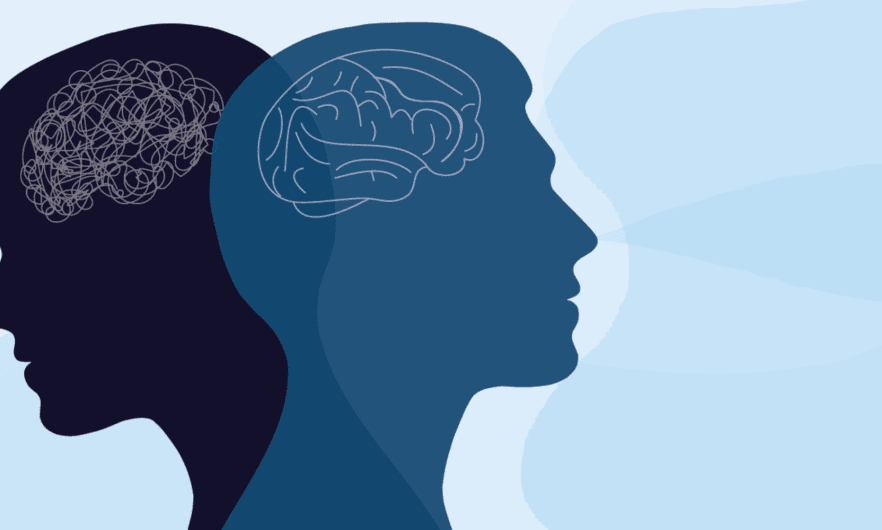
Welcome to an insightful article on the best ways to address anxiety and depression in men. In this piece, you will discover effective strategies and tips to help navigate and overcome these mental health challenges. From seeking professional help to practicing self-care and engaging in positive activities, you will learn practical steps to improve your mental well-being and live a happier, healthier life. Let’s dive in and explore the best ways to address anxiety and depression in men. Have you ever wondered how to address anxiety and depression in men? It’s a common issue that many men face but often struggle to talk about or seek help for. In this article, we will explore some of the best ways to address anxiety and depression in men so you can take the first steps towards feeling better.

Understanding Anxiety and Depression in Men
Anxiety and depression are common mental health disorders that can affect anyone, regardless of gender. However, men often face unique challenges when it comes to recognizing and addressing these issues. It’s important to understand that anxiety and depression are not signs of weakness, and seeking help is a brave and important step towards better mental health.
Breaking the Stigma
In many societies, there is a stigma surrounding mental health issues, particularly for men. Men may feel pressure to appear strong and resilient, which can lead to them suppressing their emotions and not seeking help when needed. It’s important to break the stigma surrounding mental health and encourage open conversations about anxiety and depression.
Recognizing the Signs
Anxiety and depression can manifest in different ways for men compared to women. Men may be more likely to experience anger, irritability, and physical symptoms such as headaches or digestive issues. By recognizing the signs of anxiety and depression in men, you can better understand when it’s time to seek help or support.
Seeking Professional Help
If you or a loved one is struggling with anxiety and depression, seeking professional help is crucial. There are many mental health professionals who specialize in helping men cope with these issues, including therapists, psychologists, and psychiatrists. Talking to a professional can provide valuable insights and strategies for managing anxiety and depression.
Therapy and Counseling
Therapy and counseling are effective tools for addressing anxiety and depression in men. Through therapy sessions, you can explore your thoughts and emotions in a safe and supportive environment. Therapists can help you develop coping strategies, improve communication skills, and challenge negative thought patterns that contribute to anxiety and depression.
| Pros of Therapy and Counseling | Cons of Therapy and Counseling |
|---|---|
| Provides a safe space to talk | Can be costly depending on insurance coverage |
| Offers professional guidance | Requires commitment to attend sessions regularly |
| Helps develop coping strategies | May take time to see significant improvements |
Medication Management
In some cases, medication may be prescribed to help manage symptoms of anxiety and depression. Antidepressants and anti-anxiety medications can be effective in reducing symptoms and improving mood. It’s important to work closely with a psychiatrist to find the right medication and dosage that works for you.
| Pros of Medication Management | Cons of Medication Management |
|---|---|
| Can provide rapid relief of symptoms | May have side effects |
| May be necessary for severe cases | Requires ongoing monitoring and adjustment |
| Can be used in combination with therapy | Dependency risk if not managed properly |
Lifestyle Changes for Better Mental Health
In addition to professional help, there are many lifestyle changes you can make to improve your mental health and manage anxiety and depression. These changes can have a significant impact on your overall well-being and quality of life.
Exercise Regularly
Regular physical activity is one of the most effective ways to improve mood and reduce symptoms of anxiety and depression. Exercise releases endorphins, which are natural mood boosters, and can help reduce stress and anxiety. Aim for at least 30 minutes of moderate exercise most days of the week.
Eat a Healthy Diet
Eating a healthy, balanced diet can also have a positive impact on mental health. Foods rich in nutrients like omega-3 fatty acids, antioxidants, and vitamins can help support brain function and reduce inflammation. Avoiding processed foods, sugar, and excessive caffeine can also help stabilize mood.
Get Adequate Sleep
Sleep plays a crucial role in mental health and well-being. Poor sleep can worsen symptoms of anxiety and depression, while getting enough rest can improve mood and cognitive function. Aim for 7-9 hours of quality sleep each night by establishing a bedtime routine and creating a comfortable sleep environment.
Manage Stress
Stress is a common trigger for anxiety and depression, so learning how to manage stress effectively is key to improving mental health. Practice relaxation techniques such as deep breathing, meditation, yoga, or mindfulness to reduce stress and promote a sense of calm. Setting boundaries, prioritizing self-care, and seeking social support can also help manage stress.
Building a Support System
Support from friends, family, or support groups can be invaluable when dealing with anxiety and depression. Building a strong support system can provide emotional encouragement, practical assistance, and a sense of connectedness during difficult times.
Open Up to Loved Ones
Talking about your struggles with anxiety and depression with loved ones can help you feel understood and supported. Communication is key in fostering strong relationships, so don’t hesitate to share your thoughts and feelings with trusted individuals. Know that it’s okay to ask for help when you need it.
Join a Support Group
Support groups are a great way to connect with others who are going through similar experiences. Whether in-person or online, support groups provide a safe space to share stories, offer advice, and receive empathy from those who understand what you’re going through. Being part of a community can reduce feelings of isolation and offer a sense of belonging.

Conclusion
Addressing anxiety and depression in men is a complex and multi-faceted process that requires a combination of professional help, lifestyle changes, and social support. By understanding the unique challenges that men face in dealing with these mental health issues and taking proactive steps towards better mental health, you can improve your quality of life and well-being. Remember that you are not alone, and there are resources and strategies available to help you through this journey. Take the first step towards addressing anxiety and depression in men today.