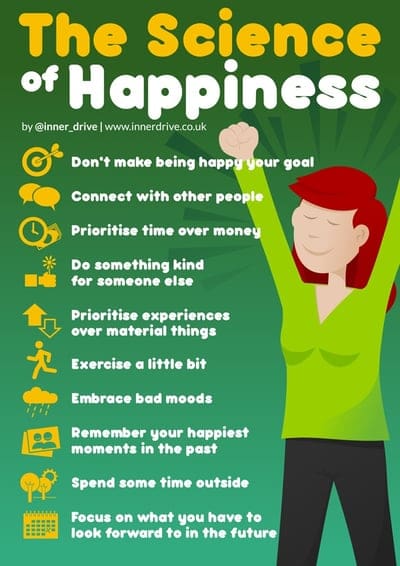
Welcome to an article that will help you discover the secrets to boosting your mood and increasing your happiness levels. In this guide, you will learn about the science behind happiness and practical tips on how to improve your well-being. By implementing these strategies into your daily routine, you can cultivate a positive mindset and experience greater joy and fulfillment in your life. So sit back, relax, and prepare to unlock the path to a happier, more fulfilling life. Have you ever wondered what truly makes people happy? It’s not always about material possessions or external circumstances. In fact, there is a whole science behind happiness that can help you boost your mood and overall well-being. In this article, we will explore the science of happiness and provide you with practical tips on how to enhance your happiness levels. Let’s dive in!

Understanding the Science of Happiness
Happiness is not just a fleeting emotion; it is a state of mind that can have a profound impact on your life. Researchers have been studying happiness for decades, trying to uncover the factors that contribute to our overall sense of well-being. From genetics to personal habits, there are various elements that play a role in how happy we feel. By understanding the science behind happiness, you can learn how to cultivate positive emotions and improve your mental health.
The Role of Genetics in Happiness
While genetics do play a role in your predisposition to happiness, they are not the sole determining factor. Studies have shown that genetics can influence our general outlook on life and our ability to bounce back from adversity. However, this does not mean that you are destined to be unhappy if your family has a history of depression or anxiety. By practicing gratitude, mindfulness, and other happiness-boosting habits, you can train your brain to focus on the positive aspects of life.
The Importance of Neurotransmitters
Neurotransmitters are chemicals in the brain that play a crucial role in regulating mood and emotions. Dopamine, serotonin, and endorphins are some of the key neurotransmitters that contribute to feelings of happiness and well-being. By engaging in activities that stimulate the production of these chemicals, such as exercise, socializing, and pursuing your passions, you can increase your overall happiness levels.
Practical Tips for Boosting Your Mood
Now that you have a better understanding of the science of happiness, let’s explore some practical tips on how to boost your mood and enhance your overall well-being. These simple strategies can help you cultivate a positive mindset and improve your mental health.
Practice Gratitude Daily
Gratitude is a powerful tool for increasing happiness and well-being. Taking the time to reflect on the things you are thankful for can shift your focus from what you lack to what you have. Start a gratitude journal and write down three things you are grateful for each day. This simple practice can help you cultivate a sense of appreciation and contentment.
Engage in Physical Activity
Exercise is not only beneficial for your physical health but also for your mental well-being. Physical activity releases endorphins, which are natural mood lifters that can help reduce stress and anxiety. Find an exercise routine that you enjoy, whether it’s yoga, dancing, or running, and make it a regular part of your day.
Connect with Others
Social connections are essential for happiness and mental health. Spending time with friends and loved ones can boost your mood and provide a sense of belonging. Make an effort to nurture your relationships and engage in meaningful conversations with the people around you. Join a club, volunteer, or participate in group activities to meet new people and expand your social network.

The Impact of Positive Psychology
Positive psychology is a branch of psychology that focuses on the study of human strengths and virtues, rather than on pathology and dysfunction. By shifting the focus from what is wrong with people to what is right with them, positive psychology aims to help individuals flourish and lead fulfilling lives. By incorporating principles of positive psychology into your daily routine, you can cultivate a positive mindset and enhance your overall well-being.
Practice Mindfulness Meditation
Mindfulness meditation is a powerful technique for reducing stress and increasing happiness. By practicing mindfulness, you can train your brain to focus on the present moment and let go of negative thoughts and emotions. Start by setting aside a few minutes each day to sit quietly and focus on your breath. Notice any thoughts or feelings that arise without judgment, and gently guide your attention back to your breath.
Set Meaningful Goals
Having clear goals and a sense of purpose can give your life direction and meaning. Take the time to reflect on what is truly important to you and set goals that align with your values and aspirations. Whether it’s pursuing a career that you are passionate about, traveling to new places, or cultivating deeper relationships, setting meaningful goals can motivate you to take action and live a fulfilling life.
Cultivate Positive Relationships
Positive relationships are essential for happiness and well-being. Surround yourself with supportive and caring individuals who uplift you and encourage you to be your best self. Take the time to nurture your relationships and express gratitude and appreciation for the people in your life. By building strong connections with others, you can enhance your sense of belonging and create a support network that will help you through tough times.

Conclusion
The science of happiness is a fascinating field that offers valuable insights into how we can enhance our well-being and lead fulfilling lives. By understanding the factors that contribute to happiness, such as genetics, neurotransmitters, and positive psychology, you can learn how to boost your mood and cultivate a positive mindset. By incorporating simple strategies like practicing gratitude, engaging in physical activity, and nurturing relationships, you can enhance your overall happiness levels and improve your mental health. Remember, happiness is not a destination; it is a journey that requires effort, self-reflection, and a willingness to embrace the present moment. By taking small steps each day to cultivate happiness, you can experience greater joy, fulfillment, and satisfaction in your life. So, what are you waiting for? Start implementing these tips today and begin your journey towards a happier, more fulfilling life.