
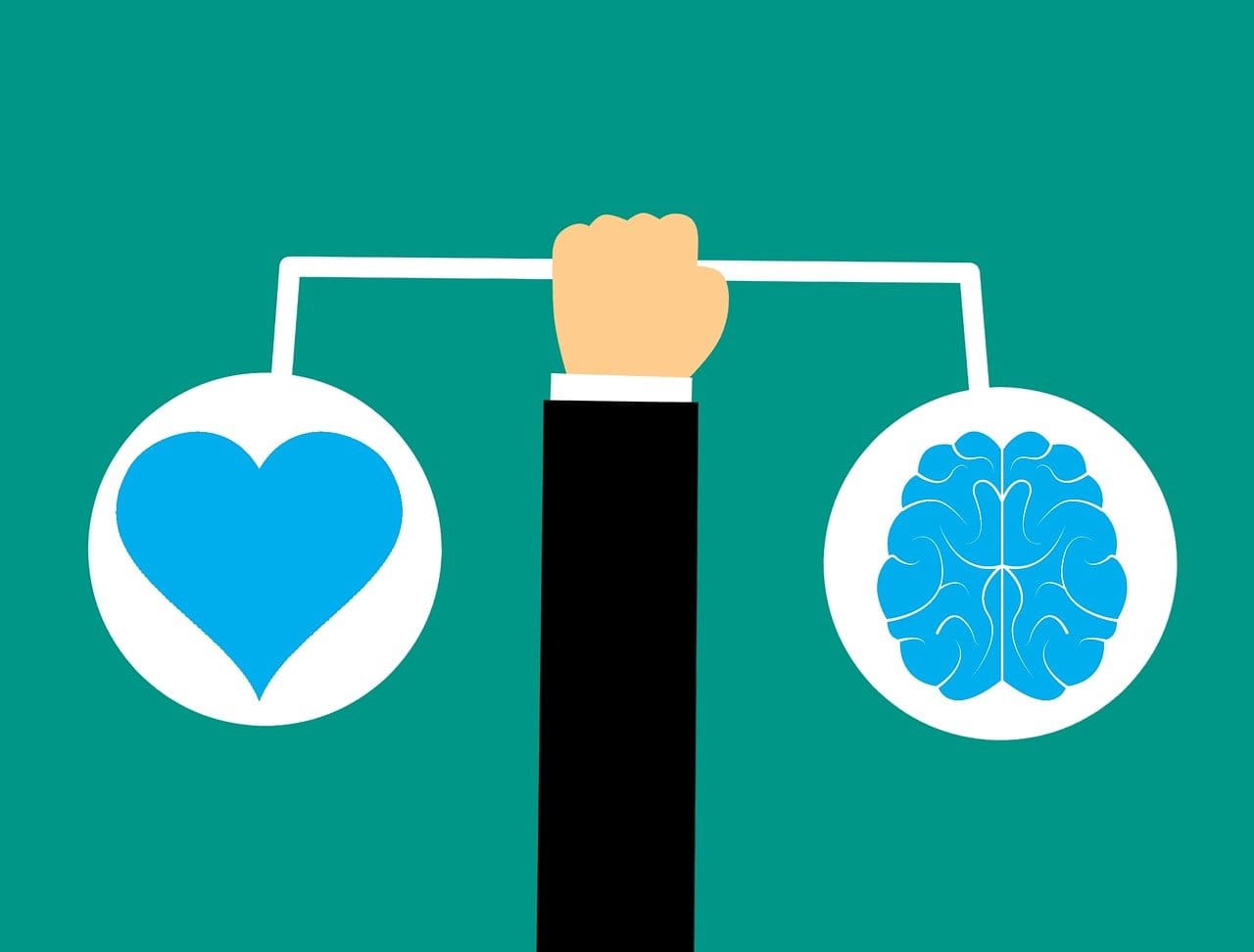
In this article, you will explore the fascinating world of emotional intelligence and discover effective ways to enhance it along with your self-awareness. Understanding and managing your emotions is crucial for personal growth and building fulfilling relationships. By delving into the depths of emotional intelligence, you will gain valuable insights into your own thoughts and feelings, allowing you to navigate life’s ups and downs with greater ease and confidence. Get ready to embark on a journey towards a deeper understanding of yourself and others, and unlock the vast potential that lies within you.
Understanding Emotional Intelligence
Emotional intelligence is the ability to recognize, understand, and effectively manage our own emotions, as well as the emotions of others. It involves being aware of how emotions influence our thoughts and behavior, and using this awareness to navigate social interactions and build positive relationships.
Definition of Emotional Intelligence
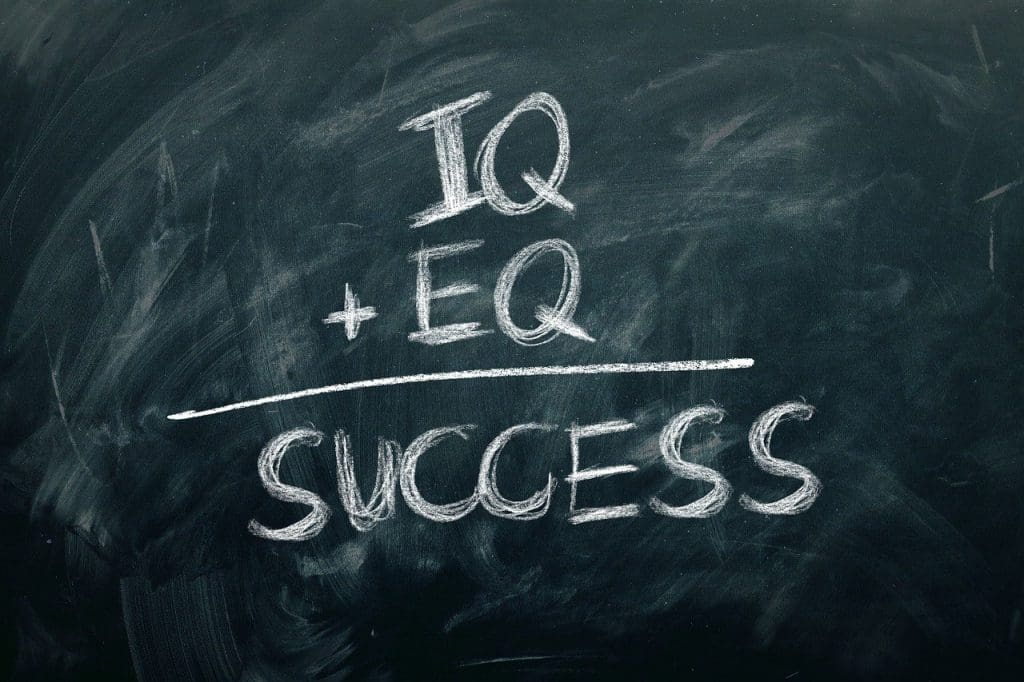
Emotional intelligence encompasses a range of skills and qualities that allow individuals to harness emotions, both in themselves and in others, to enhance personal and professional success. It involves being able to accurately identify and understand emotions, regulate and manage one’s own emotions, and empathize with and influence the emotions of others.
Components of Emotional Intelligence
There are various components of emotional intelligence that contribute to its overall effectiveness. These include self-awareness, self-regulation, motivation, empathy, and social skills. Self-awareness involves being conscious of one’s emotions and their impact on oneself and others. Self-regulation refers to the ability to manage and control emotions effectively. Motivation involves being driven by personal goals and having a positive attitude towards achieving them. Empathy is the ability to understand and share the feelings of others. Lastly, social skills are essential for managing interpersonal relationships and effectively communicating with others.
Importance of Emotional Intelligence
Emotional intelligence plays a crucial role in personal and professional success. Individuals with high emotional intelligence tend to have better relationships, communicate more effectively, and navigate conflicts and challenges more skillfully. It also helps in managing stress, making decisions, and adapting to change. Moreover, emotional intelligence is vital in leadership positions, as leaders with high emotional intelligence can inspire and influence their team members positively.
Developing Self-awareness
Understanding Self-awareness
Self-awareness is the foundation of emotional intelligence. It involves being conscious of and accurately recognizing one’s emotions, strengths, weaknesses, values, and beliefs. Self-awareness enables individuals to understand how their emotions impact their thoughts, behavior, and relationships. It allows them to recognize patterns and triggers, making it easier to manage emotions effectively.
Benefits of Self-awareness
Developing self-awareness offers numerous benefits. It leads to better decision-making, as individuals are more in tune with their emotions and can consider them when making choices. Self-awareness also enables individuals to take responsibility for their actions and behaviors. It facilitates personal growth and development by providing insights into areas that need improvement. Furthermore, self-awareness improves communication skills and fosters meaningful connections with others.
Techniques to Develop Self-awareness
Building self-awareness is a lifelong journey that requires practice and reflection. Some techniques to develop self-awareness include journaling, meditation, seeking feedback from trusted individuals, and engaging in therapy or coaching. Journaling allows individuals to reflect on their thoughts and emotions, helping them identify patterns and gain self-insight. Meditation helps individuals become more present and aware of their thoughts and emotions. Seeking feedback from others provides an outside perspective and helps individuals gain insights into their blind spots. Lastly, therapy or coaching provides a structured environment to explore emotions, behaviors, and underlying beliefs.

Enhancing Emotional Intelligence
Recognizing and Managing Emotions
To enhance emotional intelligence, it is crucial to recognize and manage emotions effectively. Recognizing emotions involves being aware of one’s own emotional responses and accurately identifying the emotions experienced by others. By developing this skill, individuals can respond appropriately to their own emotions and empathize with others.
Managing emotions entails effectively regulating and controlling them. This involves techniques such as deep breathing, mindfulness, and reframing negative thoughts. Deep breathing exercises help calm the mind and body, allowing individuals to approach situations more rationally. Mindfulness involves being fully present in the moment and non-judgmentally observing one’s thoughts and emotions. Reframing negative thoughts helps individuals shift their perspective and focus on more positive and constructive thoughts.
Developing Empathy
Empathy is a key component of emotional intelligence. It involves understanding and sharing the feelings of others. Developing empathy requires actively listening to others, being open-minded, and demonstrating compassion. Active listening involves paying full attention to the speaker, understanding their perspective, and responding empathetically. Open-mindedness allows individuals to consider different viewpoints and validate others’ emotions. Demonstrating compassion involves showing kindness, understanding, and support towards others.
Improving Emotional Regulation
Emotional regulation refers to the ability to manage and control one’s emotions effectively. It is essential for maintaining emotional balance and preventing impulsive reactions. Techniques to improve emotional regulation include identifying triggers, practicing mindfulness, and developing healthy coping mechanisms. Identifying triggers helps individuals become aware of specific situations or events that provoke intense emotions. Mindfulness allows individuals to observe their emotions without judgment and respond more skilfully. Developing healthy coping mechanisms, such as exercise, journaling, or talking to a trusted friend, helps individuals process and manage their emotions in a positive and constructive way.
Improving Communication Skills
Active Listening
Active listening is an essential skill for effective communication. It involves fully focusing on and understanding the speaker’s words, nonverbal cues, and underlying emotions. Active listening requires giving undivided attention, maintaining eye contact, and providing verbal and nonverbal feedback. By actively listening, individuals can understand others’ perspectives, build trust, and enhance the quality of their interactions.
Assertiveness and Expression
Assertiveness and expression skills are crucial for clear and effective communication. Being assertive involves expressing one’s thoughts, needs, and boundaries in a respectful and confident manner. It allows individuals to communicate their opinions openly without aggression or passivity. Expressing oneself authentically helps build trust, fosters open communication, and ensures that personal needs are acknowledged and addressed.
Nonverbal Communication
Nonverbal communication plays a significant role in conveying emotions and messages. It includes facial expressions, body language, tone of voice, and gestures. Being aware of and effectively using nonverbal cues enhances communication and helps individuals understand others’ emotions and intentions. Maintaining eye contact, using appropriate facial expressions, and mirroring body language can facilitate understanding and connection in interpersonal interactions.
Building Positive Relationships
Understanding Relationship Dynamics
Understanding relationship dynamics is essential for building and maintaining positive relationships. It involves being aware of the different roles, expectations, and power dynamics within relationships. Recognizing the impact of our emotions and behaviors on others allows individuals to develop healthy and mutually satisfying relationships.
Developing Empathy in Relationships
Empathy plays a vital role in fostering positive relationships. Developing empathy in relationships requires actively listening to others, perspective-taking, and showing understanding and compassion. Understanding others’ experiences and emotions fosters connection, trust, and stronger bonds within relationships. By displaying empathy, individuals can support one another, validate feelings, and create a safe space for open communication.
Conflict Resolution
Conflict is inevitable in any relationship, and developing conflict resolution skills is essential for maintaining healthy and productive relationships. Effective conflict resolution involves active listening, expressing oneself assertively, considering different perspectives, finding common ground, and working towards mutually beneficial solutions. By addressing conflicts in a constructive manner, individuals can strengthen relationships, enhance trust, and promote understanding and growth.
Increasing Self-confidence
Identifying and Overcoming Self-doubt
Increasing self-confidence starts with identifying and overcoming self-doubt. Self-doubt can undermine one’s abilities and hinder personal growth. To overcome self-doubt, individuals need to challenge negative self-talk, focus on their strengths and achievements, and cultivate self-compassion. By shifting their mindset and recognizing their worth, individuals can boost their self-confidence.
Setting Achievable Goals
Setting achievable goals is instrumental in building self-confidence. It involves defining specific, realistic, and measurable goals that align with personal values and aspirations. Breaking down larger goals into smaller, manageable steps provides individuals with a sense of progress and accomplishment. Celebrating small victories along the way boosts self-confidence and motivates continued growth.
Celebrating Personal Achievements
Celebrating personal achievements is essential for nurturing self-confidence. Acknowledging and recognizing personal growth and accomplishments reinforces a positive self-image. Celebrations can take various forms, such as rewarding oneself with something meaningful, sharing achievements with loved ones, or reflecting on the progress made. By celebrating personal achievements, individuals cultivate a sense of self-worth and confidence in their abilities.

Practicing Mindfulness
Definition of Mindfulness
Mindfulness is the practice of intentionally focusing one’s attention on the present moment, without judgment. It involves being fully aware of one’s thoughts, emotions, bodily sensations, and the surrounding environment. Mindfulness allows individuals to observe their internal experiences without being overwhelmed by them. It cultivates a state of calm and non-reactivity, leading to increased self-awareness and emotional regulation.
Benefits of Mindfulness
Practicing mindfulness offers numerous benefits. It reduces stress and anxiety, improves focus and concentration, and enhances overall well-being. Mindfulness increases self-awareness and allows individuals to respond to situations and emotions more skillfully. It fosters a greater acceptance of oneself and others, leading to stronger relationships and improved communication. Mindfulness also promotes resilience and the ability to adapt to challenges with equanimity.
Techniques to Practice Mindfulness
There are various techniques individuals can use to cultivate mindfulness. Mindful breathing involves focusing on the sensation of the breath, observing each inhalation and exhalation. Body scan meditation involves directing attention to various parts of the body, noticing sensations, and releasing tension or discomfort. Engaging in mindful activities such as mindful eating, walking, or engaging in creative pursuits can also bring a sense of presence and awareness to the present moment. Consistent practice of these techniques can help individuals integrate mindfulness into their daily lives.
Managing Stress and Emotions
Identifying and Coping with Stress
Identifying and coping with stress is crucial for emotional well-being. It involves recognizing stress triggers and employing effective coping strategies. Identifying stress triggers helps individuals become aware of specific situations, events, or thoughts that cause stress. Once identified, individuals can develop coping strategies such as deep breathing exercises, engaging in physical exercise, practicing relaxation techniques, or seeking support from loved ones.
Managing Negative Emotions
Managing negative emotions is essential for maintaining emotional balance and well-being. Techniques for managing negative emotions include expressing emotions in a healthy manner, reframing negative thoughts, and practicing self-care. Expressing emotions involves finding healthy outlets for emotions, such as talking to a trusted friend, writing in a journal, or engaging in creative activities. Reframing negative thoughts involves challenging negative thinking patterns and replacing them with more positive and realistic thoughts. Practicing self-care involves engaging in activities that promote relaxation, joy, and self-nurturing.
Stress Reduction Techniques
Stress reduction techniques can help individuals manage stress effectively. These techniques include relaxation exercises such as deep breathing, progressive muscle relaxation, and guided imagery. Engaging in physical exercise, practicing mindfulness, and engaging in activities that bring joy and relaxation, such as listening to music or taking a bath, can also reduce stress levels. Time management and prioritization techniques can help individuals organize their tasks and responsibilities, reducing feelings of overwhelm and stress.
Fostering Resilience
Definition of Resilience
Resilience refers to the ability to bounce back from challenges, setbacks, and adversity. It involves adapting to change, recovering from stress and trauma, and maintaining mental and emotional well-being in the face of adversity. Resilience allows individuals to navigate difficult circumstances with strength and perseverance, enabling personal growth and success.
Building Resilience Skills
Building resilience involves developing specific skills and qualities that promote mental and emotional strength. These skills include cultivating a positive mindset, practicing self-care, fostering social connections, setting realistic goals, and developing problem-solving skills. Cultivating a positive mindset involves focusing on strengths, viewing challenges as opportunities for growth, and having a hopeful outlook. Practicing self-care involves prioritizing one’s physical, emotional, and mental well-being. Fostering social connections provides support, encouragement, and a sense of belonging. Setting realistic goals helps individuals focus on achievable outcomes, leading to a sense of accomplishment. Developing problem-solving skills allows individuals to approach challenges with a proactive and solution-oriented mindset.
Cultivating a Growth Mindset
Cultivating a growth mindset is an essential aspect of resilience. A growth mindset involves believing in one’s ability to learn, grow, and develop through effort and perseverance. It involves embracing challenges, learning from failures, and maintaining a belief in the potential for growth and improvement. By adopting a growth mindset, individuals can approach adversity with resilience, viewing setbacks as opportunities for learning and development.
Seeking Support and Feedback
Importance of Support Systems
Support systems are crucial for personal and professional growth. They provide individuals with emotional support, encouragement, and practical assistance during challenging times. Support systems can consist of family, friends, mentors, colleagues, or support groups. They offer a safe space to share experiences, obtain feedback, and receive guidance. Having a strong support system strengthens resilience and contributes to overall well-being.
Seeking Constructive Feedback
Seeking constructive feedback is essential for personal and professional development. Constructive feedback provides individuals with valuable insights into their strengths, weaknesses, and areas for improvement. It allows them to gain a different perspective, identify blind spots, and make necessary adjustments. When seeking feedback, it is important to approach the process with an open mind, accepting constructive criticism and using it as a catalyst for growth.
Engaging in Professional Development
Engaging in professional development activities plays a vital role in enhancing skills, knowledge, and capabilities. It involves seeking out opportunities for learning, attending workshops or training programs, pursuing further education, or seeking mentorship. Professional development enables individuals to stay current in their field, expand their expertise, and enhance career prospects. It also provides exposure to new ideas and perspectives, fostering personal growth and development.
In conclusion, enhancing emotional intelligence and self-awareness is a lifelong journey that requires intentional effort and continuous practice. By understanding and developing emotional intelligence, individuals can improve their relationships, communication skills, and overall well-being. Building self-awareness, enhancing emotional regulation, and cultivating empathy are essential components of emotional intelligence. Additionally, developing effective communication skills, building positive relationships, and increasing self-confidence contribute to personal and professional success. Practicing mindfulness, managing stress and emotions, fostering resilience, and seeking support and feedback are crucial aspects of personal growth and development. By incorporating these strategies into daily life, individuals can enhance their emotional intelligence and create a more fulfilling and balanced life. So, embrace the journey of enhancing emotional intelligence and self-awareness – it’s a transformative path worth exploring!