
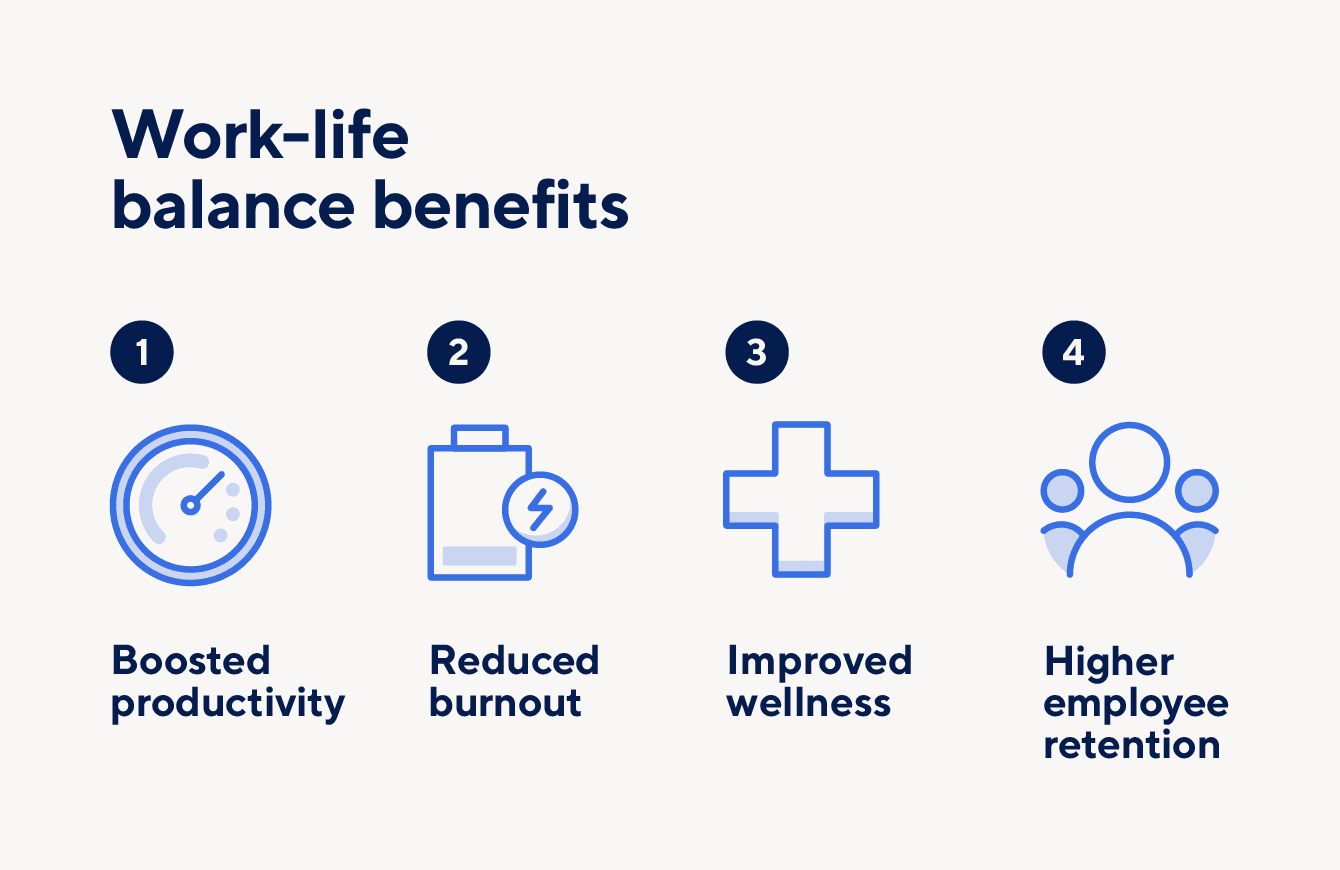
In today’s fast-paced world, finding a balance between work and our personal lives, while also taking care of our mental health, can feel like a monumental task. However, by implementing a few key strategies into our daily routines, we can create a harmonious blend of work and leisure, ensuring our overall well-being. From setting boundaries and prioritizing self-care to seeking support and practicing mindfulness, this article explores effective methods that can help you maintain work-life balance and nurture your mental health. So, let’s discover these invaluable strategies together and embark on a journey towards a more fulfilling and balanced life.

Time management
Prioritize tasks
When it comes to managing your time effectively, prioritizing tasks is crucial. Start by making a to-do list and identifying the most important tasks. This will ensure that you focus your energy on what truly matters. Prioritizing tasks allows you to be more efficient and productive, enabling you to complete your work in a timely manner.
Set boundaries
Setting boundaries is essential to maintain a healthy work-life balance. Clearly define your working hours and communicate them to your colleagues and clients. Let them know when you are available and when you are not. Setting boundaries will help you create time for yourself and your personal life, without feeling overwhelmed by work demands.
Delegate responsibilities
Recognize that you don’t have to do everything on your own. Learn to delegate tasks and responsibilities to others when possible. Delegating not only helps to lighten your workload but also allows others to grow and develop their skills. Give clear instructions and provide assistance when needed, and trust in your team to handle the tasks you delegate. Delegation is not a sign of weakness, but rather a smart way to manage your time and focus on what really matters.
Stress management
Identify stress triggers
To effectively manage stress, it is important to first identify your stress triggers. This could be certain situations, people, or even your own thoughts and behaviors. Pay attention to how you feel in different situations and notice any patterns or triggers that cause you to feel stressed. By understanding your triggers, you can work towards avoiding or managing them in a healthier way.
Practice relaxation techniques
Find relaxation techniques that work best for you and incorporate them into your daily routine. This can include deep breathing exercises, meditation, yoga, or engaging in hobbies that help you relax and unwind. By taking the time to relax and recharge, you are better equipped to handle stress and maintain a positive mindset.
Seek support
Don’t hesitate to reach out for support when needed. Talk to a trusted friend, family member, or colleague about what you are experiencing. Sometimes just sharing your thoughts and feelings can provide relief. Consider seeking professional help from a therapist or counselor who can provide valuable guidance and support in managing your stress levels.
Establishing boundaries
Separate work and personal life
One important aspect of establishing boundaries is separating your work and personal life. Create clear distinctions between the two by maintaining separate schedules and spaces. When you’re at work, focus on work tasks and avoid distractions from your personal life. Similarly, when you’re at home or spending time with loved ones, avoid checking work emails or taking work-related calls. Keeping these boundaries intact allows you to fully enjoy your personal life and recharge for the next workday.
Limit work hours
Set a limit to the number of hours you dedicate to work each day. It can be tempting to work long hours, especially if you have a heavy workload, but this can lead to burnout and negatively impact your mental health. Establishing a healthy balance between work and personal life means knowing when to stop working and allowing yourself to rest and recharge.
Create designated workspaces
Designate specific areas for work within your home or office. Having a dedicated workspace allows you to physically separate your work from the rest of your life. This not only helps you focus and be more productive but also mentally signals the start and end of your workday. When you’re in your designated workspace, you are in work mode, and when you leave that space, you can fully switch off from work.
Maintaining a healthy lifestyle
Exercise regularly
Physical activity plays a crucial role in maintaining a healthy lifestyle. Regular exercise can help reduce stress, improve mood, increase energy levels, and boost overall well-being. Find activities that you enjoy, whether it’s going for a walk, joining a fitness class, or playing a sport. Aim for at least 30 minutes of exercise most days of the week to reap the benefits.
Eat nutritious meals
Proper nutrition is essential for your overall health and well-being. Make sure to eat a balanced diet that includes fruits, vegetables, lean proteins, whole grains, and healthy fats. Avoid excessive consumption of processed foods, sugary snacks, and caffeine, as they can negatively impact your energy levels and mental clarity. Taking the time to nourish your body with the right foods will help you stay energized and focused throughout the day.
Get enough sleep
Adequate sleep is crucial for both your physical and mental health. Aim for seven to eight hours of quality sleep each night. Establish a regular sleep schedule by going to bed and waking up at consistent times. Create a relaxing bedtime routine to signal to your body that it’s time to sleep, such as avoiding screens before bed and engaging in calming activities such as reading or taking a warm bath. Quality sleep helps you feel refreshed and ready to tackle the day ahead.
Setting realistic goals
Break tasks into manageable steps
When setting goals, break them down into smaller, manageable tasks. This makes them less overwhelming and allows you to focus on one task at a time. By breaking larger goals into smaller steps, you can track your progress and celebrate achievements along the way. This approach not only increases your productivity but also helps you maintain motivation and momentum.
Avoid overcommitting
It’s important to know your limits and avoid overcommitting yourself. Saying “yes” to every request or opportunity can quickly lead to overwhelm and burnout. Learn to prioritize and evaluate whether a task aligns with your goals and values before committing to it. Remember that it’s okay to say “no” or ask for more time if you cannot take on additional responsibilities. Setting realistic expectations for yourself allows you to maintain a healthier work-life balance.
Celebrate achievements
Take the time to acknowledge and celebrate your achievements, no matter how small they may seem. Celebrating milestones provides a sense of accomplishment and motivation to continue working towards your goals. Reward yourself with something you enjoy, whether it’s treating yourself to a favorite meal, taking a day off, or indulging in a hobby. Celebrating achievements helps you maintain a positive mindset and stay motivated.
Effective communication
Express needs and concerns
Effective communication is essential in maintaining healthy relationships, both personal and professional. When it comes to expressing your needs and concerns, be open and honest with your colleagues, friends, and family members. Clearly communicate your expectations, boundaries, and any issues you may be facing. By expressing your needs and concerns, you allow others to understand your perspective and work towards finding solutions together.
Practice active listening
Listening is an important component of effective communication. Practice active listening by giving your full attention to the person speaking to you. Avoid interrupting, make eye contact, and provide verbal or non-verbal cues to show that you are engaged in the conversation. Active listening allows you to better understand others’ perspectives and fosters stronger connections and collaboration.
Establish open lines of communication
Encourage open lines of communication in your personal and professional relationships. Create a safe and non-judgmental environment where people feel comfortable expressing their thoughts and feelings. Be approachable and receptive to feedback, and actively seek input from others. Open lines of communication foster trust, understanding, and effective problem-solving.

Time for self-care
Schedule regular self-care activities
Make self-care a priority by scheduling regular activities that bring you joy and relaxation. This can include taking a long bath, reading a book, practicing mindfulness, or indulging in a hobby. Set aside dedicated time each day or week for self-care activities, and make them non-negotiable. By prioritizing self-care, you recharge your mental and emotional batteries, enabling you to show up as your best self in all areas of life.
Engage in hobbies or interests
Engaging in hobbies or interests outside of work is essential for your well-being. Find activities that you are passionate about and make time for them regularly. Whether it’s painting, playing a musical instrument, gardening, or cooking, pursuing hobbies allows you to unwind, explore your creativity, and find joy outside of your professional responsibilities.
Take breaks throughout the day
Taking regular breaks throughout the day is important for both productivity and mental health. Incorporate short breaks into your schedule to rest your mind and recharge. Get up, stretch, go for a short walk, or simply take a few minutes to relax and clear your mind. These breaks help prevent burnout, improve focus, and allow you to approach your work with renewed energy.
Work-life integration
Identify work-life harmony
Work-life integration is about finding a harmonious balance between your work and personal life. It’s not always about strict separation but rather finding a flow that works for you. Identify what work-life harmony means to you personally and make intentional choices to align your actions with your values and priorities. By striving for work-life harmony, you can achieve a sense of fulfillment in both areas of your life.
Combine work and personal activities
Look for opportunities to combine work and personal activities when appropriate. For example, if you have a flexible work schedule, you can attend your child’s school event during the day and then make up the time later in the evening. By integrating work and personal activities, you can create a more seamless and fluid balance between the two.
Flexibility in scheduling
Embrace flexibility in your work schedule as much as possible. If your job allows for it, negotiate flexible hours or remote work options that suit your needs. Having flexibility in scheduling enables you to better manage your personal commitments and adapt to unexpected circumstances, improving your overall work-life balance.

Technology boundaries
Limit screen time
In today’s digital age, it’s important to set boundaries around screen time. Excessive exposure to screens can have a negative impact on your mental health and well-being. Set limits on the amount of time you spend on devices for work and leisure purposes. Take breaks from screens throughout the day and engage in activities that don’t involve technology. By setting technology boundaries, you allow yourself to disconnect and focus on other aspects of your life.
Disable work notifications during personal time
To maintain a healthy work-life balance, consider disabling work notifications during your personal time. Constantly being connected to work can lead to increased stress and difficulty in fully disconnecting. Allow yourself uninterrupted time to spend with loved ones, engage in hobbies, or simply relax without the distraction of work-related notifications. Set clear boundaries between work and personal time to recharge and rejuvenate.
Create tech-free zones
Designate certain areas or times in your home as tech-free zones. This can be the dining table during meals or your bedroom before going to sleep. By creating tech-free zones, you can fully engage with the people around you and foster better communication and connection. Being present in the moment without the distractions of technology promotes a healthier work-life balance.
Seeking professional help
Consult with a therapist or counselor
If you are feeling overwhelmed or struggling to manage your work-life balance and mental health, consider seeking professional help. A therapist or counselor can provide guidance, support, and coping strategies to help you navigate challenging situations. They can offer valuable insights and assist you in developing effective strategies for maintaining a healthy work-life balance.
Join support groups
Joining support groups can provide you with a sense of community and understanding. Connecting with others who are facing similar challenges can help you feel less alone and provide a space for sharing experiences and advice. Support groups can be found online or in-person and offer a valuable support network for maintaining work-life balance and mental well-being.
Utilize employee assistance programs
Many organizations offer employee assistance programs (EAPs) that provide resources and support for various personal and professional challenges. These programs often include counseling services, work-life balance resources, and referrals to other professionals or services. If your workplace offers an EAP, take advantage of these resources to help manage your work-life balance and mental health.
In conclusion, maintaining work-life balance and prioritizing mental health is crucial for overall well-being. By implementing key strategies such as prioritizing tasks, setting boundaries, delegating responsibilities, and practicing stress management and self-care techniques, you can create a healthier and more fulfilling lifestyle. Remember to always prioritize your needs and seek support when necessary. By taking care of yourself, you’ll be better equipped to navigate the demands of both work and personal life while maintaining a positive mindset and overall happiness.
