

Welcome to an informative article on the best ways to approach preventive health screenings. Taking control of your health is key to living a long and vibrant life. By staying proactive and ensuring you are up-to-date on screenings recommended for your age and gender, you can catch any potential health issues early and take steps to prevent them from escalating. In this article, you will learn some effective strategies for making sure you stay on top of your health screenings and prioritize your well-being. Let’s dive in and empower yourself to take charge of your health! Have you ever wondered how to approach preventive health screenings to ensure you are taking the best care of your health? In this article, you will find the best ways to approach preventive health screenings, so you can stay on top of your health and catch any potential issues early on. Read on to learn more about the importance of preventive health screenings and how to navigate the process in the most efficient and effective way possible.

Understanding Preventive Health Screenings
Preventive health screenings are tests and exams that are done to detect potential health problems before they become serious. These screenings are often recommended by healthcare providers based on your age, gender, family history, and other risk factors. By undergoing preventive health screenings, you can catch health issues early on when they are more easily treatable.
Why Are Preventive Health Screenings Important?
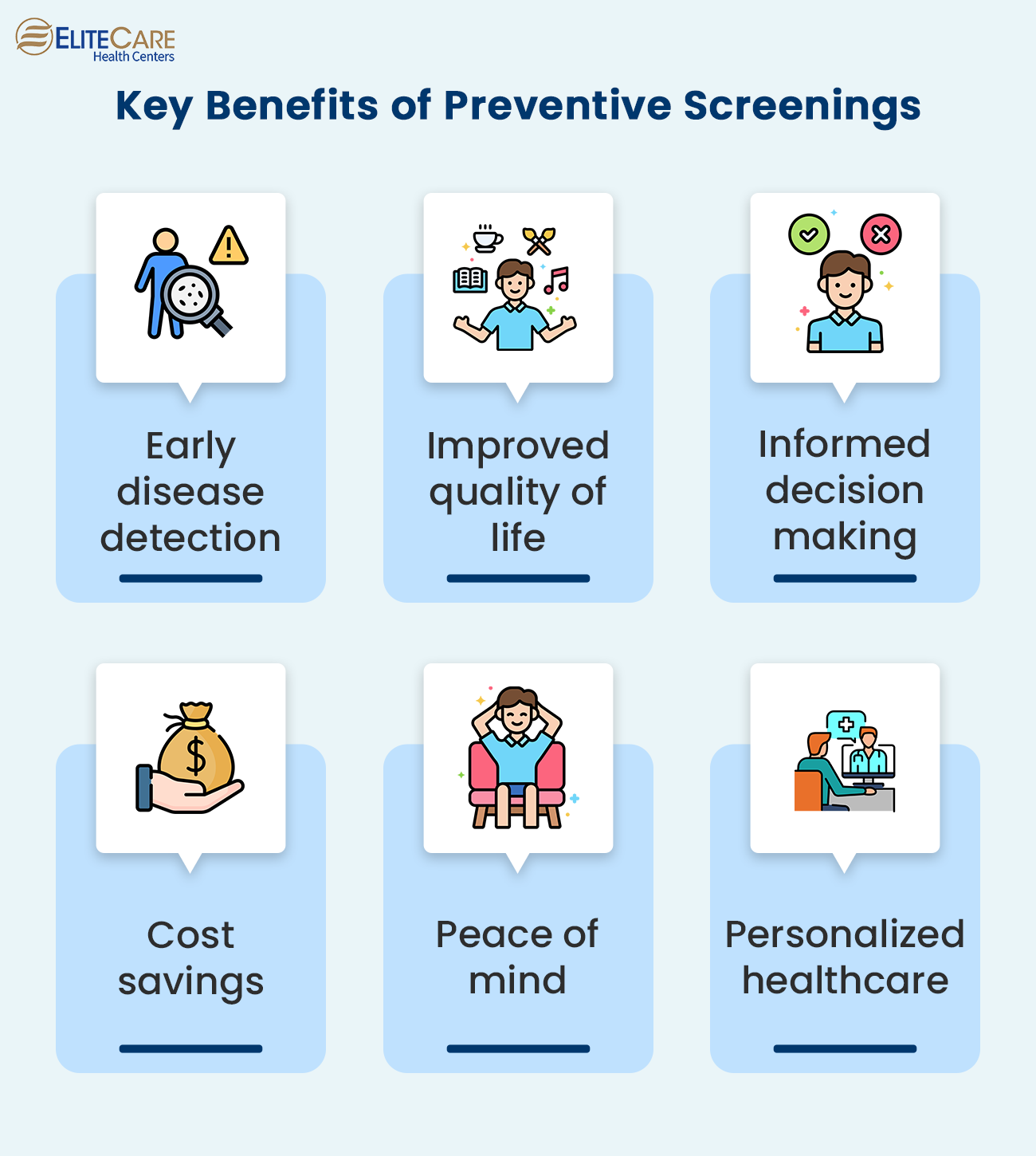
Preventive health screenings are essential for maintaining your overall health and well-being. By detecting health issues early, you can avoid more serious complications that may arise if left untreated. Preventive health screenings can also help identify risk factors for certain diseases, allowing you to take proactive steps to prevent them. It is important to stay up to date on your preventive health screenings to ensure you are staying healthy and catching any potential issues before they progress.
Types of Preventive Health Screenings
There are various types of preventive health screenings that are recommended based on your age, gender, and risk factors. Some common types of preventive health screenings include:
-
Blood Pressure Screening: This screening helps detect high blood pressure, which can lead to serious health issues such as heart disease and stroke. High blood pressure often has no symptoms, so regular screenings are important.
-
Cholesterol Screening: This screening measures the levels of cholesterol in your blood. High cholesterol is a risk factor for heart disease, so monitoring your cholesterol levels is essential for maintaining heart health.
-
Cancer Screenings: There are various cancer screenings recommended based on your age and risk factors. Some common cancer screenings include mammograms for breast cancer, Pap smears for cervical cancer, and colonoscopies for colon cancer.
-
Diabetes Screening: This screening helps detect prediabetes or diabetes, which can lead to serious complications if left untreated. Early detection of diabetes is crucial for managing the condition and preventing further health issues.
-
Bone Density Screening: This screening measures the density of your bones and can help detect osteoporosis, a condition that weakens bones and increases the risk of fractures.
How Often Should You Get Screened?
The frequency of preventive health screenings depends on your age, gender, family history, and risk factors. It is important to follow the recommendations of your healthcare provider to ensure you are getting screened at the appropriate intervals. Some screenings may be done annually, while others may be done less frequently. Talk to your healthcare provider to create a screening schedule that is tailored to your individual needs.
How to Prepare for Preventive Health Screenings
Preparing for preventive health screenings is essential to ensure accurate results and a smooth experience. Here are some tips to help you prepare for your screenings:
-
Follow Your Healthcare Provider’s Instructions: Your healthcare provider will provide you with specific instructions to follow before your screening. Make sure to follow these instructions carefully to ensure accurate results.
-
Bring a List of Medications: Make a list of all medications you are currently taking, including supplements and over-the-counter medications. This information will help your healthcare provider assess your overall health and potential interactions with the screening.
-
Wear Comfortable Clothing: Wear comfortable clothing that is easy to remove if necessary for the screening. This will make the process more comfortable and efficient.
-
Ask Questions: If you have any questions or concerns about the screening, don’t hesitate to ask your healthcare provider. It’s important to understand the purpose of the screening and what to expect during the process.
-
Stay Hydrated: Depending on the screening, you may be required to fast or drink plenty of water beforehand. Follow your healthcare provider’s instructions to ensure accurate results.
What to Expect During Preventive Health Screenings
Knowing what to expect during preventive health screenings can help alleviate any anxiety and ensure a smooth experience. Here are some common things to expect during preventive health screenings:
-
Blood Pressure Screening: During a blood pressure screening, a healthcare provider will use a blood pressure cuff to measure your blood pressure. You may need to sit quietly for a few minutes before the screening to get an accurate reading.
-
Cholesterol Screening: A cholesterol screening typically involves a blood test to measure your cholesterol levels. You may need to fast for a certain period before the screening for accurate results.
-
Cancer Screenings: Cancer screenings vary depending on the type of cancer being screened for. Mammograms, Pap smears, and colonoscopies are common cancer screenings that may involve imaging tests or tissue samples.
-
Diabetes Screening: A diabetes screening may involve a blood test to measure your blood sugar levels. You may need to fast before the screening, depending on the type of test being conducted.
-
Bone Density Screening: During a bone density screening, you will undergo a painless bone density scan to measure the density of your bones. This screening is typically done to detect osteoporosis.
What Happens After Preventive Health Screenings?
After undergoing preventive health screenings, your healthcare provider will review the results with you and discuss any next steps that may be necessary. Depending on the results of the screening, you may be advised to make lifestyle changes, start or adjust medications, or undergo further testing. It is important to follow your healthcare provider’s recommendations to maintain your health and well-being.

How to Stay on Top of Your Preventive Health Screenings
Staying on top of your preventive health screenings is crucial for maintaining your health and catching any potential issues early on. Here are some tips to help you stay organized and up to date on your screenings:
-
Create a Screening Schedule: Work with your healthcare provider to create a personalized screening schedule based on your age, gender, family history, and risk factors. Keep track of when your screenings are due and schedule them in advance.
-
Set Reminders: Use a calendar, planner, or reminder app to set reminders for your preventive health screenings. Regular reminders will help you stay on track and ensure you don’t miss any important screenings.
-
Stay Informed: Educate yourself about the recommended preventive health screenings for your age and gender. Knowing what screenings are recommended and why they are important will help you prioritize your health and well-being.
-
Ask for Support: If you have trouble remembering or scheduling your preventive health screenings, ask a family member, friend, or healthcare provider for support. Having someone to remind you and help you stay accountable can make a big difference.
-
Celebrate Your Health: View preventive health screenings as a way to celebrate and prioritize your health. By staying on top of your screenings, you are taking proactive steps to prevent potential health issues and maintain your overall well-being.
Conclusion
Approaching preventive health screenings in an organized and proactive manner is key to maintaining your health and well-being. By understanding the importance of preventive health screenings, preparing for screenings, knowing what to expect during screenings, and staying on top of your screenings, you can ensure you are taking the best care of your health. Remember, your health is your most valuable asset, so make it a priority to stay informed and proactive when it comes to preventive health screenings. Take charge of your health today and schedule your next preventive health screening. Your future self will thank you.
