
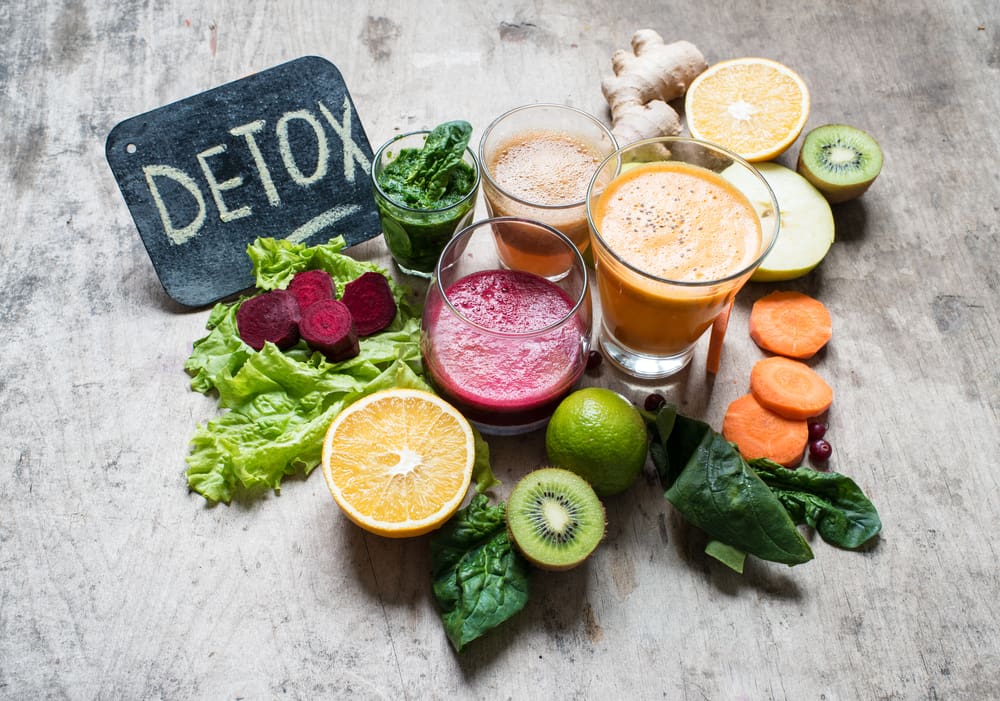
Are you looking to kickstart a healthier lifestyle and feel rejuvenated from the inside out? Look no further! In this Beginner’s Guide to Preventive Health for Detoxification, we will explore the key steps and strategies for effectively detoxifying your body. We’ll delve into the importance of preventive health measures, provide practical tips to incorporate into your daily routine, and give you the tools to achieve a revitalized and balanced life. So, get ready to embark on a journey towards improved well-being and discover the wonders of detoxification.
Understanding Detoxification Process
What is Detoxification?
Detoxification is a natural process that occurs in the body to eliminate toxins and harmful substances. It involves various organs, including the liver, kidneys, skin, and lungs, working together to remove waste and maintain optimal health. These toxins can come from various sources such as the environment, food, and even metabolic byproducts. By eliminating these toxins, the body can function more efficiently and prevent potential health problems.
Why is Detoxification Important?
Detoxification is essential for maintaining overall health and well-being. Our bodies are constantly exposed to toxins and chemicals from the environment, food, and personal care products. Over time, these toxins can build up and lead to various health issues, including fatigue, digestive problems, skin disorders, and even chronic diseases.
By supporting and promoting the detoxification process, you can improve your energy levels, enhance your immune system, and prevent the risk of developing long-term health conditions. Detoxification also plays a crucial role in weight management and can help improve digestion, skin health, and mental clarity.
Benefits of Detoxification
The benefits of detoxification go beyond just eliminating toxins from the body. Here are some key advantages of supporting the detoxification process:
-
Enhanced energy levels: Removing toxins allows your organs to function optimally, boosting your energy levels and combating fatigue.
-
Improved digestion: Detoxification can improve your digestive system by eliminating waste and promoting healthy gut flora.
-
Clearer skin: By eliminating toxins from the body, detoxification can result in clearer, healthier skin and a more radiant complexion.
-
Strengthened immune system: Detoxification supports your immune system by reducing the burden on your body and allowing it to focus on fighting off infections and diseases.
-
Weight management: Detoxification can jumpstart weight loss efforts by eliminating toxins that may be disrupting your metabolism and contributing to weight gain.
-
Mental clarity: Removing toxins from your body can improve mental clarity, focus, and concentration, leading to increased productivity and overall well-being.
Preparing for Detoxification
Consulting with a Healthcare Professional
Before starting any detoxification program, it is essential to consult with a healthcare professional. They can assess your overall health, identify specific areas that may require attention, and provide guidance on the most appropriate detoxification methods for you. Consulting with a professional will ensure that you approach detoxification safely and effectively.
Setting Realistic Goals
When preparing for detoxification, it’s important to set realistic goals based on your individual needs and circumstances. Detoxification is not a one-size-fits-all process, and what works for one person may not work for another. Take into consideration your current health, lifestyle, and commitments when setting goals. Start with small, achievable targets, and gradually increase the intensity and duration of your detoxification practices.
Creating a Detox Plan
To effectively detoxify your body, it’s helpful to create a detox plan that outlines your goals, specific detoxification methods, and a timeline. Your plan should include dietary changes, exercise routines, stress management techniques, and any other practices that support the detoxification process. Having a well-structured plan will help you stay focused, motivated, and track your progress throughout your detoxification journey.
Dietary Changes for Detoxification
Increasing Water Intake
One of the most crucial aspects of detoxification is staying hydrated by increasing your water intake. Water helps flush out toxins from the body, supports healthy digestion, and keeps your organs functioning optimally. Aim to drink at least eight glasses of water per day and consider adding lemon or cucumber slices for added flavor and detoxifying benefits.
Eating a Plant-Based Diet
A plant-based diet rich in fruits, vegetables, whole grains, and legumes provides your body with essential nutrients and antioxidants necessary for the detoxification process. These foods are high in fiber, which aids in digestion, promotes regular bowel movements, and eliminates waste from the body. Incorporate a variety of colors into your meals to ensure you’re consuming a wide range of nutrients and antioxidants.
Avoiding Processed Foods
Processed foods are often laden with preservatives, artificial additives, and unhealthy fats that can hinder the detoxification process. Avoiding these foods is crucial during your detoxification journey. Instead, focus on consuming whole, natural foods that are free from artificial ingredients. Opt for homemade meals and snacks using fresh, organic ingredients whenever possible.
Reducing Sugar and Caffeine Intake
Sugar and caffeine can have a negative impact on the detoxification process. Excess sugar consumption can lead to inflammation, weight gain, and hinder the body’s ability to eliminate toxins effectively. Similarly, caffeine can cause dehydration and disrupt sleep patterns, which are essential for detoxification. Reduce your intake of sugary foods and beverages and limit your caffeine consumption to support your body’s detoxification efforts.
Incorporating Exercise into Detoxification
Choosing the Right Exercise Routine
Regular exercise is an important component of detoxification as it helps enhance blood circulation and promotes the removal of toxins through sweat. When choosing an exercise routine, opt for activities that you enjoy and can easily incorporate into your daily life. This could include aerobic exercises, strength training, yoga, or a combination of various exercises. Find what works best for you and aim for at least 30 minutes of exercise most days of the week.
Cardiovascular Exercises
Cardiovascular exercises such as jogging, cycling, swimming, or brisk walking are great for increasing heart rate, improving lung capacity, and stimulating detoxification. These exercises help improve blood flow, allowing oxygen and nutrients to reach your organs more efficiently. Engaging in cardiovascular exercises can also support weight loss efforts and boost overall cardiovascular health.
Strength Training
Incorporating strength training exercises into your detoxification routine helps build muscle, improve bone density, and increase metabolism. The added muscle mass from strength training can assist in burning calories and eliminating toxins more effectively. Include exercises using weights, resistance bands, or bodyweight exercises to promote lean muscle growth and overall strength.
Yoga and Meditation
Yoga and meditation can be powerful tools for detoxification as they promote relaxation, stress reduction, and mindfulness. Deep breathing during yoga and meditation practices helps oxygenate the body while calming the nervous system. This combination of movement and mindfulness encourages the body to release tension, improve digestion, and support the elimination of toxins.
Effective Stress Management
Identifying Sources of Stress
Stress can have a significant impact on your body’s detoxification process. Identifying the sources of stress in your life is the first step towards effective stress management. Whether it’s work-related stress, relationship issues, or personal challenges, understanding what triggers stress allows you to develop strategies to mitigate its effects and support your body’s detoxification efforts.
Practicing Stress-Relief Techniques
Implementing stress-relief techniques on a regular basis is crucial for detoxification and overall well-being. Find activities that help you relax and unwind, such as deep breathing exercises, journaling, nature walks, or engaging in hobbies you enjoy. Experiment with different stress-relief techniques and incorporate them into your daily routine to help manage and reduce stress levels.
Meditation and Deep Breathing
Meditation and deep breathing exercises are effective tools for stress management and detoxification. These practices activate the body’s relaxation response, which helps reduce stress hormones and promote a state of calm. Set aside a few minutes each day to practice meditation and deep breathing techniques, focusing on your breath and allowing your mind and body to relax.
Getting Sufficient Sleep
Adequate sleep is crucial for the body’s detoxification process, as it allows your organs to repair and rejuvenate. Aim for 7-9 hours of quality sleep each night to support optimal detoxification. Establish a bedtime routine, create a sleep-friendly environment, and prioritize regular sleep patterns to ensure you are getting sufficient rest for your body’s natural detoxification processes.
Promoting Gut Health and Digestion
Consuming Probiotic-Rich Foods
Probiotic-rich foods are beneficial for gut health and support the body’s detoxification process. These foods, such as yogurt, kefir, sauerkraut, and kimchi, contain beneficial bacteria that promote a healthy balance of gut flora. Incorporate these foods into your diet to support digestion, enhance nutrient absorption, and strengthen your immune system.
Fiber-Rich Foods for Regular Bowel Movements
Including fiber-rich foods in your diet is essential for maintaining regular bowel movements and eliminating waste effectively. Fiber acts as a natural cleanser, sweeping toxins and waste out of the body. Incorporate foods like fruits, vegetables, whole grains, and legumes into your meals to increase your fiber intake. Aim for a variety of soluble and insoluble fibers to ensure a well-rounded detoxification process.
Reducing Intake of Inflammatory Foods
Inflammatory foods such as processed meats, refined grains, sugary snacks, and trans fats can hinder the detoxification process. These foods increase inflammation in the body, stress the digestive system, and contribute to toxin buildup. Reduce your consumption of inflammatory foods and focus on whole, nutrient-dense foods to support your body’s natural detoxification mechanisms.
Supporting Liver Function
Choosing Liver-Friendly Foods
The liver plays a crucial role in detoxification, so it’s essential to support its function. Incorporating liver-friendly foods into your diet can help promote optimal liver health. Some examples of liver-friendly foods include leafy greens, cruciferous vegetables, garlic, turmeric, green tea, and citrus fruits. These foods contain antioxidants and nutrients that support liver function and aid in the elimination of toxins.
Limiting Alcohol Consumption
Excessive alcohol consumption can hinder the liver’s ability to detoxify the body effectively. Alcohol can damage liver cells and interfere with the natural detoxification process. Limit your alcohol consumption or consider abstaining from alcohol during your detoxification journey to allow your liver to heal and rejuvenate.
Avoiding Harmful Substances
To effectively support liver function during detoxification, it’s important to avoid exposing your body to harmful substances. This includes limiting your intake of medications and over-the-counter drugs unless necessary, avoiding recreational drugs, and reducing exposure to environmental toxins such as heavy metals, pesticides, and pollutants. Minimizing your exposure to these substances helps reduce the burden on your liver and allows it to function optimally.
Maintaining a Healthy Lifestyle
Getting Regular Check-ups
Regular check-ups with your healthcare professional are essential for maintaining overall health and well-being, including supporting the detoxification process. These check-ups can help identify any underlying health issues, monitor progress, and adjust your detoxification plan accordingly. Stay proactive about your health and schedule regular appointments to ensure your body is functioning optimally.
Avoiding Environmental Toxins
Environmental toxins can significantly impact your body’s detoxification process. Take steps to minimize your exposure to harmful substances by using natural and non-toxic household cleaners, opting for organic produce, and avoiding products with synthetic fragrances and chemicals. Pay attention to the air quality in your environment and consider using air purifiers to reduce indoor pollutants.
Practicing Mindful Eating
Incorporating mindful eating practices into your daily life supports the detoxification process by promoting healthier food choices and improved digestion. Take the time to fully enjoy and savor your meals, focusing on the tastes, textures, and nourishment they provide. Mindful eating also involves listening to your body’s hunger and fullness cues, allowing you to eat in a way that supports your overall well-being.
Avoiding Detoxification Pitfalls
Avoiding Extremes or Fad Diets
When embarking on a detoxification journey, it’s important to avoid extremes or fad diets that promise quick-fix results. These diets can be restrictive, imbalanced, and potentially harmful to your health. Instead, focus on making sustainable and healthy lifestyle changes that support your body’s natural detoxification process in the long term.
Listening to Your Body’s Needs
During detoxification, it’s crucial to listen to your body and adjust your approach accordingly. Pay attention to any signs of discomfort, fatigue, or imbalances and modify your detox plan as needed. Every individual is unique, and what works for one person may not work for another. Trust your body’s signals and make adjustments to ensure a safe and effective detoxification process.
Being Patient and Consistent
Detoxification is a gradual process that requires patience and consistency. Results may not be immediate, and it’s important to stay committed to your detoxification plan over time. Consistency in your dietary changes, exercise routines, stress management practices, and other detoxification methods will yield the best results. Stay motivated, track your progress, and celebrate each milestone along your detoxification journey.
Incorporating Detoxification in Daily Life
Creating a Long-term Detoxification Plan
Detoxification is not a one-time event; it should be embraced as a long-term commitment to your health. Create a comprehensive and sustainable long-term detoxification plan that incorporates healthy habits into your daily life. This plan should include ongoing practices that support your body’s natural detoxification processes, such as maintaining a balanced diet, regular exercise, stress management techniques, and environmental toxin avoidance.
Integrating Detox Practices in Routine
Incorporating detoxification practices into your daily routine is crucial for long-term success. This can involve starting your day with a warm glass of lemon water, practicing mindful eating during meals, incorporating exercise breaks into your workday, and dedicating time for stress-relief techniques such as meditation or deep breathing. Integrate these practices into your daily life to make detoxification a seamless part of your overall well-being.
Finding Support and Accountability
Embarking on a detoxification journey can be challenging, but having support and accountability can make a significant difference. Find a friend, family member, or online community that shares your detoxification goals. Share your progress, challenges, and successes with them, and stay connected to a support network that can offer encouragement, guidance, and motivation along the way.
In conclusion, understanding the detoxification process and implementing effective strategies to support it is essential for promoting overall health and well-being. By making dietary changes, incorporating exercise, managing stress, promoting gut health, supporting liver function, and maintaining a healthy lifestyle, you can optimize your body’s natural detoxification processes and reap the countless benefits of a detoxified and revitalized body. Remember to consult with a healthcare professional before beginning any detoxification program and approach the journey with patience, consistency, and a positive mindset.