
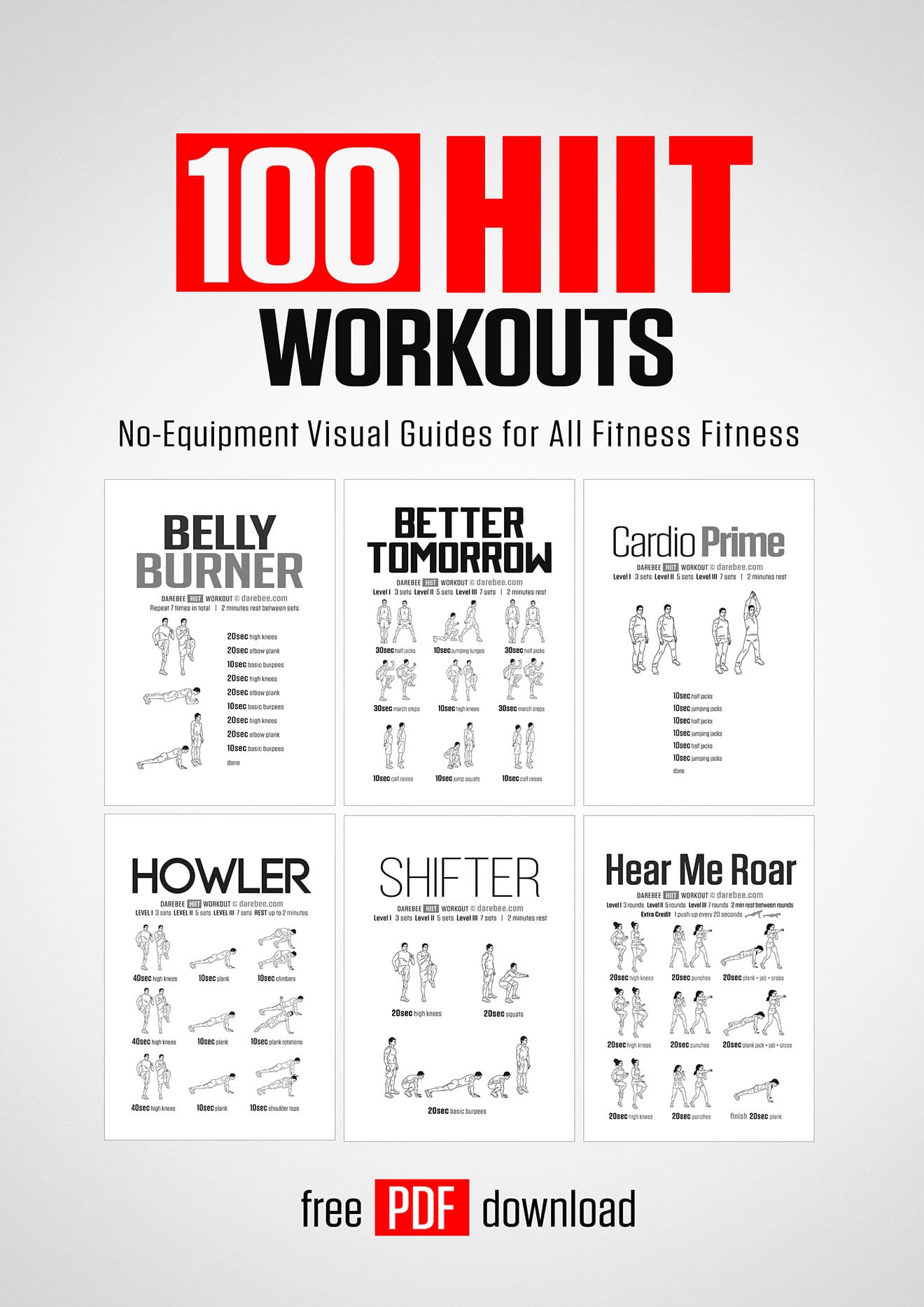
Looking to spice up your workout routine and maximize your fitness results? Look no further than “The Ultimate Guide To Interval Training.” Whether you’re a beginner or a seasoned athlete, this comprehensive guide will walk you through the ins and outs of interval training – a highly effective method that alternates bursts of high-intensity exercise with periods of rest or lower intensity. Learn how to structure your intervals, choose the right exercises, and discover the countless benefits of incorporating this time-efficient and challenging workout technique into your fitness regimen. Get ready to take your fitness to the next level with “The Ultimate Guide To Interval Training.”
What is Interval Training?
Interval training is a popular and effective method of exercise that involves alternating periods of high-intensity effort with periods of rest or lower-intensity activity. It can be done with various exercises such as running, cycling, or even bodyweight movements. The main idea behind interval training is to push your limits during the intense intervals and give your body the opportunity to recover during the rest periods. This style of training can provide numerous benefits and is suitable for people of all fitness levels.
Definition of Interval Training
Interval training is a workout strategy that involves alternating between high-intensity exercise and periods of rest or lower-intensity activity. These intervals can vary in duration and intensity depending on your fitness level and goals. The purpose of interval training is to challenge your body and improve your cardiovascular fitness, endurance, and overall performance.
Benefits of Interval Training
Interval training offers many benefits that make it a popular choice among fitness enthusiasts. One of the key advantages is its ability to improve cardiovascular fitness rapidly. By pushing your heart and lungs to work harder during the intense intervals, you can increase your aerobic capacity and efficiency.
Another major benefit of interval training is its effectiveness in burning calories and promoting weight loss. The high-intensity intervals create an oxygen debt in your body, which increases your metabolism even after the workout is complete. This means that you continue to burn calories long after your exercise session is over.
Interval training is also a time-efficient workout option. By incorporating short bursts of intense exercise, you can achieve the same or even better results compared to longer, steady-state workouts. This makes it an attractive choice for individuals with busy schedules who still want to reap the benefits of exercise.
Additionally, interval training can help improve your endurance and athletic performance. By challenging your body to adapt to higher levels of intensity, you will gradually build your stamina and enhance your ability to sustain prolonged activity.
Types of Interval Training
There are several different types of interval training, each with its own unique characteristics. Let’s explore some of the most common ones:
High-Intensity Interval Training (HIIT)
High-Intensity Interval Training, often referred to as HIIT, is one of the most popular and widely practiced forms of interval training. HIIT involves short, intense bursts of exercise followed by brief recovery periods. These workouts typically last for 20-30 minutes and can be modified to fit various fitness levels and preferences.
Tabata Training
Tabata training is a specific form of HIIT that follows a specific protocol. It consists of 20 seconds of all-out exercise, followed by 10 seconds of rest, repeated for a total of eight rounds (four minutes). This fast-paced training is known for its ability to increase both aerobic and anaerobic capacity.
Fartlek Training
Fartlek, a Swedish term meaning “speed play,” is a type of training that involves varying the intensity and speed of your workout. Unlike structured intervals, fartlek training allows for more flexibility and creativity in your exercise routine. You can increase your speed during certain stretches, then slow down during others, making it a fun and versatile way to train.
Circuit Training
Circuit training involves completing a series of exercises or stations in quick succession, with minimal rest in between. This form of interval training combines resistance exercises with cardiovascular activities, providing a well-rounded workout that helps improve both strength and endurance. It can be done with various equipment or bodyweight exercises, making it suitable for different fitness levels.
Getting Started with Interval Training
Before jumping into interval training, it’s important to take a few key steps to ensure your safety and effectiveness. Here’s what you need to do to get started:
Consulting with a Doctor
Before beginning any new exercise program, especially one as intense as interval training, it is crucial to consult with your doctor or healthcare provider. They can assess your current health status and advise you on any precautions or modifications you might need to make.
Setting Goals
Next, it’s important to set clear and specific goals for your interval training journey. Whether you want to improve your cardiovascular fitness, lose weight, or enhance your athletic performance, having defined goals will help you stay motivated and monitor your progress.
Choosing the Right Exercises
Once you have your goals in mind, you can choose the exercises that best align with them. Whether you prefer running, cycling, or bodyweight movements, select exercises that you enjoy and feel comfortable performing. This will make your workout sessions more enjoyable and sustainable in the long run.
Creating a Workout Plan
To ensure consistency and progress, it’s essential to create a structured workout plan. Decide how many sessions you will do per week, how long each session will last, and how many intervals you will perform during each workout. Gradually increase the intensity and duration of your intervals over time to challenge your body and avoid plateauing.
Interval Training Equipment
While interval training can be done with minimal equipment, there are a few tools that can enhance your workouts. Here are some essential items to consider:
Running Shoes
If you plan on incorporating running or any high-impact exercises into your interval training routine, investing in a good pair of running shoes is crucial. Opt for shoes that provide ample support, cushioning, and stability to protect your feet and joints.
Heart Rate Monitor
A heart rate monitor is a valuable tool for interval training, as it allows you to track your heart rate during the high-intensity intervals. It can help you determine if you’re challenging yourself enough or if you need to adjust the intensity levels. Many fitness trackers and smartwatches come equipped with built-in heart rate monitoring capabilities.
Interval Timer
An interval timer is a handy device or app that allows you to set specific work and rest intervals, making your workout sessions more organized and efficient. It takes the guesswork out of timing and ensures that you stick to your planned intervals.
Resistance Bands
Resistance bands are versatile and portable workout tools that can add an extra challenge to your interval training routine. They can be used to target various muscle groups and can be easily incorporated into bodyweight exercises or strength training movements.
Proper Warm-up and Cool-down
Before diving into the intense intervals of your interval training session, it’s crucial to properly warm up your body and prepare it for the upcoming challenge. Here are some essential steps to include in your warm-up and cool-down routine:
Dynamic Warm-up Exercises
A dynamic warm-up involves performing exercises that mimic the movements you’ll be doing during your workout. It helps increase blood flow, lubricate the joints, and improve your range of motion. Consider including exercises such as leg swings, arm circles, and high knees in your warm-up routine.
Static Stretching
Contrary to popular belief, static stretching is best done after the workout, during the cool-down phase. It helps relax and elongate your muscles, reducing the risk of injury and promoting flexibility. Focus on stretching each major muscle group, holding each stretch for 15-30 seconds.
Importance of Cooling Down
A proper cool-down helps gradually bring your heart rate and breathing back to normal and prevents blood pooling in your extremities. It can consist of light cardiovascular exercise, such as a slow jog or brisk walk, followed by static stretching.
Designing an Interval Training Workout
To maximize the effectiveness of your interval training sessions and continue progressing, it’s important to design well-rounded workouts. Here are some key factors to consider:
Determining Intensity Levels
For interval training to be effective, it’s important to find the right balance between intensity and recovery. Beginners may start with shorter intervals at a moderate intensity, gradually increasing the duration and intensity as they progress. More advanced individuals can experiment with longer intervals or higher intensities.
Selecting Work and Rest Ratios
The work-to-rest ratio is a crucial component of interval training. It refers to the proportion of time spent on the high-intensity intervals versus the rest periods. The ideal ratio can vary depending on your fitness level and goals. As a general guideline, beginners may start with a 1:2 ratio (e.g., 20 seconds of work followed by 40 seconds of rest), while more advanced individuals may opt for a 1:1 ratio or even shorter rest periods.
Progression and Variation
To continue challenging your body and avoid plateaus, it’s important to incorporate progression and variation into your workouts. Gradually increase the intensity, duration, or number of intervals over time. Additionally, vary the types of exercises and intervals you perform to target different muscle groups and keep your workouts engaging.
Incorporating Strength Training
While interval training can primarily focus on cardiovascular fitness, it’s important not to neglect strength training. Including strength exercises targeting major muscle groups can help improve overall performance and prevent muscle imbalances. Consider adding bodyweight exercises, resistance band exercises, or weightlifting to your routine to enhance your strength and power.
Effective Interval Training Exercises
Interval training can be done with various exercises, depending on your preferences and equipment availability. Here are some popular and effective exercises to incorporate into your routine:
Sprinting
Sprinting is a classic interval training exercise that can be performed outdoors or on a treadmill. Find a safe and flat surface, and alternate between maximum effort sprints and periods of active recovery, such as walking or jogging.
Jumping Rope
Jumping rope is a versatile and effective exercise that can be easily incorporated into interval training. It’s a high-intensity activity that works your cardiovascular system while engaging multiple muscle groups. Jump at a fast pace for a set duration, then take a short rest between intervals.
Cycling
Cycling, whether on a stationary bike or outdoors, is an excellent low-impact interval training exercise. Adjust the resistance or speed to challenge yourself during the high-intensity intervals, then ease off during the recovery periods.
Burpees
Burpees are a challenging total-body exercise that targets multiple muscle groups while elevating your heart rate. Begin in a standing position, then drop down to the ground, perform a push-up, and explosively jump up. Repeat for the desired number of intervals.
Mountain Climbers
Mountain climbers are a great exercise for targeting your core, shoulders, and legs. Begin in a plank position and alternate bringing your knees towards your chest in a running motion. Speed up during the high-intensity intervals and slow down during the rest periods.
Safety Precautions and Injury Prevention
While interval training can provide numerous benefits, it’s important to prioritize safety and injury prevention. Here are some key considerations:
Listening to Your Body
Pay close attention to how your body feels during and after your workouts. If you experience severe pain, dizziness, or shortness of breath, it’s important to stop and seek medical attention if necessary. Pushing yourself is important for progress, but there’s a fine line between challenging yourself and overexertion.
Proper Form and Technique
Maintaining proper form throughout your exercises is crucial for preventing injuries and maximizing results. Focus on performing each exercise with the correct technique and alignment. If you’re unsure about the proper form, consult a fitness professional or watch instructional videos for guidance.
Gradual Progression
Progression is key in interval training, but it’s important to progress gradually without overwhelming your body. Gradually increase the intensity, duration, or number of intervals over time. Trying to do too much too soon can increase the risk of injuries and burnout.
Avoiding Overtraining
While interval training can be intense, it’s important to give your body sufficient time to recover between sessions. Overtraining can lead to fatigue, decreased performance, and an increased risk of injuries. Ensure you include rest days in your exercise routine and prioritize sleep and proper nutrition to support your body’s recovery process.
Nutrition and Hydration for Interval Training
Proper nutrition and hydration are vital when engaging in interval training. Here are some tips to fuel your workouts and promote adequate recovery:
Proper Pre-workout Meals
Before intense interval training sessions, it’s important to fuel your body with the right nutrients. Aim for a balanced meal or snack that includes a combination of carbohydrates for energy, lean protein to support muscle repair, and healthy fats for sustained energy. Consider foods like whole grains, fruits, vegetables, lean meats, and nuts or seeds.
Hydration Guidelines
Staying hydrated is crucial for optimal performance and preventing dehydration. Drink water before, during, and after your workouts. The amount of water you need varies depending on factors such as duration, intensity, and climate. Aim to drink at least eight cups of water per day, and adjust based on individual needs.
Post-workout Recovery Nutrition
After interval training, your body needs nutrients to replenish glycogen stores and promote muscle recovery. Consuming a combination of carbohydrates and protein within 30 minutes to an hour after your workout can enhance recovery and reduce muscle soreness. Consider options such as a protein shake, Greek yogurt with fruits, or a balanced meal including lean protein and whole grains.
Benefits and Results of Interval Training
Interval training offers a wide range of benefits that can significantly impact your overall fitness and well-being:
Increased Cardiovascular Fitness
One of the primary benefits of interval training is its ability to improve cardiovascular fitness. By challenging your heart and lungs during the intense intervals, your body becomes more efficient at utilizing oxygen and pumping blood. This results in an increased aerobic capacity and improved cardiovascular health.
Improved Fat Burning
Interval training has been shown to be highly effective for burning fat and promoting weight loss. The intense intervals create an oxygen debt in your body, forcing it to rely on stored energy sources, such as fat, for fuel. This leads to increased calorie burn both during and after your workouts, assisting in weight management.
Time Efficiency
Interval training is known for its time efficiency. An intense interval training session can be completed in as little as 20-30 minutes, yet provide better results compared to longer, steady-state workouts. This makes it a popular choice for individuals with busy lifestyles who still want to prioritize their fitness.
Enhanced Endurance
Consistently incorporating interval training into your routine can greatly improve your endurance. By consistently challenging your body with higher intensity intervals and allowing for periods of recovery, you gradually build your stamina and increase your ability to sustain prolonged activity.
In conclusion, interval training is a versatile and effective workout strategy that offers numerous benefits for individuals of all fitness levels. By incorporating periods of high-intensity exercise followed by recovery or low-intensity periods, you can improve your cardiovascular fitness, burn fat, and enhance your athletic performance. With proper planning, equipment, and techniques, interval training can be a fun and rewarding addition to your fitness routine. Remember to listen to your body, set clear goals, and fuel yourself with proper nutrition and hydration to optimize your results. So why wait? Lace up your shoes, set your intervals, and get ready to experience the incredible benefits of interval training for yourself!