So, you’ve decided to take the plunge and embark on a fitness journey, but with countless workout programs out there, how do you find the right one for your specific goals? In this article, we’ll explore the key factors to consider when choosing a workout program that aligns with your objectives, whether it’s building muscle, losing weight, increasing flexibility, or improving overall fitness. From determining your fitness level to understanding your preferences and finding a program that fits your lifestyle, we’ve got you covered. So, let’s dive into the world of fitness and discover the perfect workout program tailored just for you.
Know Your Goals
When starting any fitness journey, it’s important to determine your specific fitness goals. What is it that you want to achieve? Do you want to lose weight, build muscle, increase endurance, or improve overall health and well-being? By identifying your goals, you’re setting a clear vision of what you want to accomplish and giving yourself a target to work towards.
Consider both short-term and long-term goals. Short-term goals can help you stay motivated and give you a sense of accomplishment along the way, while long-term goals provide an overarching vision of what you want to achieve in the future. It’s important to be realistic with your goals and set yourself up for success.
Once you’ve determined your goals, it’s time to clarify what results you want to achieve. Do you want to lose a specific amount of weight, run a certain distance, or reach a certain level of strength? By clearly defining the results you want to see, you can tailor your workout program to help you accomplish those specific outcomes.
Identify Your Fitness Level
To find the right workout program, it’s essential to assess your current fitness level. This will help you understand where you’re starting from and what areas you need to focus on. Take into account factors such as your cardiovascular endurance, strength, flexibility, and overall fitness level. This self-assessment will give you a baseline to measure your progress against as you continue your fitness journey.
Consider your exercise experience as well. Have you been inactive for a while or are you already familiar with certain workouts? Your exercise experience can influence the type of program that will be suitable for you. If you’re a beginner, starting with a program that gradually introduces you to different exercises may be more beneficial. On the other hand, if you’re experienced, you may be ready to take on more challenging workouts.
Evaluate your strengths and weaknesses. Understanding your strengths allows you to capitalize on them and build upon them, while identifying your weaknesses will help you target those areas and work towards improvement. This self-reflection will help you design a program that takes into account your individual needs and abilities.
Consider Your Preferences
When choosing a workout program, it’s important to think about the types of activities you enjoy. Do you prefer high-intensity workouts like running or kickboxing, or do you enjoy more low-impact exercises like yoga or swimming? By selecting activities that you enjoy, you’re more likely to stick with the program and find it rewarding. Remember, fitness should be fun!
Consider the exercise environment you prefer. Do you enjoy working out at a gym, in the outdoors, or in the comfort of your own home? Each environment has its advantages and disadvantages, so choose the one that aligns with your preferences and allows you to feel comfortable and motivated.
Take into account your schedule and time availability. Finding a program that fits into your daily routine is crucial for long-term success. If you’re someone with a busy schedule, a workout program that offers shorter, more intense workouts may be a better fit. On the other hand, if you have more time available, you may opt for longer, more leisurely exercise sessions.
Research Different Workout Programs
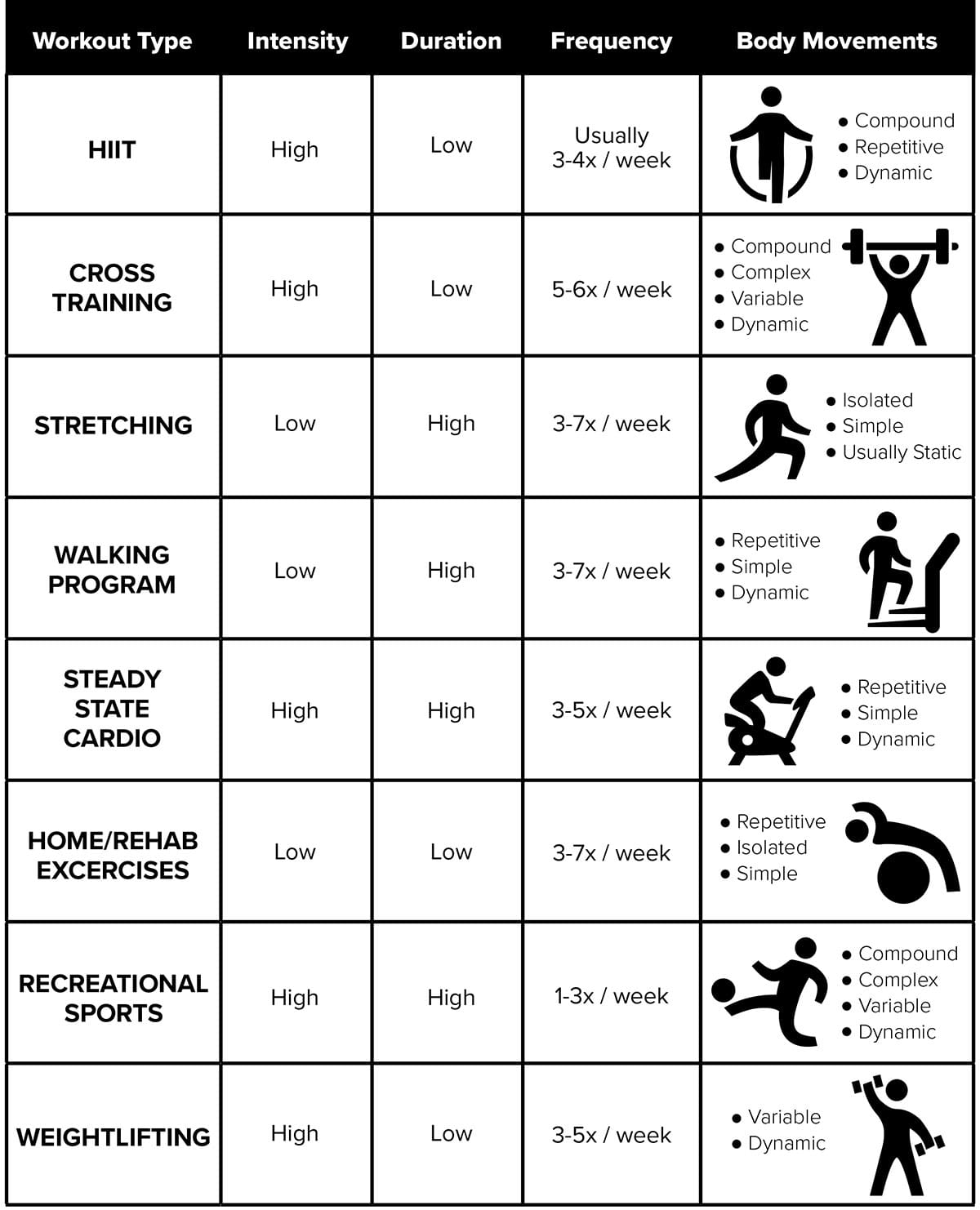
To find the right workout program, it’s important to explore various types of exercise programs. There are countless options available, ranging from traditional weightlifting and cardio routines to trendy fitness classes and online workout subscriptions. By researching different programs, you can find one that aligns with your goals, preferences, and interests.
When researching, be sure to learn about the benefits and requirements of each program. Some programs may focus on weight loss, while others may prioritize strength or flexibility. Understanding the specific benefits of each program will help you determine if it will help you achieve your desired results.
Consider the level of intensity and difficulty of each program. Beginners may want to start with a program that offers modified exercises or lower intensity workouts, while more advanced individuals may seek out programs that challenge them and push their limits. Finding the right balance of intensity and difficulty is key to avoiding injury and staying motivated.
Consult with Professionals
Seeking guidance from professionals can be incredibly valuable when finding the right workout program. Certified personal trainers have the knowledge and expertise to design personalized programs that are tailored to your specific goals and needs. They can provide guidance on proper form, technique, and progression, and help you stay accountable throughout your fitness journey.
Consulting with a fitness coach or instructor can also be beneficial. They can offer support, motivation, and help you stay on track with your program. Whether you choose to participate in group fitness classes or work with a coach one-on-one, their expertise and encouragement can make a significant difference in your fitness journey.
If nutrition is an area of focus for you, consider getting advice from a sports nutritionist or dietitian. They can help you develop a meal plan that complements your workout program and supports your goals. Proper nutrition plays a crucial role in achieving optimal results, so consulting with a professional in this field can provide you with valuable insights and guidance.
Consider Your Resources
When selecting a workout program, it’s important to assess your access to fitness facilities or equipment. Gyms offer a wide range of equipment and classes, while home workouts may require minimal equipment or rely solely on bodyweight exercises. Evaluate what resources you have available and choose a program that aligns with those resources.
Think about your budget for workout programs. Some programs may require a membership or payment, while others may be available for free or at a lower cost. Determine what you’re comfortable investing in your fitness journey and find a program that fits within your budget.
Evaluate the availability of support or accountability. Some programs offer a supportive community or accountability features to help you stay motivated and on track. If having a built-in support system is important to you, look for programs that offer these features.
Design a Balanced Program
A well-rounded workout program should include cardiovascular exercises for endurance, strength training for muscle development, and flexibility or mobility exercises for joint health. Make sure your program includes a balance of these components to achieve optimal overall fitness.
Include cardiovascular exercises such as running, cycling, swimming, or aerobic classes to improve your endurance and cardiovascular health. These exercises get your heart rate up and increase your lung capacity, helping you build stamina and burn calories.
Incorporate strength training exercises such as weightlifting, bodyweight exercises, or resistance band workouts to build muscle and increase overall strength. Strength training not only helps with weight management but also improves bone density, metabolism, and functional movement.
It’s also important to incorporate flexibility or mobility exercises such as stretching, yoga, or Pilates to maintain joint health and improve range of motion. These exercises can help prevent injuries, alleviate muscle stiffness, and enhance overall flexibility.
Progression and Variability
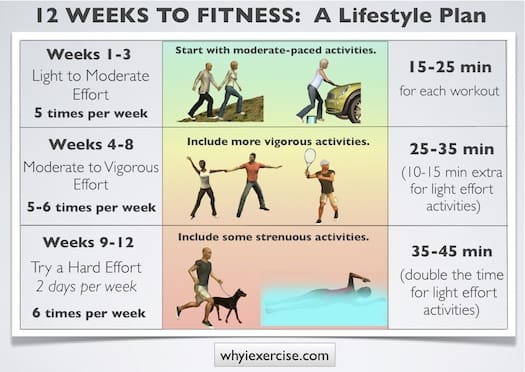
To ensure continued progress, it’s important to include progressive overload in your workouts. This means gradually increasing the difficulty, intensity, or duration of your exercises. By progressively challenging your body, you encourage it to adapt and improve over time. This could involve increasing weights, adding repetitions, or trying more advanced variations of exercises.
Including variety in your exercise routine is also crucial. Doing the same workouts over and over can lead to boredom and plateauing. Try new exercises, mix up your routines, and explore different workout formats to keep things interesting and prevent a plateau in your progress. This will also engage different muscle groups and prevent overuse injuries.
Periodically reassess and adjust your program. As you progress and reach new milestones, you may need to modify your workout program to continue challenging your body and avoiding stagnation. Don’t be afraid to seek guidance from professionals or try new workouts to keep your fitness journey exciting and effective.

Listen to Your Body
One of the most important things in any workout program is to listen to your body. Pay attention to signs of fatigue, overtraining, or burnout. Pushing yourself too hard without adequate rest and recovery can lead to injuries and hinder your progress. It’s important to find a balance between pushing yourself and knowing when to take a step back.
Modify or rest when necessary to prevent injuries. If you feel any pain or discomfort during exercises, it’s important to modify or avoid those movements to protect your body. Always prioritize form and technique to prevent injuries and maximize the benefits of your workouts.
Practice proper form and technique. Performing exercises with incorrect form can lead to injuries and prevent you from getting the full benefit of the exercise. Take the time to learn and practice proper form for each exercise and seek guidance from professionals if needed.
Track Your Progress
Keeping track of your progress is essential for staying motivated and seeing how far you’ve come. Keep a workout journal or use a fitness tracking app to log your workouts, track your performance, and record any improvements. This allows you to visually see your progress and celebrate milestones and achievements along the way. It can also help you identify areas where you may need to make adjustments to continue progressing.
In conclusion, finding the right workout program for your goals is a process that involves knowing your goals, identifying your fitness level, considering your preferences, researching different programs, consulting with professionals, considering your resources, designing a balanced program, focusing on progression and variability, listening to your body, and tracking your progress. By following these steps, you’ll be well on your way to finding a workout program that suits your needs, keeps you motivated, and helps you achieve your desired results. Remember to always enjoy the process and celebrate your accomplishments along the way!