
Welcome to a comprehensive guide on how to effectively manage and alleviate the symptoms of hypothyroidism. Whether you’re experiencing fatigue, weight gain, or mood swings, there are several strategies you can implement to take control of your health and well-being. From medication management to dietary changes and stress reduction techniques, this article will provide you with the best tips and practices to help you feel your best and live a fulfilling life despite having hypothyroidism. Let’s dive in and empower you to take charge of your health today! Have you been struggling with hypothyroidism symptoms and looking for ways to better manage them? In this article, we will explore some of the best ways to control hypothyroidism symptoms and improve your overall well-being. From lifestyle changes to dietary adjustments and medical treatments, we will cover a range of options to help you feel your best. Let’s dive in and discover how you can take control of your hypothyroidism symptoms.
Understanding Hypothyroidism
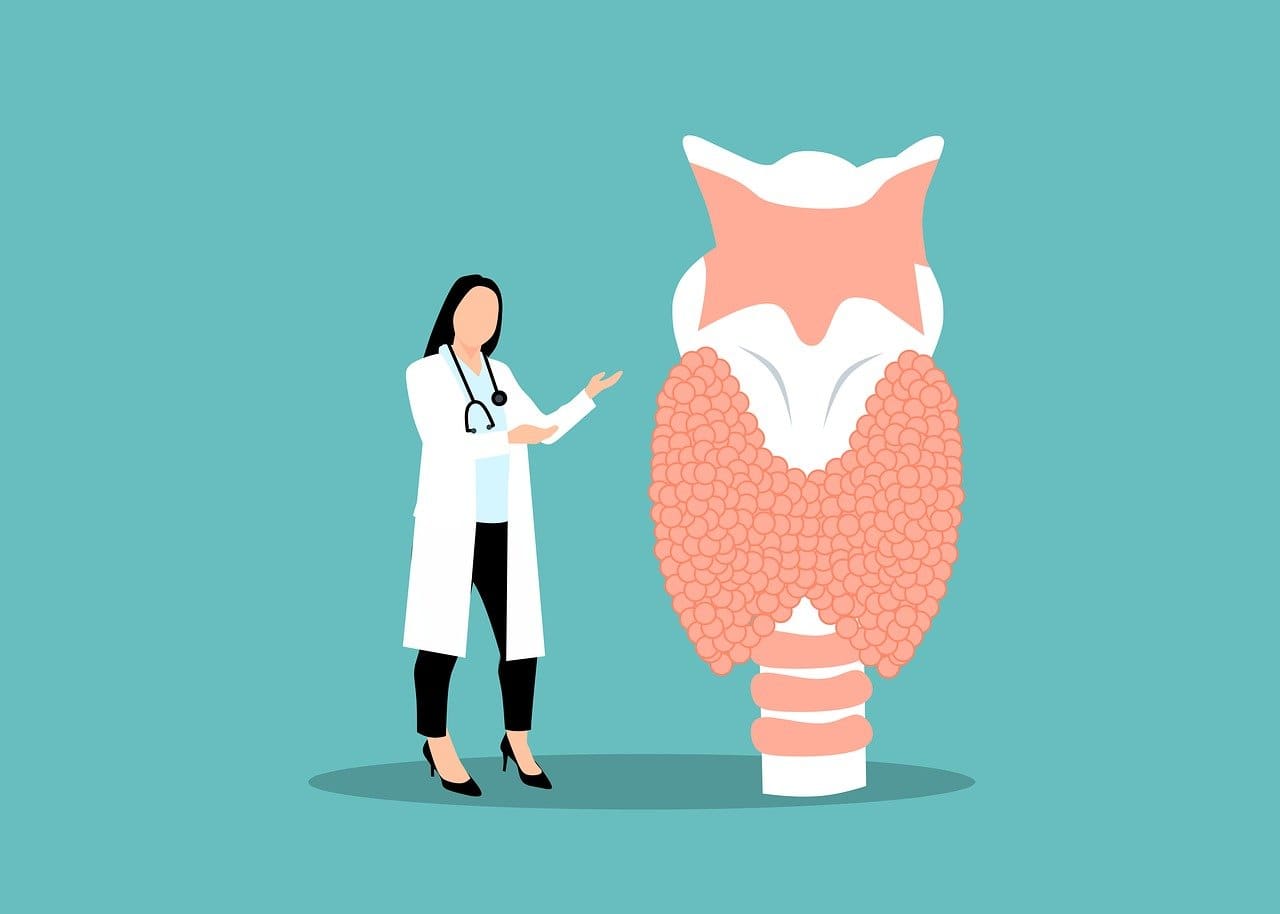
Understanding what hypothyroidism is essential for effectively managing its symptoms. Hypothyroidism is a condition where your thyroid gland does not produce enough hormones to regulate your body’s metabolism. This can lead to a range of symptoms, including fatigue, weight gain, depression, and sensitivity to cold. By understanding the underlying causes and effects of hypothyroidism, you can better address these symptoms and improve your quality of life.
What Causes Hypothyroidism?
Hypothyroidism can be caused by various factors, including autoimmune diseases like Hashimoto’s thyroiditis, thyroid surgery, radiation therapy, and certain medications. In some cases, iodine deficiency can also lead to hypothyroidism. By identifying the root cause of your hypothyroidism, you can tailor your treatment plan to address the specific factors contributing to your condition.
Common Symptoms of Hypothyroidism
Symptoms of hypothyroidism can vary from person to person but often include fatigue, weight gain, constipation, dry skin, hair loss, and muscle weakness. Additionally, individuals with hypothyroidism may experience mood changes, depression, memory problems, and sensitivity to cold. By recognizing these symptoms and monitoring changes in your body, you can work with your healthcare provider to develop an effective treatment plan.
Lifestyle Changes for Managing Hypothyroidism
Making lifestyle changes can play a significant role in managing hypothyroidism symptoms and promoting overall wellness. By incorporating healthy habits into your daily routine, you can support your thyroid function and enhance your quality of life.
Regular Exercise
Regular exercise is essential for maintaining a healthy weight, managing stress, and boosting your overall well-being. Aim for at least 30 minutes of moderate-intensity exercise most days of the week, such as brisk walking, cycling, or swimming. Exercise can help improve your energy levels, mood, and metabolism, making it a valuable tool for managing hypothyroidism symptoms.
Balanced Diet
A balanced diet rich in nutrients can support thyroid function and promote optimal health. Focus on eating a variety of fruits, vegetables, whole grains, lean proteins, and healthy fats. Consider incorporating foods rich in iodine, selenium, and zinc, which are crucial for thyroid health. Limit your intake of processed foods, sugary snacks, and caffeine, which can negatively impact thyroid function.
Stress Management
Chronic stress can affect thyroid function and exacerbate hypothyroidism symptoms. Practice stress-reducing techniques such as mindfulness meditation, yoga, deep breathing exercises, or journaling. Prioritize self-care activities that help you relax and unwind, such as spending time in nature, listening to music, or engaging in hobbies you enjoy. By managing stress effectively, you can support your thyroid health and overall well-being.
Dietary Adjustments for Hypothyroidism
Dietary adjustments can play a crucial role in managing hypothyroidism symptoms and optimizing thyroid function. By making strategic changes to your diet, you can support your thyroid health and improve your overall quality of life.
Iodine-Rich Foods
Iodine is essential for thyroid hormone production, making it a vital nutrient for individuals with hypothyroidism. Incorporate iodine-rich foods into your diet, such as seaweed, seafood, dairy products, and iodized salt. Be mindful of your iodine intake, as excessive consumption can also have adverse effects on thyroid function. Consult with your healthcare provider or a registered dietitian to determine the appropriate level of iodine for your needs.
Selenium Sources
Selenium is another important nutrient for thyroid health, as it helps protect the thyroid gland from oxidative stress and inflammation. Include selenium-rich foods in your diet, such as Brazil nuts, seafood, poultry, and whole grains. Consider taking a selenium supplement if you have difficulty meeting your daily requirements through diet alone. Talk to your healthcare provider before starting any new supplements to ensure they are safe and appropriate for your condition.
Gluten-Free Diet
Some individuals with hypothyroidism may benefit from following a gluten-free diet, especially if they have coexisting autoimmune conditions like celiac disease or Hashimoto’s thyroiditis. Gluten has been linked to inflammation and immune system dysfunction, which can exacerbate thyroid issues in susceptible individuals. If you suspect gluten may be contributing to your symptoms, consider eliminating gluten-containing foods like wheat, barley, and rye from your diet and monitor how your body responds.
Medical Treatments for Hypothyroidism
In addition to lifestyle changes and dietary adjustments, medical treatments can help manage hypothyroidism symptoms and restore hormone balance. Working with a healthcare provider who specializes in thyroid health can help you explore the following treatment options and develop a comprehensive care plan tailored to your needs.
Thyroid Hormone Replacement Therapy
Thyroid hormone replacement therapy is a common treatment for hypothyroidism, where synthetic thyroid hormones are prescribed to replace the ones your body is not producing enough of. The most commonly prescribed thyroid hormone replacement medication is levothyroxine, which is taken orally once a day. Your healthcare provider will monitor your hormone levels regularly and adjust your medication dosage as needed to ensure optimal thyroid function.
Natural Desiccated Thyroid
Some individuals with hypothyroidism may benefit from natural desiccated thyroid medication, which is derived from animal thyroid glands and contains a combination of thyroid hormones T3 and T4. Natural desiccated thyroid medication can be an alternative option for individuals who do not respond well to synthetic thyroid hormones or prefer a more natural approach to treatment. Discuss the potential benefits and risks of natural desiccated thyroid medication with your healthcare provider to determine if it is the right choice for you.
Regular Thyroid Monitoring
Regular monitoring of your thyroid function is essential for managing hypothyroidism and ensuring that your treatment plan is effective. Your healthcare provider will perform blood tests to measure your thyroid hormone levels, TSH (thyroid-stimulating hormone) levels, and other markers of thyroid function. By monitoring these levels regularly, your healthcare provider can adjust your treatment plan as needed and help you achieve optimal thyroid health.

Supplements for Hypothyroidism
In addition to thyroid hormone replacement therapy, certain supplements can support thyroid function and help manage hypothyroidism symptoms. When used in conjunction with medical treatments and dietary adjustments, supplements can be a valuable tool for optimizing your thyroid health.
Vitamin D
Vitamin D plays a crucial role in thyroid function and immune system regulation, making it an essential nutrient for individuals with hypothyroidism. Low levels of vitamin D have been linked to thyroid disorders, so it is important to maintain adequate vitamin D levels through diet, sun exposure, or supplements. Consult with your healthcare provider to determine the appropriate dosage of vitamin D for your needs and monitor your levels regularly.
Omega-3 Fatty Acids
Omega-3 fatty acids have anti-inflammatory properties and can help reduce inflammation in the body, including inflammation that may affect the thyroid gland. Include sources of omega-3 fatty acids in your diet, such as fatty fish, flaxseeds, chia seeds, and walnuts. Consider taking an omega-3 supplement if you have difficulty meeting your daily requirements through diet alone. Talk to your healthcare provider before starting any new supplements to ensure they are safe and appropriate for your condition.
Probiotics
Probiotics are beneficial bacteria that support gut health, immune function, and inflammation regulation, all of which are important for individuals with hypothyroidism. Include probiotic-rich foods in your diet, such as yogurt, kefir, sauerkraut, and kimchi. Consider taking a high-quality probiotic supplement to help maintain a healthy balance of gut bacteria. Consult with your healthcare provider or a registered dietitian to determine the best probiotic strains and dosages for your needs.
Conclusion: Take Control of Your Hypothyroidism Symptoms
Managing hypothyroidism symptoms requires a comprehensive approach that includes lifestyle changes, dietary adjustments, medical treatments, and supplements. By understanding the underlying causes and effects of hypothyroidism, you can work with your healthcare provider to develop a personalized treatment plan that addresses your specific needs. Incorporating healthy habits into your daily routine, such as regular exercise, a balanced diet, stress management, and adequate sleep, can support your thyroid health and improve your overall well-being. Remember to communicate openly with your healthcare provider, monitor changes in your symptoms, and seek support from other healthcare professionals as needed. With the right resources and guidance, you can take control of your hypothyroidism symptoms and live a happier, healthier life.